
Gewandhausorchester Leipzig
Cinematic classical clips and energizing concert pieces featuring up-and-coming artists.
2025-12-18 06:28:42 +0000 UTC→2025-12-18 06:45:00 +0000 UTC(16m)
Cinematic classical clips and energizing concert pieces featuring up-and-coming artists.
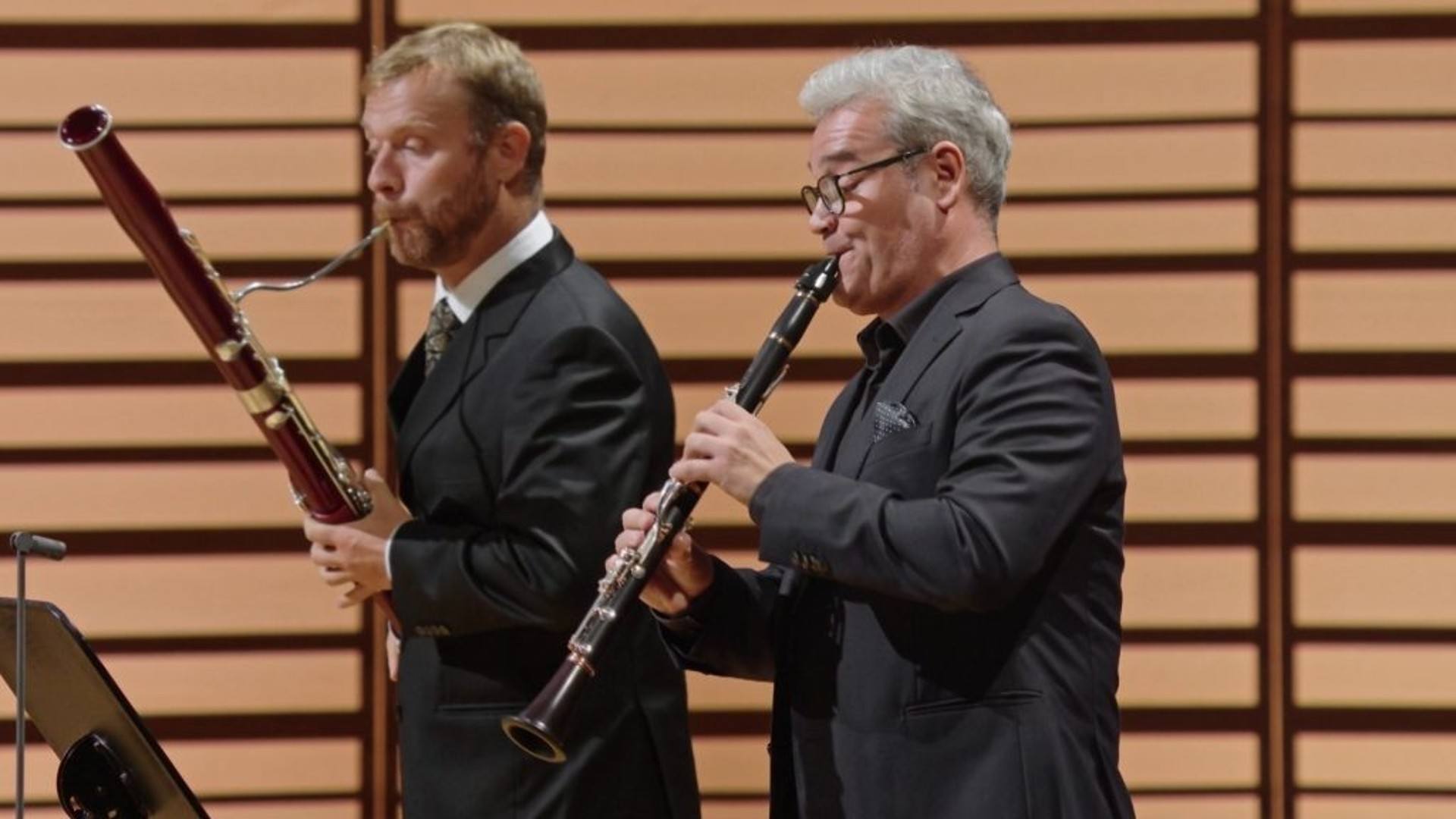
The soloists from the Lucerne Festival Orchestra present two septets in this engaging 2020 concert, recorded at Lucerne Culture and Congress Center (KKL), Switzerland. It opens with Wolfgang Amadeus Mozart's Divertimento No. 11 in D major, K. 251, known as the ‘Nannerl-Septet'. Mozart composed it in 1776, probably on the occasion of his sister Maria Anna's name day, whose nickname was ‘Nannerl'. The septet is scored for oboe, two horns, two violins, viola and double bass. The program continues with Ludwig van Beethoven's Septet in E-flat major, Op. 20, which is scored for clarinet, horn, bassoon, violin, viola, cello and double bass. This 1799 piece achieved great popularity during Beethoven's lifetime. It was arranged for many various instrumental ensembles, including versions for two guitars, and piano four-hands, but also a trio for clarinet (or violin), cello, and piano, arranged by Beethoven himself.
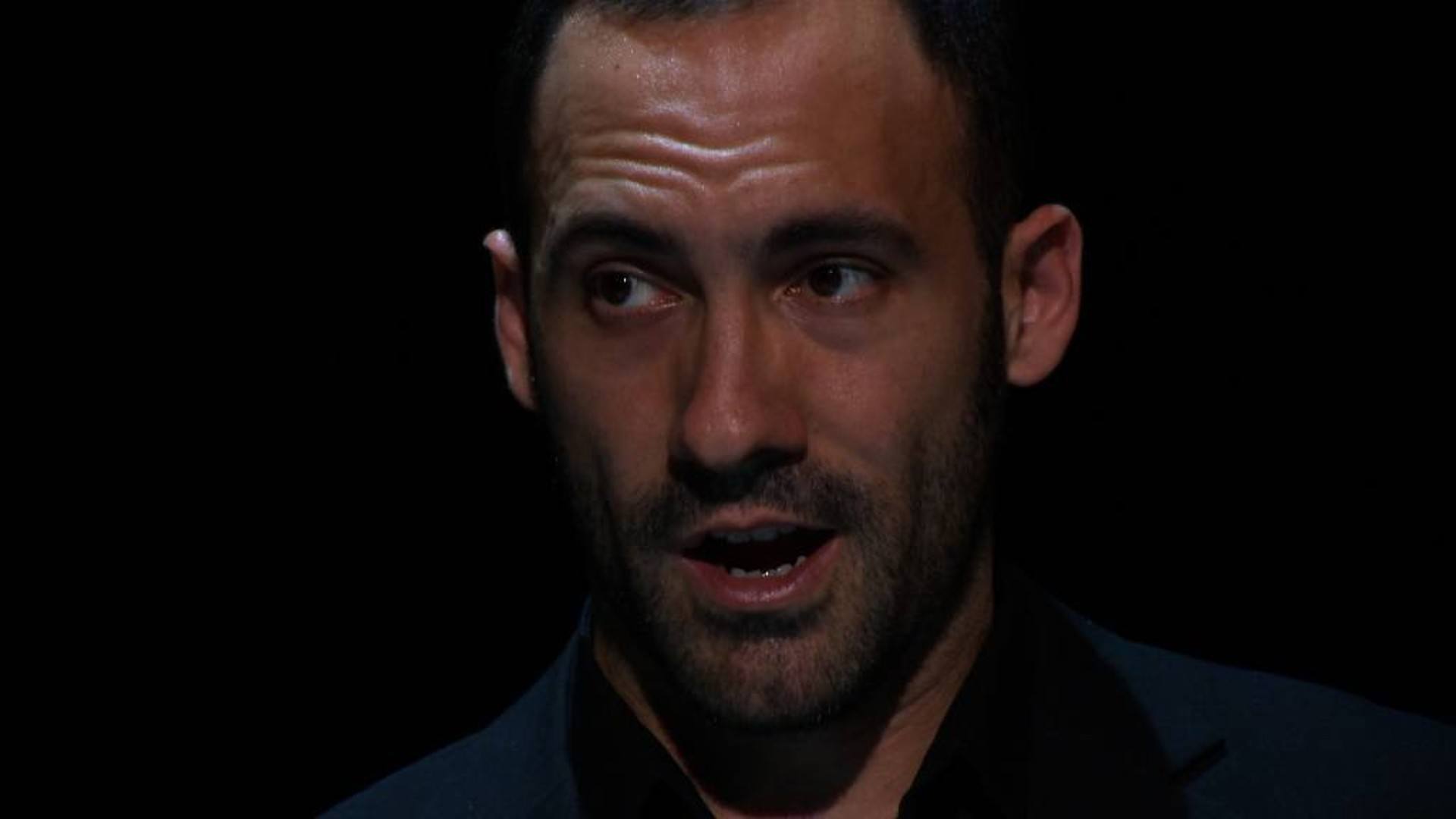
Italian composer Claudio Monteverdi (1567-1643) composed nine books of madrigals in half a century, which helped transform the genre from the polyphonic, a cappella madrigals of the late Renaissance to the ‘concertato' madrigals of the early Baroque, shifting the style's focus to the ability of music to express emotions contained in a text. In 2011, British tenor Paul Agnew and renowned Baroque ensemble Les Arts Florissants started recording eight books of Monteverdi's madrigals. In this program, Agnew leads Les Arts Florissants in the madrigals of Book I. Published on New Year's day of 1587, Book I consist of seventeen madrigals for five voices. This performance was recorded at the Cité de la musique in Paris, France, in 2011.
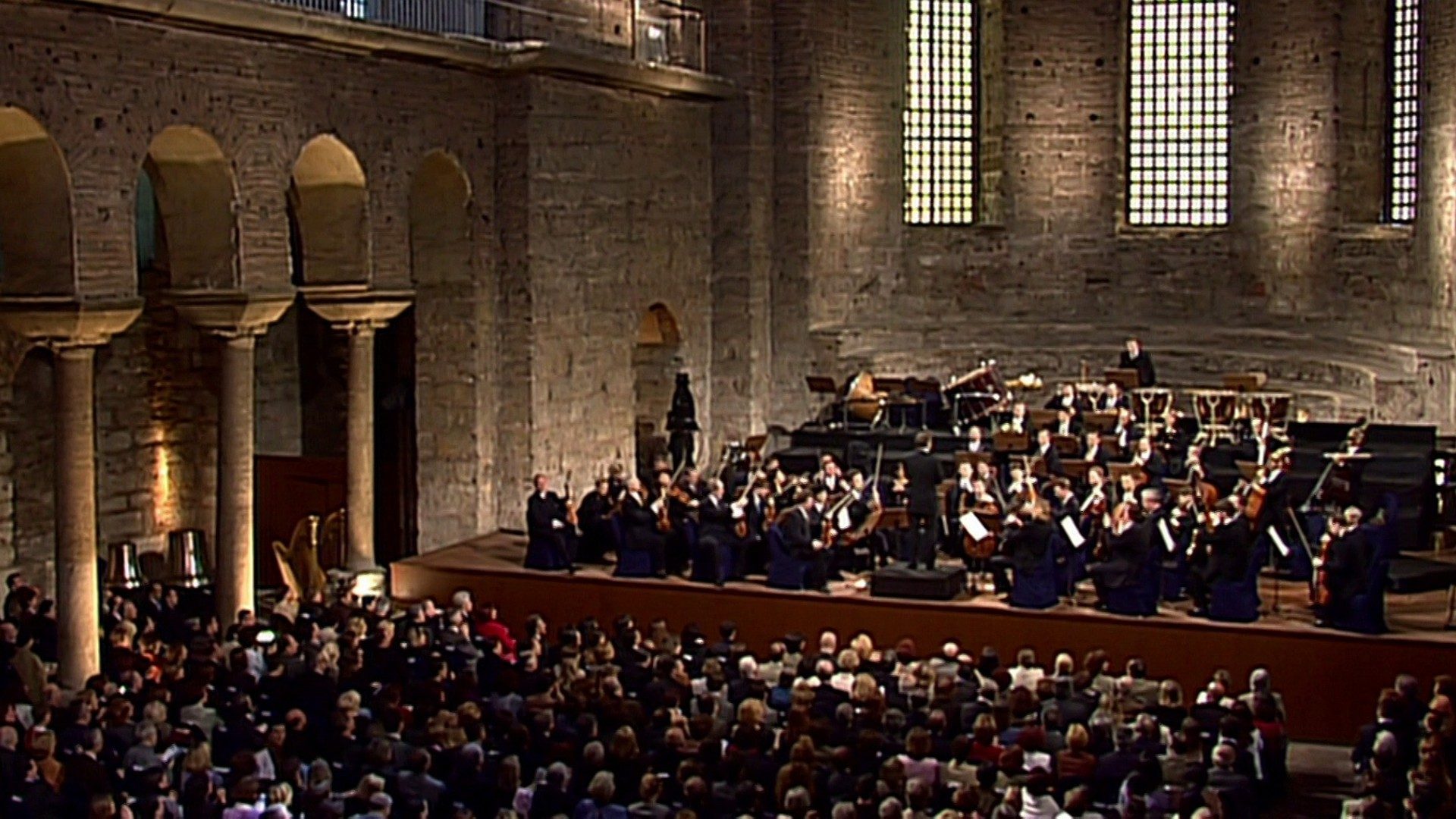
Joseph Haydn (1732-1809): Symphony No. 94 in G major "Surprise" - Wolfgang Amadeus Mozart (1756-1791): Flute Concerto in D major, K. 314 - Hector Berlioz (1803-1869): Symphonie fantastique Op. 14. Emmanuel Pahud (flute), Berliner Philharmoniker conductor: Mariss Jansons. The European Concert has been a tradition of the Berliner Philharmoniker since 1991. The musicians commemorate the anniversary of the orchestra's founding on May 1st, 1882, playing in different European cities. This concert was recorded in the church "Hagia Eirene" in Istanbul, Turkey.
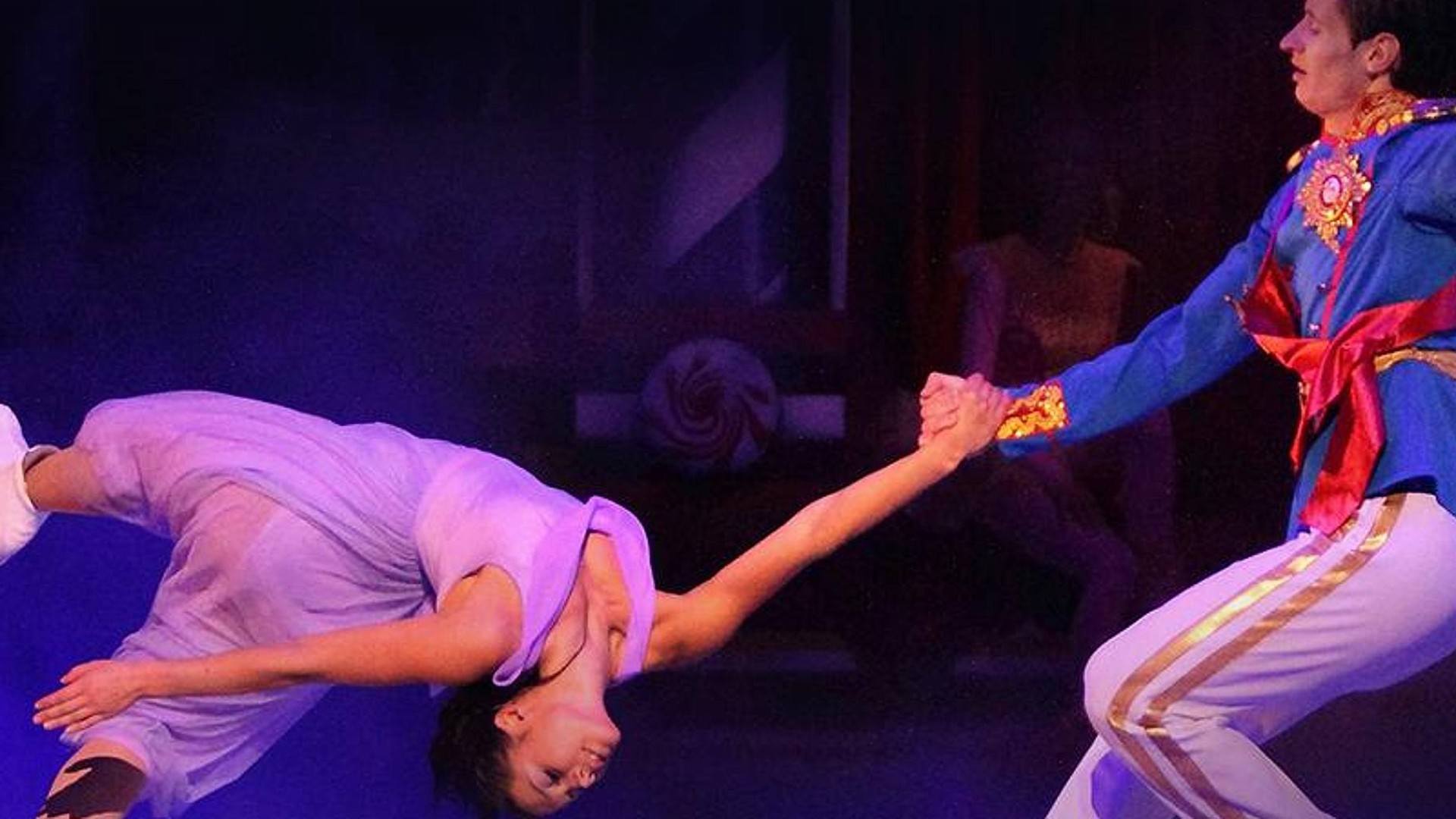
This stunning performance of theatrical ice dancing brings viewers into the enchanting world of Tchaikovsky's magnificent holiday classic, The Nutcracker On Ice, performed by the internationally renowned Imperial Ice Stars, and including former champion figure skaters, Vadim Yarkov and Olga Sharutenko. This very special performance and soundtrack was performed by the Manchester Symphony Orchestra, conducted by Tim A. Duncan, and filmed live in Cape Town, South Africa in 2011.
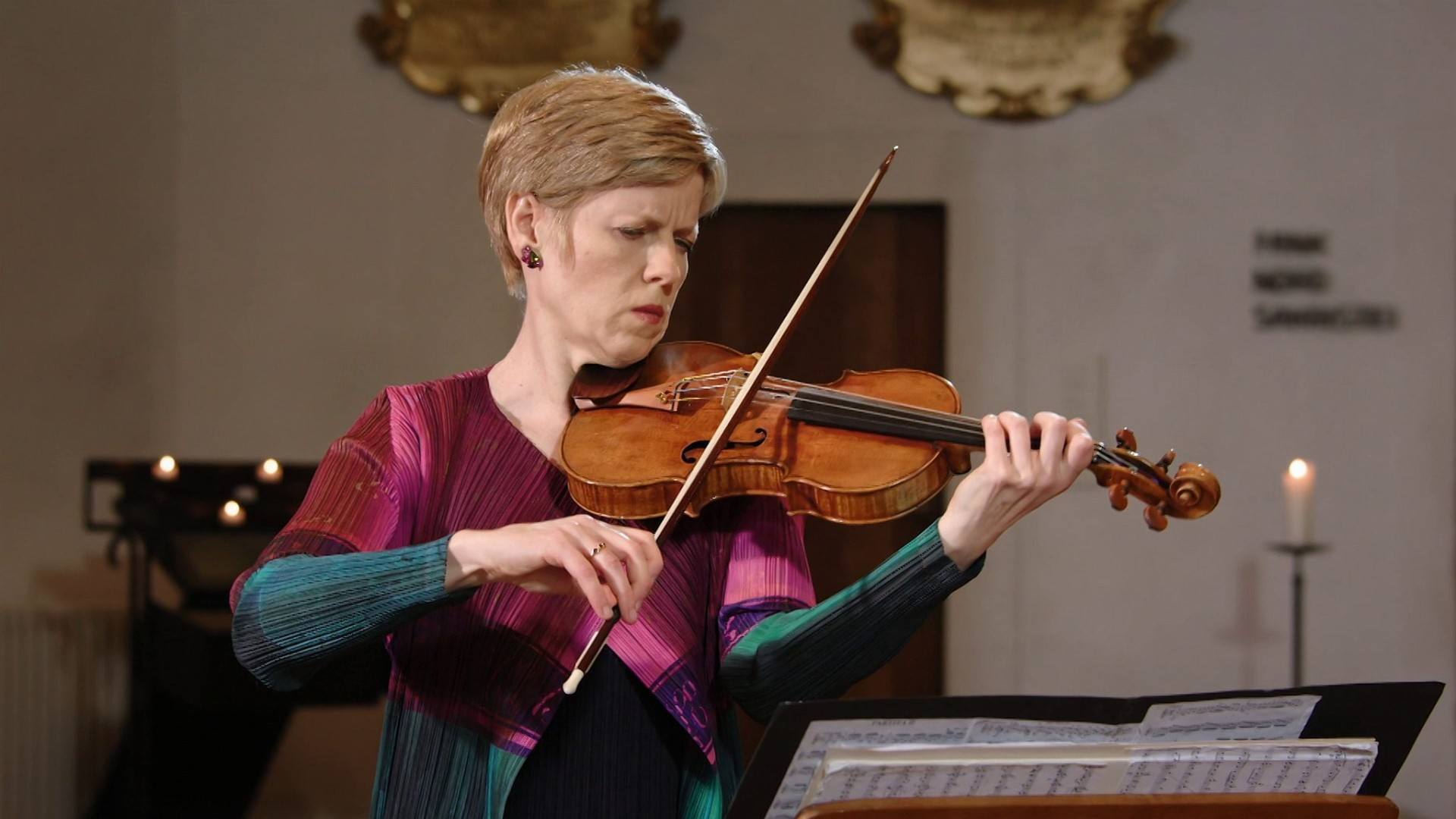
Cinematic classical clips and energizing concert pieces featuring up-and-coming artists.

Roberto Abbado conducts the Filarmonica Arturo Toscanini, the Coro del Teatro Regio di Parma, and four vocal soloists in an outstanding performance of Giuseppe Verdi's Messa da Requiem, recorded at the Parco Ducale di Parma, Italy as part of Festival Verdi 2020. The soloists are soprano Eleonora Buratto, mezzosoprano Anita Rachvelishvili, tenor Giorgio Berrugi, and bass Roberto Tagliavini. When his fellow composer Gioachino Rossini died in 1868, Verdi proposed to compose a ‘Messa per Rossini' in his honor, to be written by himself and several other Italian composers. Verdi wrote the concluding movement, ‘Libera me'. When the premiere was cancelled, the project lay dormant. When Italian poet Alessandro Manzoni passed away a few years later, Verdi revisited his plan to compose a requiem – this time in honor of the poet he so greatly admired. As an opera composer, Verdi knew better than anyone how to infuse the work with drama, as is evident in the revised version of his ‘Libera me'. The famous, powerful ‘Dies Irae' especially stands out, depicting the horrors of the Last Judgement.

Renowned French string quartet Quatuor Ébène marked the 250th birth anniversary of Ludwig van Beethoven (1770-1827) with a remarkable project: recording all of the great composer's sixteen string quartets. For five years, violinists Pierre Colombet and Gabriel Le Magadure, violist Marie Chilemme, and cellist Raphaël Merlin immersed themselves in Beethoven's 650 pages of sheet music. Their efforts culminated in the performance of the composer's complete repertoire for string quartet, which covers three decades of Beethoven's musical creativity, during six impressive concerts at Philharmonie de Paris in the autumn of 2020. Quatuor Ébène explored every facet of Beethoven's string quartet repertoire: from the youthful Opus 18 string quartets to the Razumovsky, Harp, and Serioso quartets (Opus 59, 74, and 95) from his middle period, and finally, the depth of his late quartets (Opus 127 to 135). This program features Quatuor Ébène performing Beethoven's String Quartet No. 2 in G major, Op. 18, No. 2 String Quartet No. 16 in F major, Op. 135 and String Quartet No. 14 in C-sharp minor, Op. 131. This concert was recorded at Philharmonie de Paris on December 16, 2020.

Les Dissonances is a collective of artists founded by violinist David Grimal in 2004. The conductorless ensemble consists of musicians from the most prestigious European orchestras, international soloists, and young talents. In this performance, Les Dissonances play Ludwig van Beethoven's Violin Concerto in D major, Op. 61. Leading violinist Grimal is the soloist. Beethoven's Violin Concerto was composed in 1806 and is the composer's only work in this genre. Its premiere was not very successful, and the work saw few performances in the decades that followed. However, a remarkable performance by 12-year old violinist Joseph Joachim in 1844 gave the Violin Concerto a new lease of life. Ever since, it is one of the most performed works in the genre. As an encore, Grimal performs the Allegro from J. S. Bach's Violin Sonata No. 2 in A minor, BWV 1003. This performance was recorded at Philharmonie de Paris, France, in 2015.

Cinematic classical clips and energizing concert pieces featuring up-and-coming artists.

Salon Romantique à Venise salutes the work of the Palazzetto Bru Zane foundation which aims to contribute to the rediscovery of a neglected part of the French musical heritage running from Louis XVi to WW I. This concert offers a journey into the French romantic repertoire performed by pianist David Violi (piano), Jodie Devos (soprano) and Anaik Morel (mezzo-soprano). The program contains some of the most beloved French arias, such as 'Seguedille' from Bizet's Carmen by Bizet, the Flower Duet from Delibes' Lakmé and 'Mon cœur s'ouvre à ta voix' from Saint-Saëns Samson et Dalila. Recorded at the Palazzetoo Bru Zane in Venice, Italy in 2016.
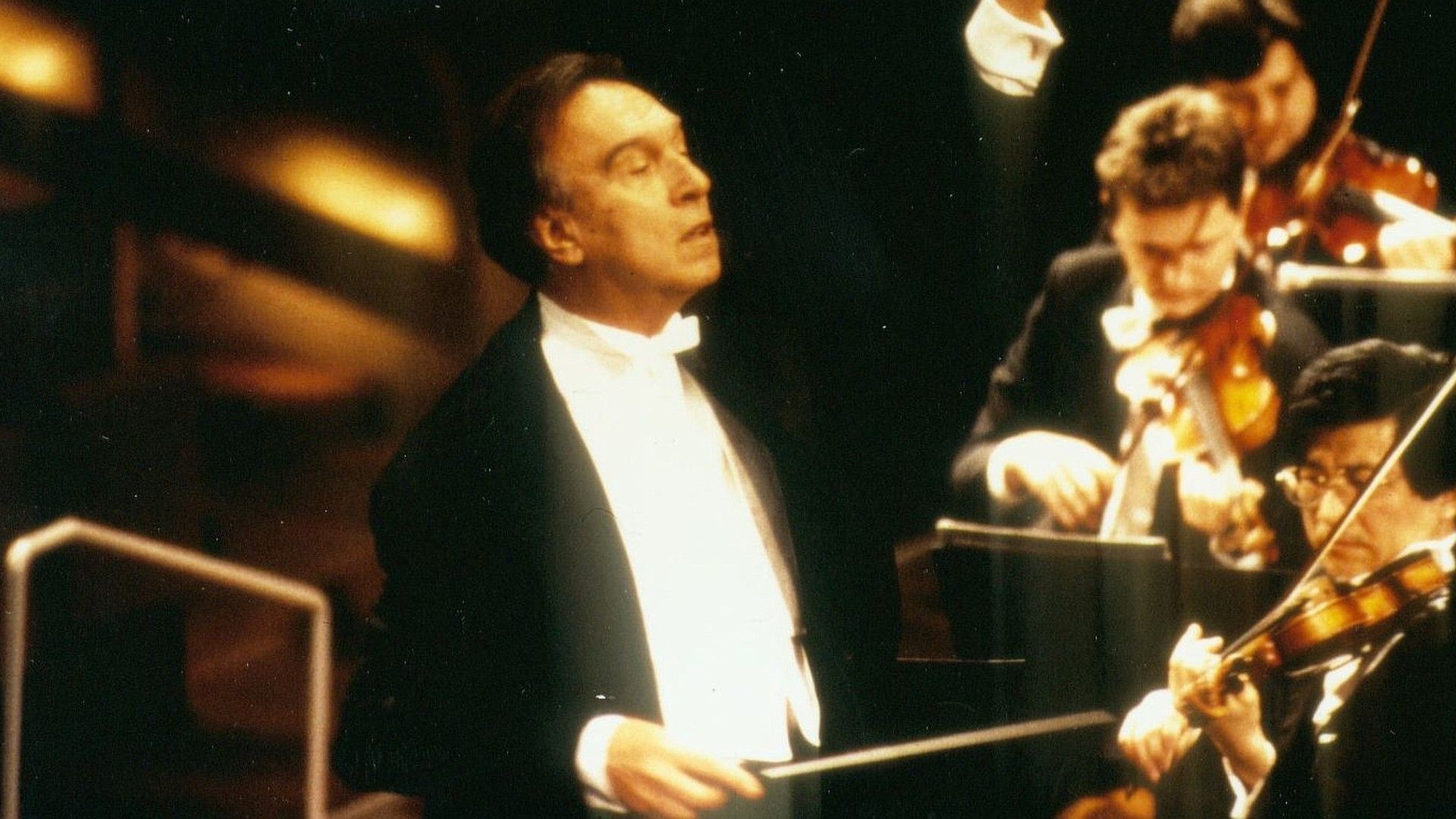
Featuring W. A. Mozart and Giuseppe Verdi, love is the theme of this 1998 New Year's Eve concert. Maestro Claudio Abbado selected two of the best Mozart interpreters, Christine Schäfer and Simon Keenlyside, for this traditionally meaningful event. Marcelo Álvarez from Argentina, who some compare to a young Domingo, sings highlights of the tenor repertoire, and Italian prima donna Mirella Freni tops the occasion with a breath-taking performance of the letter scene from Pyotr Ilyich Tchaikovsky's Eugen Onegin.
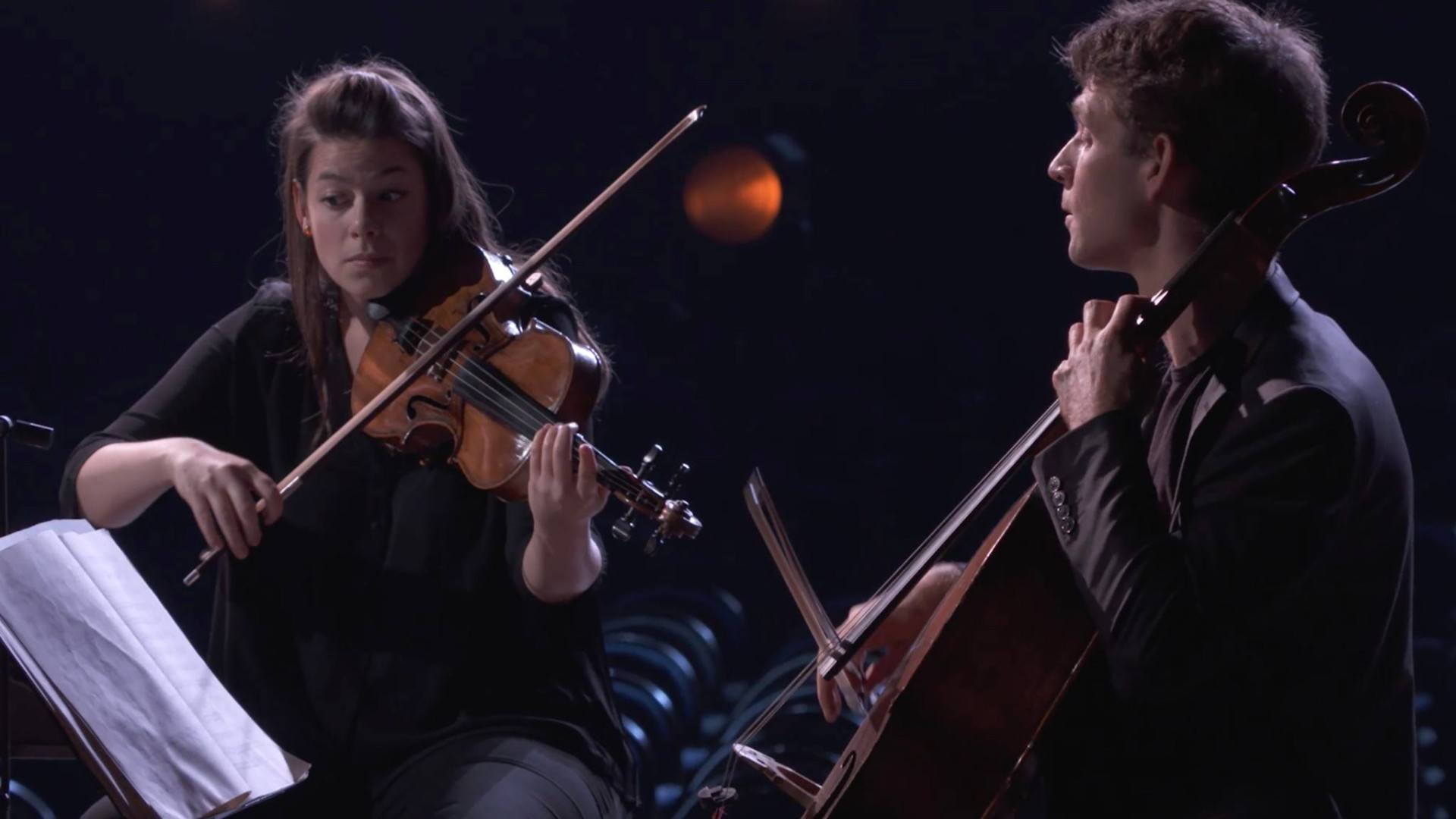
Renowned French string quartet Quatuor Ébène marked the 250th birth anniversary of Ludwig van Beethoven (1770-1827) with a remarkable project: recording all of the great composer's sixteen string quartets. For five years, violinists Pierre Colombet and Gabriel Le Magadure, violist Marie Chilemme, and cellist Raphaël Merlin immersed themselves in Beethoven's 650 pages of sheet music. Their efforts culminated in the performance of the composer's complete repertoire for string quartet, which covers three decades of Beethoven's musical creativity, during six impressive concerts at Philharmonie de Paris in the autumn of 2020. Quatuor Ébène explored every facet of Beethoven's string quartet repertoire: from the youthful Opus 18 string quartets to the Razumovsky, Harp, and Serioso quartets (Opus 59, 74, and 95) from his middle period, and finally, the depth of his late quartets (Opus 127 to 135). This program features Quatuor Ébène performing Beethoven's String Quartet No. 3 in D major, Op. 18 No. 3 String Quartet No. 11 in F minor, Op. 95, “Quartetto Serioso” and String Quartet No. 8 in E minor, Op. 59, No. 2, "Razumovsky". This concert performance was recorded at Philharmonie de Paris on November 23, 2020.

Cinematic classical clips and energizing concert pieces featuring up-and-coming artists.

Les Dissonances is a collective of artists founded by violinist David Grimal in 2004. The conductorless ensemble consists of musicians from the most prestigious European orchestras, international soloists, and young talents. In this performance, Les Dissonances play Wolfgang Amadeus Mozart's Violin Concerto No. 5 in A major, K. 219, also known as the ‘Turkish Concerto'. Leading violinist Grimal features as the soloist. With the exception of the first violin concerto, Mozart composed his other four violin concertos in 1775 at a time when he was concertmaster at the Salzburg court. It is the third and final movement that gives Concerto No. 5 its nickname, the ‘Turkish Concerto'. This movement features a striking middle section of ‘Turkish music', which the composer achieves not only by changing the meter, and the mode to minor, but also by letting the cellos and basses play col legno - creating a percussive sound with the wood of their bow. This performance was recorded at Cité de la Musique, France, in 2014.
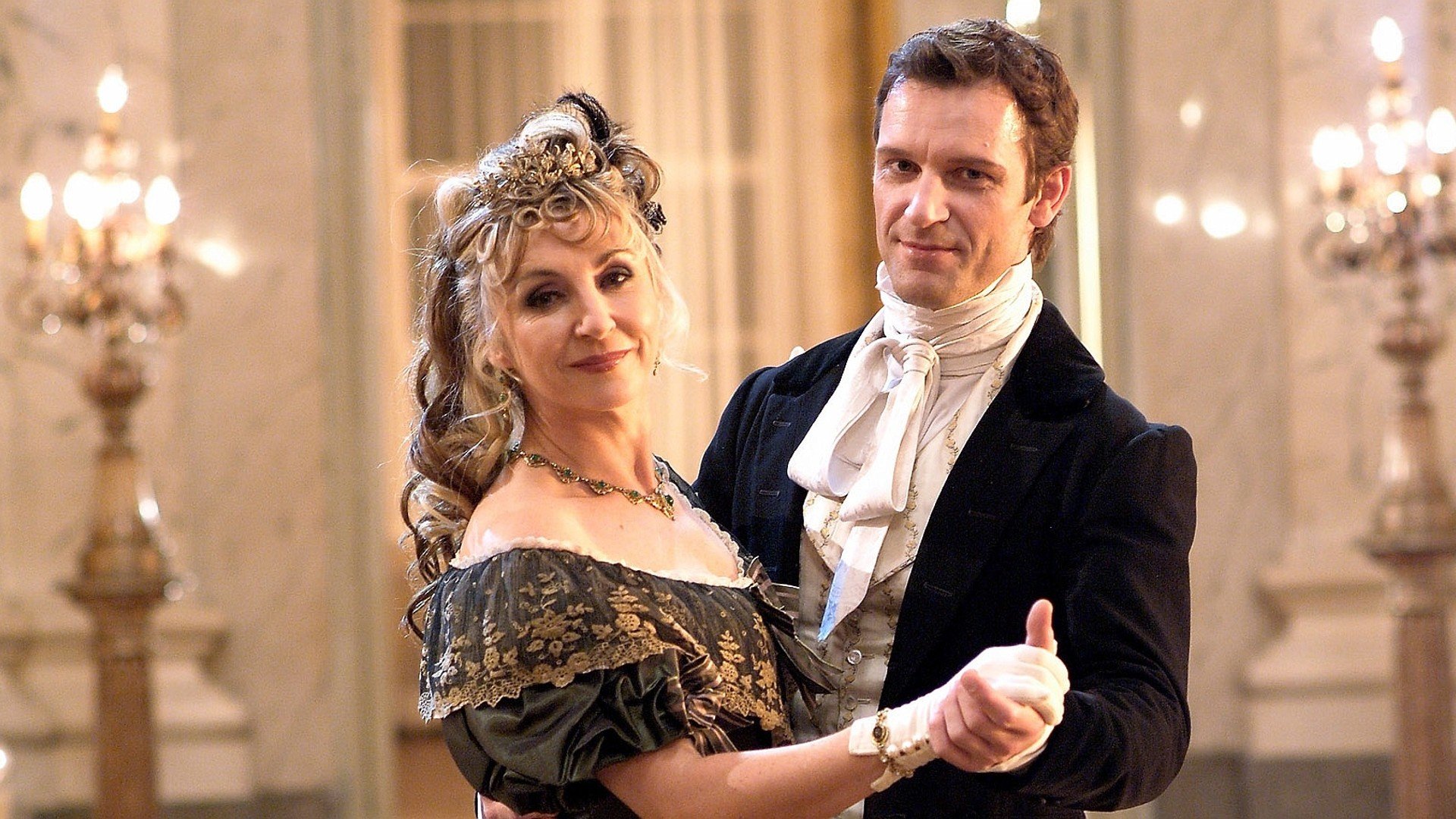
A Night in Vienna recreates the magical atmosphere of 19th century Viennese ballrooms. In the breathtaking surroundings of Vienna's Hofburg Palace, the Wiener Akademie period orchestra, conducted by Alfred Eschwe, plays some of the Strauss family's and Joseph Lanner's favorite pieces, including "The Beautiful Blue Danube", "Tritsch-Tratsch-Polka", and the "Radetzky March". Former residence of the Habsburg dynasty, the Hofburg contained the apartments of Emperor Franz Joseph and Empress Elizabeth. A Night in Vienna features soloist Lesley Garrett, the most popular soprano from the UK. The spirit of the Strauss era is perfectly recreated by the addition of waltz dancers adorned with historical costumes. This concert was presented in 2004, under the direction of David Amphlett.

Daniel Harding leads the Orchestra and Choir of the Maggio Musicale Fiorentino and four vocal soloists in a magnificent performance of Wolfgang Amadeus Mozart's Requiem in D minor, K. 626. The soloists are soprano Christiane Karg, mezzosoprano Sara Mingardo, tenor Matthew Swensen, and bass Gianluca Buratto. The Austrian Count Walsegg commissioned Mozart to compose a Requiem in July 1791 to commemorate his late wife, Anna. At the time, Mozart was busy working on his operas La clemenza di Tito and The Magic Flute. By the time he started on the Requiem, in the fall of that same year, his health was seriously declining. Mozart passed away in December 1791, leaving the Requiem uncompleted. His pupil Franz Xaver Süssmayr completed Mozart's swan song in the form known today, based on Mozart's sketches and possibly verbal instructions. This performance was recorded at Teatro del Maggio Musicale Fiorentino in Florence, Italy, in 2021.
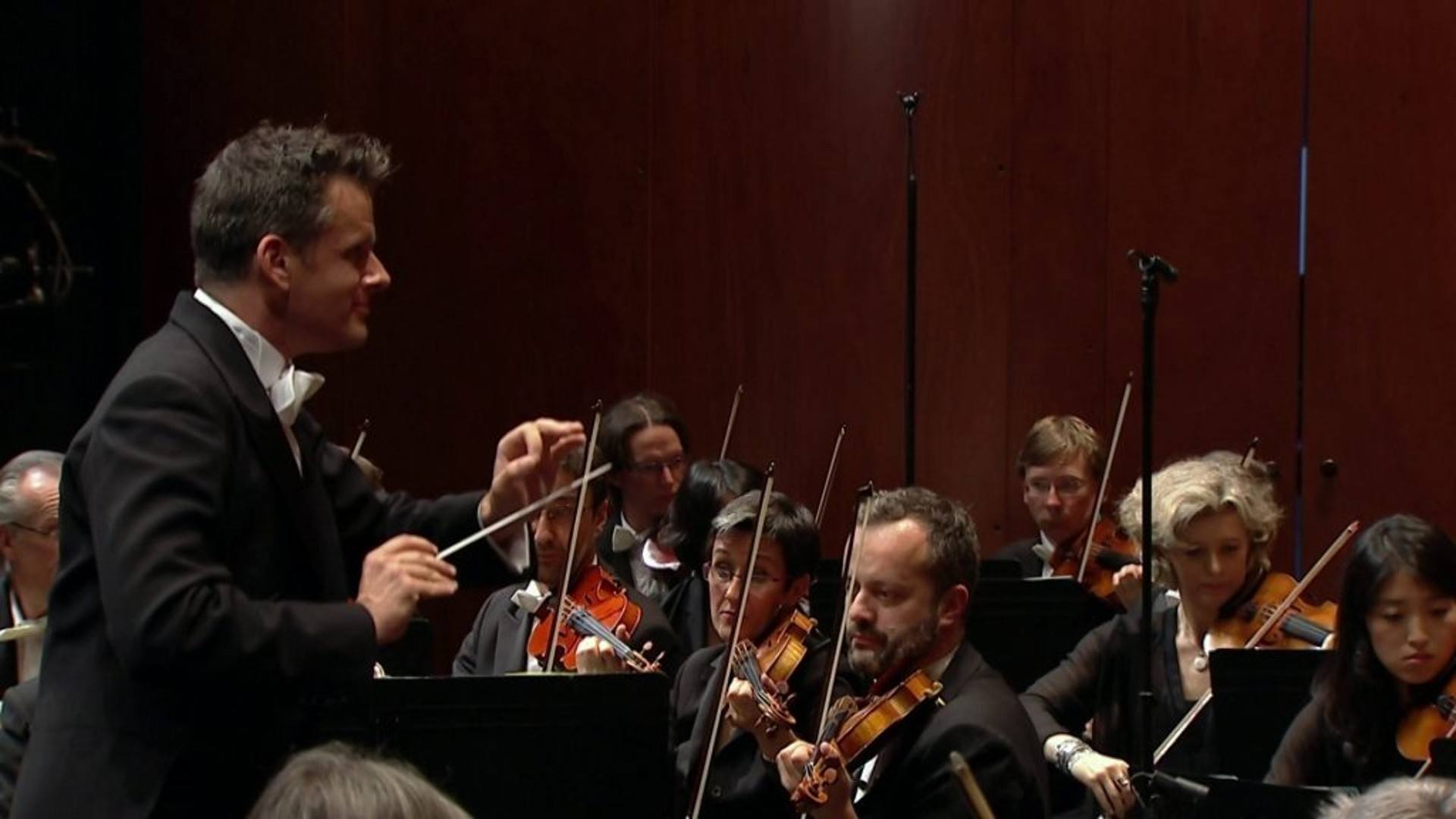
Swiss conductor Philippe Jordan and the Orchestre de l'Opéra national de Paris recorded all of Ludwig van Beethoven's symphonies in 2014-2015. In this program, Jordan conducts Beethoven's Symphony No. 8 in F major, Op. 93. Beethoven wrote the work in 1812 upon completion of his Symphony No. 7. The composer conducted the February 27, 1814 première at a concert in Vienna that also included a reprise performance of his Symphony No. 7 and his 15-minute orchestral piece Wellington's Victory, Op. 91. The shortest of Beethoven's nine symphonies, Symphony No. 8 lacks a truly slow movement. Instead it has a second movement, Allegretto scherzando, that features a steady ‘ticking' rhythm maintained by the woodwinds throughout the movement. This is thought to be an imitation of the Andante movement of Joseph Haydn's ‘Clock' Symphony. Jordan's performance was recorded at Opéra Bastille in Paris, France, in 2015.

The Collegium Vocale Gent has built its reputation as one of the world's most prestigious choirs. Founded by conductor Philippe Herreweghe, their lively, musical approach strives for an authentic sound. This concert was recorded on December 23, 2015, at the Church of Saint-Roch in Paris. Owing to J. S. Bach's function as the Thomaskantor, the leading cantorate of Protestant Germany at the time, he composed many cantatas for the Lutheran liturgy. These Christmas cantatas are an invitation to reflect on the nature of Christmas. The orchestration evokes feelings of splendor while the counterpoint also carries on a festive mood. The wind instruments act as glorious messengers of joy and the soloists proclaim that the glory brings light. This unique program, consisting of the four cantatas BWV 40, 62 , 63 and 91, offers an elegant and very delicate interpretation of these works. Under the baton of Philippe Herreweghe, the Collegium Vocale delivers an interpretation free of exaggeration or vanity yet full of humility. A glorious concert in the spirit of Christmas.
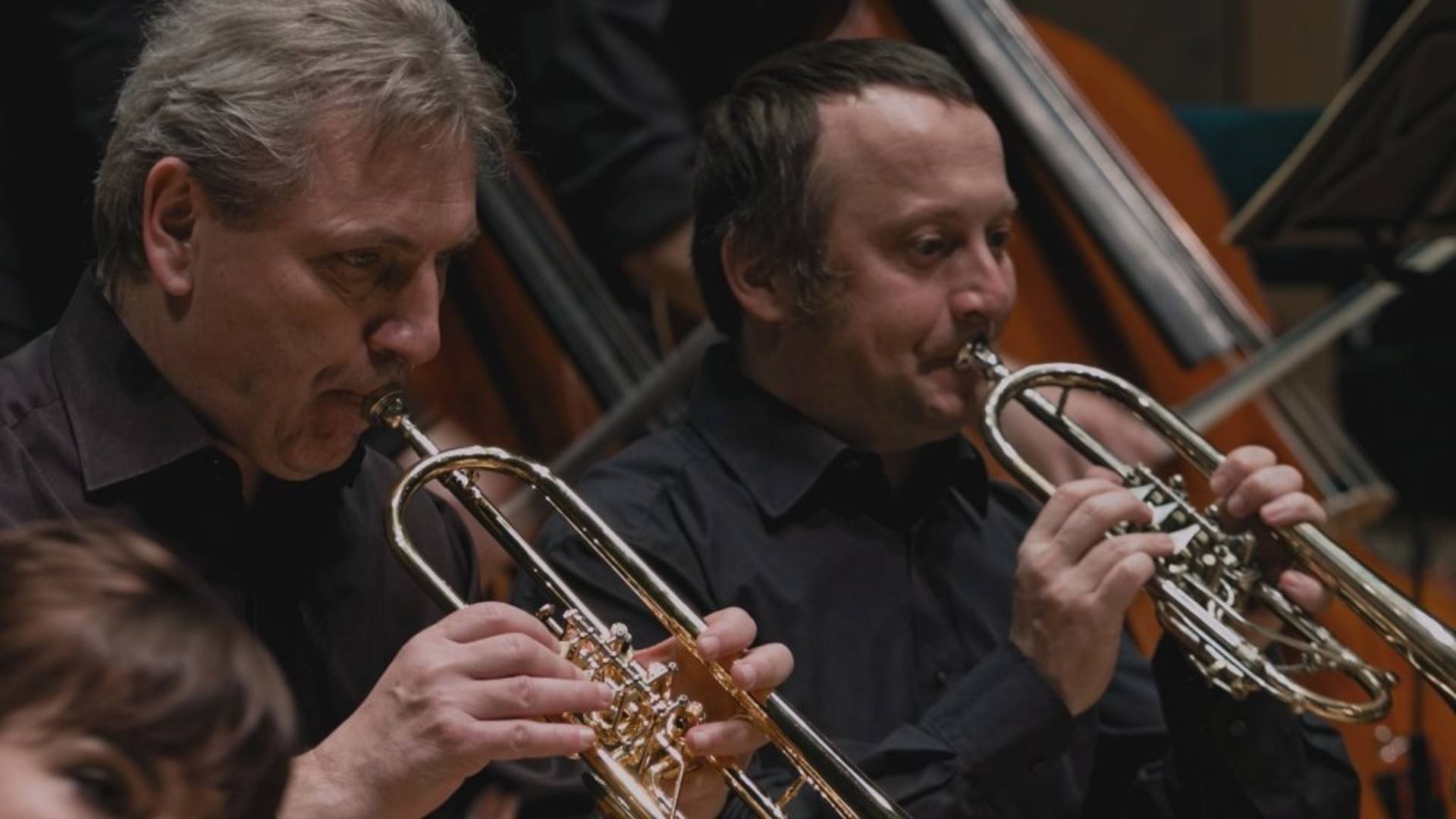
Les Dissonances is a collective of artists founded by violinist David Grimal in 2004. The conductorless ensemble consists of musicians from the most prestigious European orchestras, international soloists, and young talents. In this performance, Les Dissonances present Johannes Brahms's Symphony No. 2 in D major, Op. 73. Whereas it took the composer over a decade to complete his first symphony, he penned his Symphony No. 2 in just a few months, during his summer sojourn in the restful Austrian village of Pörtschach in 1877. Nicknamed his ‘Pastoral' symphony, the work is arguably the most sunny and optimistic of Brahms's four symphonies. Lyrical in character, it features joyful melodies. This performance was recorded at Philharmonie de Paris, France, in 2015.