
Attenborough and the Giant Dinosaur
David Attenborough investigates the discovery of a giant dinosaur find in Argentina.
2026-01-27 13:08:28 +0000 UTC→2026-01-27 14:10:59 +0000 UTC(1h2m)
David Attenborough investigates the discovery of a giant dinosaur find in Argentina.

A look at the science supporting Darwin's idea that humans have an ancestral connection with the ape.
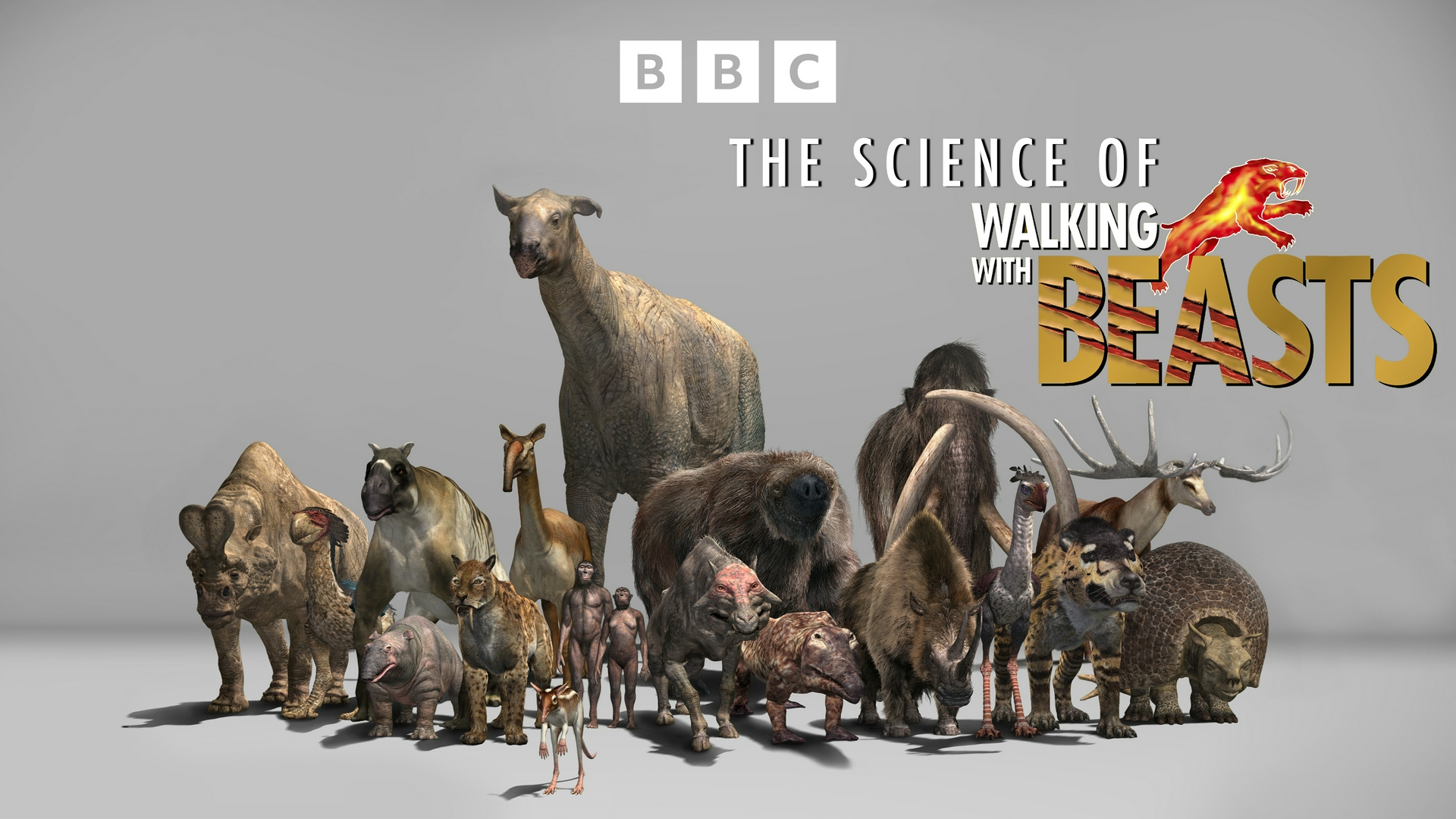
The 120-million-year reign of the dinosaurs ended when mammals became the fiercest creatures on the planet.

Dr Alice Roberts finds out how the experts put dinosaur skeletons back together.

The awesome power of the Tyrannosaurus Rex and the Triceratops are recreated.

A documentary following the investigation of a 4,000-year-old body found preserved in a bog.

How attention turned from civilization and kings to the search for the common man.

How discoveries in the 18th century overturned ideas of when and where civilization began.

Richard Miles explores how archaeology began by trying to prove a biblical truth.

In the last of the series, Richard Miles examines the rise and fall of the Roman Empire.

David Attenborough investigates the discovery of a giant dinosaur find in Argentina.

Unraveling the secrets of the 5,000-year-old corpse found frozen in an Alpine glacier.

According to new evidence, the Woolly Mammoth went on roaming until about the time the Pyramids were built.

Thousands of years ago, tar slicks entombed the most spectacular animals ever to walk the continent.

A herd of mammoths head south for winter, running a gauntlet of ice-age hunters.

The largest of all the sabre tooth cats roamed South America one million years ago.

Three million years ago, Ethiopia was home of the ape-man Australopithecus and the sabre-toothed Dinofelis.

Twenty five million years ago lived the Indricotheres - the largest land mammals of all time.

Richard Miles traces the roots of civilization in Iraq, Syria, Egypt, Anatolia and Greece.

A herd of mammoths head south for winter, running a gauntlet of ice-age hunters.