
Truth About Killer Dinosaurs
The awesome power of the Tyrannosaurus Rex and the Triceratops are recreated.
2026-01-29 14:16:09 +0000 UTC→2026-01-29 15:25:31 +0000 UTC(1h9m)
The awesome power of the Tyrannosaurus Rex and the Triceratops are recreated.

A documentary following the investigation of a 4,000-year-old body found preserved in a bog.

How attention turned from civilization and kings to the search for the common man.

How discoveries in the 18th century overturned ideas of when and where civilization began.

Richard Miles explores how archaeology began by trying to prove a biblical truth.

In the last of the series, Richard Miles examines the rise and fall of the Roman Empire.

Richard Miles traces the roots of civilization in Iraq, Syria, Egypt, Anatolia and Greece.

A herd of mammoths head south for winter, running a gauntlet of ice-age hunters.

The largest of all the sabre tooth cats roamed South America one million years ago.
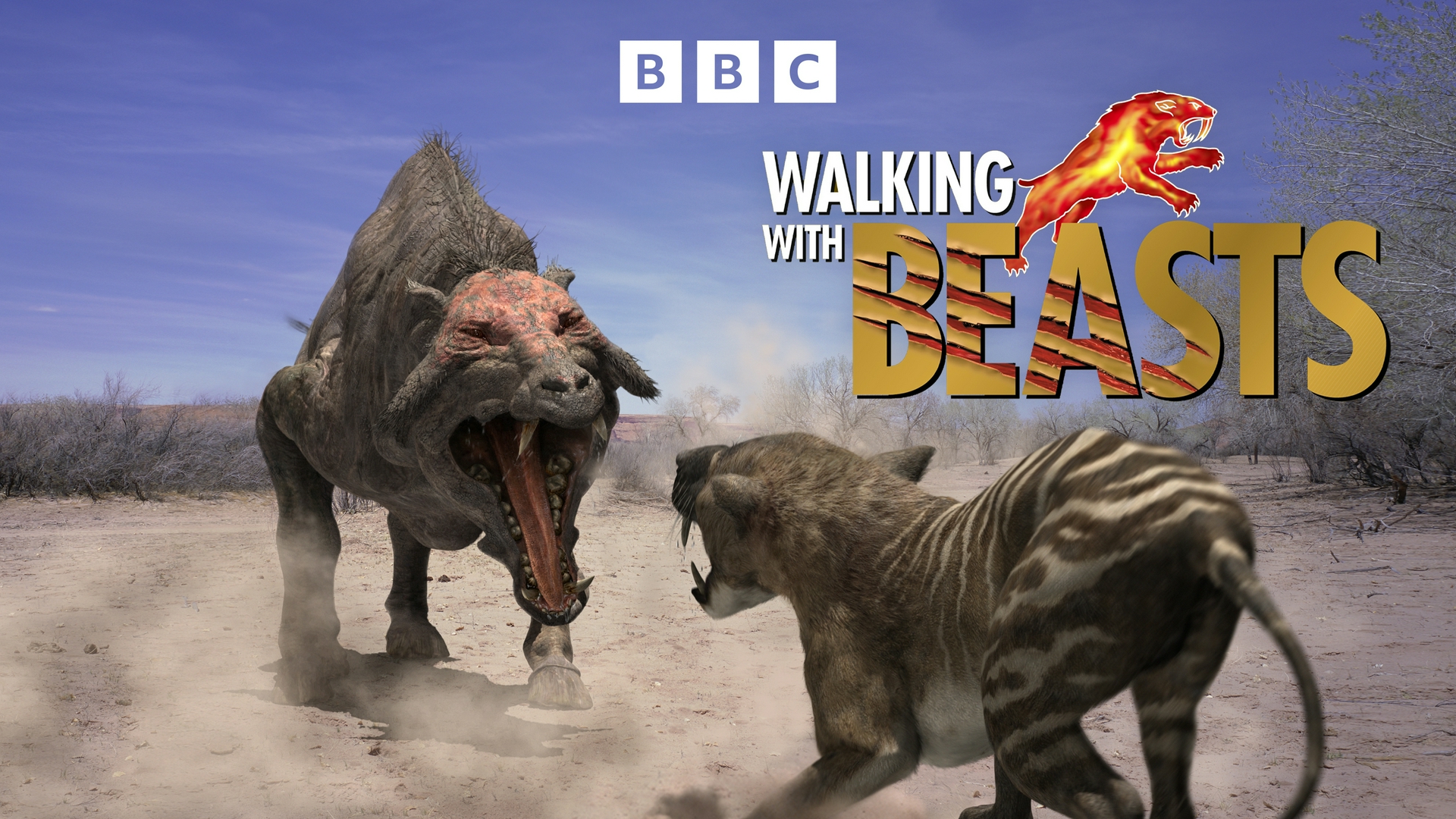
Three million years ago, Ethiopia was home of the ape-man Australopithecus and the sabre-toothed Dinofelis.

Twenty five million years ago lived the Indricotheres - the largest land mammals of all time.

In the sea, 36 million years ago the most monstrous mammals can be found.
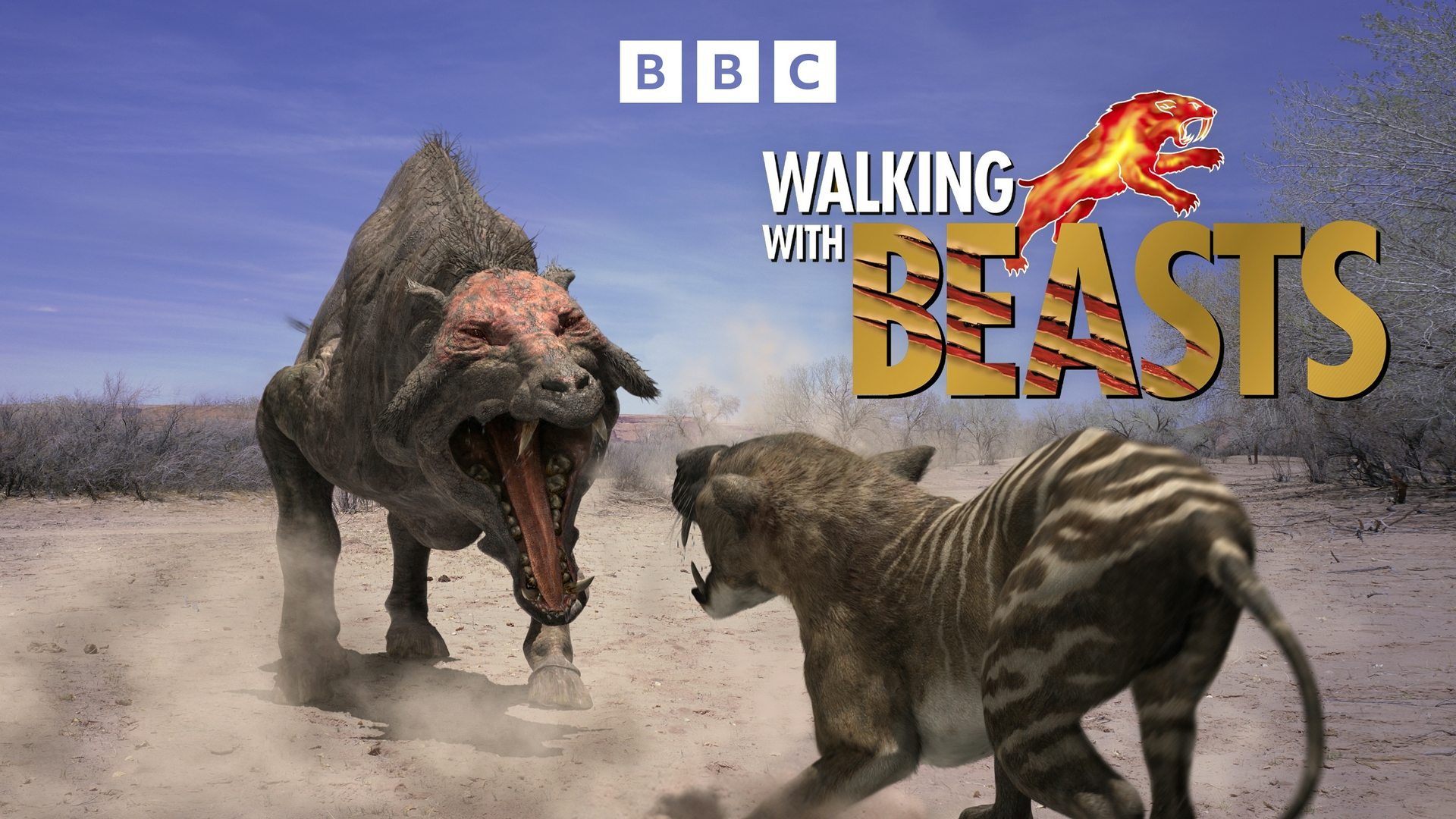
Forty-nine million years ago, the world was heavily forested and birds ruled the planet.

This episode's featured species are the leaellynasaura and the tyrannosaurus.

This episode's featured species are the opthalmosaurus and the ornithocheirus.

This episode's featured species are the coelophysis and the diplodocus.

David Attenborough explores why dinosaurs vanished while reptiles like crocodiles and turtles survived.

The ancient powers must get rich by trading their treasures and monetizing their assets.

In an unpredictable world, our ancient powers must lay down their foundations.

In a brutal world where nature is both friend and foe, our ancient powers take shape.