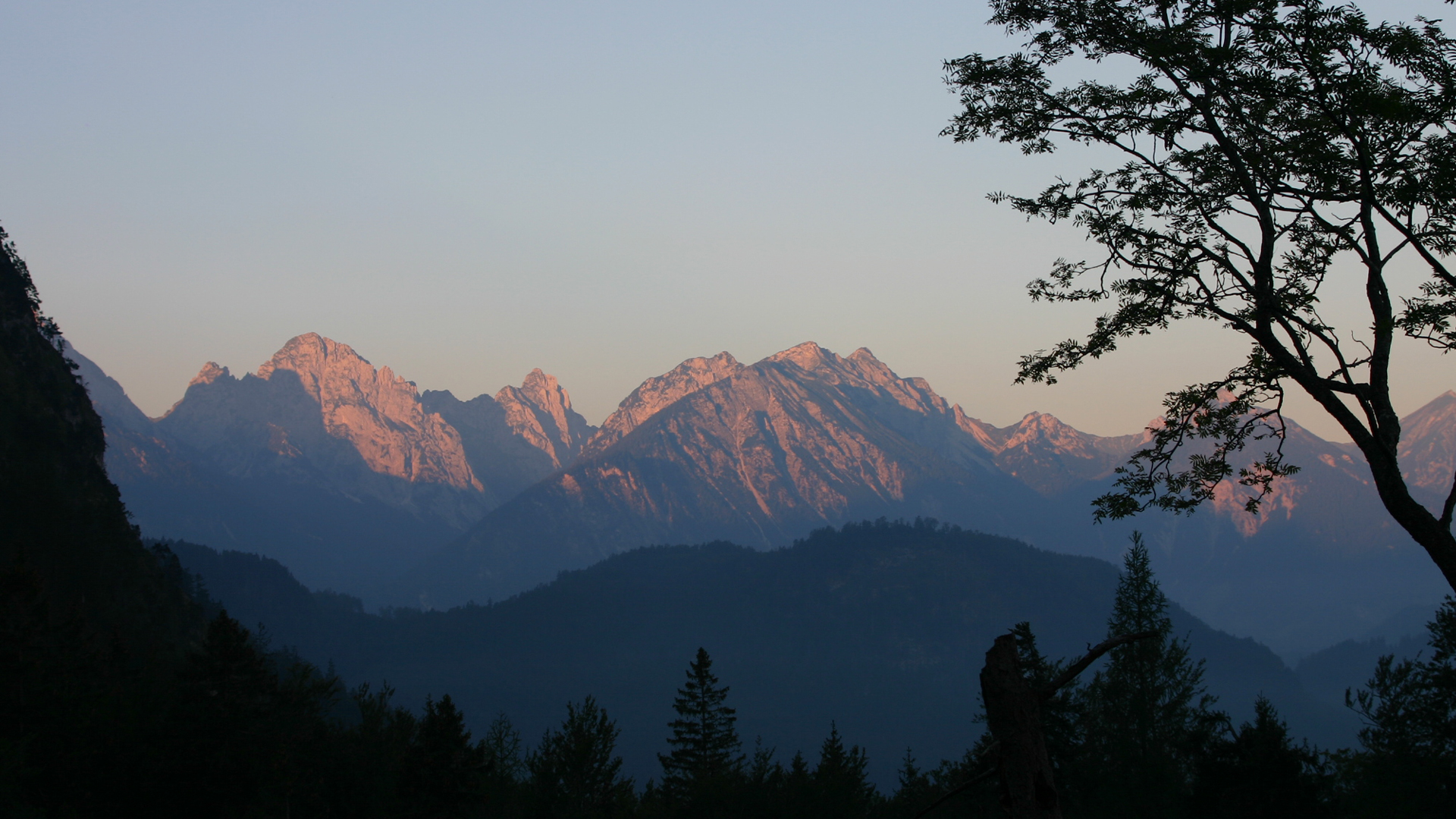
Wild Bavaria
Mighty and mysterious, King Watzmann sits above Germany's only alpine national park.
2025-12-04 03:50:05 +0000 UTC → 2025-12-04 04:40:42 +0000 UTC
(50m)
Mighty and mysterious, King Watzmann sits above Germany's only alpine national park.
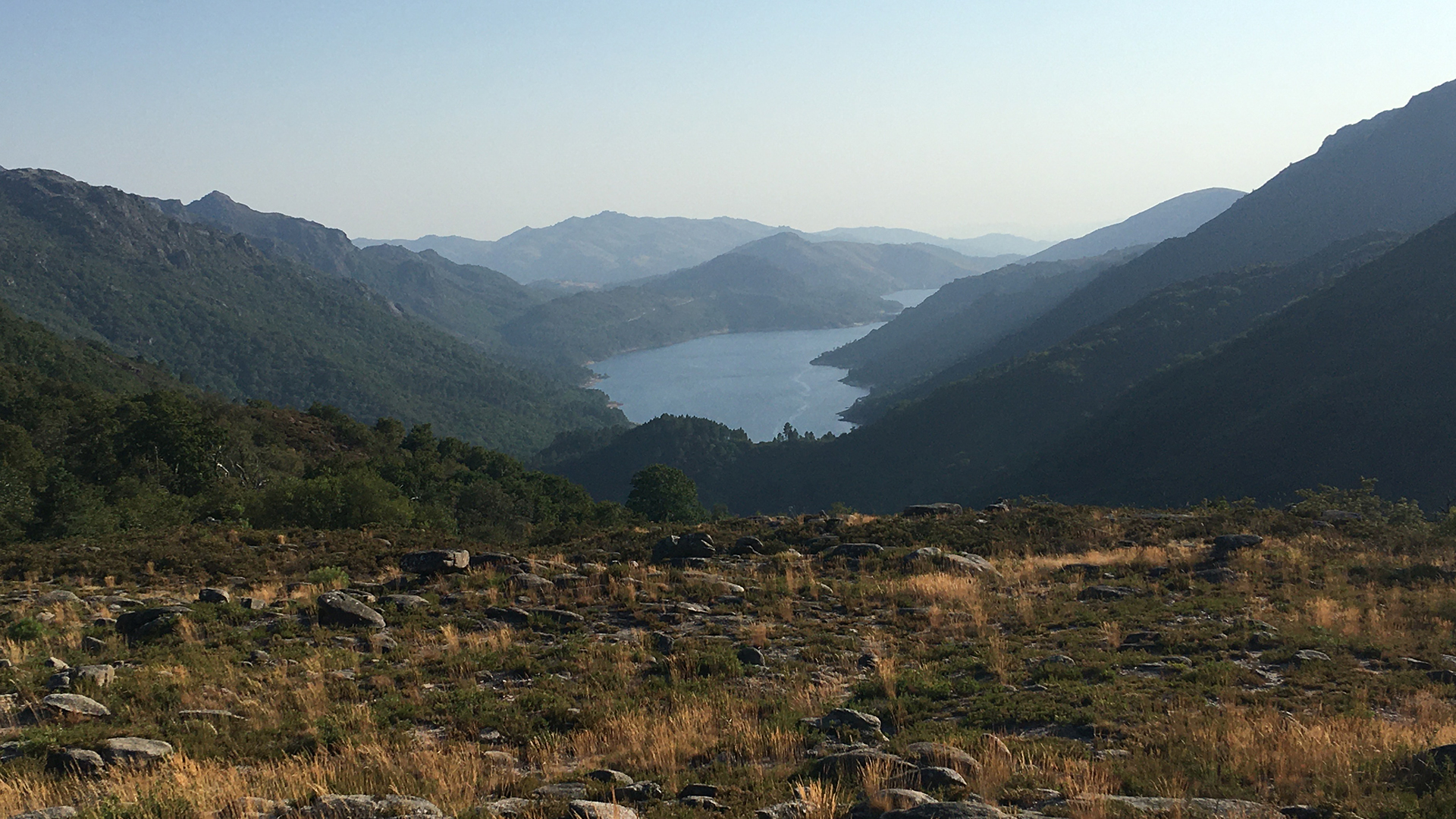
The Parque Nacional Peneda-Gerês is the only national park in Portugal. An area of almost 700 square kilometers, located in the extreme north of Portugal. Barren and rocky ridges in the plateaus, contrast with large forests and lush ground vegetation in deep valleys, crossed by lakes and rivers. The park is known for its oak forests, which are predominantly pedunculate and Pyrenean oaks. Among the typical animals of the park are the small Garrano ponies, a very old breed of horse and the only one in Europe that still lives in the wild.
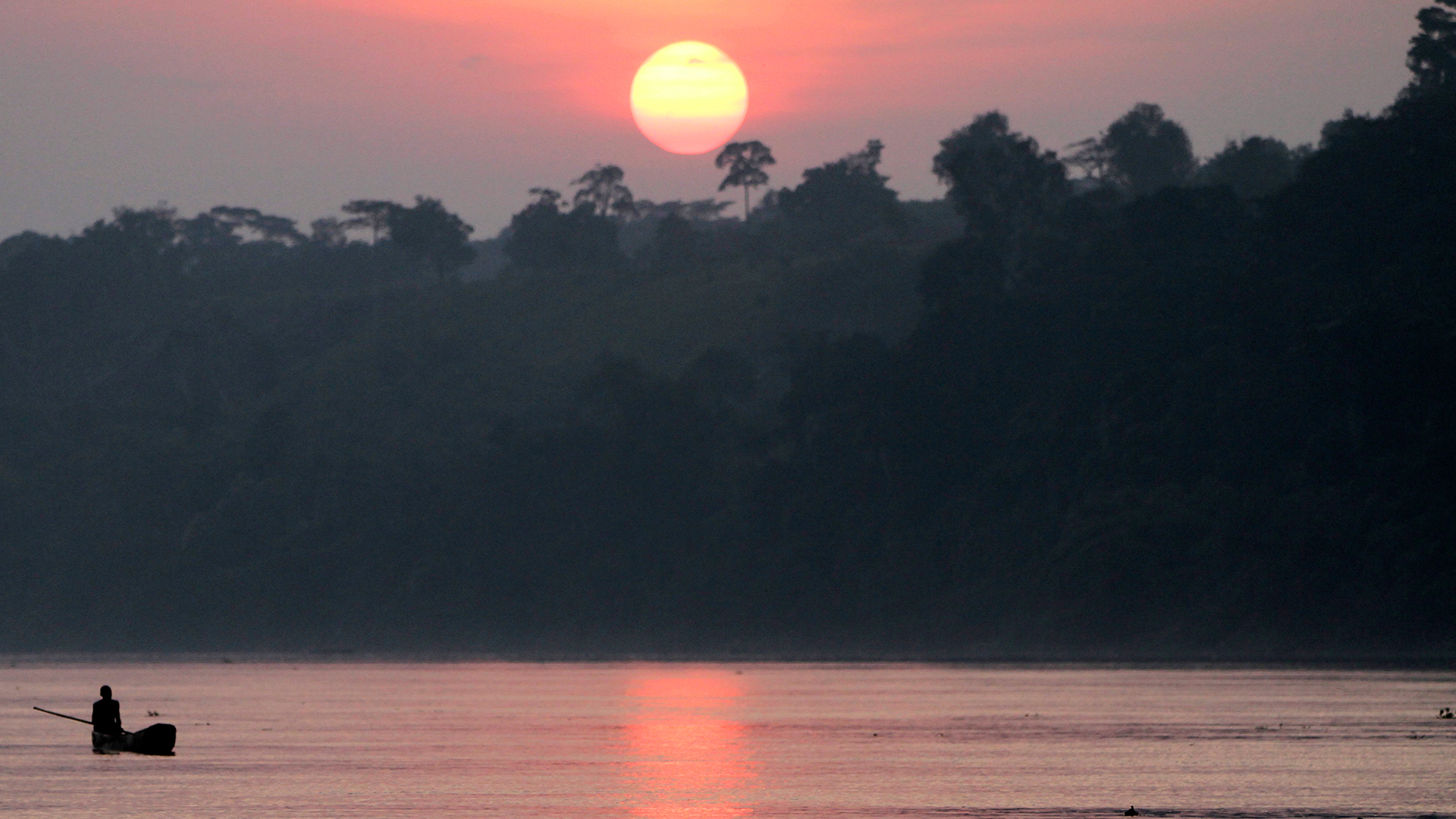
The river that swallows all rivers - this is what the natives call it. In reality, the Congo, when considering its water masses, is the second largest and the deepest river in the world. At its source in the north of Zambia, it starts out as a mere trickle, but on its journey westwards it grows and grows, becoming ever mightier and with it, the animals, too: the shoebill stork hides in the dense papyrus. Metre-long pythons hunt for their prey in trees and huge hippos fight for power and respect in the water. To survive in the Congo, animals have to adapt to extreme conditions. Here, evolution has spawned unique creatures: fish with lungs, wings and those that go hunting on land. The Congo River feeds the second largest rainforest on earth. Here is the home of the forest elephant. Time and again, they are summoned to this one, magic place: the Dzanga Bay. Countless other forest dwellers join them. What makes this place so special?
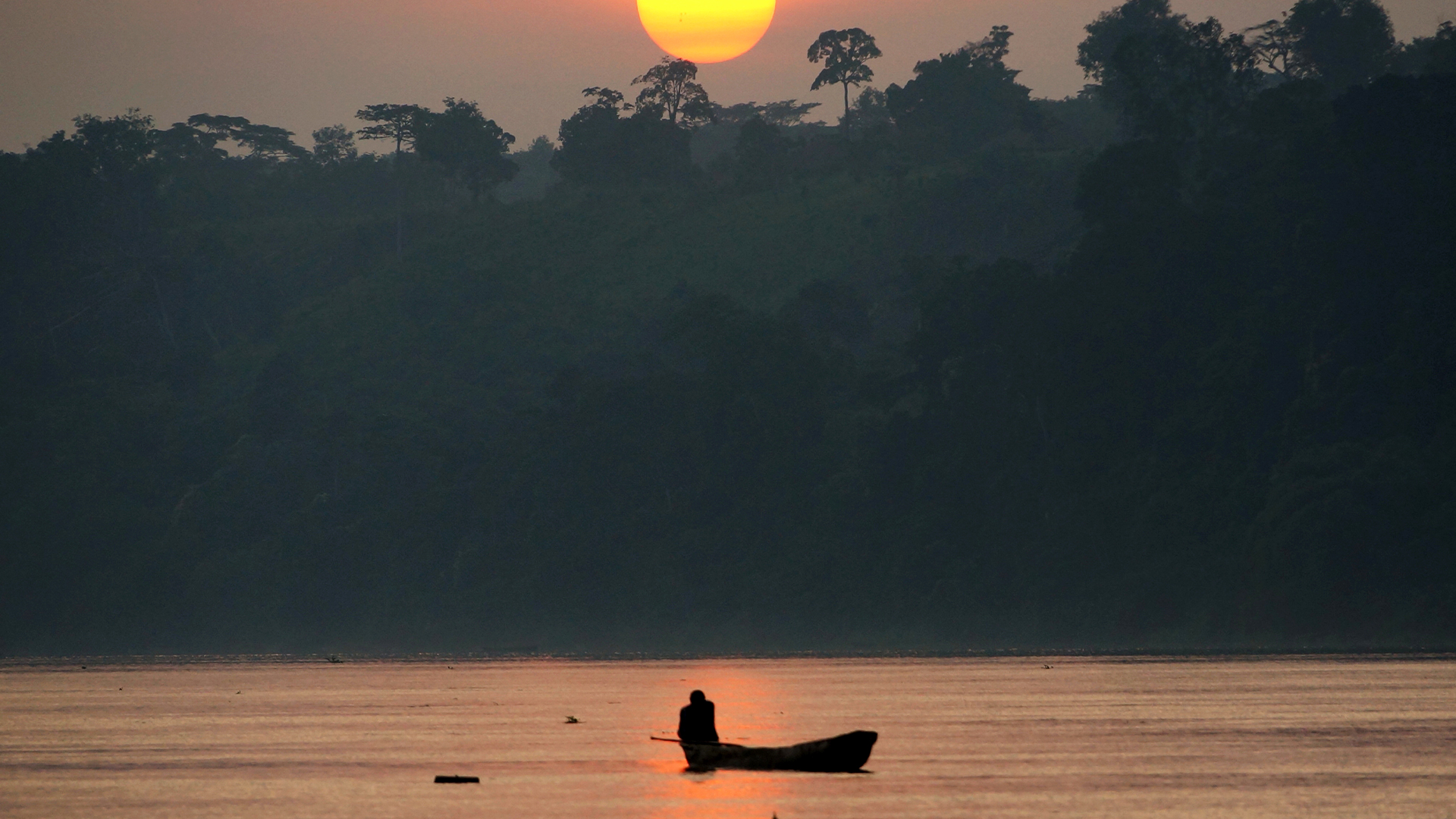
The Congo, mighty and deep like no other river - yet still a retreat and a habitat for several of our world's strangest animals. Our closest relatives live deep inside the dense jungles: three of the four giant ape species have made the Congo basin their home. Rich in extraordinary footage, the second episode of "Myths of the Congo" also presents exciting insights into one of the most mysterious and dangerous regions on earth.
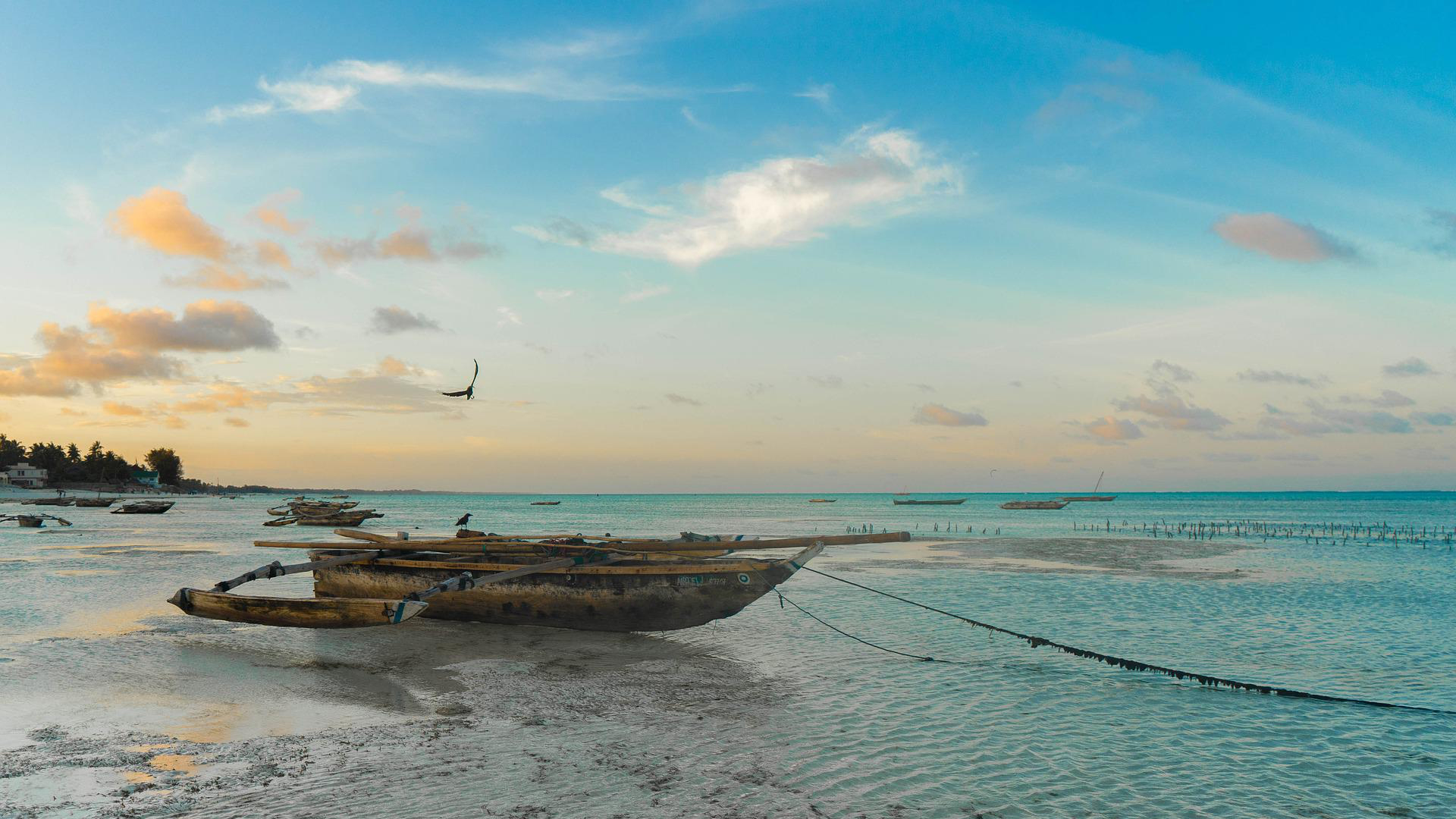
Cape Verde – the islands of Saudade, of longing. For Stéphane and Richard it was a journey full of adventure, unforgettable encounters and magnificent photographs. Director Christian Schidlowski and his team accompanied them on their trip.
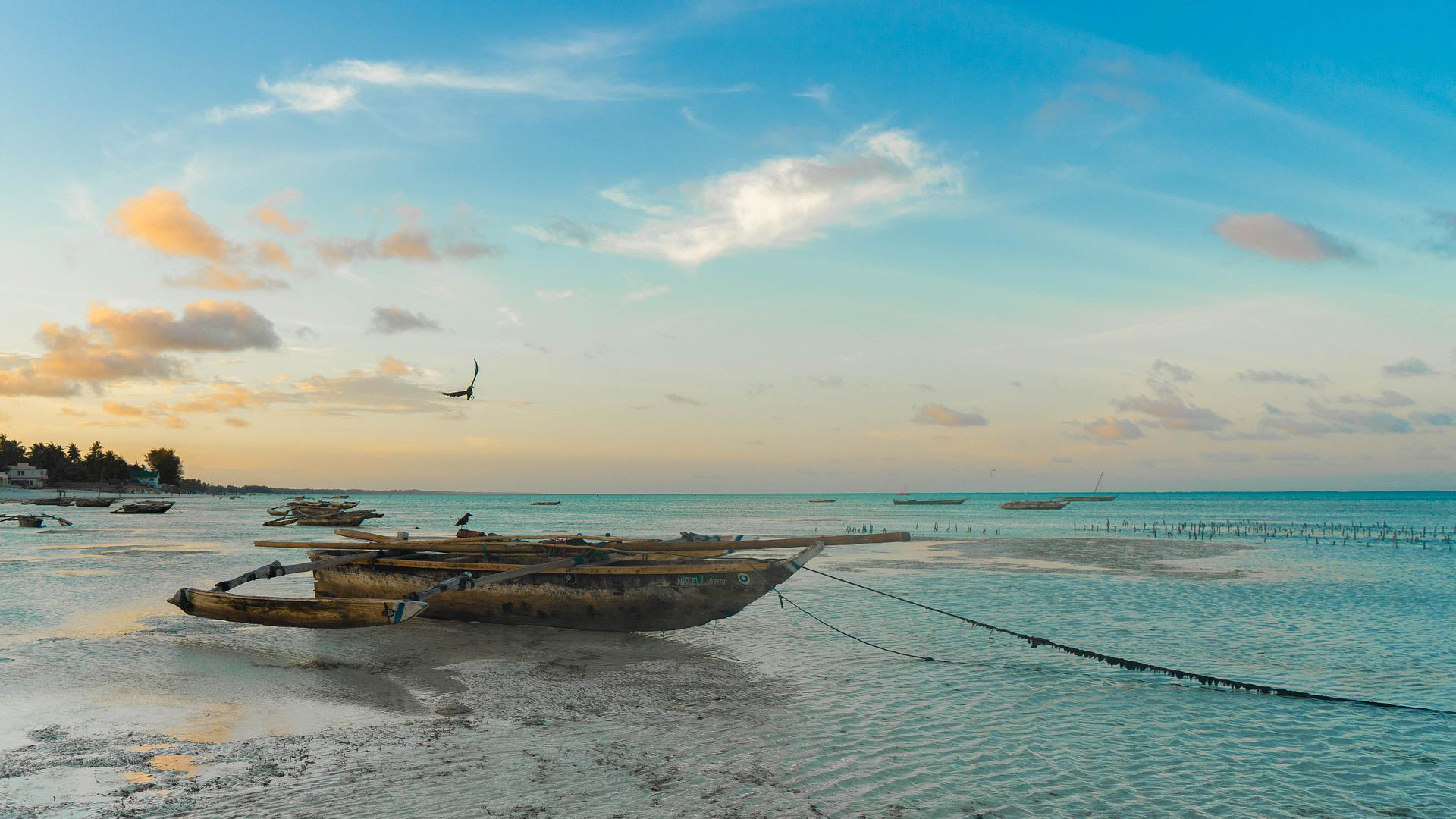
Along with photographer Rui Camilo, we travel to the West African island nation of Sao Tomé and Príncipe - in search of images that will capture the soul of this small and beautiful country.
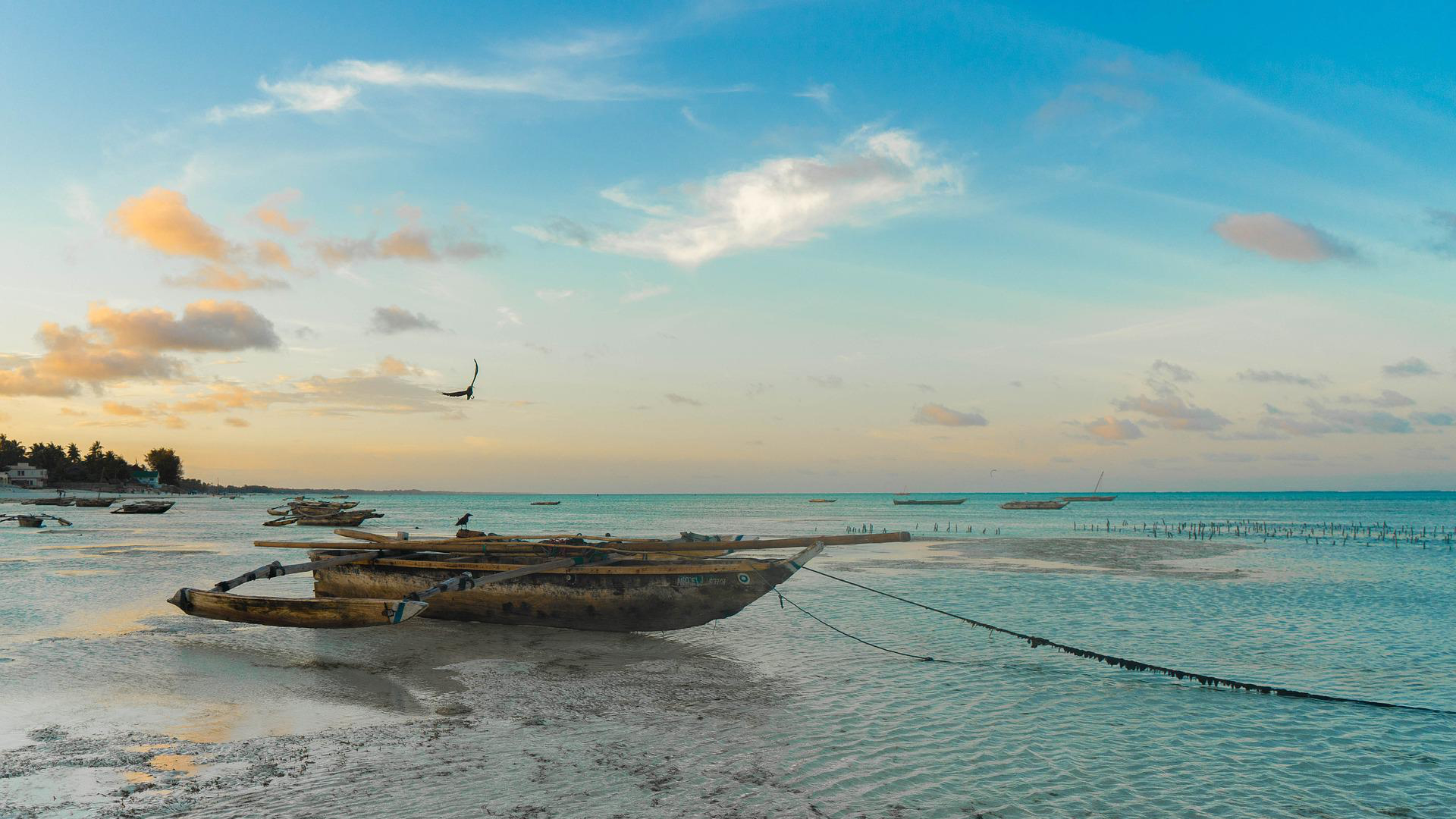
Spirits, Kings, Lemurs – Madagascar treats Ami to a multitude of new impressions and spectacular pictures. Director Christian Schidlowski and his team accompanied her on her trip.
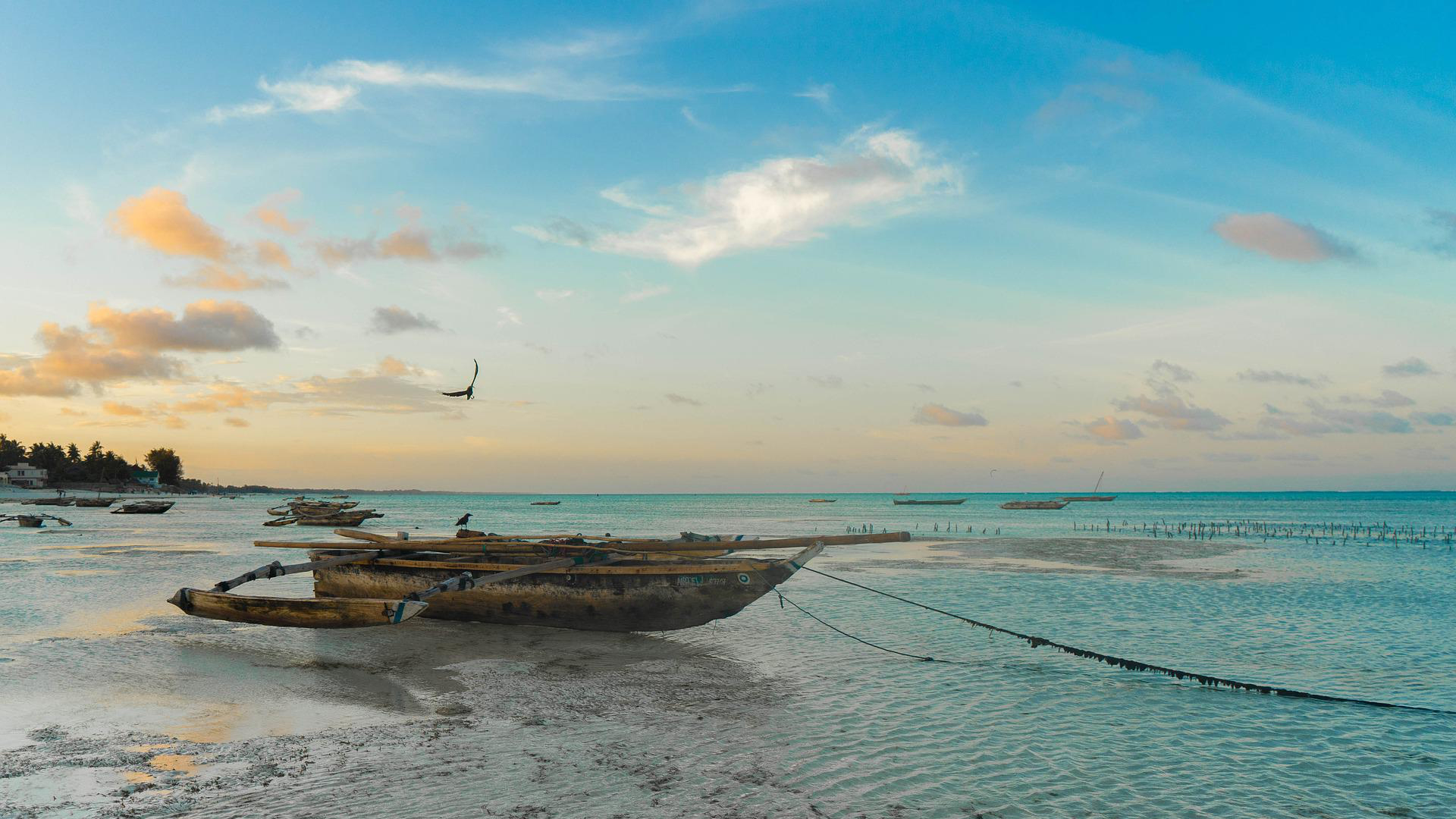
Renaud Van Der Meeren is a photographer and paramotor pilot. With his motorised parachute he goes on expeditions to the remotest corners on earth to photograph people and landscapes from the air. Renaud wanted to be a jet pilot, studied music at the Sorbonne, became a ski instructor, model and photographer's assistant before he found happiness in his current vocation. He especially likes to do his job in Mauritius – nowhere else does he find so many motifs as on the "sweetest pearl in the Indian Ocean". This time he's working on a photo book about Mauritius – by land, by water and in the air.
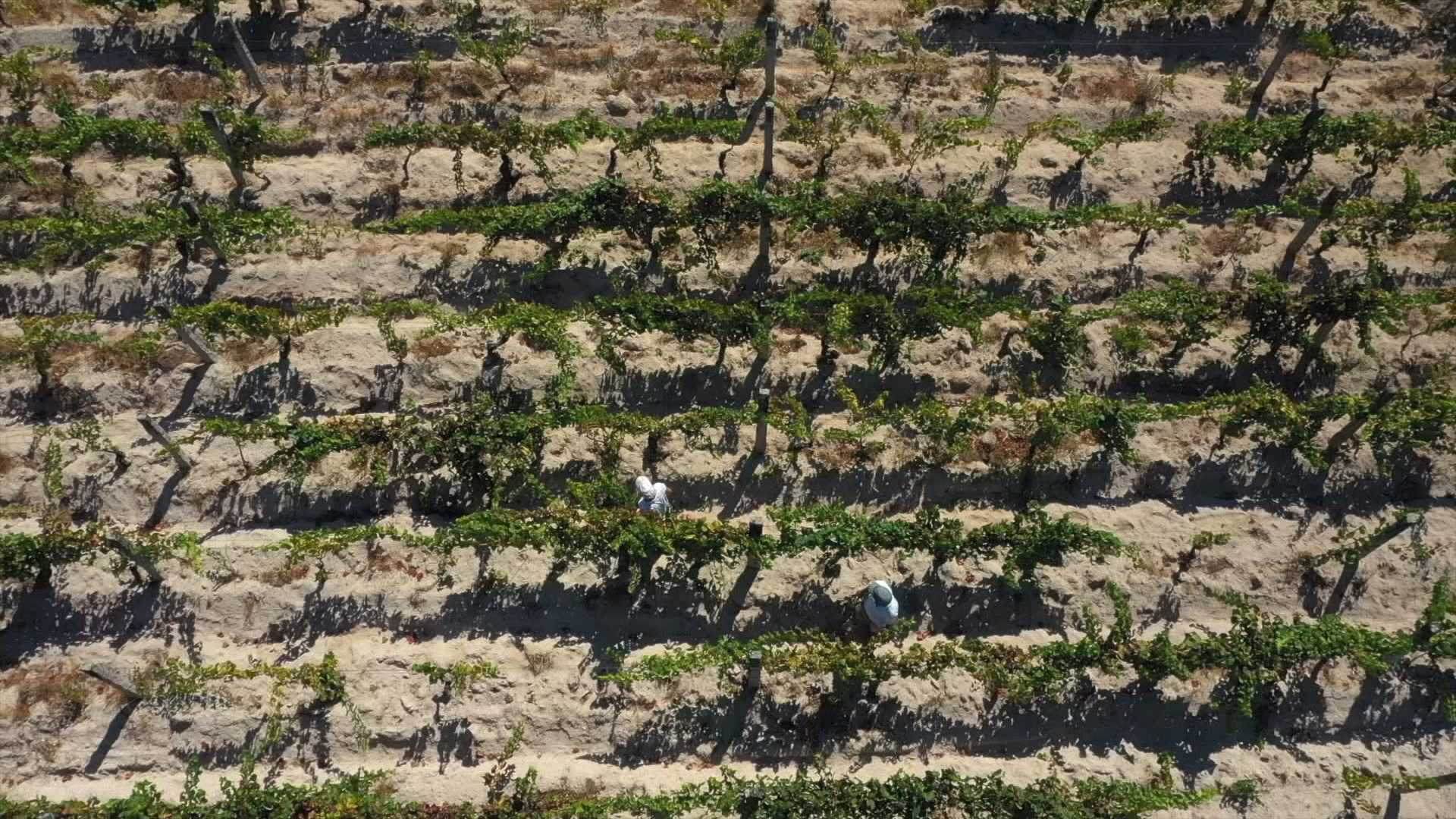
The highest mountain range in Portugal is the Serra da Estrela. The episode embarks on a voyage of discovery to adventurous rock formations and villages steeped in tradition. The nature park is the largest protected area on the Iberian peninsula. In the mountain range we accompany the young scientist Ana Matos, who wants to breathe new life into old traditions, and cheese maker Maria Natália Lopes. She watches over more than 350 sheeps.
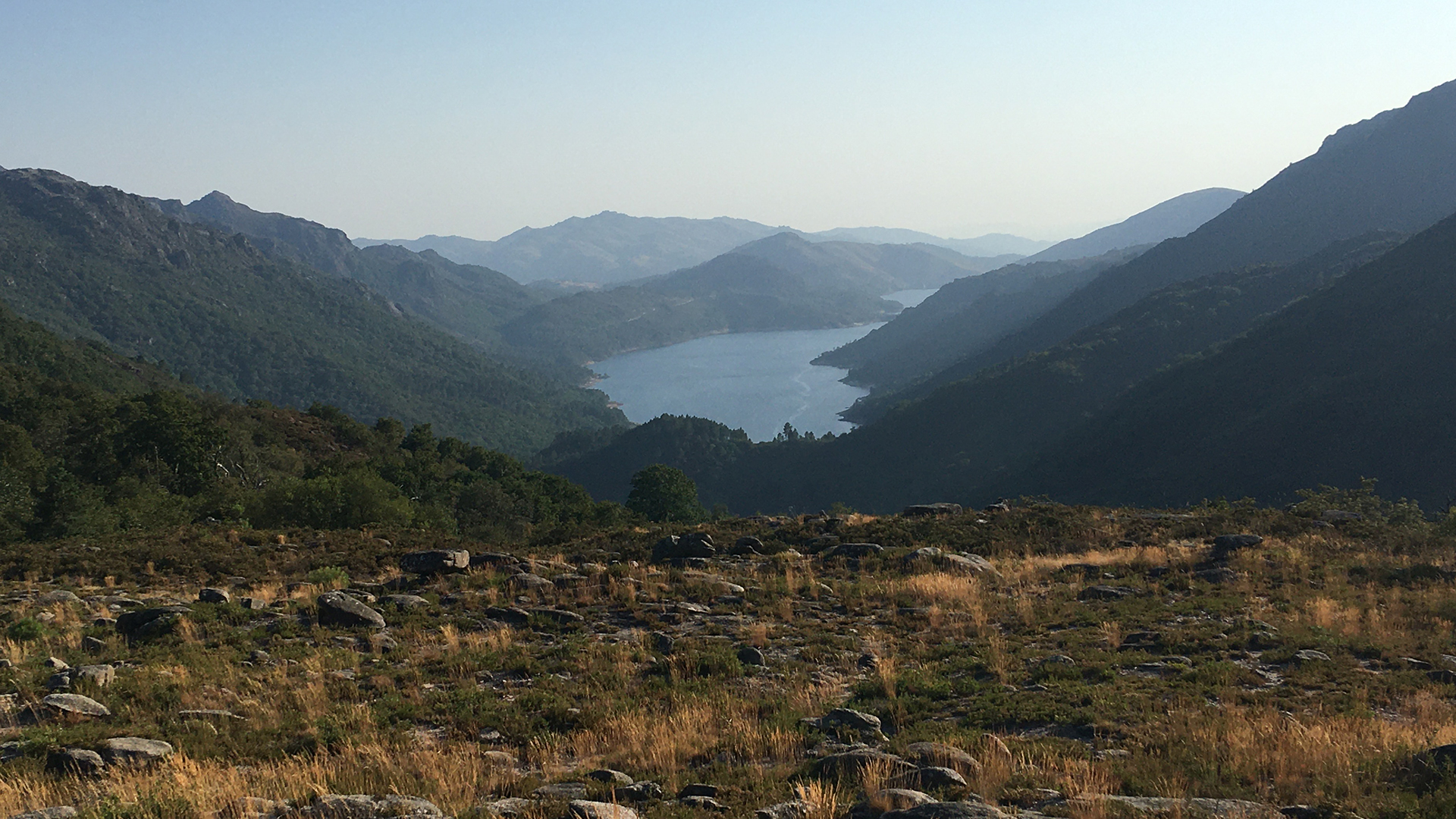
The Parque Nacional Peneda-Gerês is the only national park in Portugal. An area of almost 700 square kilometers, located in the extreme north of Portugal. Barren and rocky ridges in the plateaus, contrast with large forests and lush ground vegetation in deep valleys, crossed by lakes and rivers. The park is known for its oak forests, which are predominantly pedunculate and Pyrenean oaks. Among the typical animals of the park are the small Garrano ponies, a very old breed of horse and the only one in Europe that still lives in the wild.
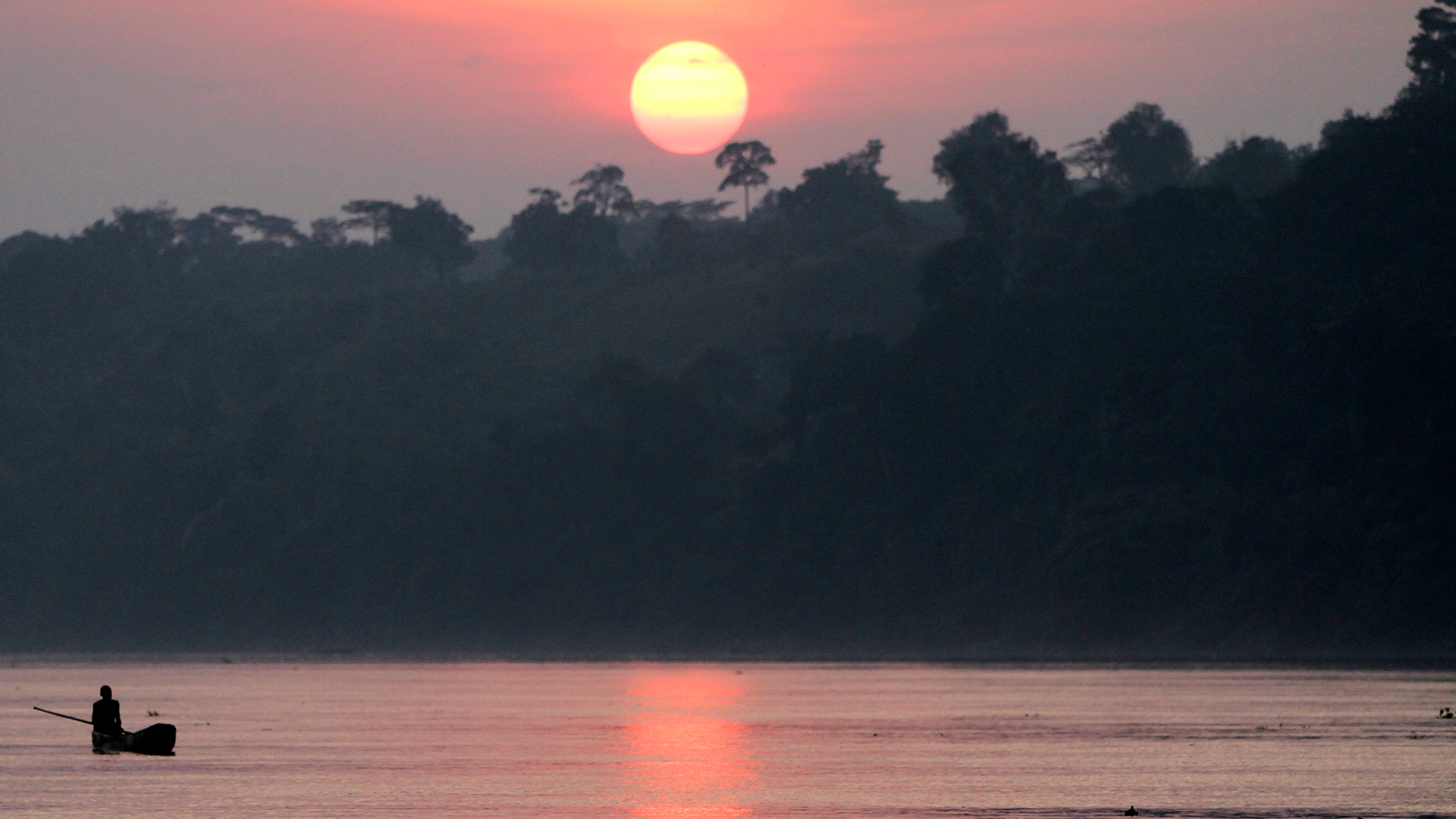
The river that swallows all rivers - this is what the natives call it. In reality, the Congo, when considering its water masses, is the second largest and the deepest river in the world. At its source in the north of Zambia, it starts out as a mere trickle, but on its journey westwards it grows and grows, becoming ever mightier and with it, the animals, too: the shoebill stork hides in the dense papyrus. Metre-long pythons hunt for their prey in trees and huge hippos fight for power and respect in the water. To survive in the Congo, animals have to adapt to extreme conditions. Here, evolution has spawned unique creatures: fish with lungs, wings and those that go hunting on land. The Congo River feeds the second largest rainforest on earth. Here is the home of the forest elephant. Time and again, they are summoned to this one, magic place: the Dzanga Bay. Countless other forest dwellers join them. What makes this place so special?
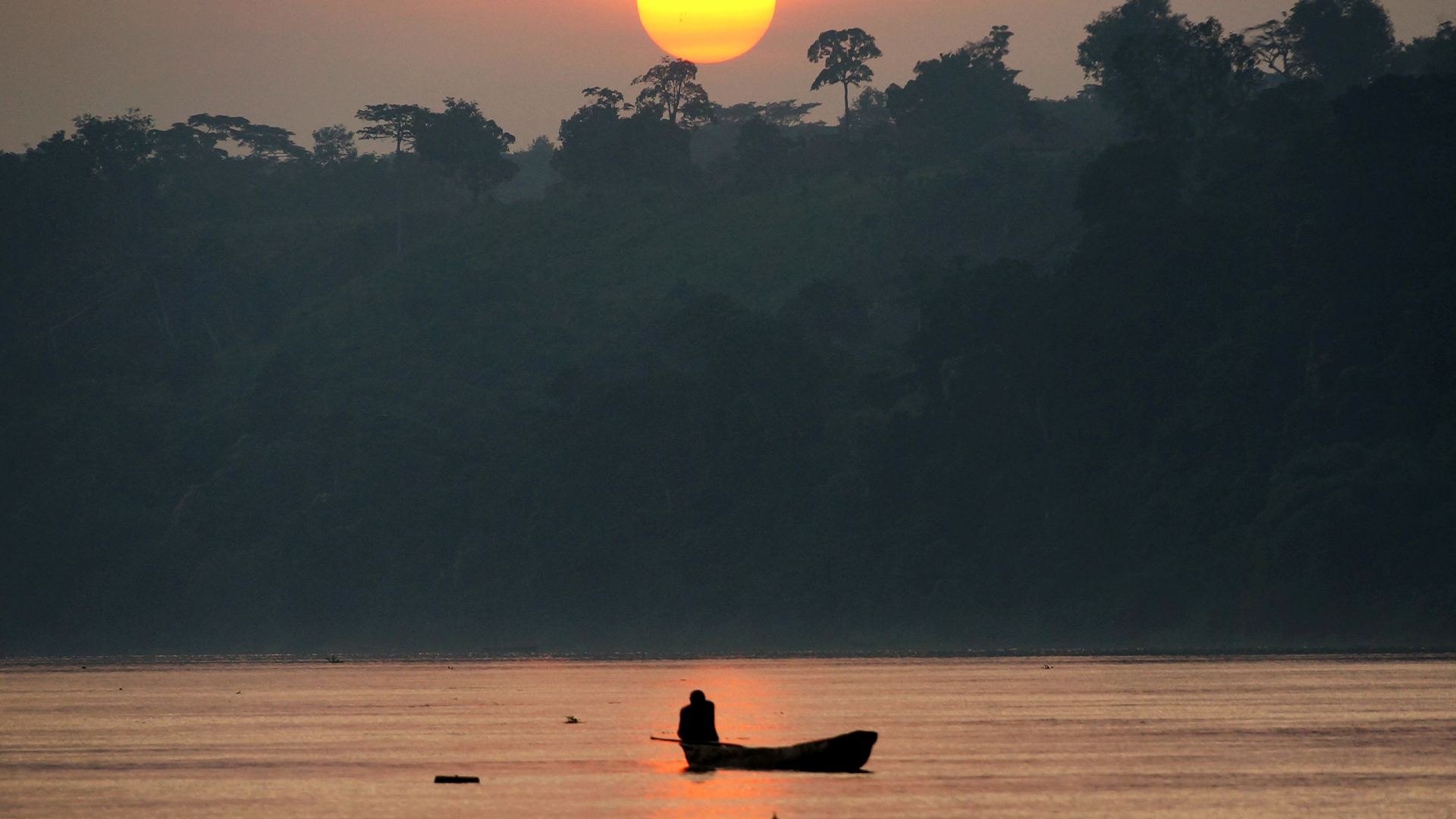
The Congo, mighty and deep like no other river - yet still a retreat and a habitat for several of our world's strangest animals. Our closest relatives live deep inside the dense jungles: three of the four giant ape species have made the Congo basin their home. Rich in extraordinary footage, the second episode of "Myths of the Congo" also presents exciting insights into one of the most mysterious and dangerous regions on earth.
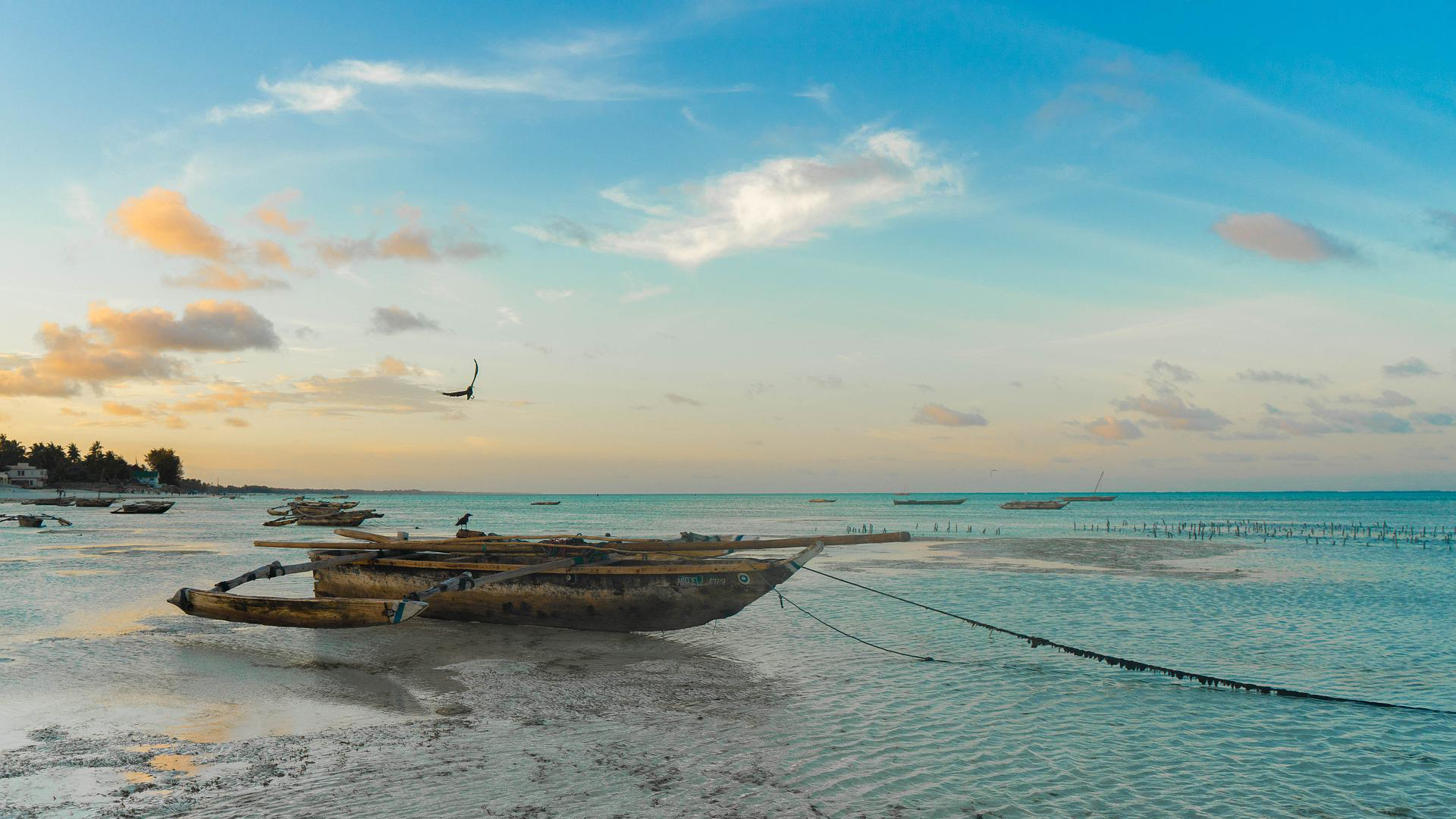
Cape Verde – the islands of Saudade, of longing. For Stéphane and Richard it was a journey full of adventure, unforgettable encounters and magnificent photographs. Director Christian Schidlowski and his team accompanied them on their trip.
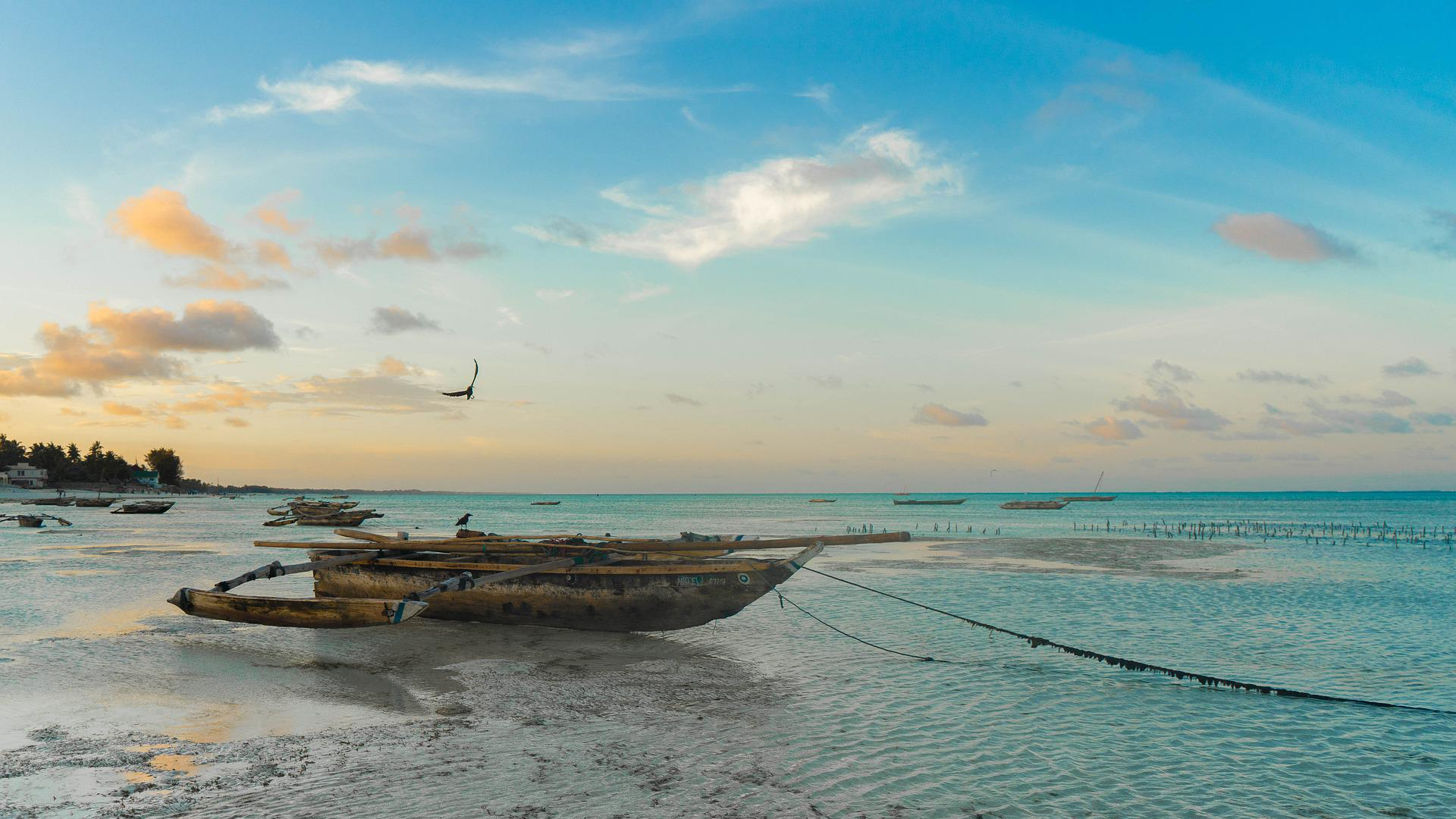
Along with photographer Rui Camilo, we travel to the West African island nation of Sao Tomé and Príncipe - in search of images that will capture the soul of this small and beautiful country.
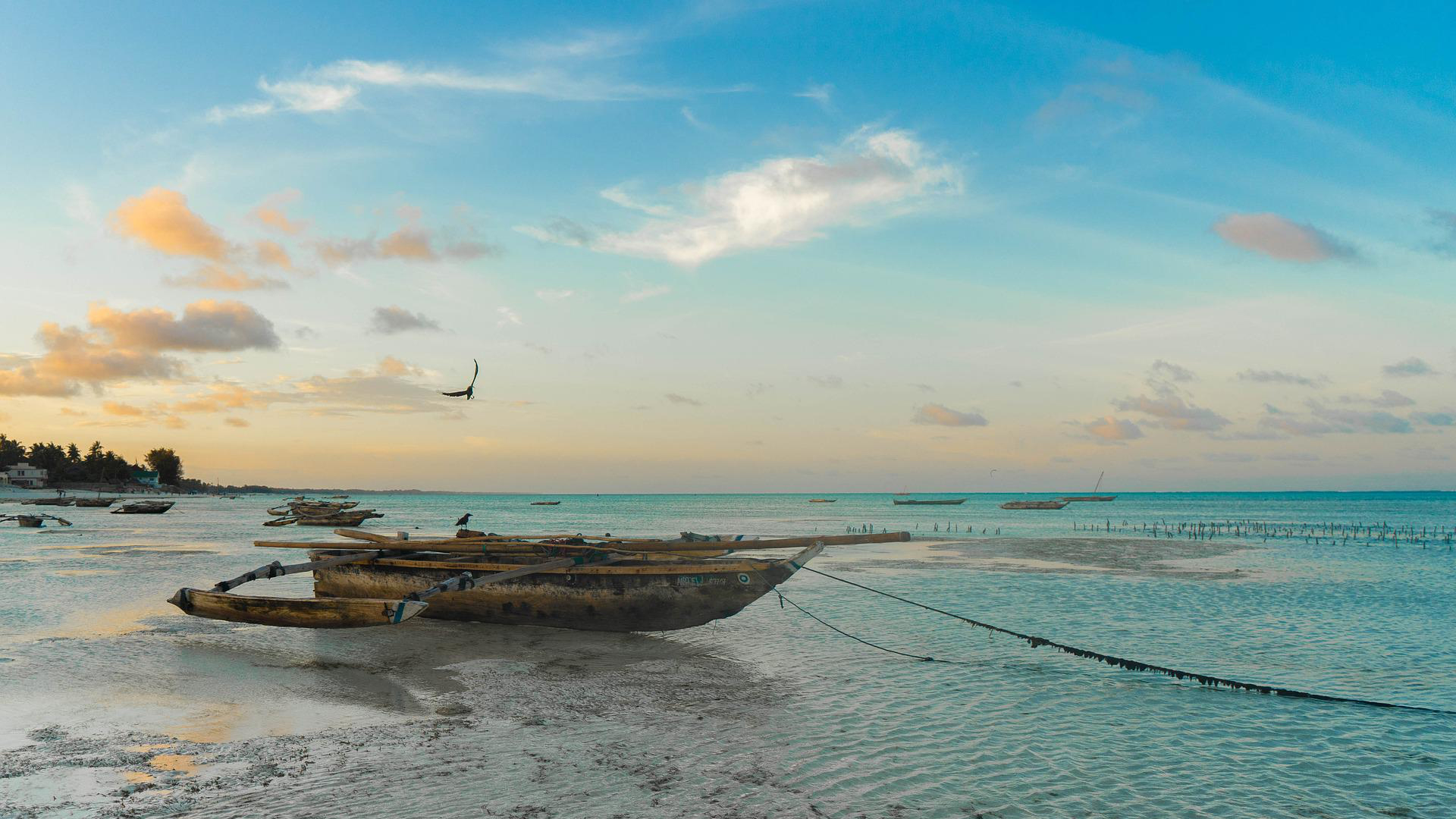
Spirits, Kings, Lemurs – Madagascar treats Ami to a multitude of new impressions and spectacular pictures. Director Christian Schidlowski and his team accompanied her on her trip.
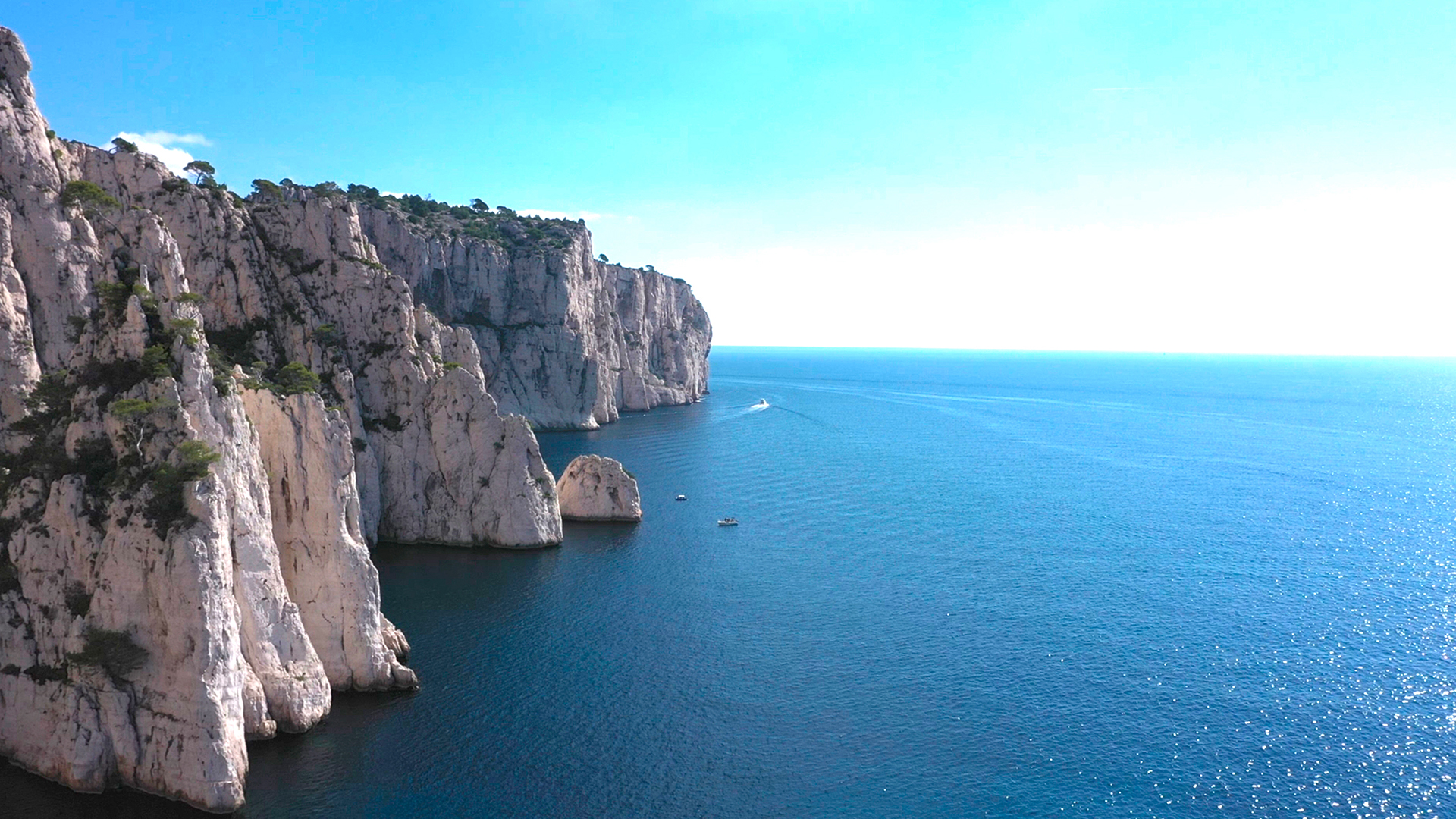
The Provence is famed for its endless fields of laven-der, but this lush landscape also has a beautifully mari-time touch: The Côte Bleue! Small, hidden beaches, charming harbour towns, imposing, craggy bays and a uniquely clear light that has attracted painters includ-ing Cézanne and Braque. The coast derives its name from the deep blue water and extends from Marseille to Martigues. This small town is also known as "The Ven-ice of the North", as it is shaped entirely by water: an inland lake, the sea itself, as well as a connecting canal. In the bays of the Calanques, the steeply-walled coastal inlets in the Mediterranean limestone, Lionel Franc is a cliff diver. His personal record is a hight of 36 metres! Ambi is a sculptress. This young artist's work, who moved to Marseille from Madagascar many years ago, is characterised by a dynamic momentum. As a pas-sionate pétanque player, she demonstrates this drive on the boules courts of the port city. John Pendray is Pein-tre officiel de la Marine, an official marine painter. The French state allows just 40 painters to its circle. There are no monetary rewards, but heaps of honour and a very smart uniform!
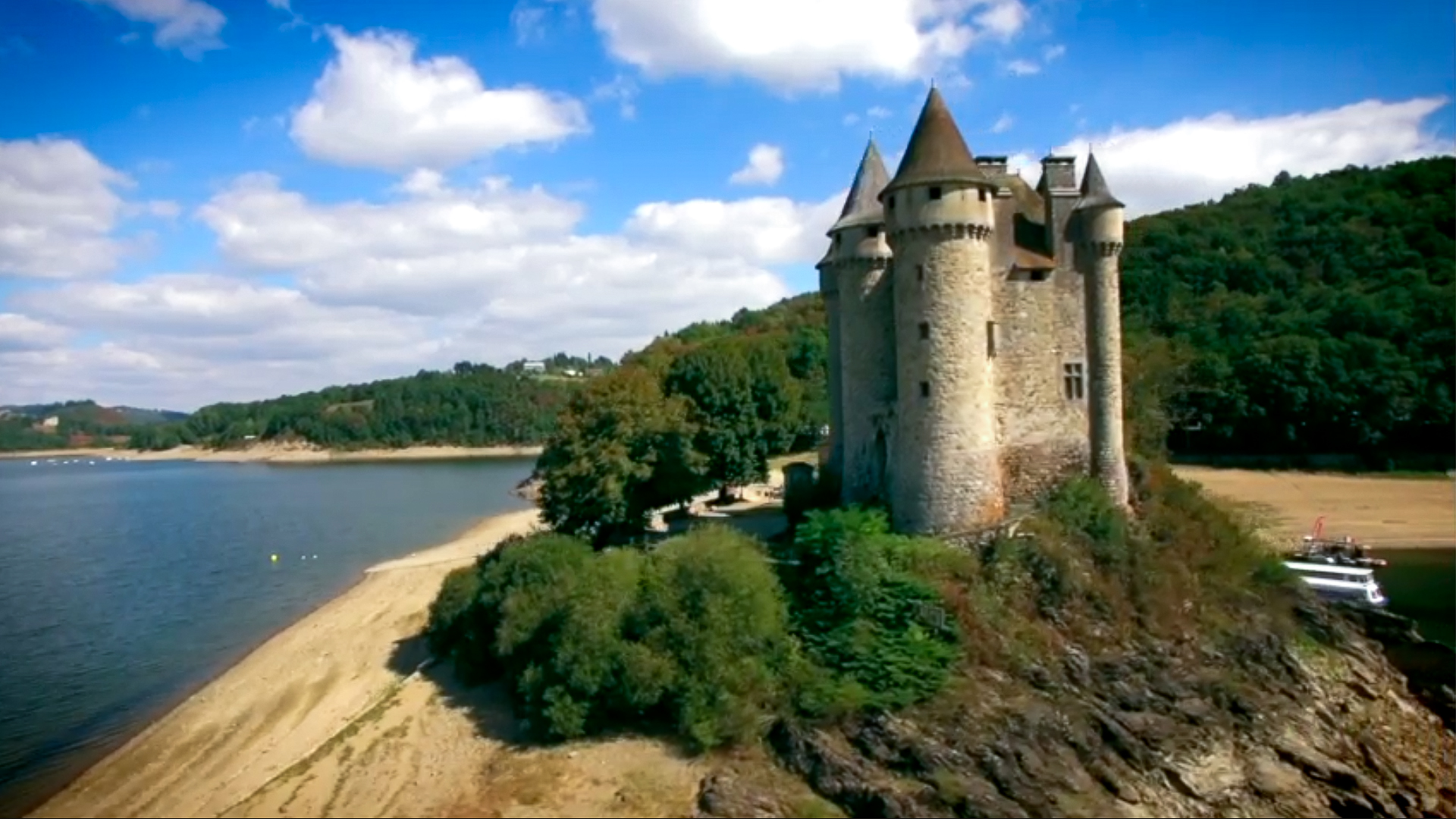
The Dordogne consists of a visible and an invisible system of flowing water. Caves and basins under the earth's surface store the excess water and return it to the river when it is dry. A perfect management of a precious resource, not invented by humans, but by the complex nature itself. The result is an ever life-giving river.
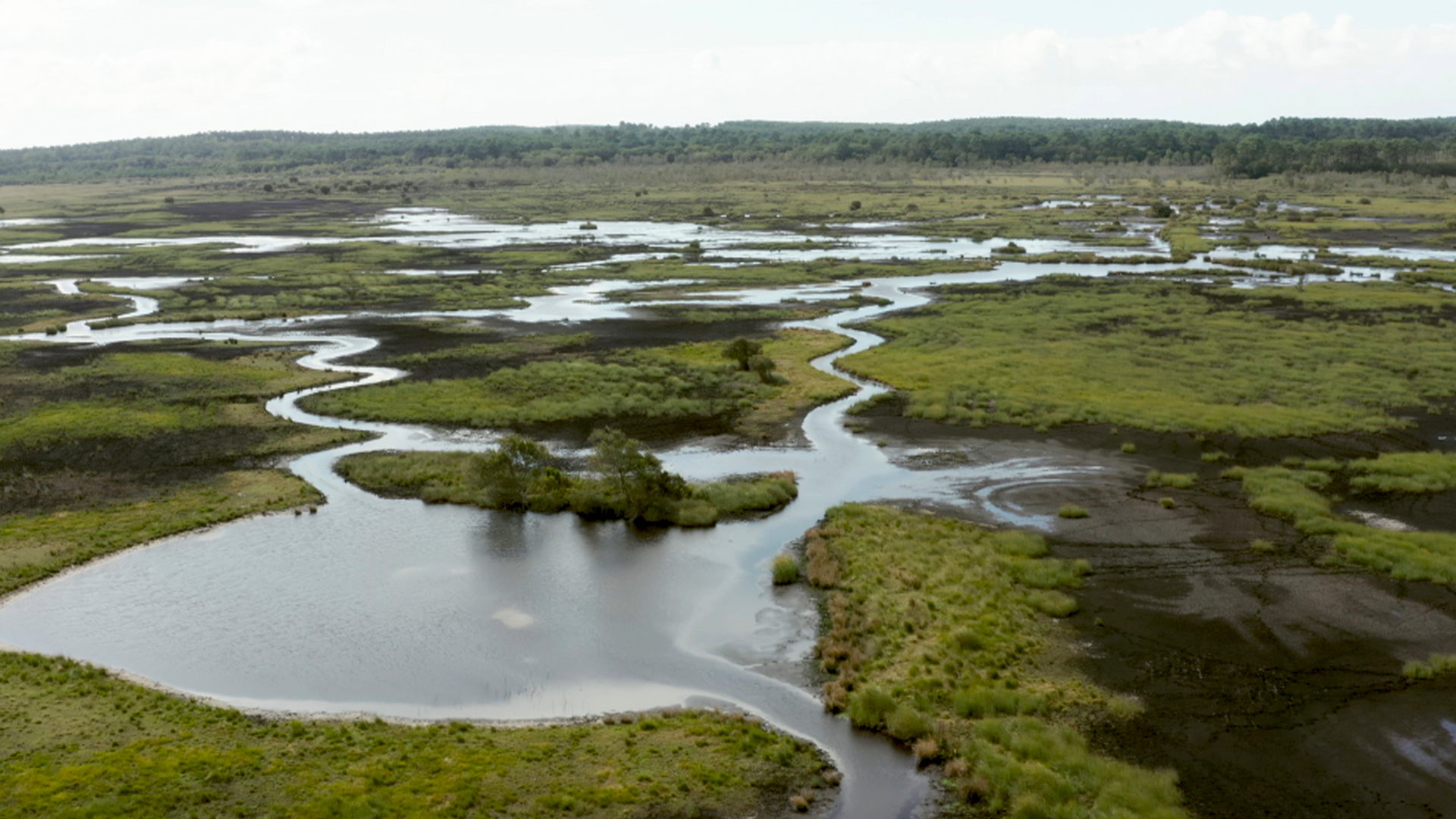
The Gironde is the largest and most powerful tidal current in Europe. When the Gironde flows into the Atlantic, it is 15 kilometers wide and in the rhythm of the tides, it brings the waters from the Pyrenees and the Massif Central into the ocean. This often pushes its waters far out into the Gironde at high tide.This creates a world of its own that has shaped everything uniquely and intensely for tens of thousands of years. The water surface of the river is so large that the evaporation has created its own microclimate, which is stable and, together with the brackish waters, has influenced flora and fauna on the right and left of the bank for a long time.
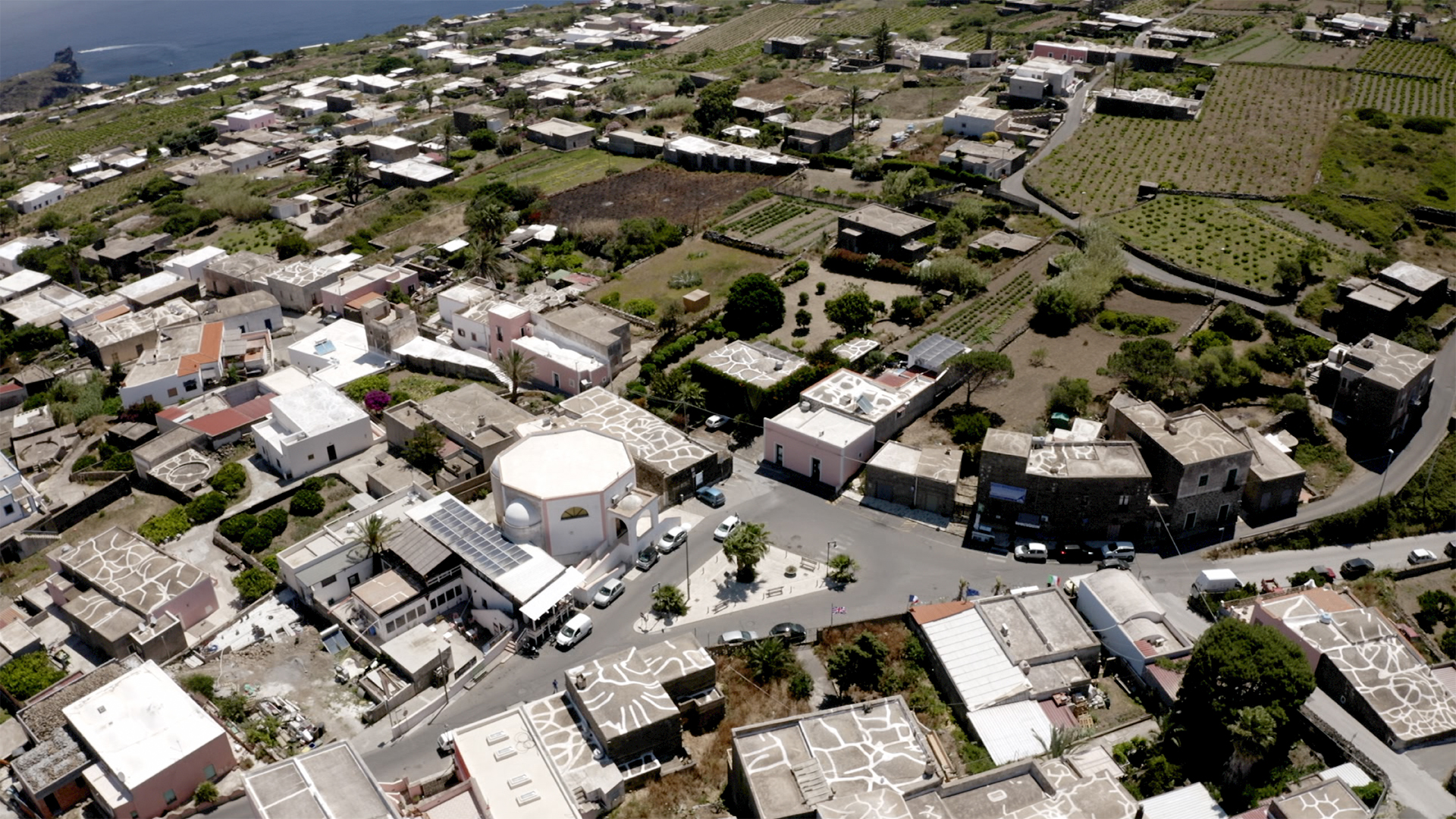
Far from the glamour and spotlight of Lampedusa, Pantelleria is one of the best kept secrets among the Italian islands. Located closer to Tunisia than to the Italian mainland, Pantelleria closer to Tunisia than to the Italian mainland, Pantelleria has been nicknamed "The Last Island," a title also given by Giosuè Calaciura gave to his 2016 historical novel set on Pantelleria. Pantelleria, that is the island of lava, capers and of the liqueur wine that comes here Zibibbo. An island with an ancient history, where for centuries farmers and fishermen have pursued their craft. their craft. The famous Zibibbo grapes are cultivated here - among other things also on the vineyard that Gerard Depardieu and his wife Carole Bouquet bought to produce traditional liqueur and nutmeg wine themselves and distribute it worldwide. The cuisine of the island is as much Arabic as Italian, couscous with fish is a typical island dish.
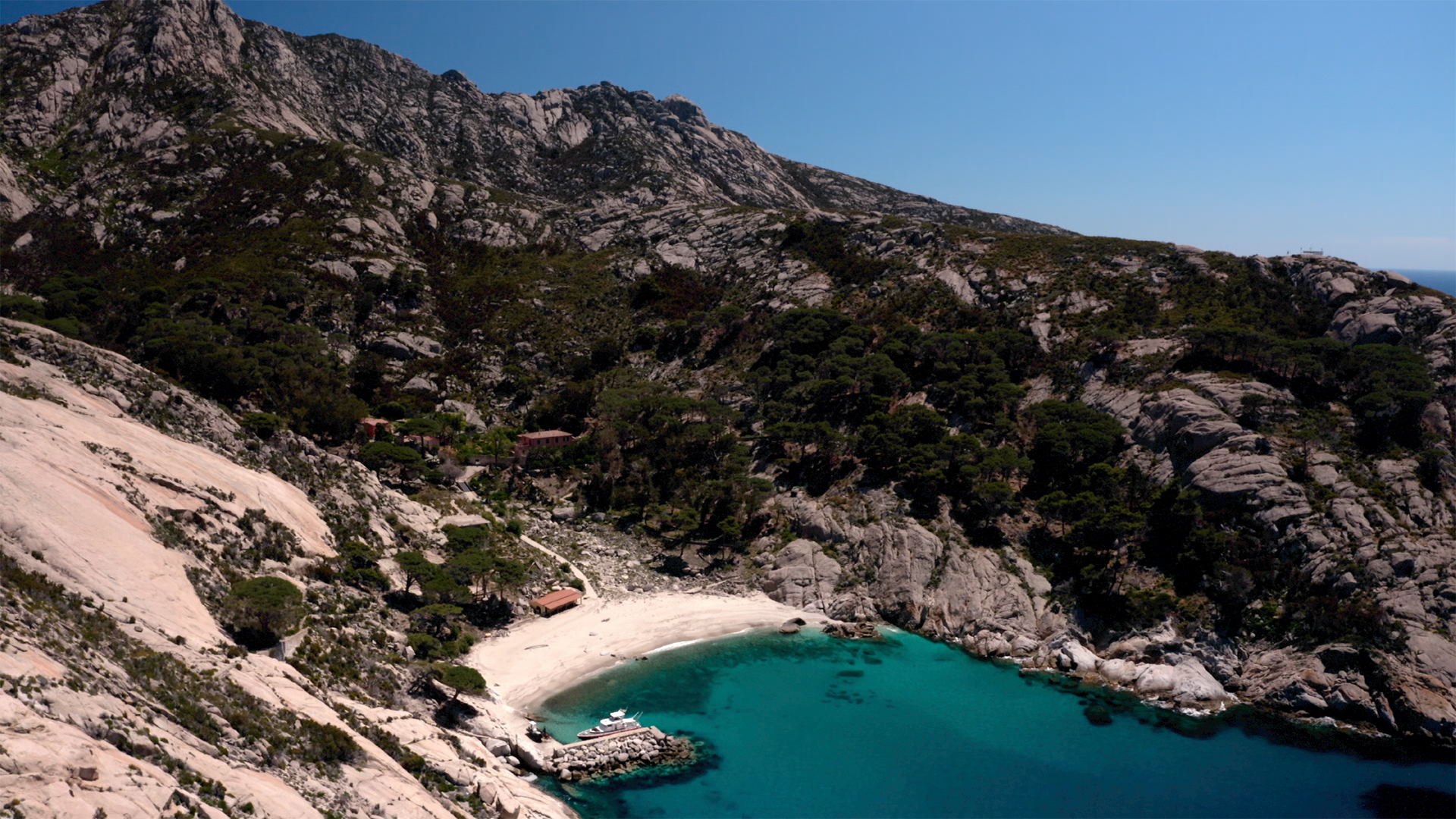
The Tuscan Archipelago is a group of islands at the height of Florence. The archipelago stretches from the Ligurian Sea to the Tyrrhenian Sea, north-east of Corsica. The archipelago consists of seven main islands - Giglio, Elba, Gianutri, Capraia, Pianisoa, Gorgona and Montecristo - and other smaller islands and rocks. Not all of them are inhabited. We look at the three most extraordinary islands of the archipelago: Elba, Capraia and the island of Montecristo. The Tuscan Archipelago is one of the most important natural wonders of the world and is protected as Parco Nazionale dell'Arcipelago Toscano. With its 61.474 hectares of protected and 17,694 hectares of protected land area, it is the largest marine protected area in in Europe. Capraia is the third largest island of the archipelago and is located with its small harbor in the channel in front of Corsica. The island is an autonomous municipality with about 300 inhabitants. It is also considered the most maritime island of the archipelago. At the end of the eighties, the penal colony on Capraia was closed was closed and the island opened to tourism.