Live & Upcoming Programmes

Missing Butterflies

Missing Butterflies

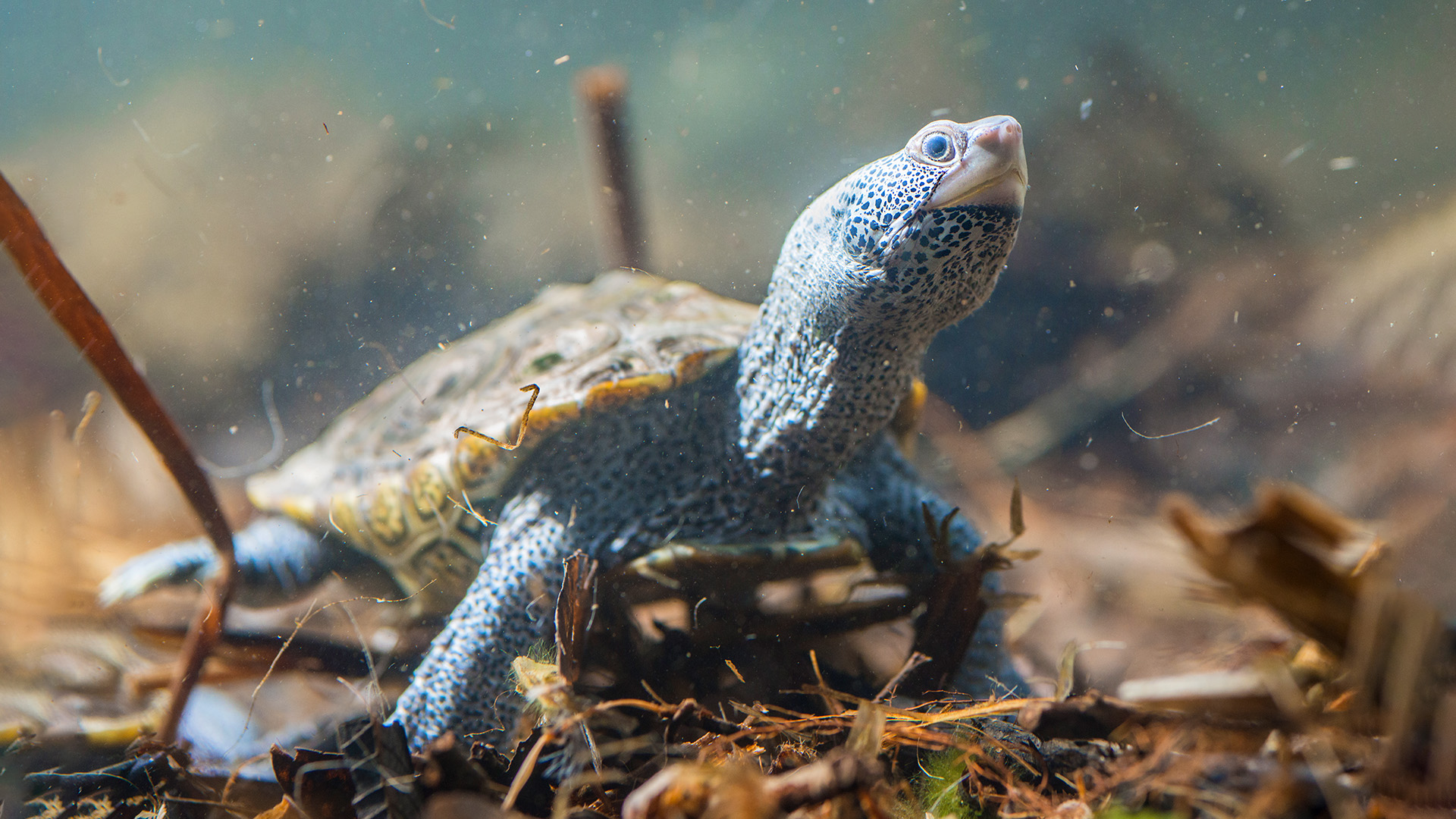
Its miraculous transformation from caterpillar to remarkable winged beauty has been a point of constant intrigue. However, in the last few years, many have observed a decrease in the butterfly population. A much-discussed topic in the entomological society is the decline of the insect populace, but to what extent is this topic relevant to our beloved butterflies? For years, a teacher from lower Bavaria and a biologist from Munich have dedicated themselves to studying the butterfly and their presence in Bavaria. The results of their studies tell an enlightening story that is sure to entertain.

2025-12-05 08:31:16 +0000 UTC2025-12-05 09:21:22 +0000 UTC (50m)
Dust And Stripes

Dust And Stripes

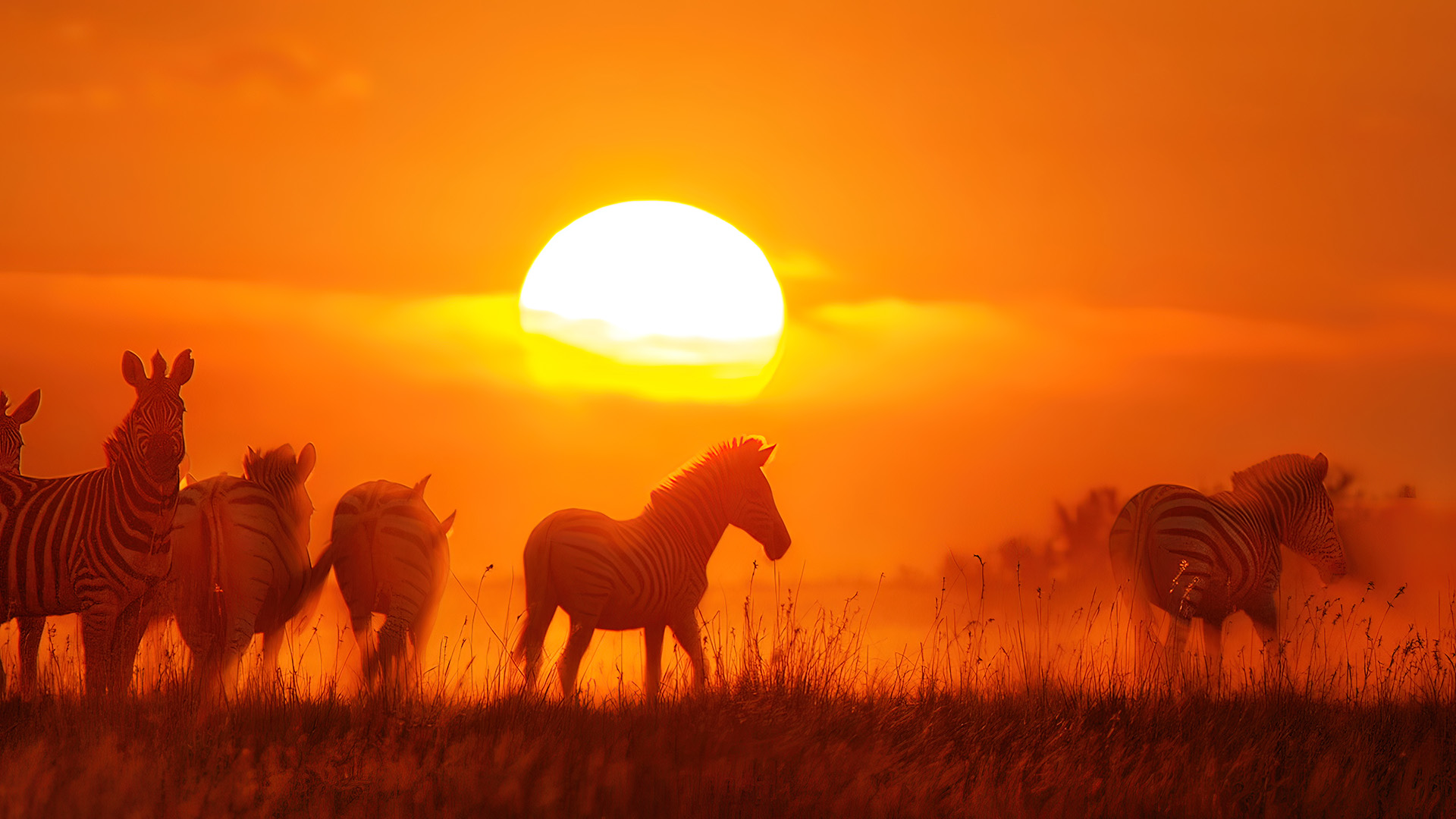
In a never-ending quest for grass and water, the striped herds undertake an annual epic trek across the vast lunar landscape of the Kalahari's Makgadikgadi Pans. Most of the year, the Makgadikgadi is an inhospitable wasteland of windswept, salt-encrusted pans. For the area's water-dependent zebra, the Boteti River on the western edge of the pans is a dry-season lifeline. However, it is also a death trap, with lions waiting in ambush and crocodiles lurking in dark riverside caves.

2025-12-05 07:31:42 +0000 UTC2025-12-05 08:31:16 +0000 UTC (59m)
Rewilding: Back to Nature

Rewilding: Back to Nature

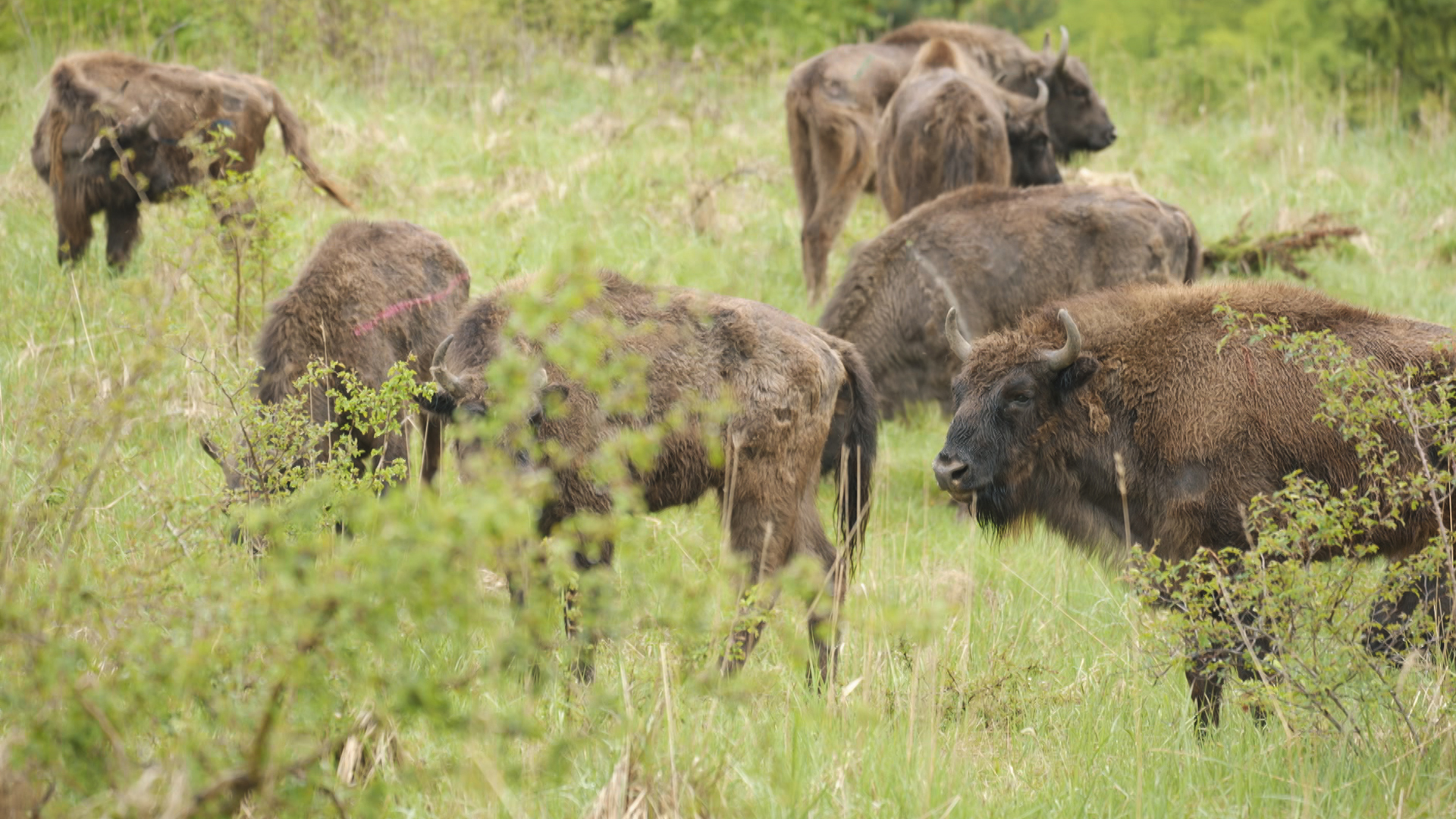
Worldwide, there are various projects and approaches to give nature more space again. The aim is to create larger wilderness areas that develop with hardly any influence of humans - by reintroducing so-called key animal species and creating a network of wilderness corridors across entire continents. Rewilding promises to be a cost-effective form of conservation in which we can boost biodiversity and protect the climate.

2025-12-05 06:31:36 +0000 UTC2025-12-05 07:31:42 +0000 UTC (1h)
Wild Prairie Man

Wild Prairie Man

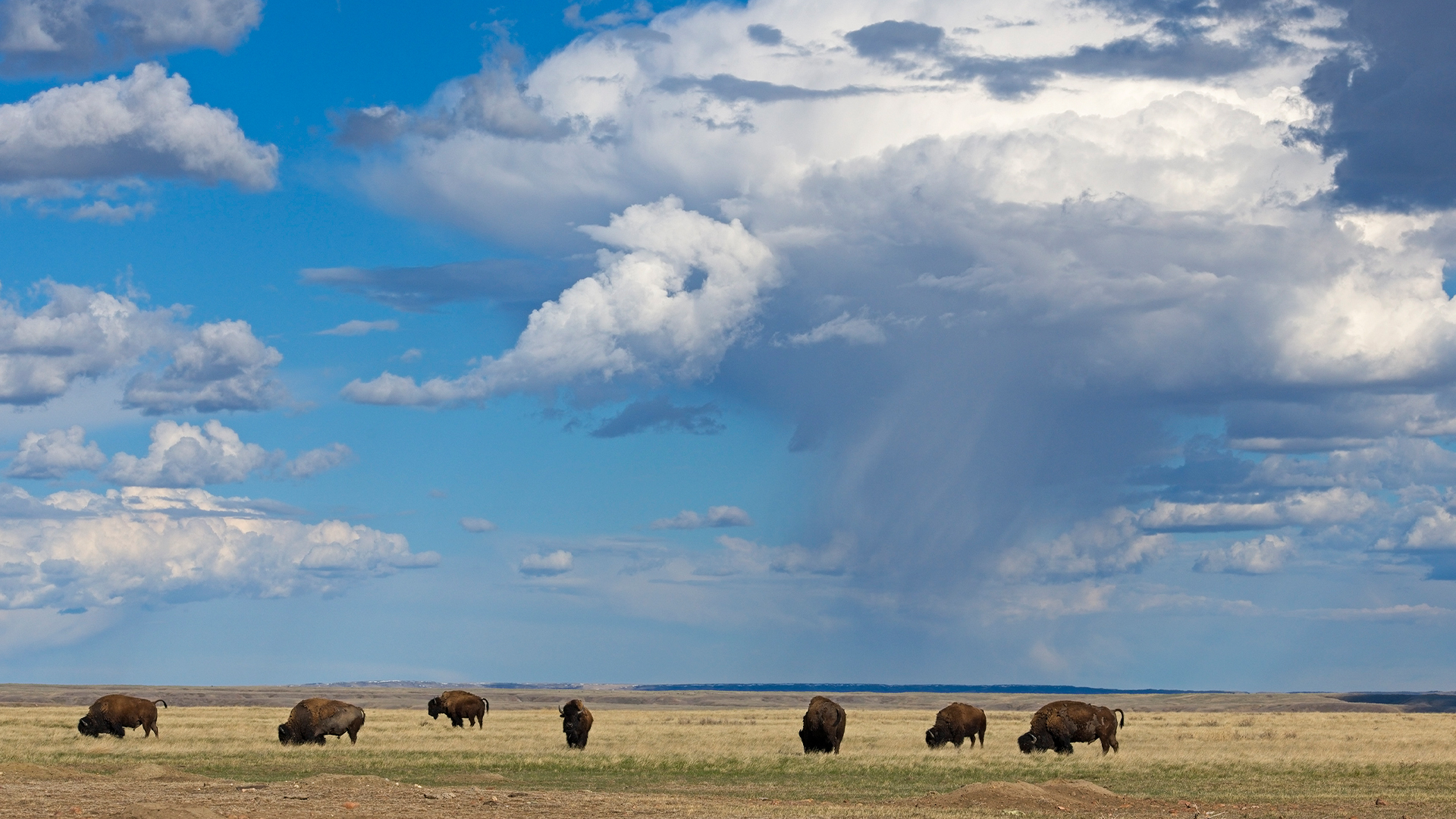
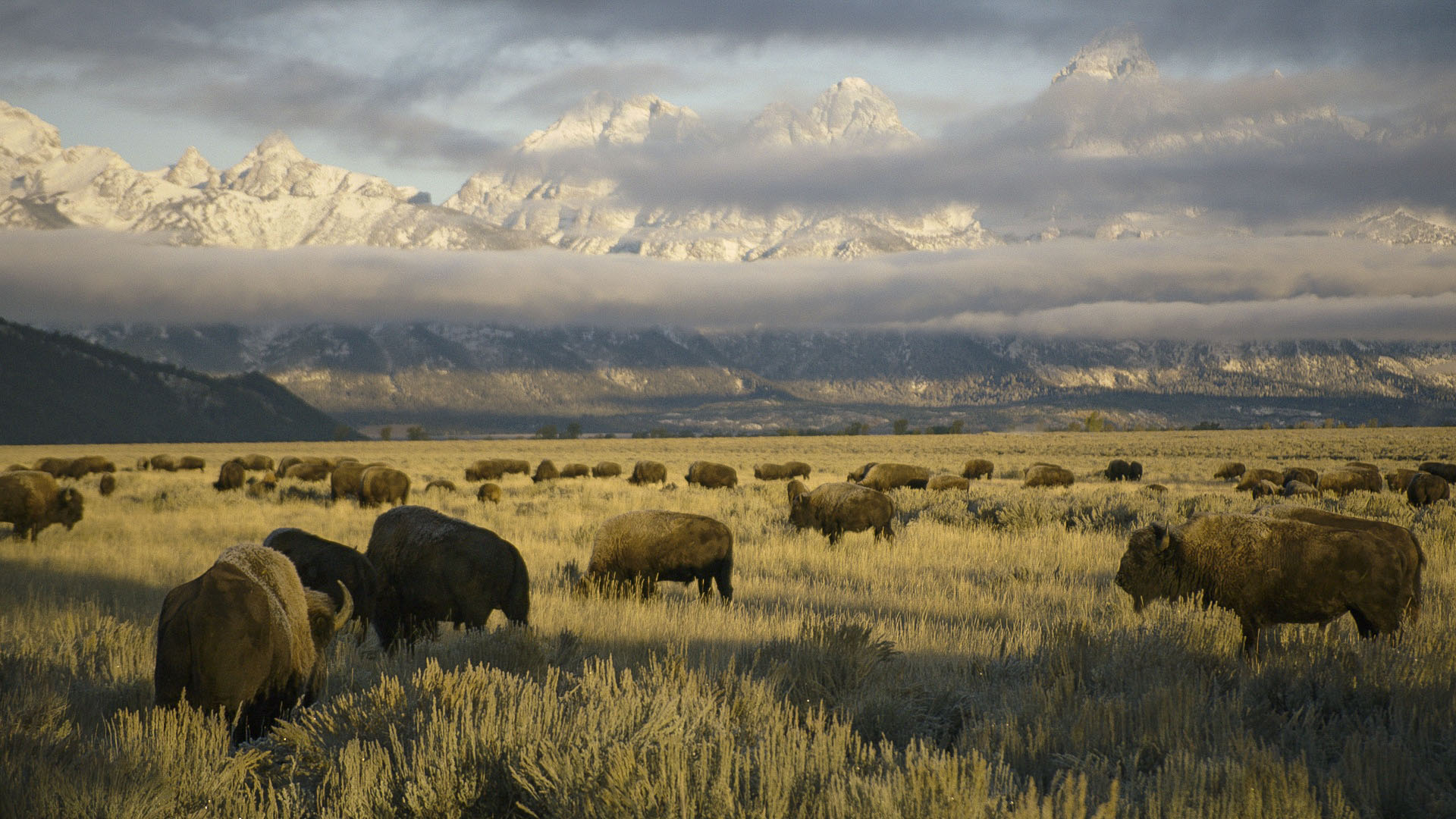
Located in the Northern Great Plains of Canada, Grasslands National Park has been a 20 year odyssey for wildlife photographer James R. Page. For James, critters are more interesting than people and he shares some of his iconic images and experiences from this endangered ecosystem. We showcase the parks wilderness that is dominated by prairie light and dark sky, the wildlife, prairie dogs, mesmerizing landscapes, and bisons. We immerse ourselves in the wild habitat of Grasslands National Park for over a year capturing some never before scenes in the Wild Prairie. James R. Page's connection to the land and the wildlife provides an unforgettable journey into the heart of this endangered ecosystem, while Park experts help us understand its complexity.

2025-12-05 03:29:14 +0000 UTC2025-12-05 04:32:30 +0000 UTC (1h3m)
North America's National Parks

North America's National Parks

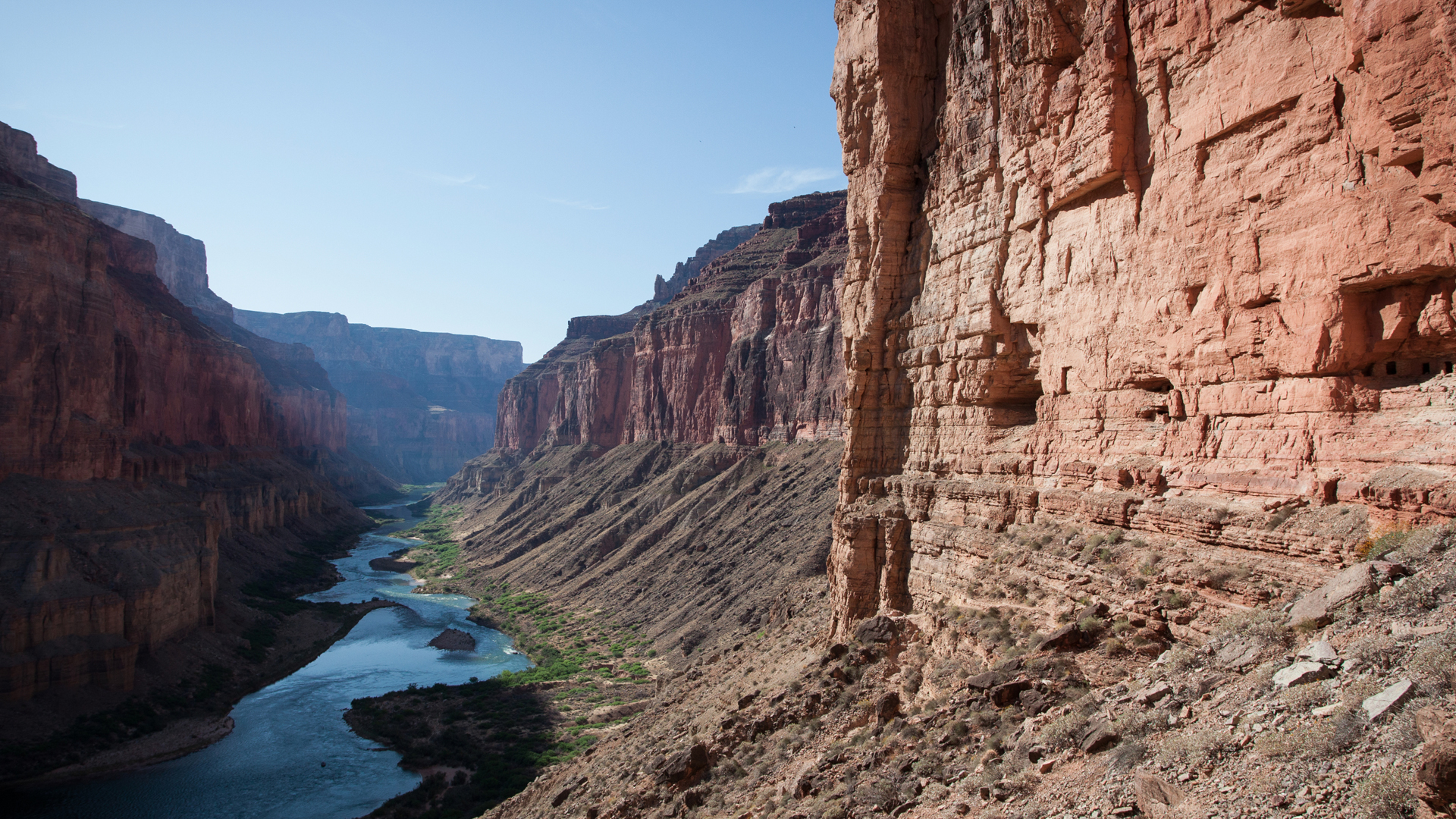
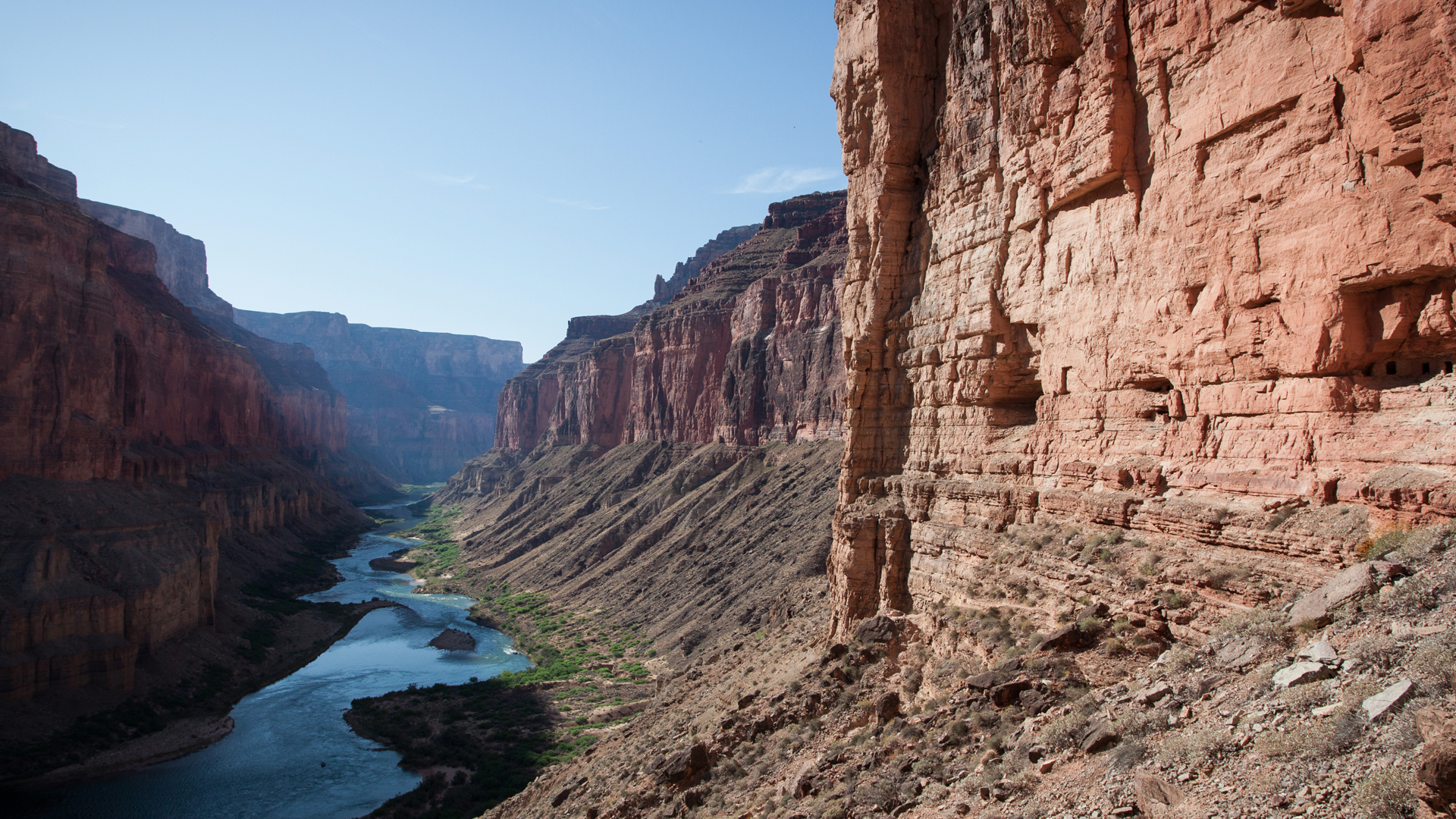
The Grand Canyon is a steep-sided canyon carved by the Colorado River in Arizona, United States. The Grand Canyon is 277 miles (446 km) long, up to 18 miles (29 km) wide and attains a depth of over a mile (6,093 feet or 1,857 meters). The canyon and adjacent rim are contained within Grand Canyon National Park, the Kaibab National Forest, Grand Canyon–Parashant National Monument, the Hualapai Indian Reservation, the Havasupai Indian Reservation and the Navajo Nation. President Theodore Roosevelt was a major proponent of preservation of the Grand Canyon area and visited it on numerous occasions to hunt and enjoy the scenery.

2025-12-04 21:35:38 +0000 UTC2025-12-04 22:32:24 +0000 UTC (56m)
Winter Journey to the Polar Circle (Exploring Norway on the Nordlandsbanen)

Winter Journey to the Polar Circle (Exploring Norway on the Nordlandsbanen)

The Nordland Railway in Norway, travels from Trondheim through the isolated regions of Trendelag and Nordland. After Mo I Rana, it traverses the Arctic Circle and ends in the northern Norwegian town of Bodø. The railway covers a distance of some 729 kilometres, passing by dense, snow-covered forests, frozen fjords and snow-capped mountains. Temperatures of sometimes minus 30 degrees are quite normal here for months, on many days there is no more than five hours of daylight. Kindergarten teacher Kaia Aarstrand und her husband, Bjørnar, a technician for the municipality, live with their four boys in Aursletta, deep within the Vistenfjord, far away from civilization. All made possible by the Norwegian state: electricity, mobile phone connection and a speedboat that brings the family to school and to work. But when the Vistenfjord freezes up, the family is isolated for days. Tormod Schøning spends hours on end on his Saltfjellet whenever snowstorms occur and he has to clear the only road connection between North and South Norway with his snow plough. For the duration of his shifts, Tormod lives in the snow plough station.

2025-12-04 19:02:57 +0000 UTC2025-12-04 20:45:21 +0000 UTC (1h42m)
Alpine Whistleblowers

Alpine Whistleblowers

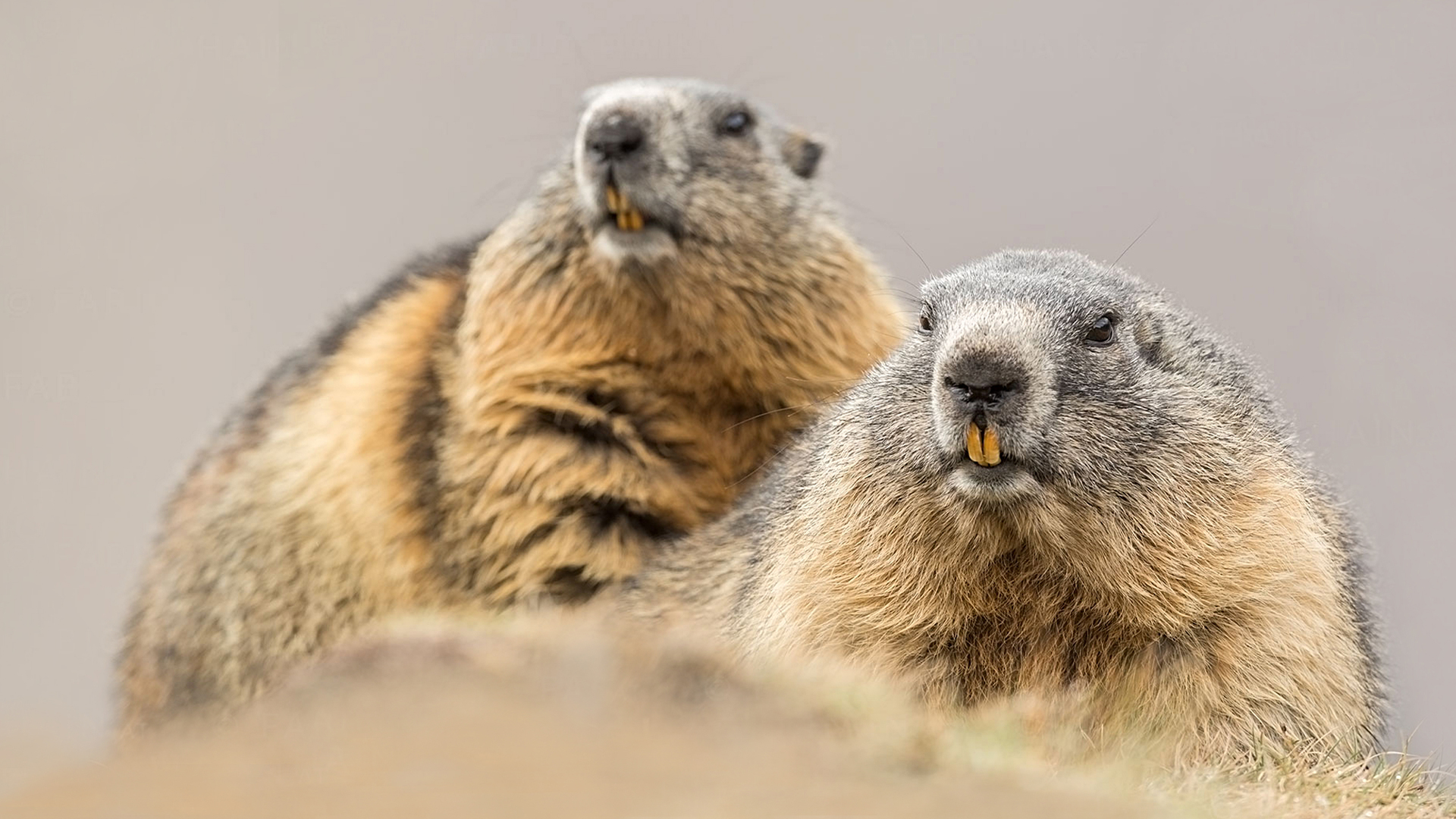
These peculiar and roughly rabbit-sized rodents enjoy great popularity at the Großglockner in the Austrian Alps. Before the last ice age, marmots used to live in the lowland of Tirol, but with the melting of the glaciers they were driven higher up into the mountains – a trend that will continue given the current climate change. Today, they simply feel too warm below 800 meters. In spring, as soon as the temperatures begin to rise, marmots leave their dens after a nearly six-month long hibernation. After eating their share and recovering from the long fast, losing up to a third of their body weight, the most important thing is founding a family. And that sometimes involves rather fierce territorial conflicts amongst the males. As long as there is snow covering the meadows, the marmots run a high risk being out – golden eagles are looking for prey. But the marmots have an efficient warning system set up: while the group is feeding, several sentinels are located around the meadow, warning the others by shrill whistling. At the start of summer, the young ones will appear and need to be extra careful.

2025-12-04 16:47:44 +0000 UTC2025-12-04 17:21:35 +0000 UTC (33m)
Survival of the Fittest in the Alps

Survival of the Fittest in the Alps

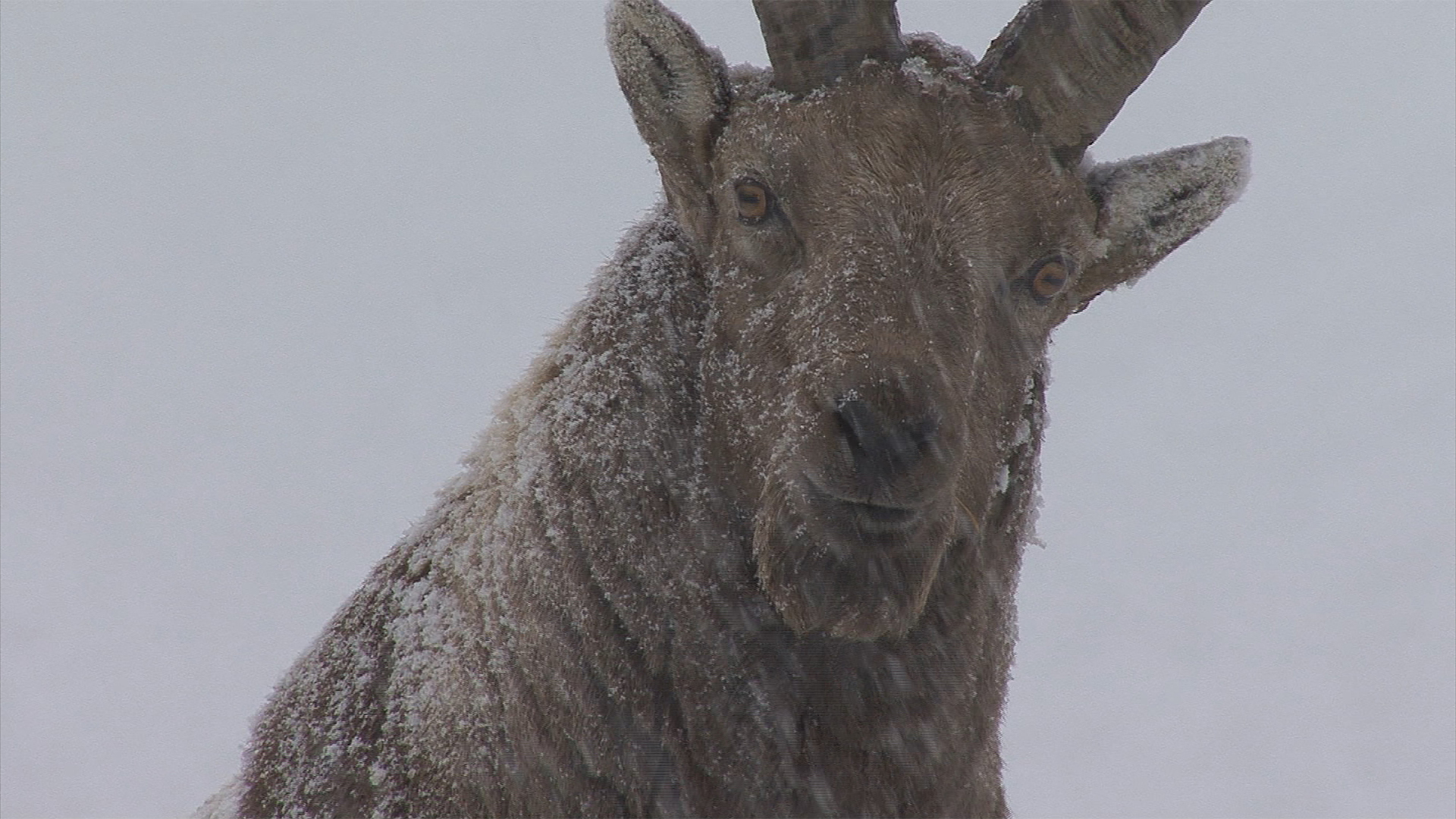
The documentary shows the survival strategies of various animal species in the high mountains of the Alps in winter. Despite freezing temperatures and limited food supply, chamois, red deer and snow hares manage to survive the cold months. Latest research reveals the amazing abilities the animals have developed to adapt to the extreme conditions and also how climate change is altering the behaviour of the alpine inhabitants.

2025-12-04 15:47:02 +0000 UTC2025-12-04 16:47:44 +0000 UTC (1h)
North America's National Parks

North America's National Parks

Yellowstone National Park is an American national park located in the western United States, largely in the northwest corner of Wyoming and extending into Montana, and Idaho. It was established by the U.S. Congress and signed into law by President Ulysses S. Grant on March 1, 1872. Yellowstone was the first national park in the U.S. and is also widely held to be the first national park in the world. The park is known for its wildlife and its many geothermal features, especially Old Faithful geyser, one of its most popular. While it represents many types of biomes, the subalpine forest is the most abundant. It is part of the South Central Rockies forests ecoregion.

2025-12-04 10:03:53 +0000 UTC2025-12-04 11:00:42 +0000 UTC (56m)
North America's National Parks

North America's National Parks

Great Smoky Mountains National Park is an American national park in the southeastern United States, with parts in Tennessee and North Carolina. The park straddles the ridgeline of the Great Smoky Mountains, part of the Blue Ridge Mountains, which are a division of the larger Appalachian Mountain chain. The park contains some of the highest mountains in eastern North America, including Clingmans Dome, Mount Guyot, and Mount Le Conte. The border between the two states runs northeast to southwest through the center of the park. The Appalachian Trail passes through the center of the park on its route from Georgia to Maine. With 12.5 million visitors in 2019, the Great Smoky Mountains National Park is the most visited national park in the United States.

2025-12-04 09:07:03 +0000 UTC2025-12-04 10:03:53 +0000 UTC (56m)
North America's National Parks

North America's National Parks

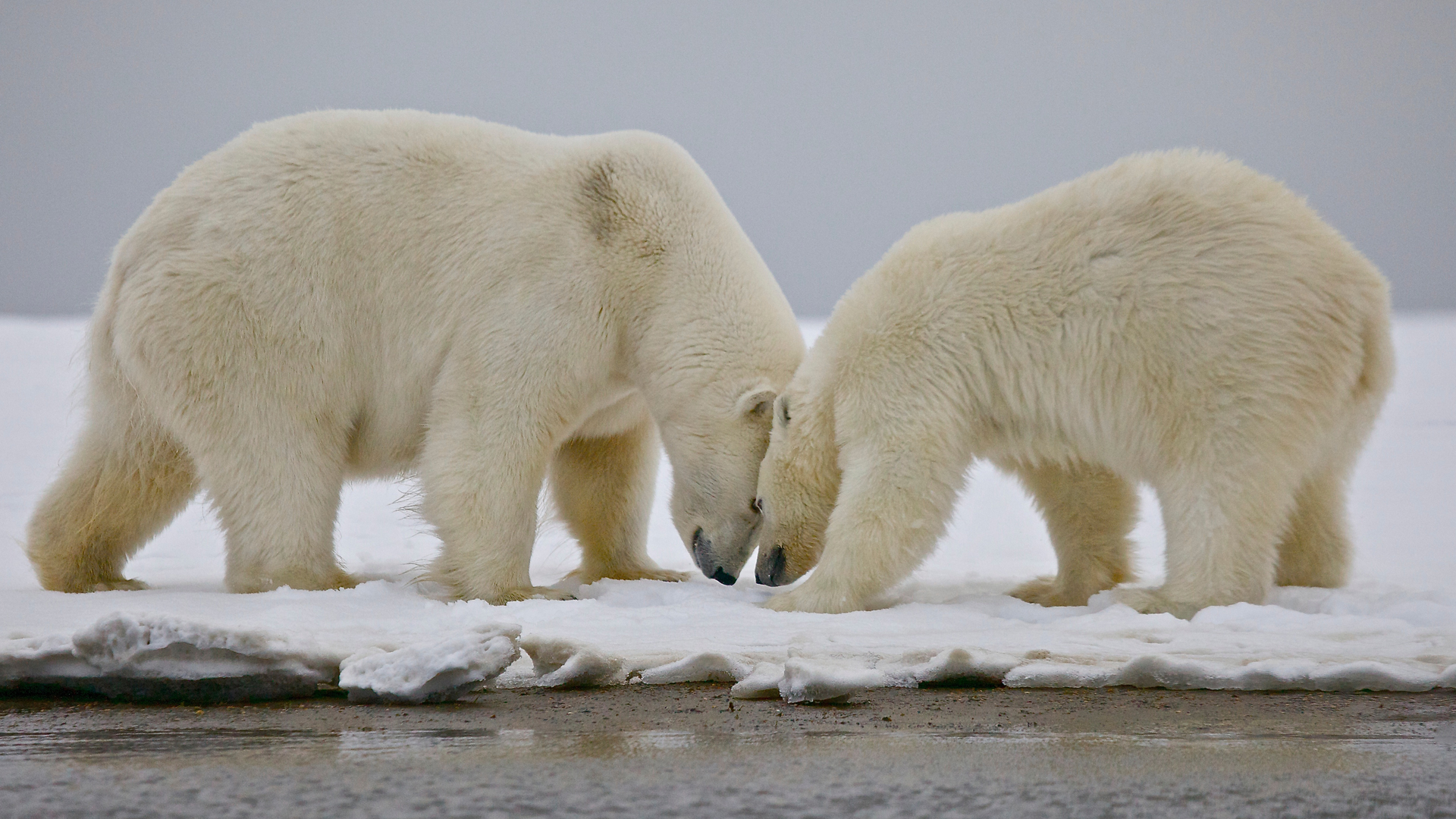
Gates of the Arctic National Park and Preserve is an American national park that protects portions of the Brooks Range in northern Alaska. The park is the northernmost national park in the United States, situated entirely north of the Arctic Circle. The park is the second largest in the US, slightly larger in area than Belgium. Gates of the Arctic was initially designated as a national monument on December 1, 1978, before being redesignated as a national park and preserve upon passage of the Alaska National Interest Lands Conservation Act in 1980. A large part of the park has additional protection as the Gates of the Arctic Wilderness that adjoins the Noatak Wilderness. They form the largest contiguous wilderness in the United States together. Fauna include brown bears, black bears, muskoxen, moose, Dall sheep, timber wolves, wolverines, coyotes, lynxes, marmots, porcupines, river otters, red and Arctic fox species, beavers, snowshoe hares, muskrats, bald eagles, golden eagles, peregrine falcons, ospreys, great horned and northern hawk-owls. More than half a million caribou, including the Central Arctic, Western Arctic, Teshekpuk, and Porcupine herds, migrate through the central Brooks Range twice yearly, traveling north in summer, and south in winter. Caribou are important as a food source to native peoples. The park is the northernmost range limit for the Dall sheep. About 132 brown bears reside in the park and preserve, based on a density of about one bear per 100 square miles.
2025-12-04 08:10:10 +0000 UTC2025-12-04 09:07:03 +0000 UTC (56m)
North America's National Parks

North America's National Parks

The Grand Canyon is a steep-sided canyon carved by the Colorado River in Arizona, United States. The Grand Canyon is 277 miles (446 km) long, up to 18 miles (29 km) wide and attains a depth of over a mile (6,093 feet or 1,857 meters). The canyon and adjacent rim are contained within Grand Canyon National Park, the Kaibab National Forest, Grand Canyon–Parashant National Monument, the Hualapai Indian Reservation, the Havasupai Indian Reservation and the Navajo Nation. President Theodore Roosevelt was a major proponent of preservation of the Grand Canyon area and visited it on numerous occasions to hunt and enjoy the scenery.

2025-12-04 07:13:23 +0000 UTC2025-12-04 08:10:10 +0000 UTC (56m)
Winter Journey to the Polar Circle (Exploring Norway on the Nordlandsbanen)

Winter Journey to the Polar Circle (Exploring Norway on the Nordlandsbanen)

The Nordland Railway in Norway, travels from Trondheim through the isolated regions of Trendelag and Nordland. After Mo I Rana, it traverses the Arctic Circle and ends in the northern Norwegian town of Bodø. The railway covers a distance of some 729 kilometres, passing by dense, snow-covered forests, frozen fjords and snow-capped mountains. Temperatures of sometimes minus 30 degrees are quite normal here for months, on many days there is no more than five hours of daylight. Kindergarten teacher Kaia Aarstrand und her husband, Bjørnar, a technician for the municipality, live with their four boys in Aursletta, deep within the Vistenfjord, far away from civilization. All made possible by the Norwegian state: electricity, mobile phone connection and a speedboat that brings the family to school and to work. But when the Vistenfjord freezes up, the family is isolated for days. Tormod Schøning spends hours on end on his Saltfjellet whenever snowstorms occur and he has to clear the only road connection between North and South Norway with his snow plough. For the duration of his shifts, Tormod lives in the snow plough station.

2025-12-04 04:40:42 +0000 UTC2025-12-04 06:23:06 +0000 UTC (1h42m)