Live & Upcoming Programmes

glCuba

glCuba

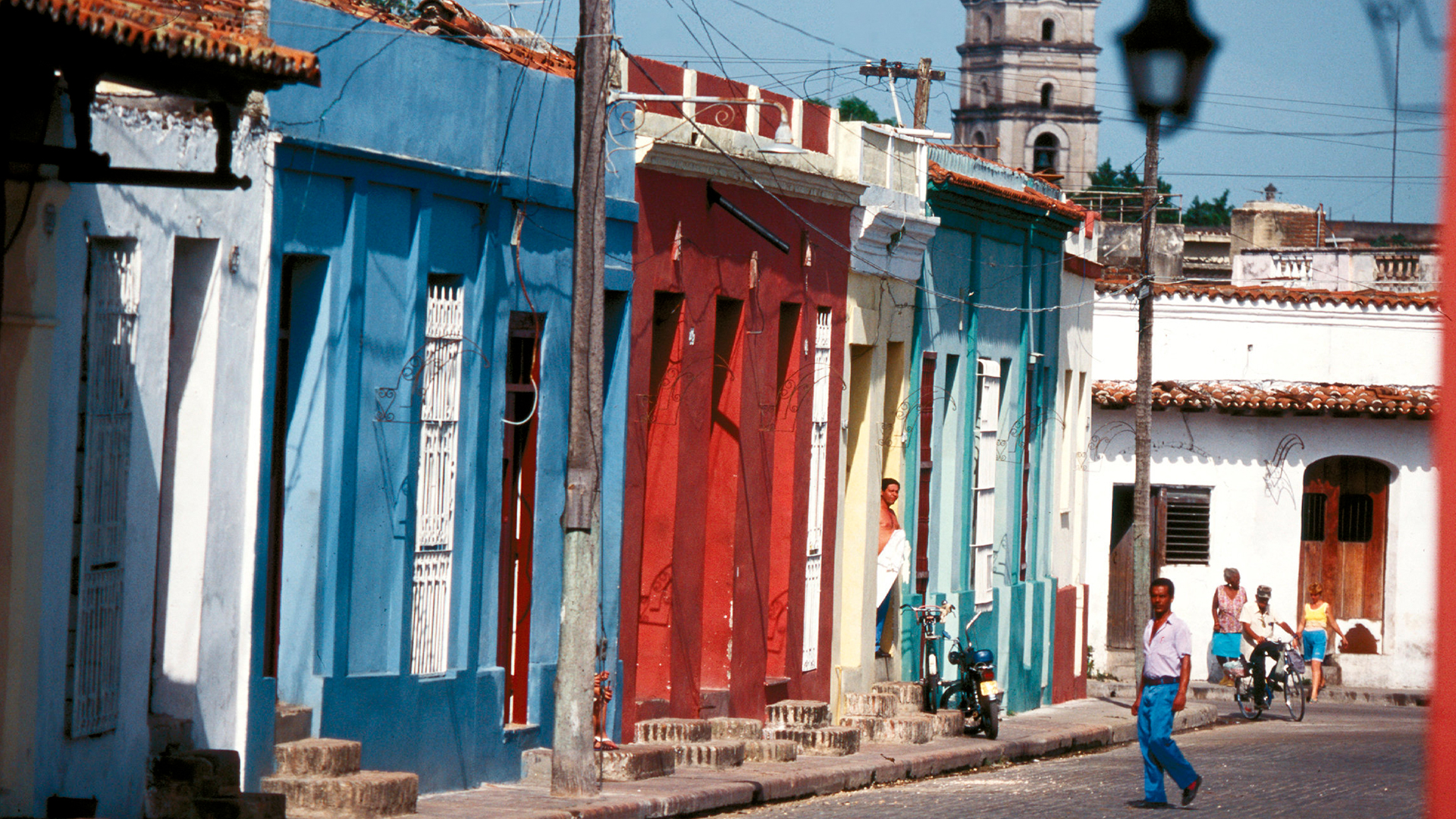
Even anyone who has not yet been to Cuba can conjure up certain images of American vintage street cruisers, imposing buildings that have seen better days, white sandy beaches full of palms and loving couples on the Malecón against a backdrop of crashing waves. This island is somewhat of a myth and its people generate a special joie de vivre. The legendary Hershey Train departs for Matanzas from the capital, Havana. On the oldest electrified railway line in the Caribbean, 60-year-old Spanish carriages make their way along al-most 100 kilometres of coastline in the most relaxed way possible. The Salvavidas on Varadero, probably the most famous beach on the island, have a particular-ly beautiful workplace. The lifeguards' territory ex-tends for more than 20 kilometres. In order to protect the coasts of Cuba, mangroves have been replanted here for many years. The project is supported by the UN and planting is often carried out by schoolchildren. In doing so, Cuban children learn how to treat their maritime habitat in a sustainable fashion. The former colonial city of Trinidad on Cuba's south coast is gen-erally considered to be one of the most beautiful places in the entire Caribbean. The houses here are particular-ly colourful. A plethora of magnificent buildings can be seen at the Plaza Mayor, the neo-baroque main square.

2025-12-06 10:31:41 +0000 UTC2025-12-06 11:22:07 +0000 UTC (50m)
Caribbean sisters: The Lesser Antilles St. Kitts & Nevis

Caribbean sisters: The Lesser Antilles St. Kitts & Nevis

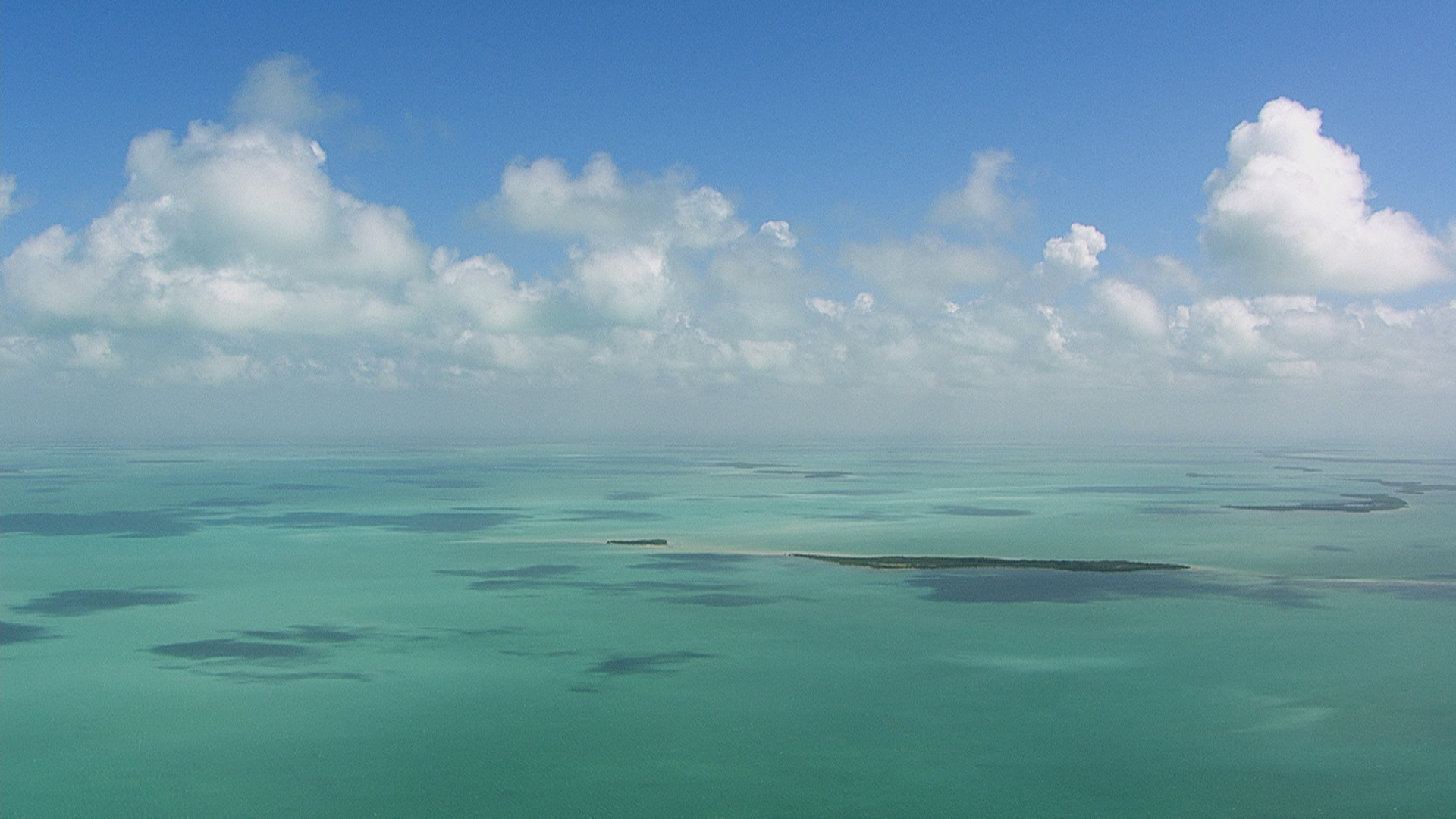
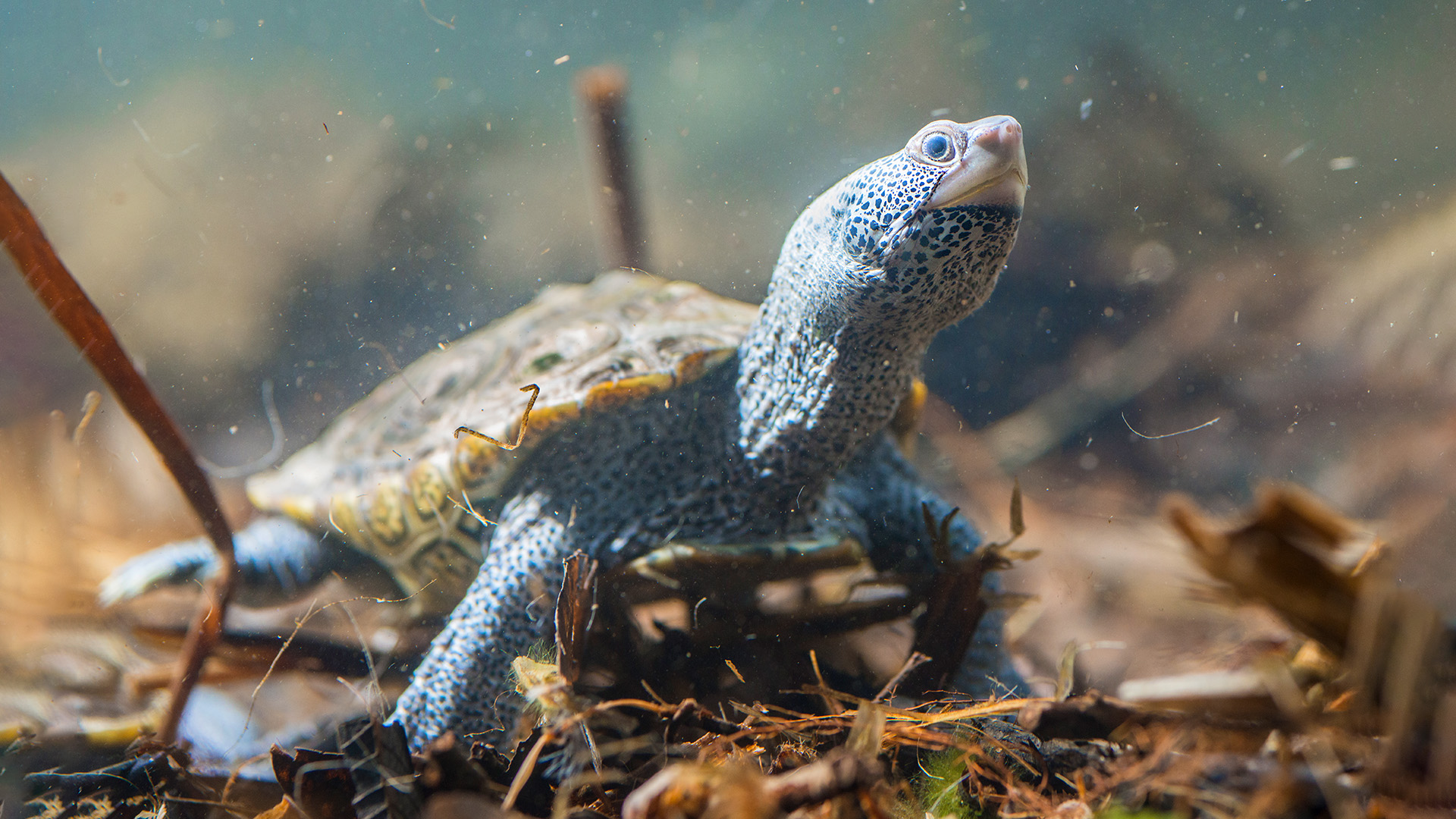
In the centre of the Caribbean, volcanoes rise steeply from the sea, thus shaping the sister islands of St. Kitts & Nevis. Their slopes, covered in lush rainforests, snow-white, sandy beaches and the surrounding tur-quoise tinted waters provide the ultimate setting for this record-breaking, albeit tiny island paradise: Both islets are the smallest of the Caribbean dwarf states and also rank among the world's ten smallest states. A hot pepper sauce, made of a creative mixture of ginger, garlic, thyme and extraordinarily hot chillies that thrive in the hot and humid climate of Nevis, is simmering on the stove of Violet and Llewellyn's house. Lemmy Pemberton digs up abandoned turtle nests with his bare hands, as he wants to be certain that all of the babies have indeed managed to make it. Members of the Turtle Group catch sea turtles in order to take their measurements and fit them with transmitters. Taxi bus-es are not only the main means of transport on St. Kitts & Nevis, they are also an artistic expression of each driver's personality. Colourfully embellished, each taxi represents island art on wheels.

2025-12-06 09:41:09 +0000 UTC2025-12-06 10:31:41 +0000 UTC (50m)
mareTV

mareTV

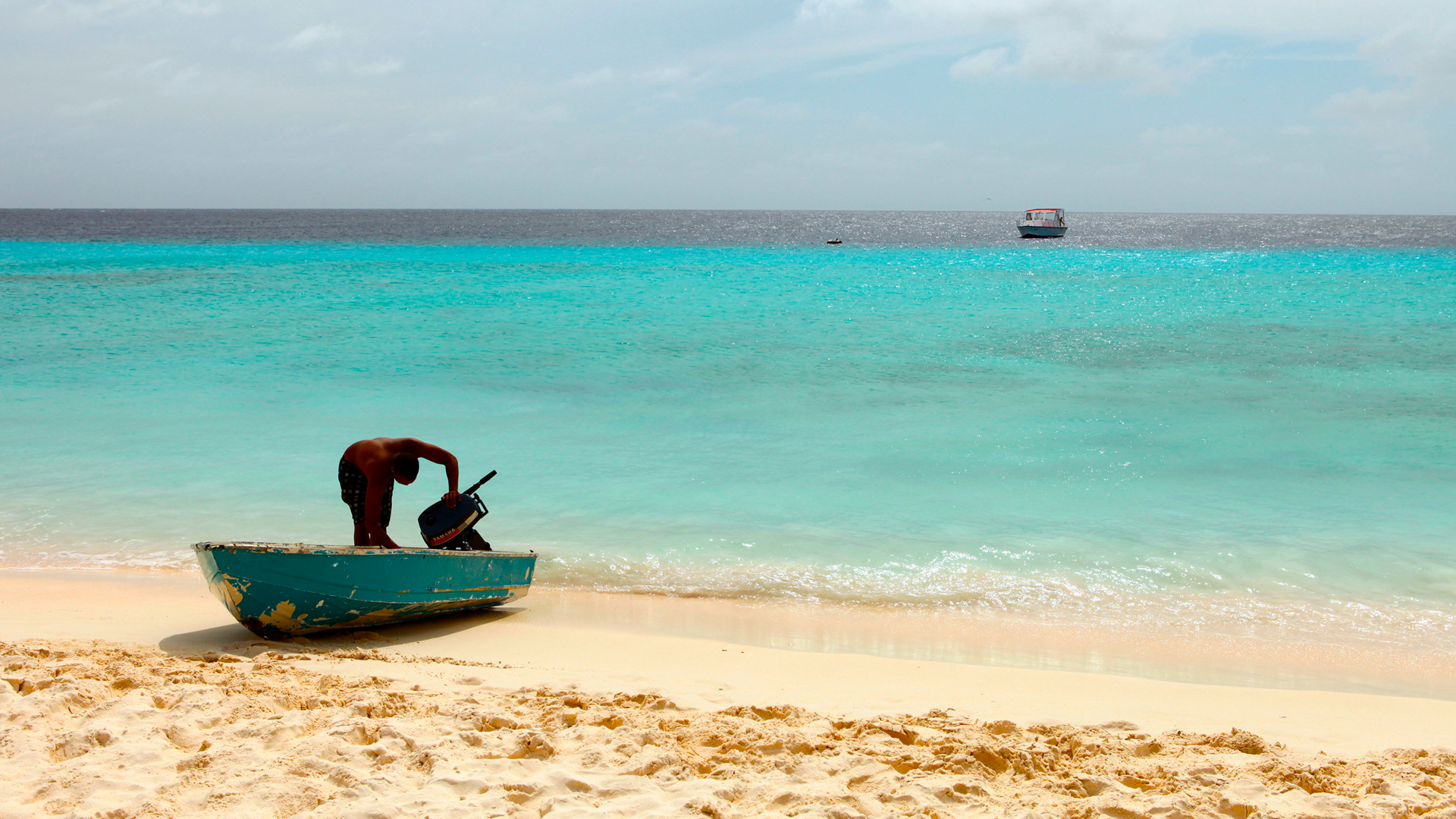
Curacao is one of the most popular attractions for countless cruise ships on their trips through the Caribbean, because it is located outside of the hurricane belt. This is why Eric Miguel is constantly in action. He is the bridge keeper of the Queen Emma Bridge, the landmark of Curacao's capital, Willemstad. After his shift, Eric goes to Yvonne Troeman's cook-shop. Her speciality is Kadushi, a cactus soup. The ingredients include cactus flesh, pigtail's, mussels and a few secret "treats". Barbara van Bebber is the only submarine pilot on Curacao and literally gets to the bottom of things amidst the turquoise-blue wonder of the Caribbean. She charters out her sub to marine biologists and wealthy private explorers, simultaneously cleaning up on the seabed. Her "Curasub" has claw arms, which she employs to remove anything that doesn't belong down there: beer bottles, car tyres, and plastic refuse. Jeroen Eikelenboom simply carts sand from a neighbouring cove to his own surf club in his favourite bay.

2025-12-06 08:50:46 +0000 UTC2025-12-06 09:41:09 +0000 UTC (50m)
mareTV

mareTV

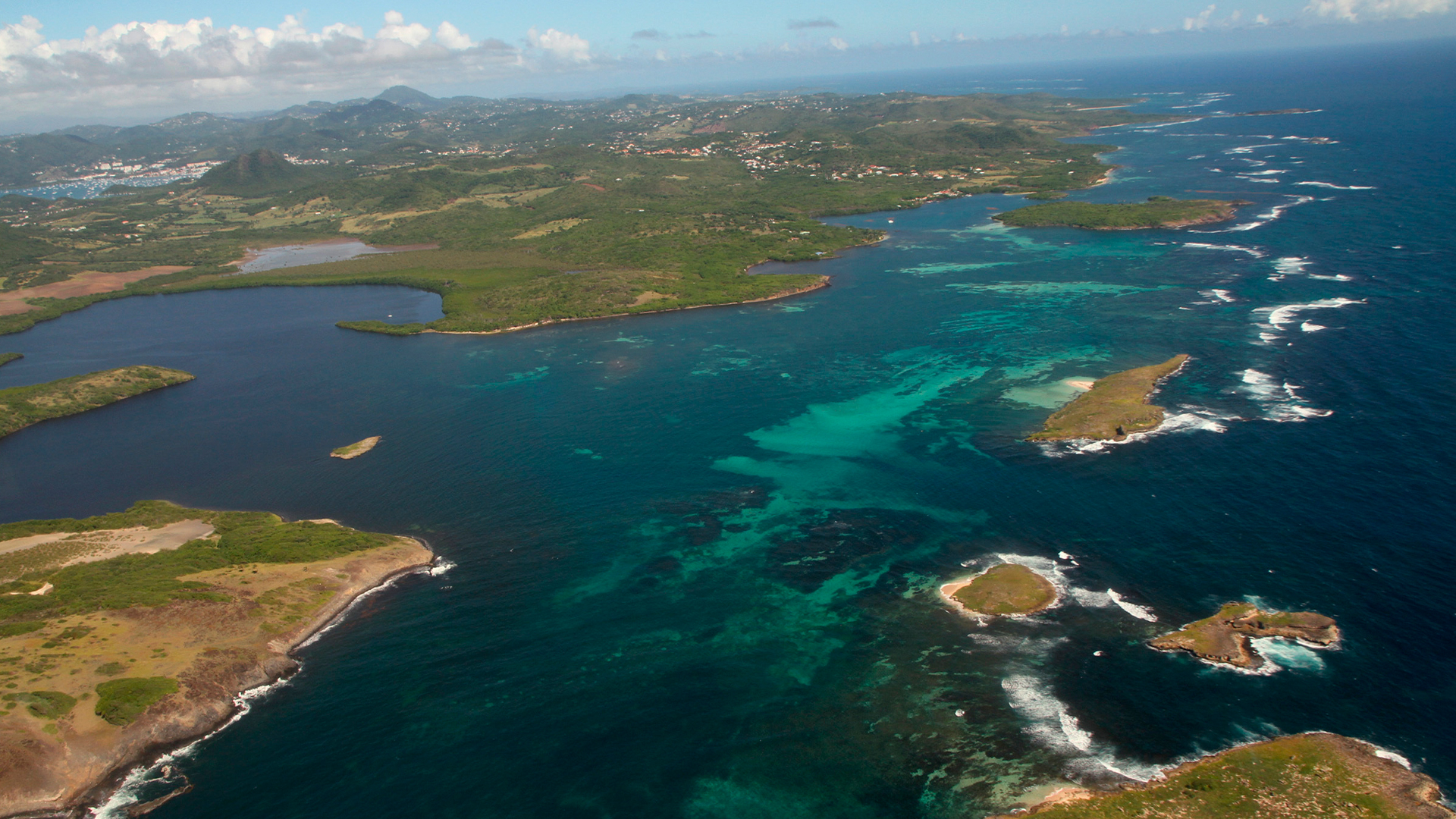
The island of Martinique is a piece of France in the Caribbean, between Florida and South America. And of course, Savoir-vivre applies just as it does on the other side of the Atlantic, between the English Channel and the Mediterranean. Jacky Pascault is the first and only man to cultivate mushrooms in the Caribbean. Everywhere else, they grow on artificially fertilised soil, but Jacky's Champignons Tropicaux flourish on sugar cane fibres. Nicole Vilo tailors hats and dresses out of coconut palms. Of course, the catwalk for the models wearing her first collection is one of the countless dream beaches. The Martiniquais sail on boats they call Yole, which have no keel and are therefore difficult to navigate. The crew members hang over the water in breakneck fashion on long wooden poles. Just the job for Yole-boss Max' "problem kids": they not only learn complicated handling, but also team spirit.

2025-12-06 08:00:44 +0000 UTC2025-12-06 08:50:46 +0000 UTC (50m)
mareTV

mareTV

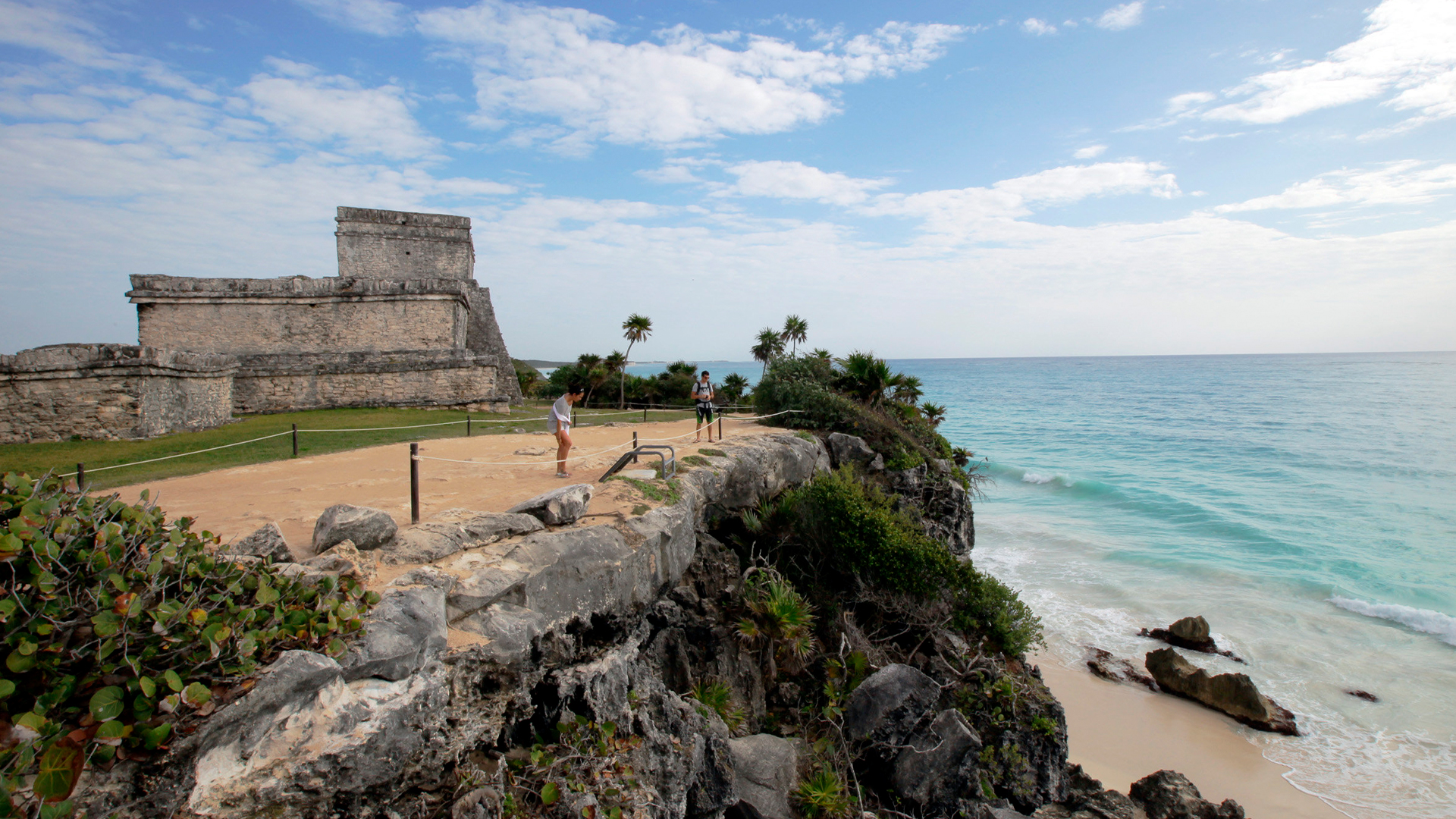
The palm tree laden beaches on Mexico's Riviera Maya on the Yucatan peninsula are endless, and the turquoise sea with its gentle Caribbean surf is a warm 25 degrees during the mild winter in this part of the world. Between Cancún and Punta Allen, where once there was little more than bushland and a few sleepy fishing villages, vibrant life has evolved during the past three decades. Richard Sowa has lived on a floating island for the past 15 years: an island he built himself out of empty plastic bottles. The bon vivant him-self sees it as a "solution for our planet's refuse problem". Off Punta Allen, a village in the bay of Sian Ka'an, Mexican Mara Coral Ley and her cousin Kim, continue to catch lobsters by adhering to the traditional method and were awarded an "Eco seal for sustainable fishing" for their trouble. It is silent under water off Isla Mujeres and it is here that the artist Jason deCaires has constructed a sculpture park. Hundreds of lifesize figures form an artificial reef at a depth of 12 metres. Fish and plants complete his work of art. The master himself is convinced: "Mother Nature is the true artist".

2025-12-06 07:10:17 +0000 UTC2025-12-06 08:00:44 +0000 UTC (50m)
Dust And Stripes

Dust And Stripes

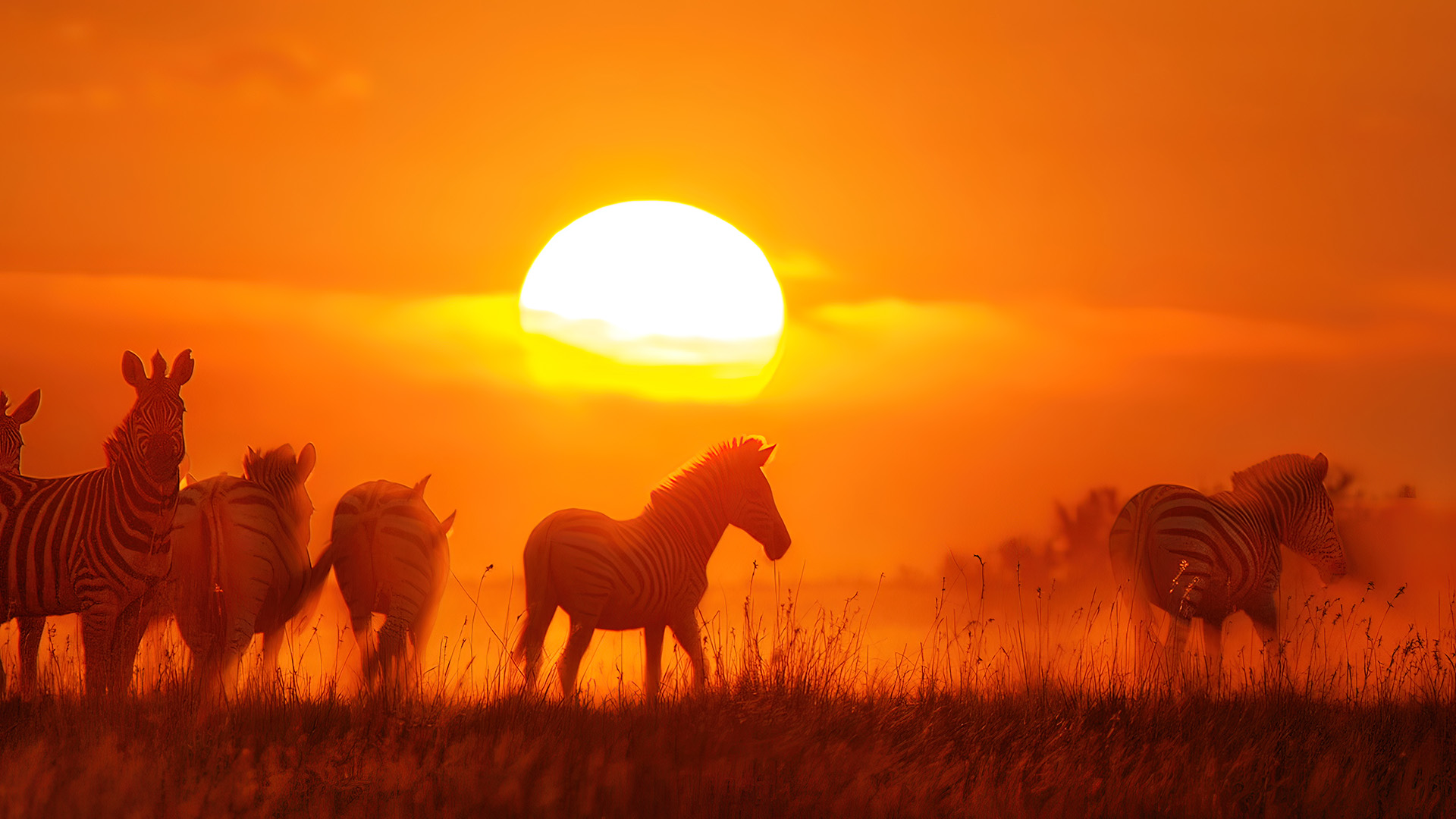
In a never-ending quest for grass and water, the striped herds undertake an annual epic trek across the vast lunar landscape of the Kalahari's Makgadikgadi Pans. Most of the year, the Makgadikgadi is an inhospitable wasteland of windswept, salt-encrusted pans. For the area's water-dependent zebra, the Boteti River on the western edge of the pans is a dry-season lifeline. However, it is also a death trap, with lions waiting in ambush and crocodiles lurking in dark riverside caves.

2025-12-05 21:32:26 +0000 UTC2025-12-05 22:32:00 +0000 UTC (59m)
Rewilding: Back to Nature

Rewilding: Back to Nature

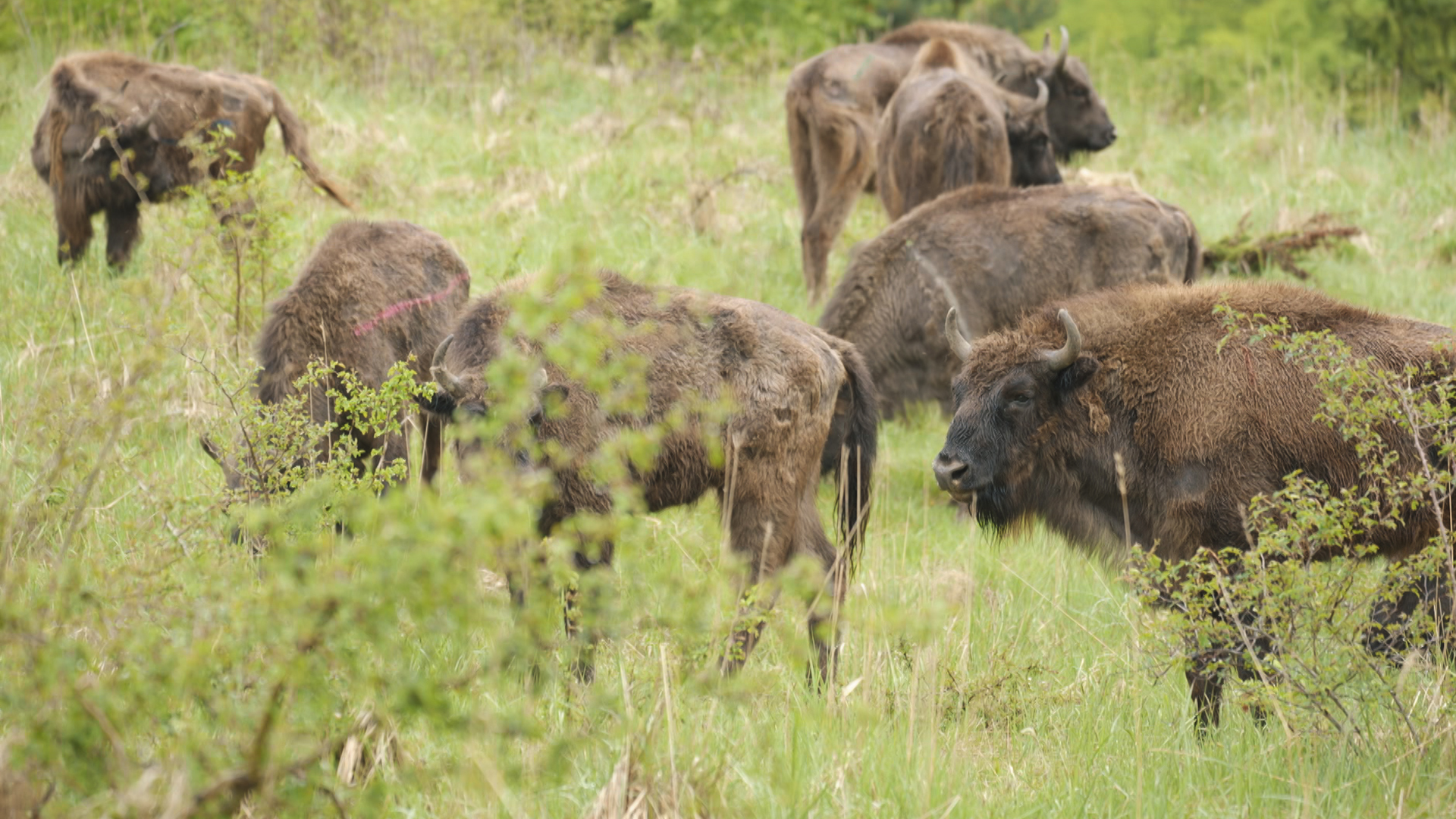
Worldwide, there are various projects and approaches to give nature more space again. The aim is to create larger wilderness areas that develop with hardly any influence of humans - by reintroducing so-called key animal species and creating a network of wilderness corridors across entire continents. Rewilding promises to be a cost-effective form of conservation in which we can boost biodiversity and protect the climate.

2025-12-05 20:32:21 +0000 UTC2025-12-05 21:32:26 +0000 UTC (1h)
Wild Prairie Man

Wild Prairie Man

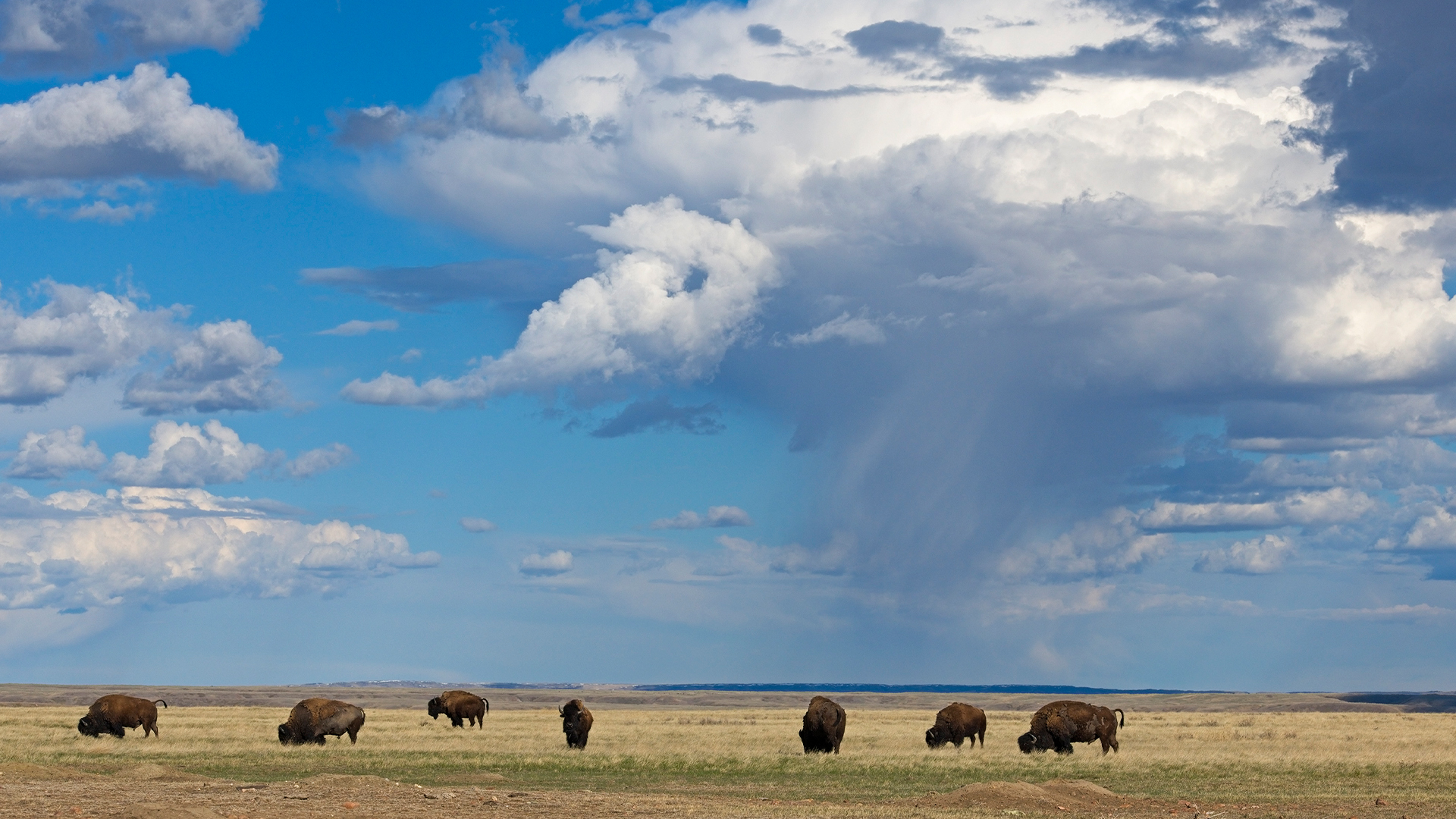
Located in the Northern Great Plains of Canada, Grasslands National Park has been a 20 year odyssey for wildlife photographer James R. Page. For James, critters are more interesting than people and he shares some of his iconic images and experiences from this endangered ecosystem. We showcase the parks wilderness that is dominated by prairie light and dark sky, the wildlife, prairie dogs, mesmerizing landscapes, and bisons. We immerse ourselves in the wild habitat of Grasslands National Park for over a year capturing some never before scenes in the Wild Prairie. James R. Page's connection to the land and the wildlife provides an unforgettable journey into the heart of this endangered ecosystem, while Park experts help us understand its complexity.

2025-12-05 17:29:58 +0000 UTC2025-12-05 18:33:14 +0000 UTC (1h3m)
Under the Spell of Horses

Under the Spell of Horses

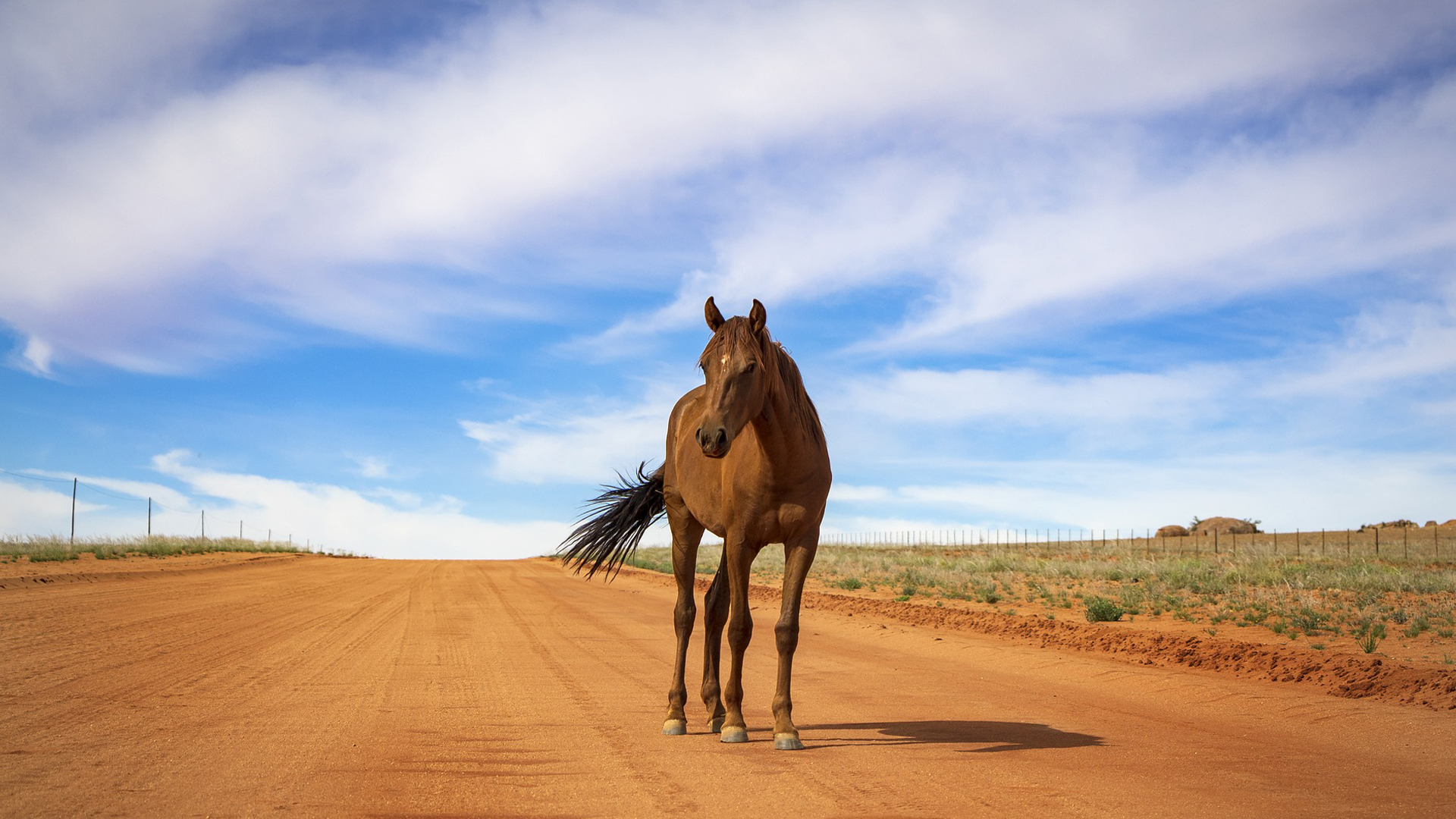
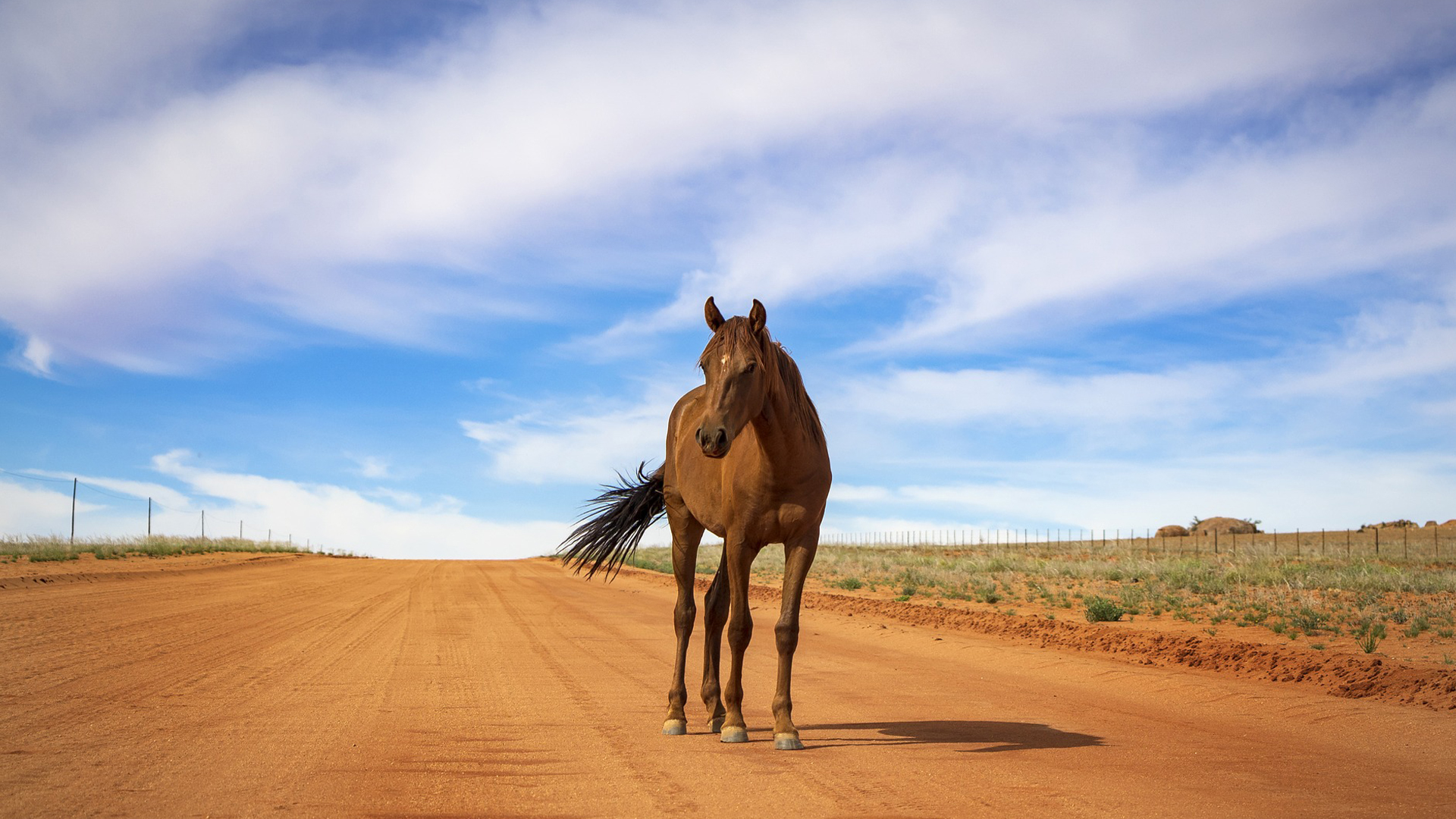
Proud elegance, silky-shiny coats and a graceful, powerful physique – the supreme Marwari horses have been worshipped in India as magical creatures for thousands of years. People say they descended directly from the Gods, that once when the Gods were sitting round the fire, there was so much soot that one of the Gods had to cry. One of the tears from his right eye changed into a stallion, and one of his tears from the left eye produced a mare. Ever since, the people in Rajasthan have believed that horses are Gods. Maharaja – palaces, temples and citadels, women in colourful saris and men with bright turbans – the land of the Rajas, the king's sons, arouse fantasies reminiscent of One Thousand and One Nights. Lively trading and war-related incidents from the past have led to the emergence of a unique horse culture in the region: Marwaris are the proud horses of the Indian Rajas. Each year in November, the small, barren desert oasis of Pushkar is transformed into a place of pilgrimage for millions of Indians. Everybody who is anybody on the horse scene in Rajasthan - Maharajas, breeders and horse masters - meets at the Pushkar Mela, the turbulent market for over 50,000 horses and camels. Pushkar is the place where the legendary Marwaris are bought and sold.
2025-12-05 16:28:42 +0000 UTC2025-12-05 17:29:58 +0000 UTC (1h1m)
Under the Spell of Horses

Under the Spell of Horses

Iceland, the island of longing in the North. The biggest volcanic island in the world is known for its grandiose landscape, for its geysers and glaciers. But it is even more famous for its horses. Icelandic horses are considered the liveliest horses in the whole of Europe with the greatest stamina. They tölt over mossy banks and lava rock unfazed by rivers, glaciers and scree slopes. In Nordic mythology the steed are never far behind the warriors. Where would Siefgried be without his horse Grani, or Odin without Sleipnir. Even the sun wouldn't rise or set if “awake early” and “very quick” weren't pulling their chariot. From the beginning of colonisation, the Icelanders had the kind of close relationship with their horses usually only seen among the horse-riding peoples of Central Asia. And something of this love for horses still exists today. Life without horses would be unthinkable for Haukur Goroarsson, too. The 34-year old lives with his family in Vatnsdalur, a fertile valley in the North four hours by car from the capital city, Reykjavik. For him Icelandic horses are “a sort of Viking on four legs”. The settlement of this inhospitable island on the Arctic Circle would not have been possible without the animals. The stone deserts in the country's interior are too vast to be crossed on foot.

2025-12-05 15:27:42 +0000 UTC2025-12-05 16:28:42 +0000 UTC (1h1m)