Live & Upcoming Programmes

Portugal's Nature Parks

Portugal's Nature Parks

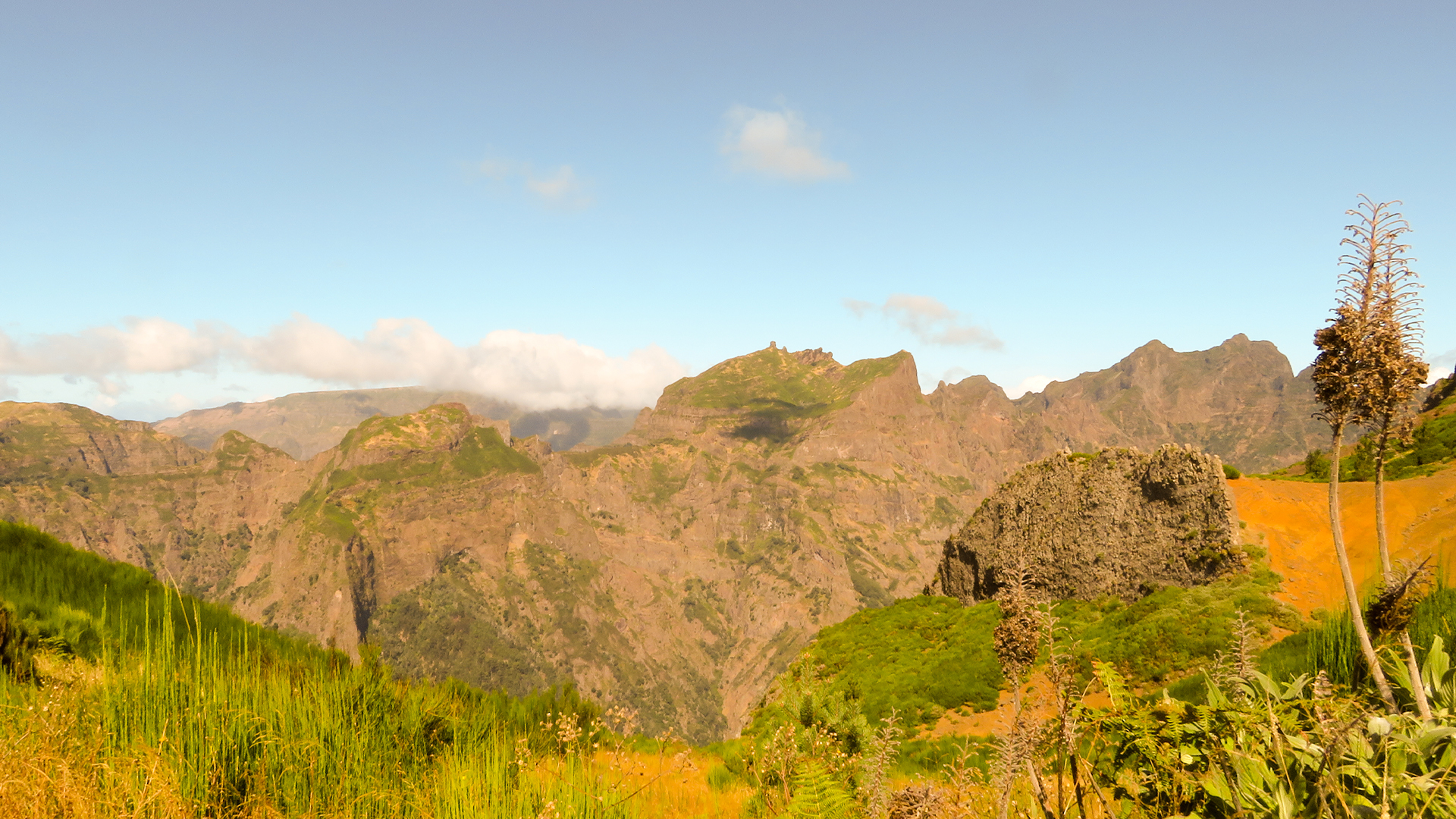
Madeira - Portugal's autonomous island in the Atlantic Ocean, is closer to the African coast than to the mother country Portugal, from which it is separated by about 900 kilometers. The island's name comes from Portuguese sailors who claimed the uninhabited isle for themselves in 1419. Madeira means wood and that was available in abundance. Almost the entire surface was covered by dense forest. Since 1982, two-thirds of the landscape has been protected.

2025-12-10 21:46:58 +0000 UTC2025-12-10 22:47:34 +0000 UTC (1h)
Portugal's Nature Parks

Portugal's Nature Parks

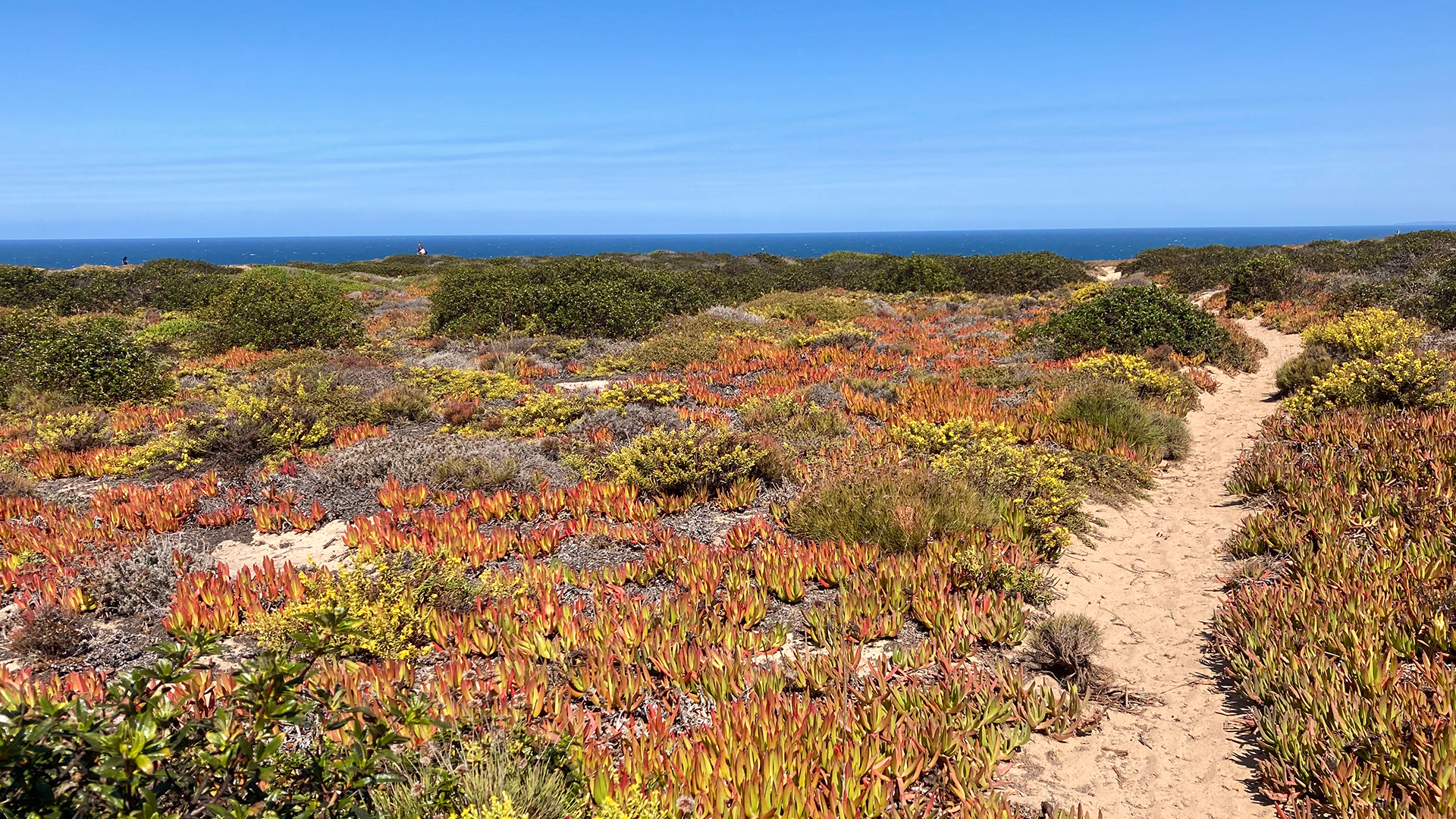
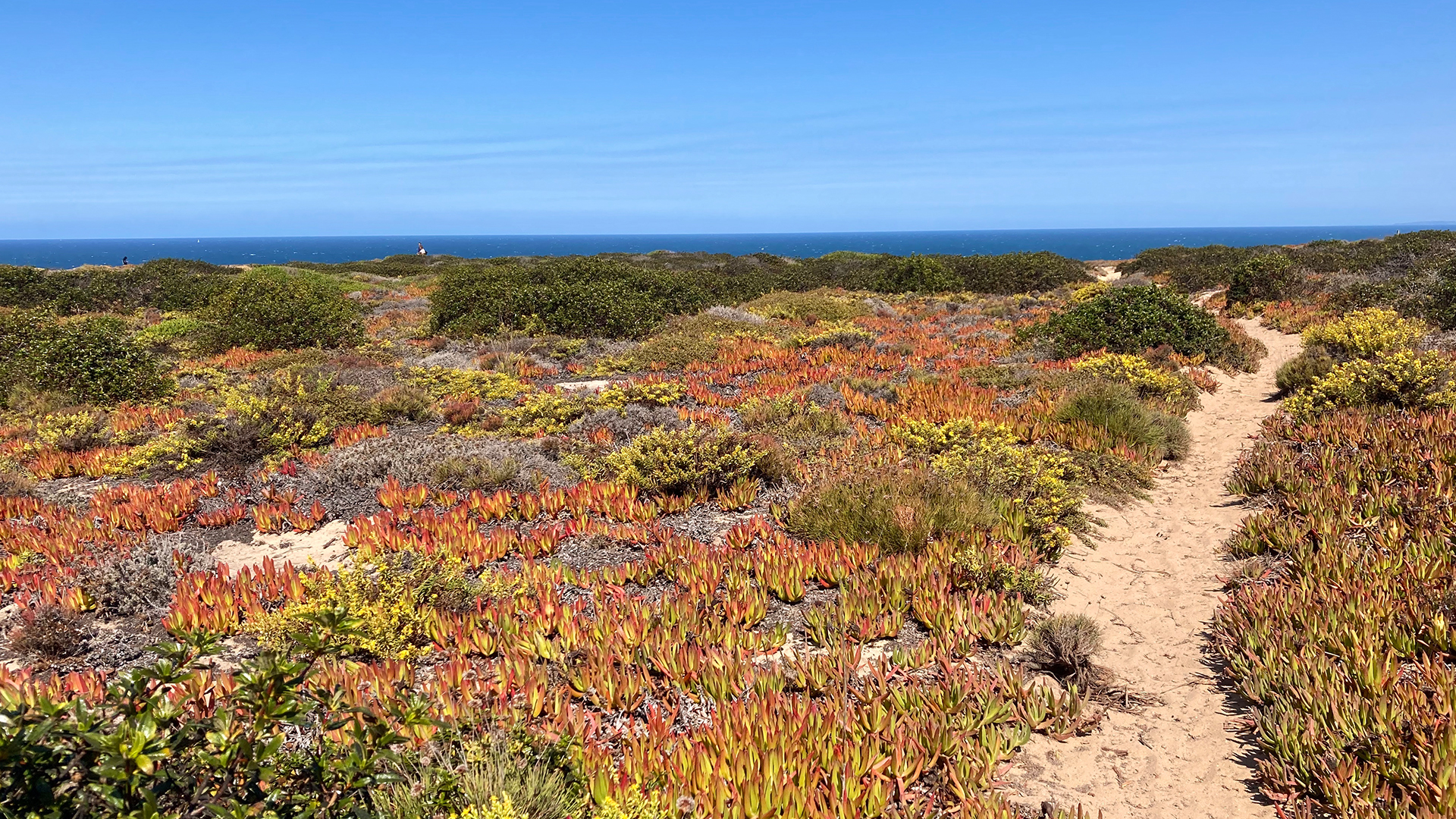
In the southwest of Portugal lies the little known Parque Natural do Sudoeste Alentejano e Costa Vicentina. It encompasses a narrow coastal strip that runs along the coast to the south of Portugal. Sparsely populated, this coastal region, which was placed under protection in 1988, is considered one of the last intact ecosystems in Europe. The steep cliffs, the almost constant wind and high waves have ensured that mass tourism has not gained a foothold here. There are still near-natural forests and a diverse bird life.

2025-12-10 20:46:17 +0000 UTC2025-12-10 21:46:58 +0000 UTC (1h)
Portugal's Nature Parks

Portugal's Nature Parks

The highest mountain range in Portugal is the Serra da Estrela. The episode embarks on a voyage of discovery to adventurous rock formations and villages steeped in tradition. The nature park is the largest protected area on the Iberian peninsula. In the mountain range we accompany the young scientist Ana Matos, who wants to breathe new life into old traditions, and cheese maker Maria Natália Lopes. She watches over more than 350 sheeps.

2025-12-10 19:45:35 +0000 UTC2025-12-10 20:46:17 +0000 UTC (1h)
Portugal's Nature Parks

Portugal's Nature Parks

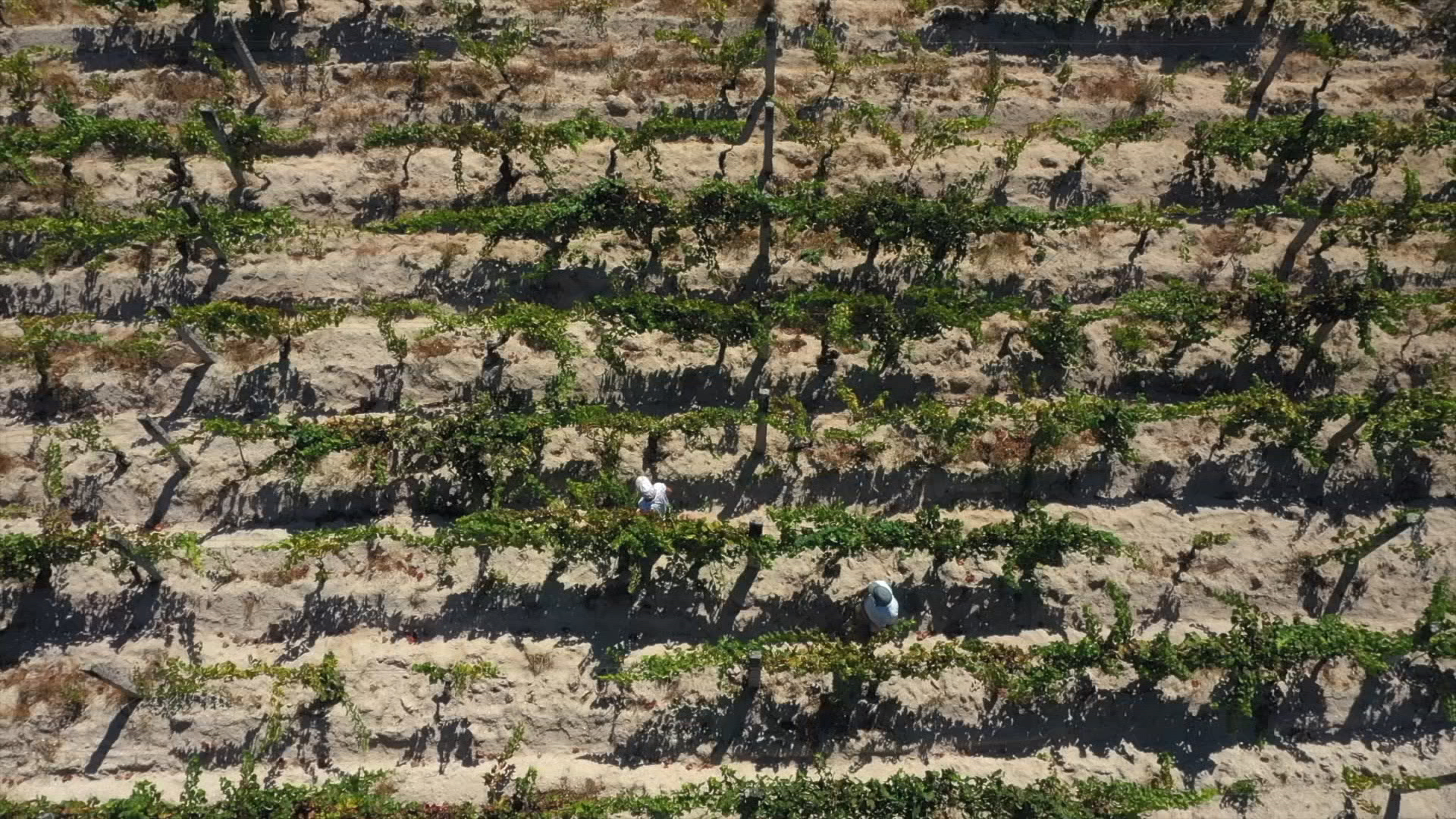
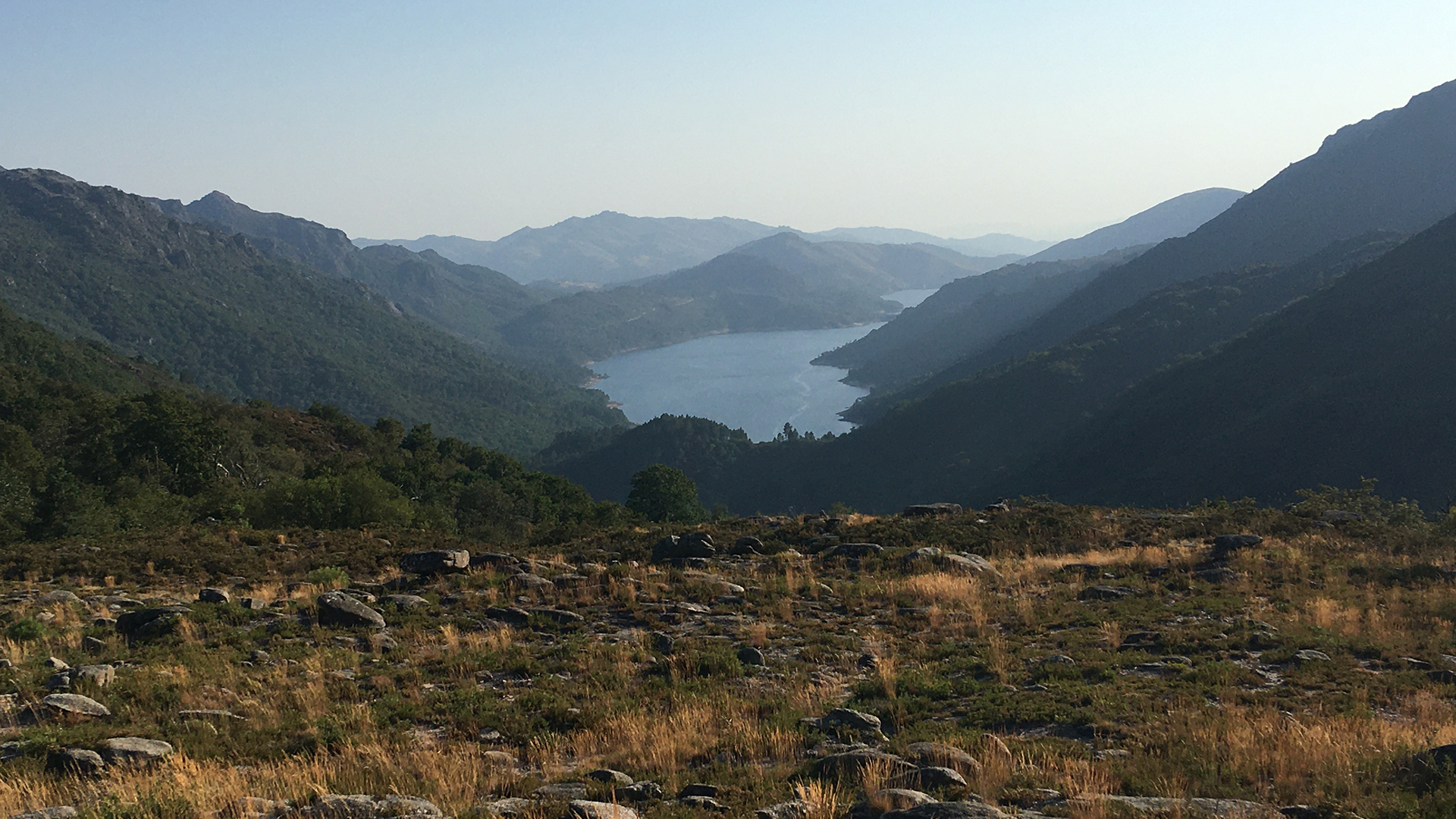
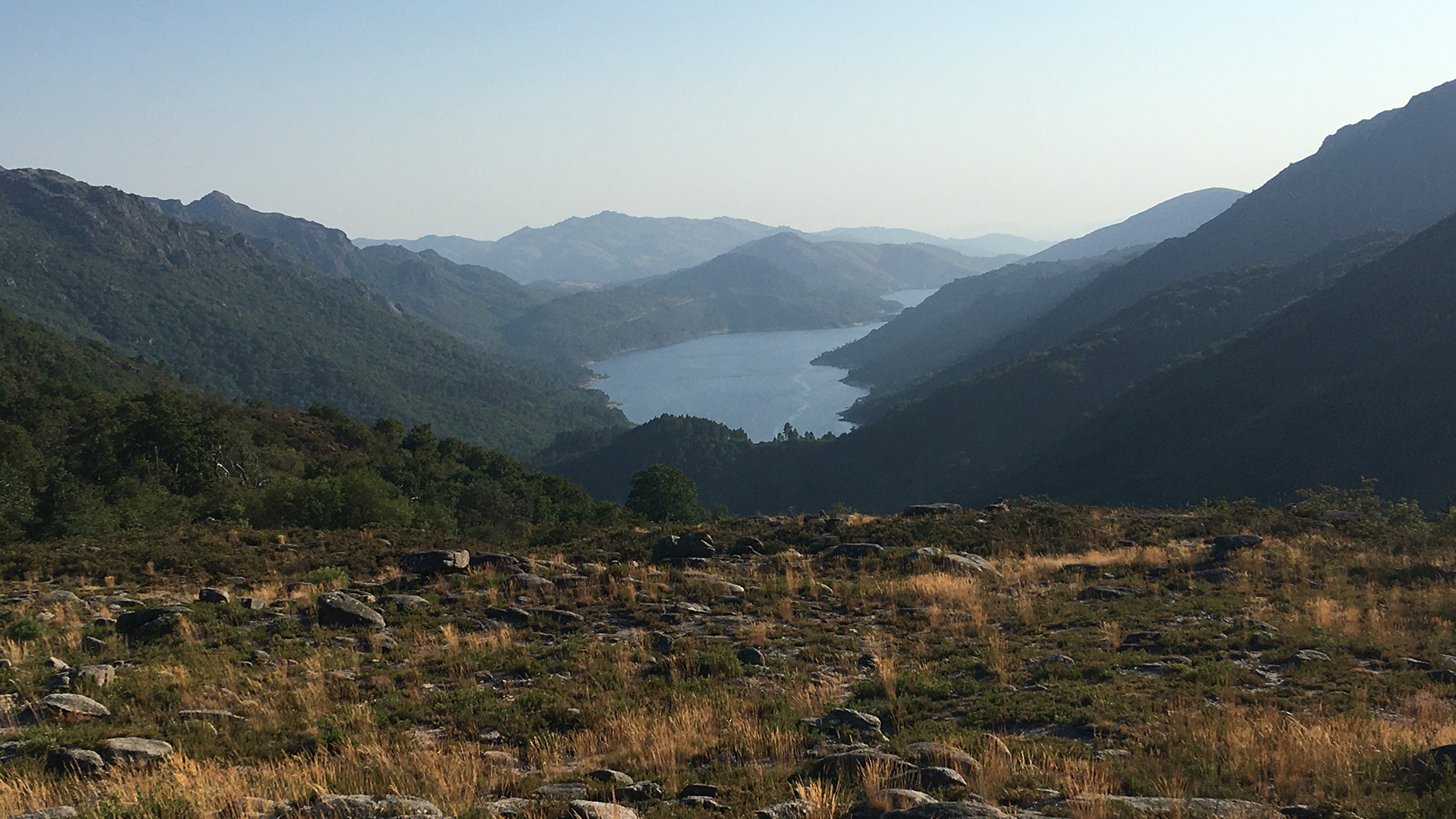
The Parque Nacional Peneda-Gerês is the only national park in Portugal. An area of almost 700 square kilometers, located in the extreme north of Portugal. Barren and rocky ridges in the plateaus, contrast with large forests and lush ground vegetation in deep valleys, crossed by lakes and rivers. The park is known for its oak forests, which are predominantly pedunculate and Pyrenean oaks. Among the typical animals of the park are the small Garrano ponies, a very old breed of horse and the only one in Europe that still lives in the wild.

2025-12-10 18:44:49 +0000 UTC2025-12-10 19:45:35 +0000 UTC (1h)
Myths of the Congo

Myths of the Congo

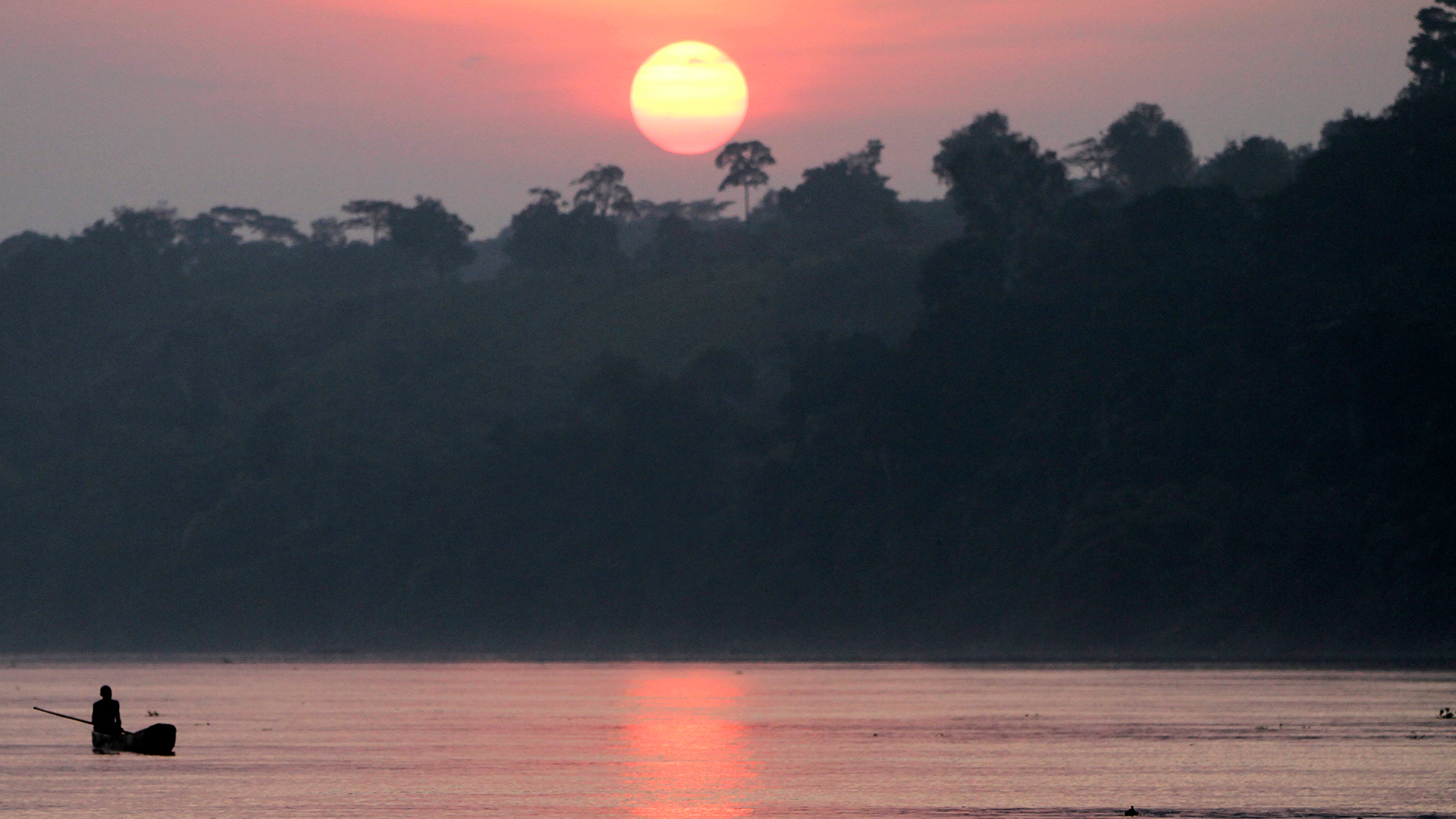
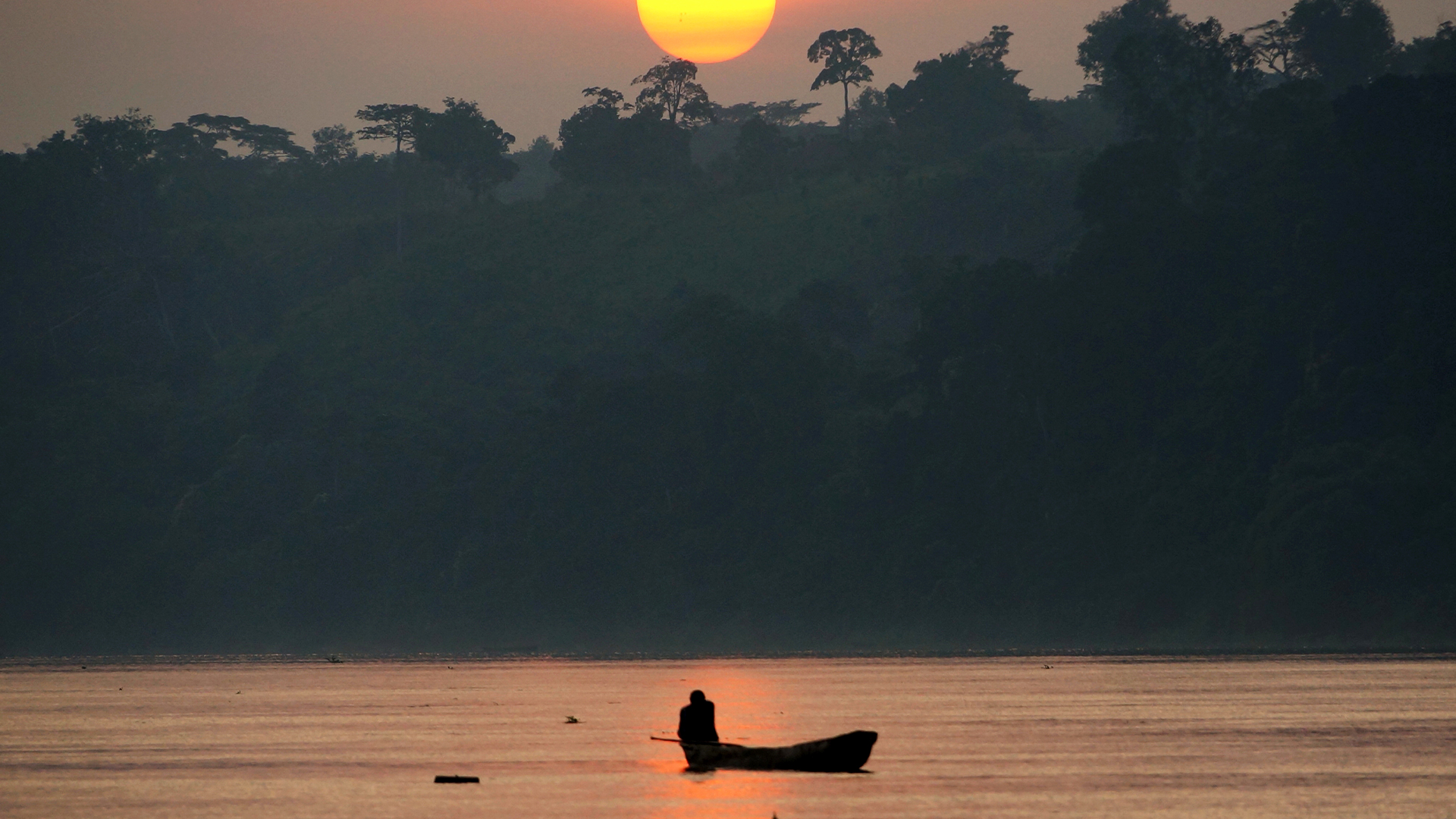
The river that swallows all rivers - this is what the natives call it. In reality, the Congo, when considering its water masses, is the second largest and the deepest river in the world. At its source in the north of Zambia, it starts out as a mere trickle, but on its journey westwards it grows and grows, becoming ever mightier and with it, the animals, too: the shoebill stork hides in the dense papyrus. Metre-long pythons hunt for their prey in trees and huge hippos fight for power and respect in the water. To survive in the Congo, animals have to adapt to extreme conditions. Here, evolution has spawned unique creatures: fish with lungs, wings and those that go hunting on land. The Congo River feeds the second largest rainforest on earth. Here is the home of the forest elephant. Time and again, they are summoned to this one, magic place: the Dzanga Bay. Countless other forest dwellers join them. What makes this place so special?

2025-12-10 17:48:05 +0000 UTC2025-12-10 18:44:49 +0000 UTC (56m)
Myths of the Congo

Myths of the Congo

The Congo, mighty and deep like no other river - yet still a retreat and a habitat for several of our world's strangest animals. Our closest relatives live deep inside the dense jungles: three of the four giant ape species have made the Congo basin their home. Rich in extraordinary footage, the second episode of "Myths of the Congo" also presents exciting insights into one of the most mysterious and dangerous regions on earth.

2025-12-10 16:53:30 +0000 UTC2025-12-10 17:48:05 +0000 UTC (54m)
Stories of the Mediterranean Forest: Sierra Morena

Stories of the Mediterranean Forest: Sierra Morena

The Mediterranean Basin is one of the planet's most biologically rich and complex regions. The crossroads of Europe, Asia and Africa is considered to be one of Earth's biodiversity hotspots. A vast number of both animal and plant species unique to the region live in its various habitats. The Mediterranean Basin is located in one of the planet's temperate zones. The subtropical climate makes it colder and wet here in winter, hot and dry in summer and mild and rainy in autumn and spring.

2025-12-10 09:49:10 +0000 UTC2025-12-10 10:47:56 +0000 UTC (58m)
Portugal's Nature Parks

Portugal's Nature Parks

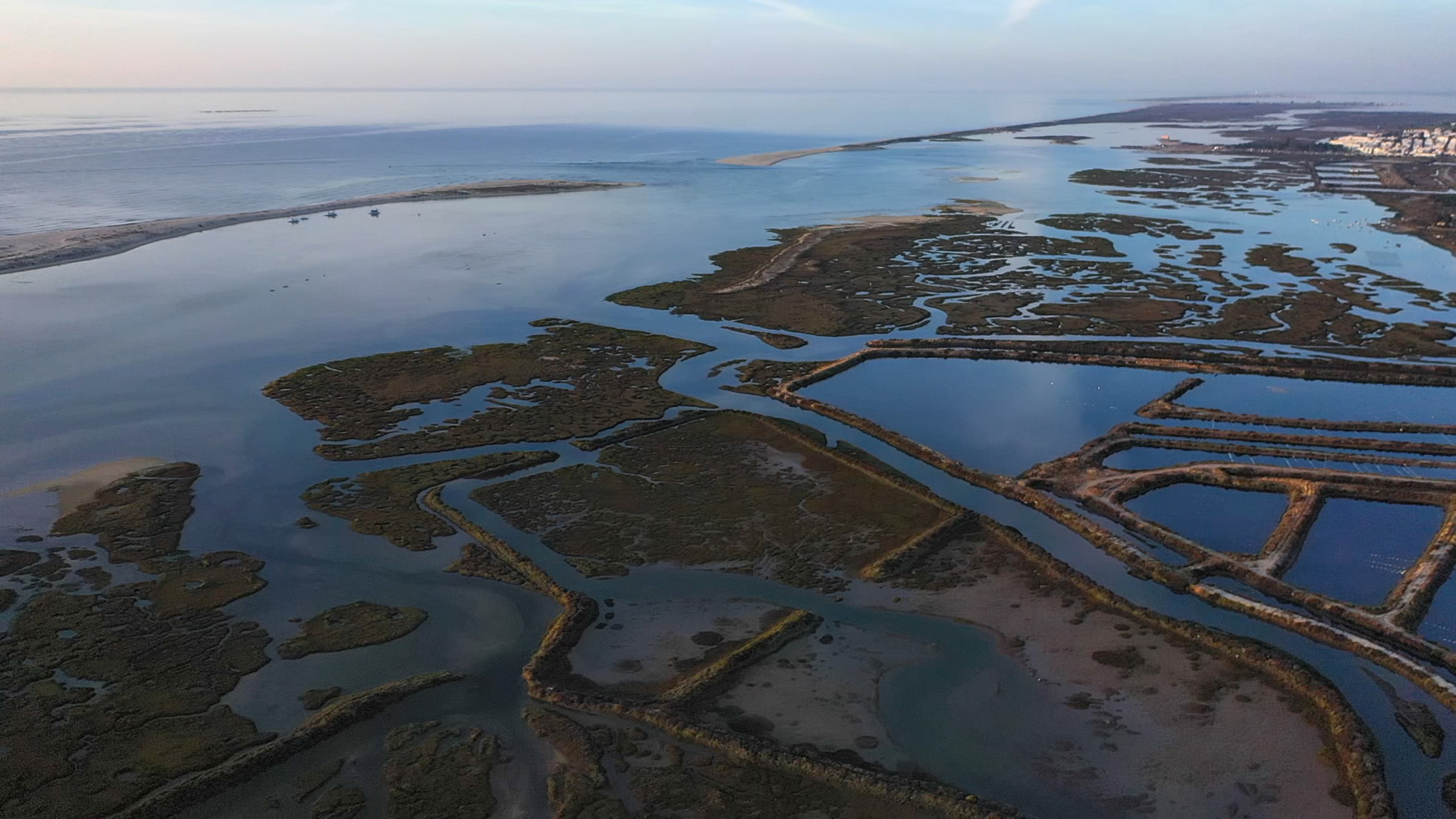
The "Parque Natural da Ria Formosa" is one of the largest lagoon conservation areas in Europe. Bordered by five natural islands. A mosaic of sandbanks, brackish and freshwater lagoons and salt marshes. In 2010, the "Ria Formosa" was chosen as one of the seven natural wonders of Portugal. It is a unique ecosystem: in the winter months, more than 20,000 birds gather here. In addition, the nature park has one of the largest seahorse populations internationally. More than half of all fish species in the Atlantic are said to spawn in the lagoon.

2025-12-10 08:48:24 +0000 UTC2025-12-10 09:49:10 +0000 UTC (1h)
Portugal's Nature Parks

Portugal's Nature Parks

Madeira - Portugal's autonomous island in the Atlantic Ocean, is closer to the African coast than to the mother country Portugal, from which it is separated by about 900 kilometers. The island's name comes from Portuguese sailors who claimed the uninhabited isle for themselves in 1419. Madeira means wood and that was available in abundance. Almost the entire surface was covered by dense forest. Since 1982, two-thirds of the landscape has been protected.

2025-12-10 07:47:47 +0000 UTC2025-12-10 08:48:24 +0000 UTC (1h)
Portugal's Nature Parks

Portugal's Nature Parks

In the southwest of Portugal lies the little known Parque Natural do Sudoeste Alentejano e Costa Vicentina. It encompasses a narrow coastal strip that runs along the coast to the south of Portugal. Sparsely populated, this coastal region, which was placed under protection in 1988, is considered one of the last intact ecosystems in Europe. The steep cliffs, the almost constant wind and high waves have ensured that mass tourism has not gained a foothold here. There are still near-natural forests and a diverse bird life.

2025-12-10 06:47:07 +0000 UTC2025-12-10 07:47:47 +0000 UTC (1h)
Portugal's Nature Parks

Portugal's Nature Parks

The highest mountain range in Portugal is the Serra da Estrela. The episode embarks on a voyage of discovery to adventurous rock formations and villages steeped in tradition. The nature park is the largest protected area on the Iberian peninsula. In the mountain range we accompany the young scientist Ana Matos, who wants to breathe new life into old traditions, and cheese maker Maria Natália Lopes. She watches over more than 350 sheeps.

2025-12-10 05:46:25 +0000 UTC2025-12-10 06:47:07 +0000 UTC (1h)
Portugal's Nature Parks

Portugal's Nature Parks

The Parque Nacional Peneda-Gerês is the only national park in Portugal. An area of almost 700 square kilometers, located in the extreme north of Portugal. Barren and rocky ridges in the plateaus, contrast with large forests and lush ground vegetation in deep valleys, crossed by lakes and rivers. The park is known for its oak forests, which are predominantly pedunculate and Pyrenean oaks. Among the typical animals of the park are the small Garrano ponies, a very old breed of horse and the only one in Europe that still lives in the wild.

2025-12-10 04:45:39 +0000 UTC2025-12-10 05:46:25 +0000 UTC (1h)
One Year in Norway's Lofoten

One Year in Norway's Lofoten

Winter means more than just the beginning of the year for the people of Lofoten: For more than a thousand years, Lofoten has been a hub for cod fishing, with seasons lasting from February to April as huge shoals migrate from the Barents Sea to these waters. During these hectic months, more than 65,000 tons of fish are brought to shore, securing the income for the whole of Lofoten for years to come. Around a quarter of the fish caught ends up on lines to dry upon racks. From a young age, the children from the fishing villages get to earn some pocket money by cutting cod tongues and selling the produce as a delicacy appreciated by the locals.

2025-12-09 23:02:51 +0000 UTC2025-12-09 23:57:54 +0000 UTC (55m)
mareTV

mareTV

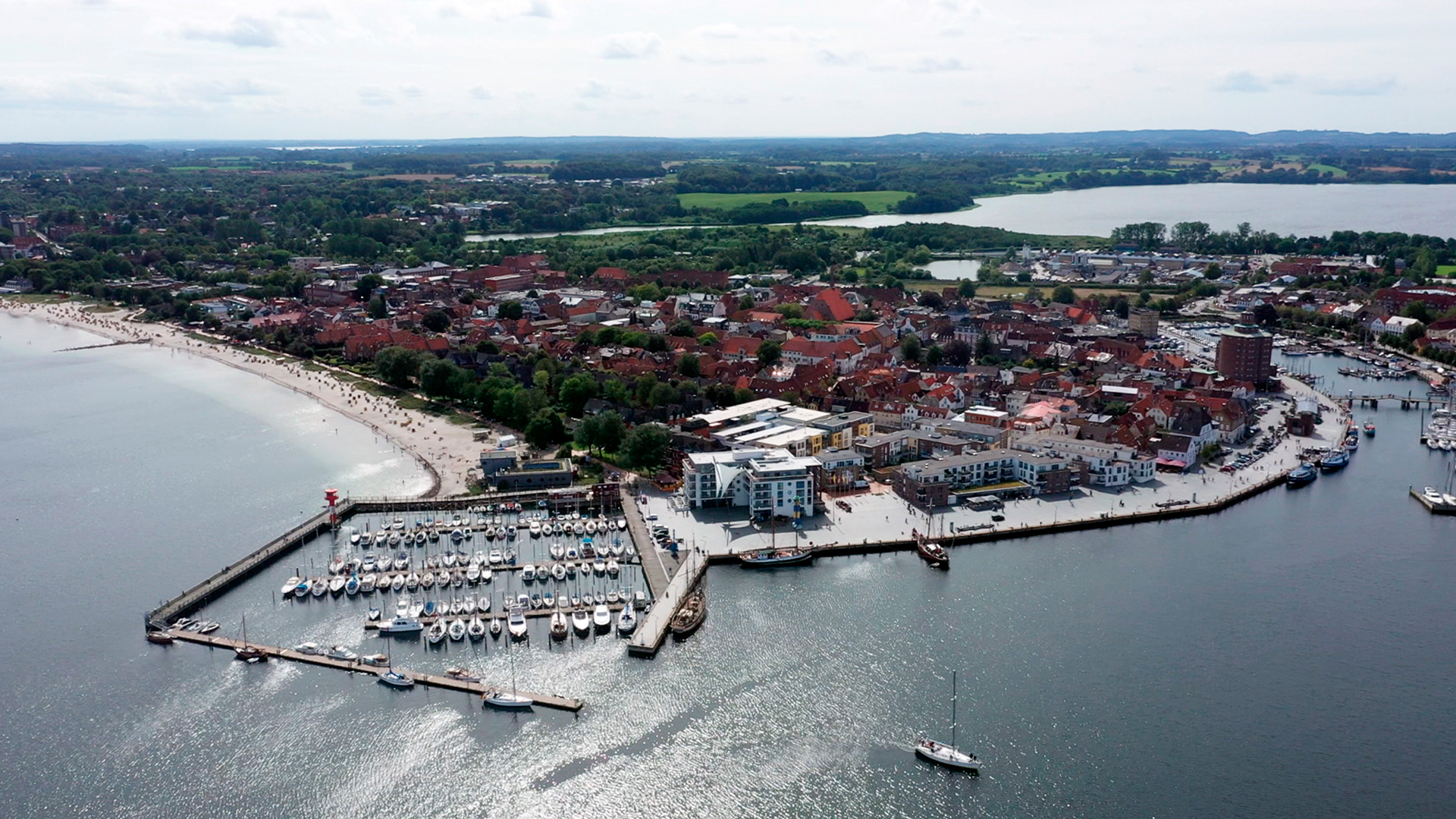
Fjord, ford, bay, gulf: there are many names for the beautiful extensions of the Baltic Sea into the country. Eckernförde Bay is shaped by currents, surf and people. It stretches 17 kilometers to the town that gives it its name. Stephan Möller is the acting shooting master of the Eckernförder Bürgerschützengilde. He spent a whole year preparing the beach shooting festival and then this: fog, rain and a stiff breeze. Traditionally, the Eckernförde marksmen always shoot at a wooden bird in the direction of the sea at Whitsun. Under strict conditions! And these stipulate a clear view of at least one kilometer out into the bay. The event literally threatens to fall through, for the first time in 449 years. Around 3,000 soldiers are stationed at the Eckernförde naval base, but only a small group is allowed to call itself an elite unit: the mine divers. They are considered the toughest soldiers in the Navy. Anyone who wants to be one of them has to undergo extreme training. This year, just two candidates made it to the final round. Now they still have to pass the dreaded final exam: running 20 kilometers with marching gear and then swimming ten kilometers through Eckernförde Bay.

2025-12-09 22:12:21 +0000 UTC2025-12-09 23:02:51 +0000 UTC (50m)
mareTV

mareTV

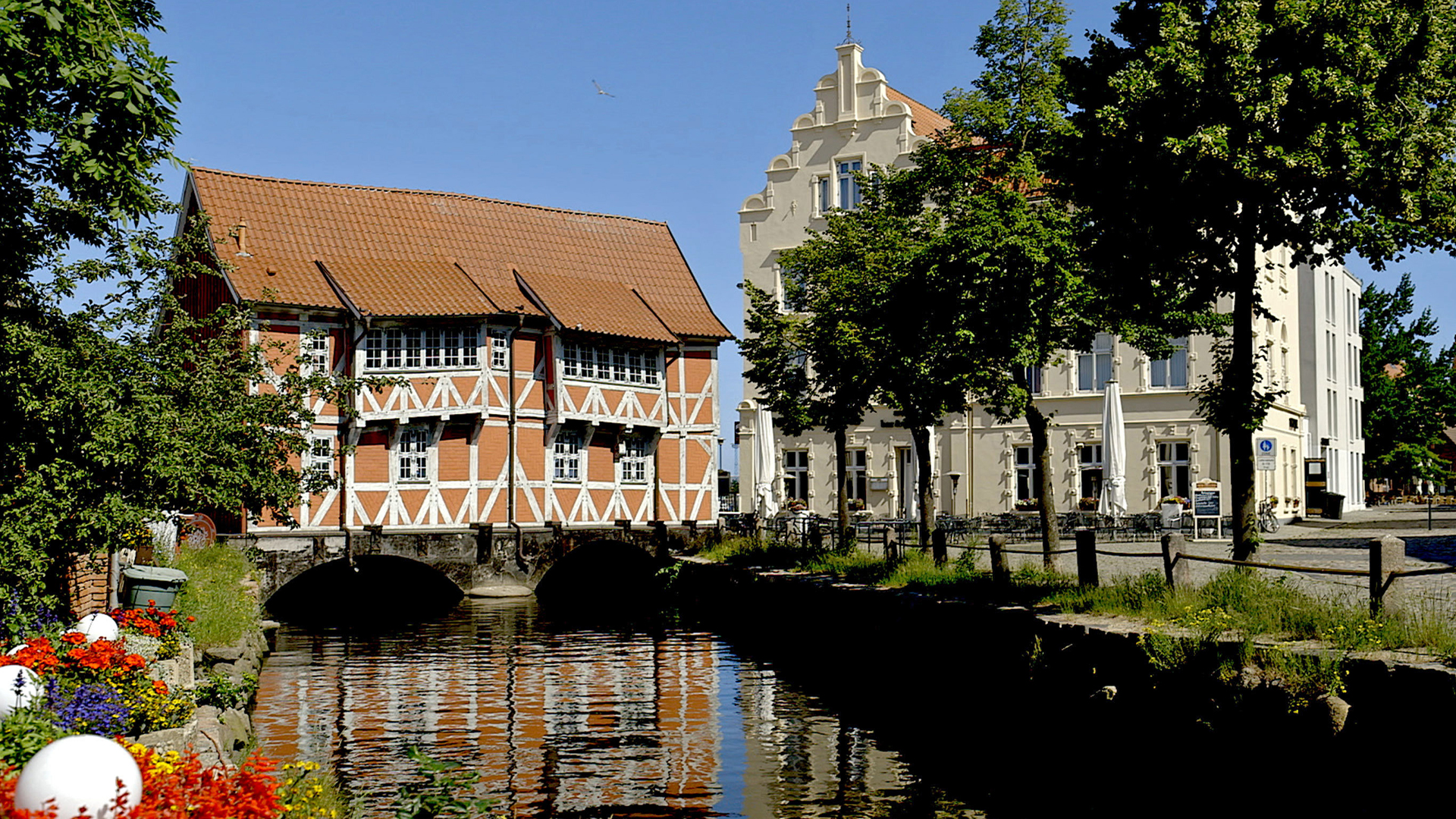
The Wismar Bay is unique in its diversity on the Mecklenburg Baltic Sea coast: cliffs, sandy beaches, salt marshes, enchanted islands and, last but not least, the proud Hanseatic city of Wismar with its brick Gothic buildings, which are a UNESCO World Heritage Site. When the mighty logs get wedged together in the timber mill in the port of Wismar, Steven Buchholz has to get to work with his chainsaw. It's a dangerous job, because the logs weigh tons. As a trained carpenter, Steven is a virtuoso with the chain saw. Even after his shift is over, he is looking for the thrill: the wind off his home island of Poel is favorable that day and he wants to reclaim the German record in the kite surfing high jump. For a long time, Ramona Stelzer only knew fish as a tasty ingredient between two halves of a bun. But when the goldsmith got her hands on fish leather, her business idea was born: she processes the unique natural product fish skin into fine jewelry. The problem is that hardly anyone in Germany tans fish skin. In order to reliably obtain supplies, Ramona now wants to learn this craft herself.

2025-12-09 21:21:50 +0000 UTC2025-12-09 22:12:21 +0000 UTC (50m)
The Provence coast

The Provence coast

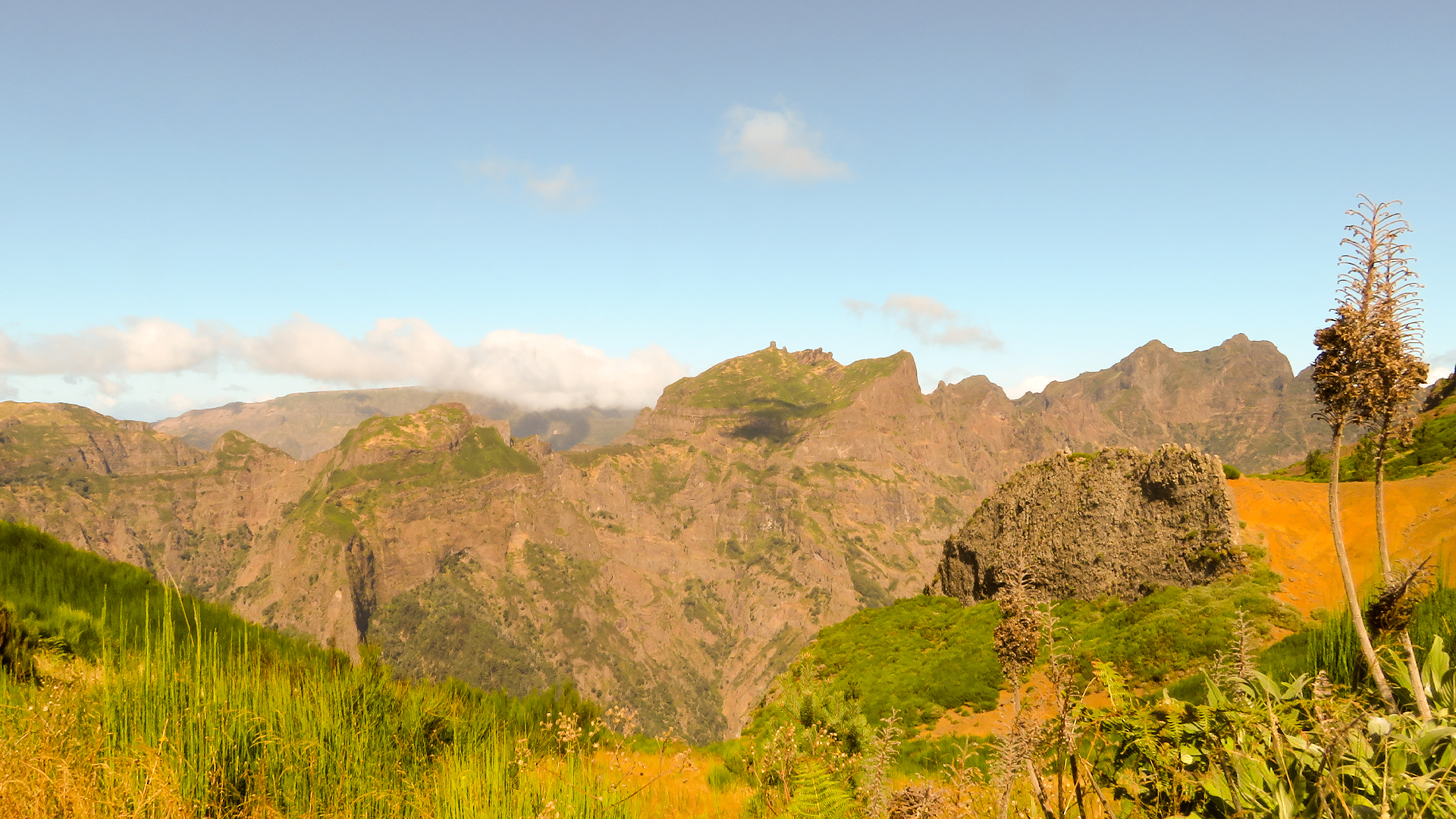
The Provence is famed for its endless fields of laven-der, but this lush landscape also has a beautifully mari-time touch: The Côte Bleue! Small, hidden beaches, charming harbour towns, imposing, craggy bays and a uniquely clear light that has attracted painters includ-ing Cézanne and Braque. The coast derives its name from the deep blue water and extends from Marseille to Martigues. This small town is also known as "The Ven-ice of the North", as it is shaped entirely by water: an inland lake, the sea itself, as well as a connecting canal. In the bays of the Calanques, the steeply-walled coastal inlets in the Mediterranean limestone, Lionel Franc is a cliff diver. His personal record is a hight of 36 metres! Ambi is a sculptress. This young artist's work, who moved to Marseille from Madagascar many years ago, is characterised by a dynamic momentum. As a pas-sionate pétanque player, she demonstrates this drive on the boules courts of the port city. John Pendray is Pein-tre officiel de la Marine, an official marine painter. The French state allows just 40 painters to its circle. There are no monetary rewards, but heaps of honour and a very smart uniform!
2025-12-09 17:28:59 +0000 UTC2025-12-09 18:19:31 +0000 UTC (50m)