Live & Upcoming Programmes

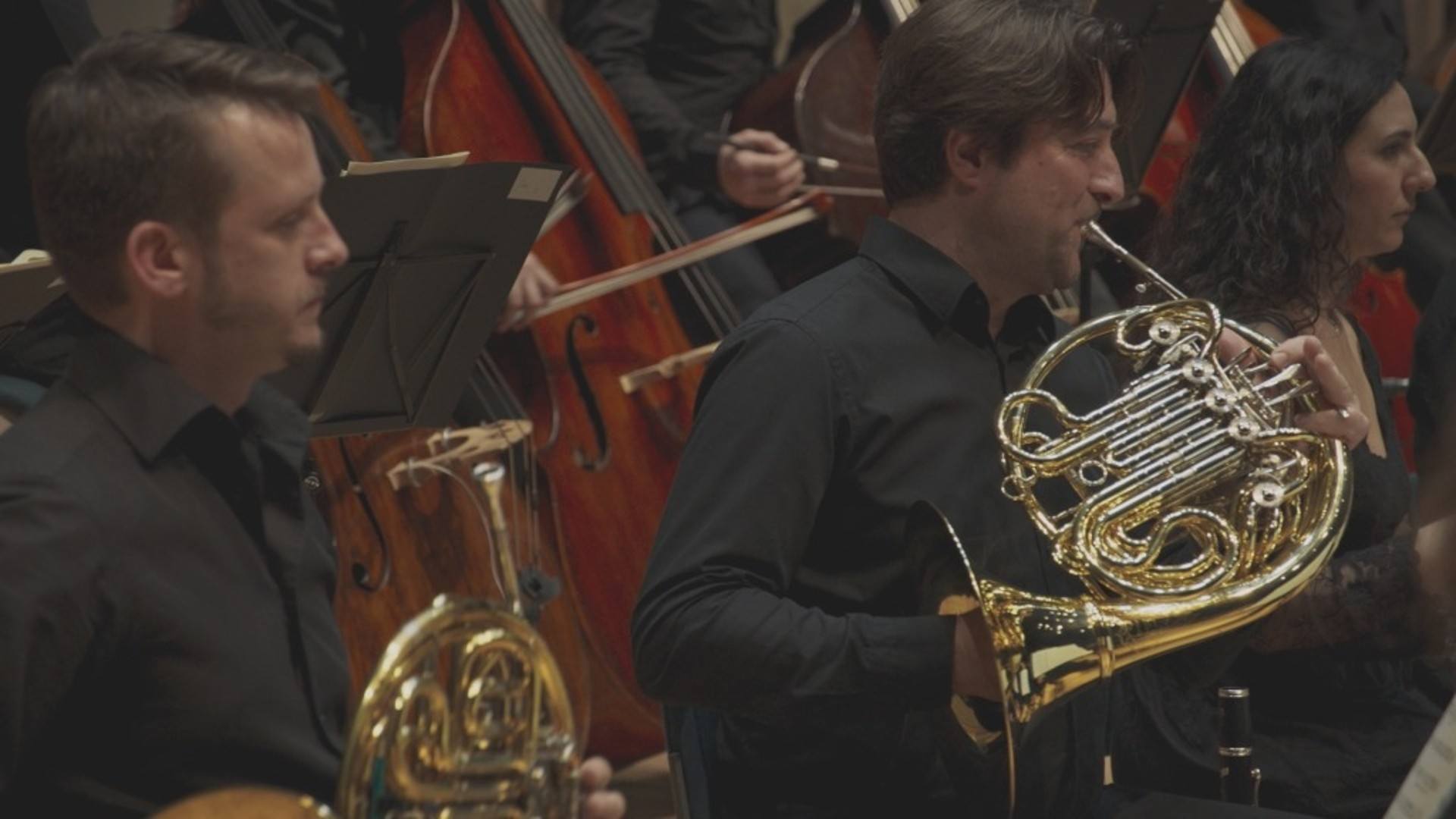
Mariinsky Theatre Orchestra

Mariinsky Theatre Orchestra

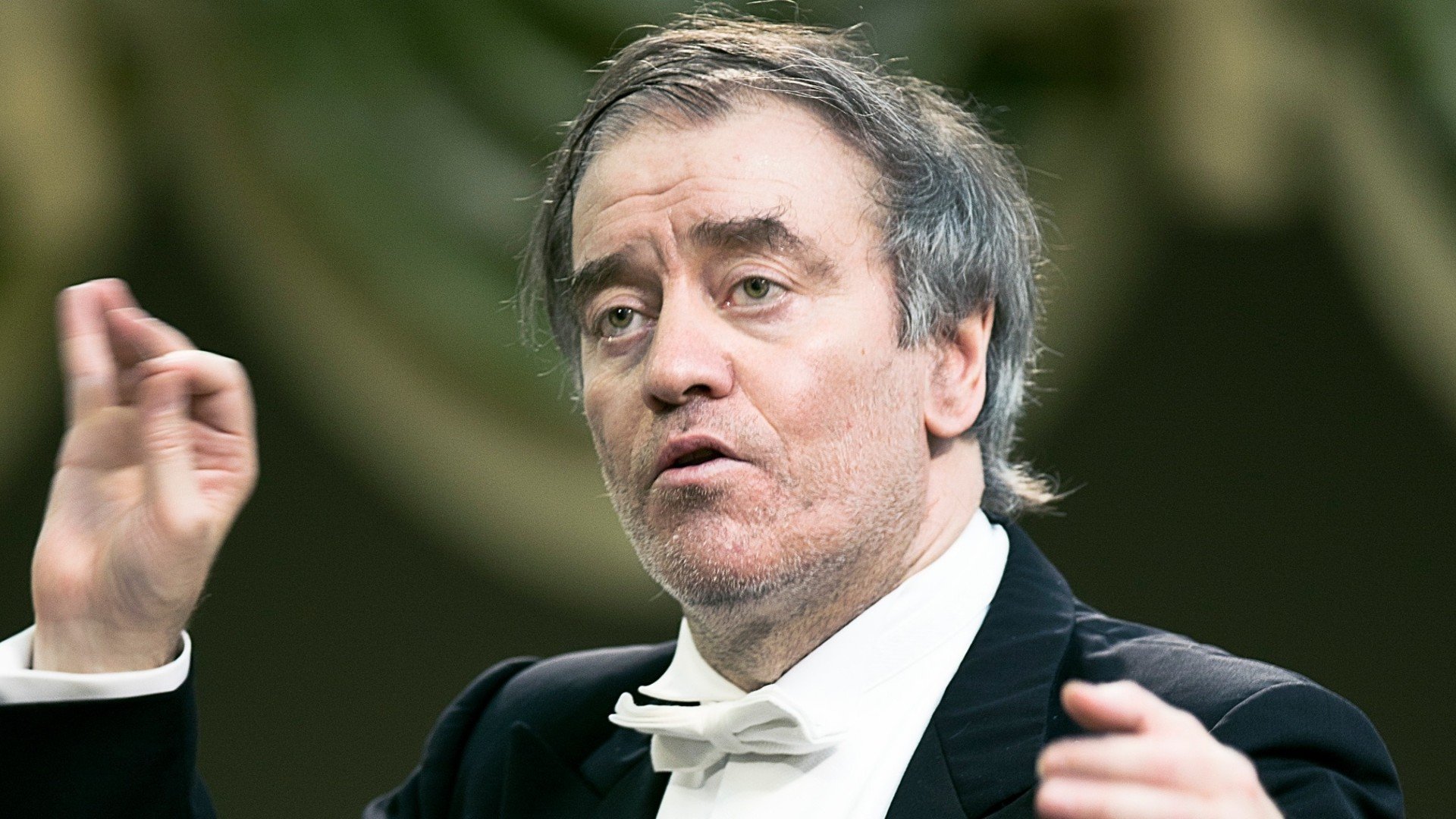
The Easter Festival is an internationally renowned event among classical music lovers, traditionally opened in Moscow on Easter Sunday. Each year the Mariinsky Theatre Orchestra and its musical director Valery Gergiev travel across Russia - for the past 10 years now! In 2012, the Mariinsky Theatre Symphony Orchestra under the baton of Valery Gergiev performed the complete cycle of Sergei Prokofiev's symphonies and piano concerti - a composer with whom Maestro Gergiev and the orchestra seemed particularly in tune. Complete program: 'Symphony No.1, Op. 25', 'Piano Concerto No.1', 'Symphony No.5, Op. 100'.

2025-12-10 07:00:00 +0000 UTC2025-12-10 08:34:36 +0000 UTC (1h34m)
Quatuor Ebène

Quatuor Ebène

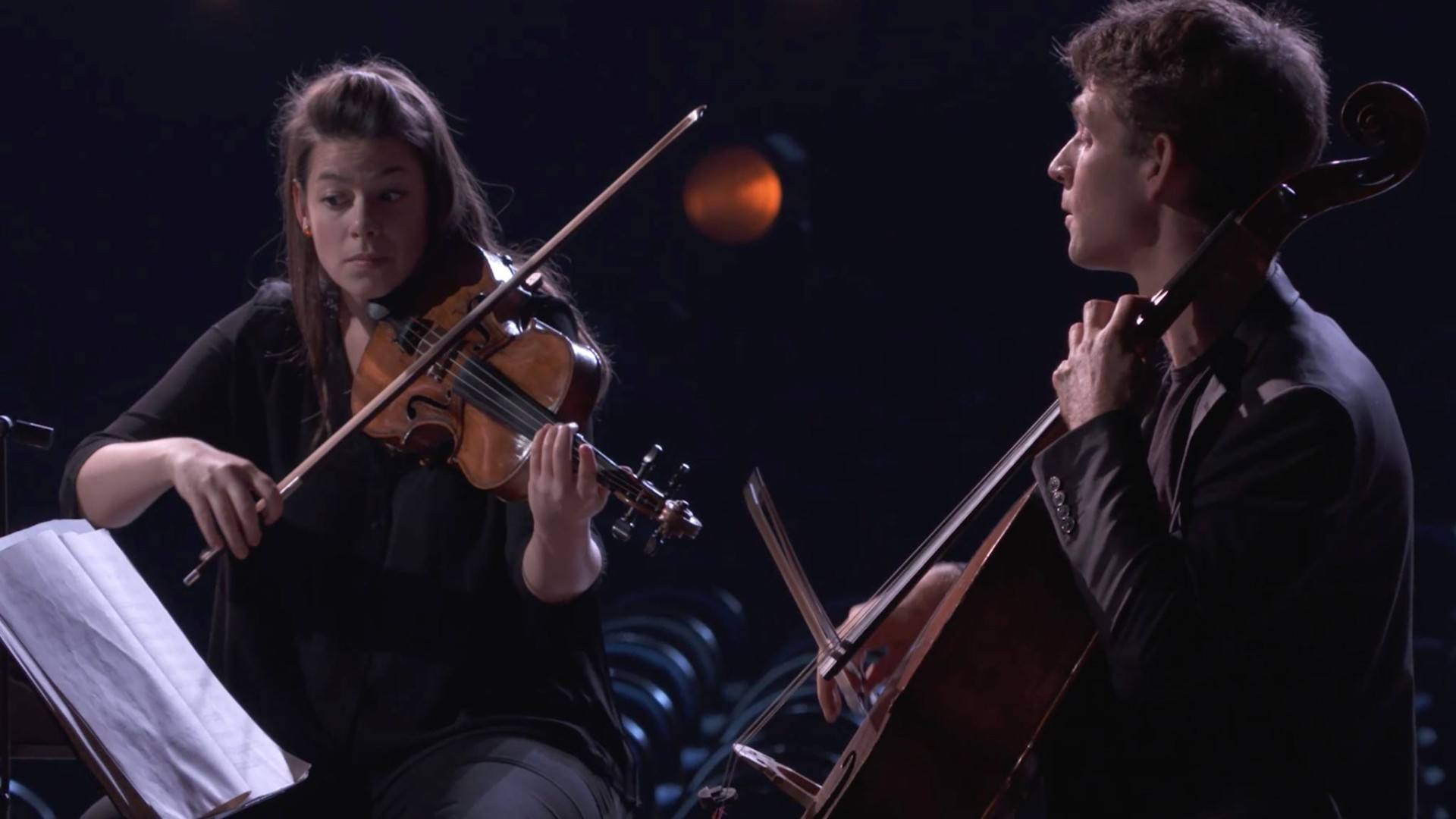
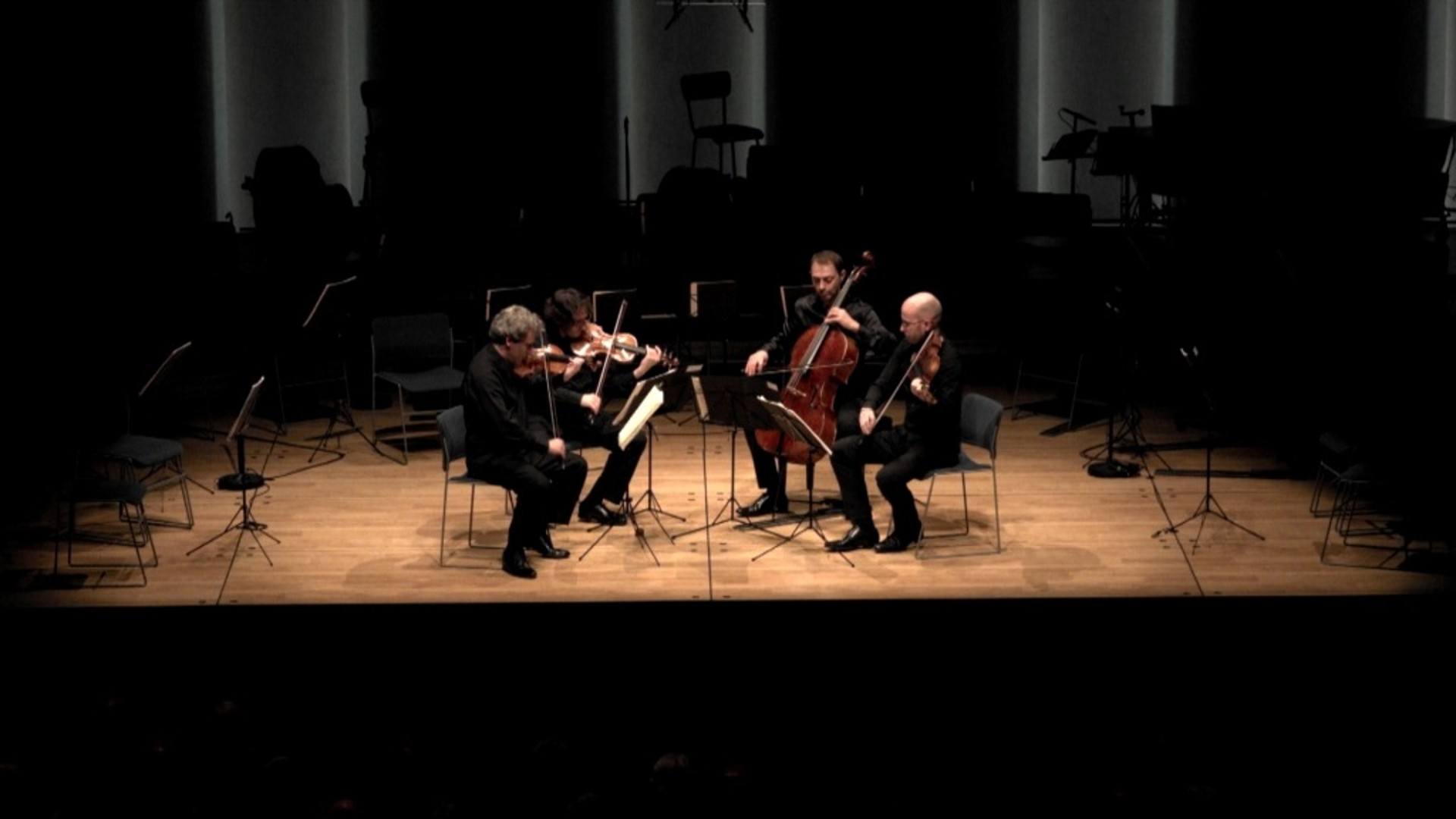
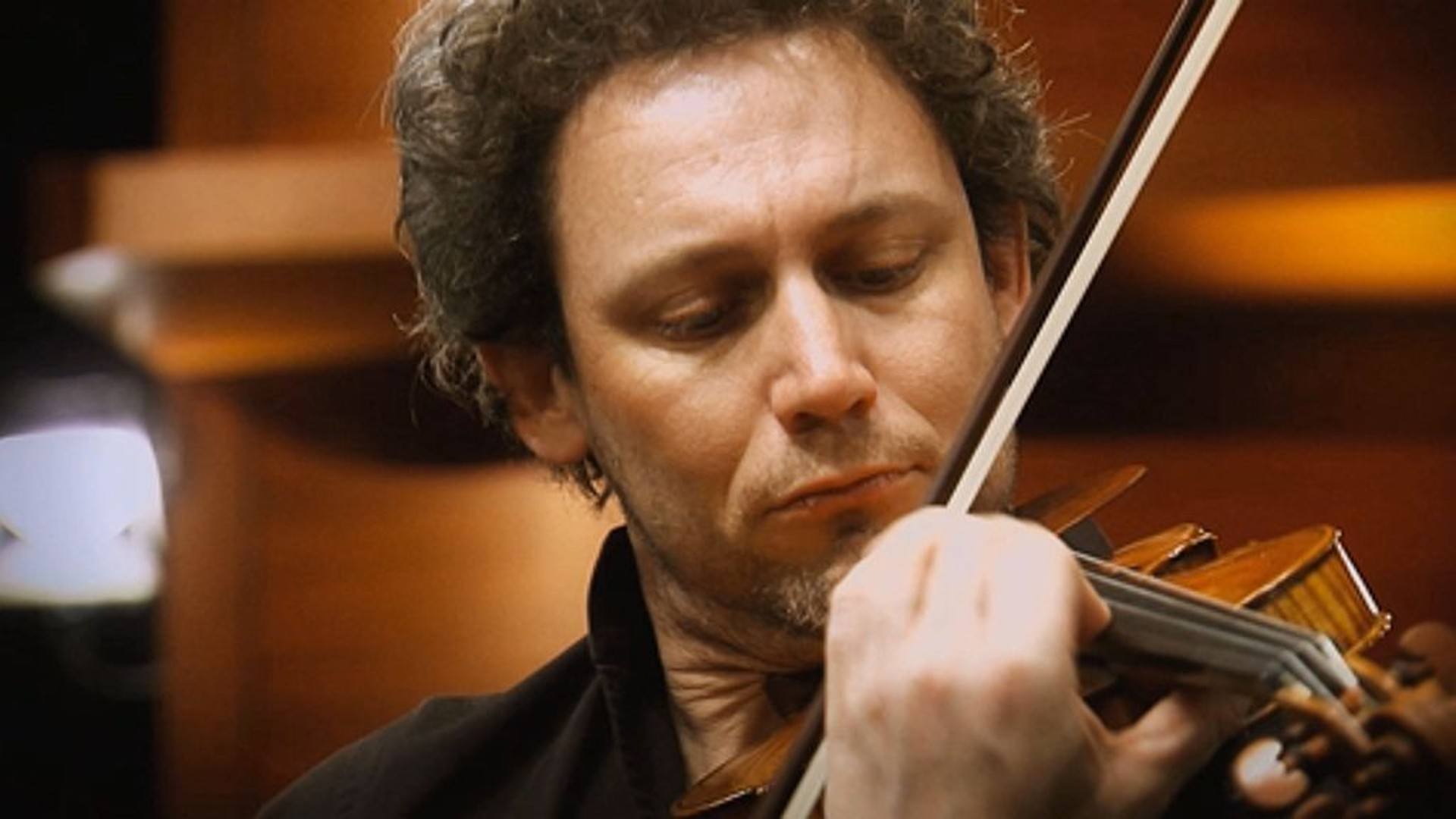
Renowned French string quartet Quatuor Ébène marked the 250th birth anniversary of Ludwig van Beethoven (1770-1827) with a remarkable project: recording all of the great composer's sixteen string quartets. For five years, violinists Pierre Colombet and Gabriel Le Magadure, violist Marie Chilemme, and cellist Raphaël Merlin immersed themselves in Beethoven's 650 pages of sheet music. Their efforts culminated in the performance of the composer's complete repertoire for string quartet, which covers three decades of Beethoven's musical creativity, during six impressive concerts at Philharmonie de Paris in the autumn of 2020. Quatuor Ébène explored every facet of Beethoven's string quartet repertoire: from the youthful Opus 18 string quartets to the Razumovsky, Harp, and Serioso quartets (Opus 59, 74, and 95) from his middle period, and finally, the depth of his late quartets (Opus 127 to 135). This program features Quatuor Ébène performing Beethoven's String Quartet No. 5 in A major, Op. 18, No. 5 String Quartet No. 4 in C minor, Op. 18, No. 4 and String Quartet No. 12 in E-flat major, Op. 127. This concert was recorded at Philharmonie de Paris on December 17, 2020.

2025-12-10 05:00:00 +0000 UTC2025-12-10 07:00:00 +0000 UTC (2h)
Les Dissonances

Les Dissonances

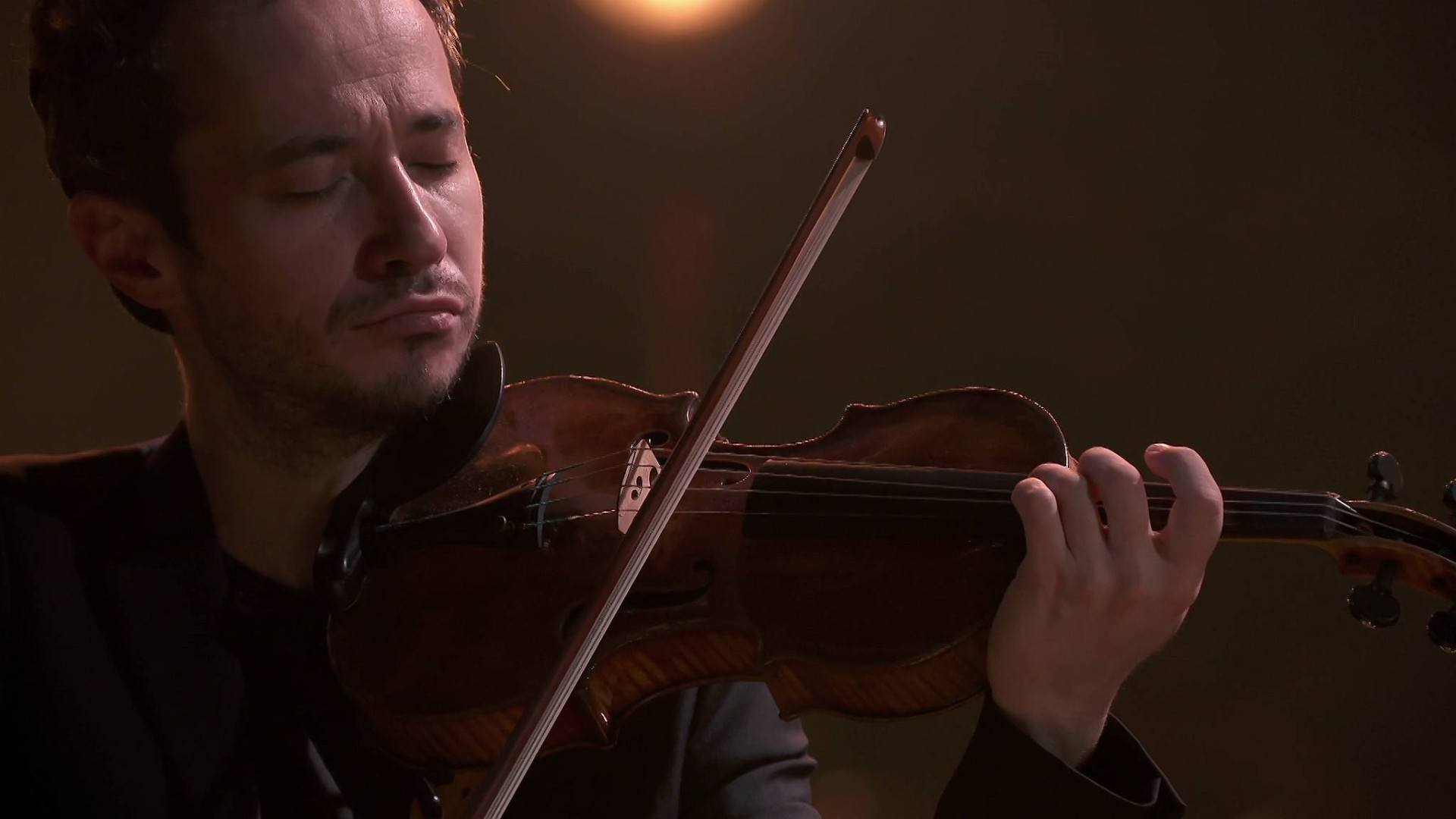
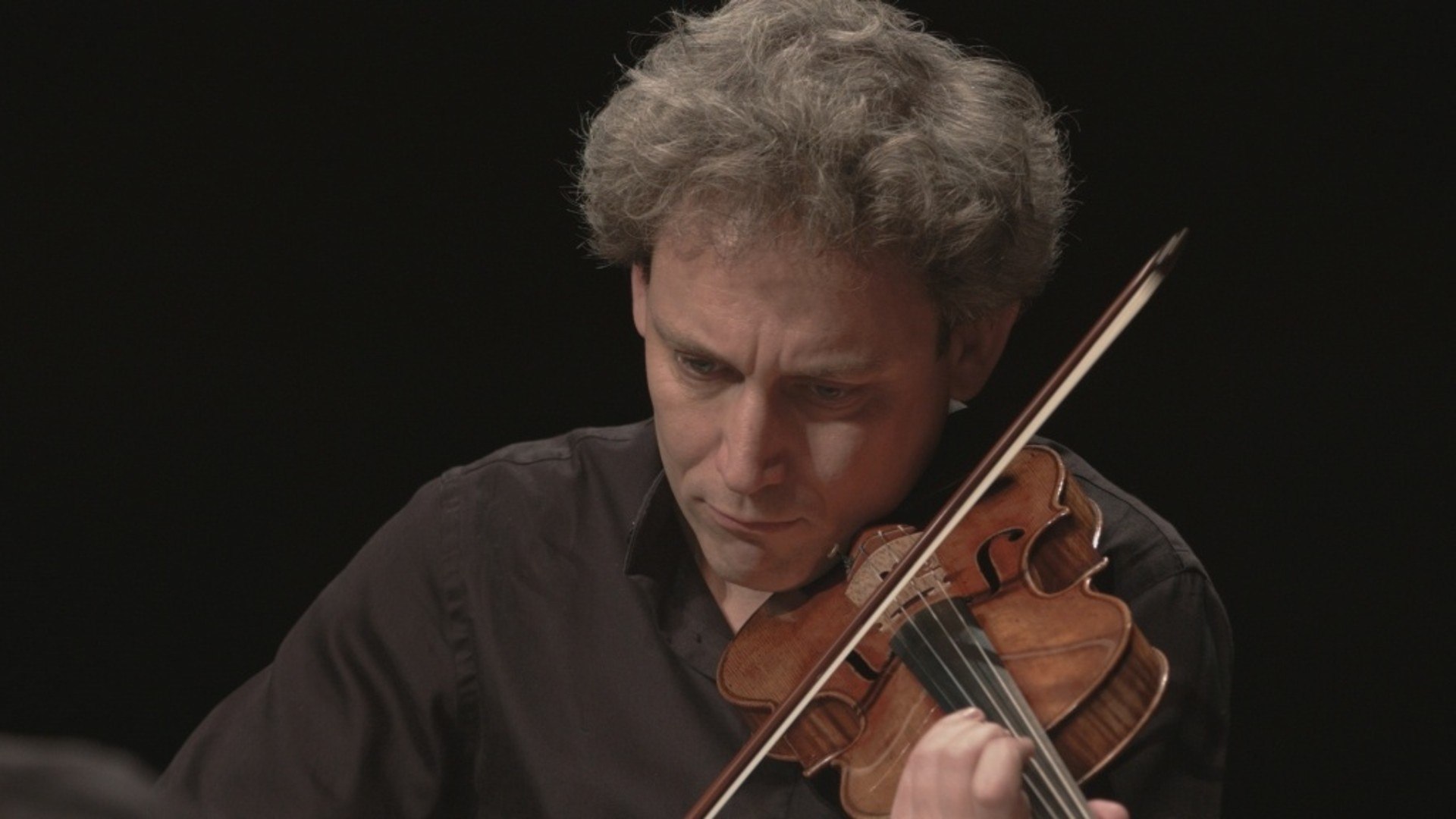
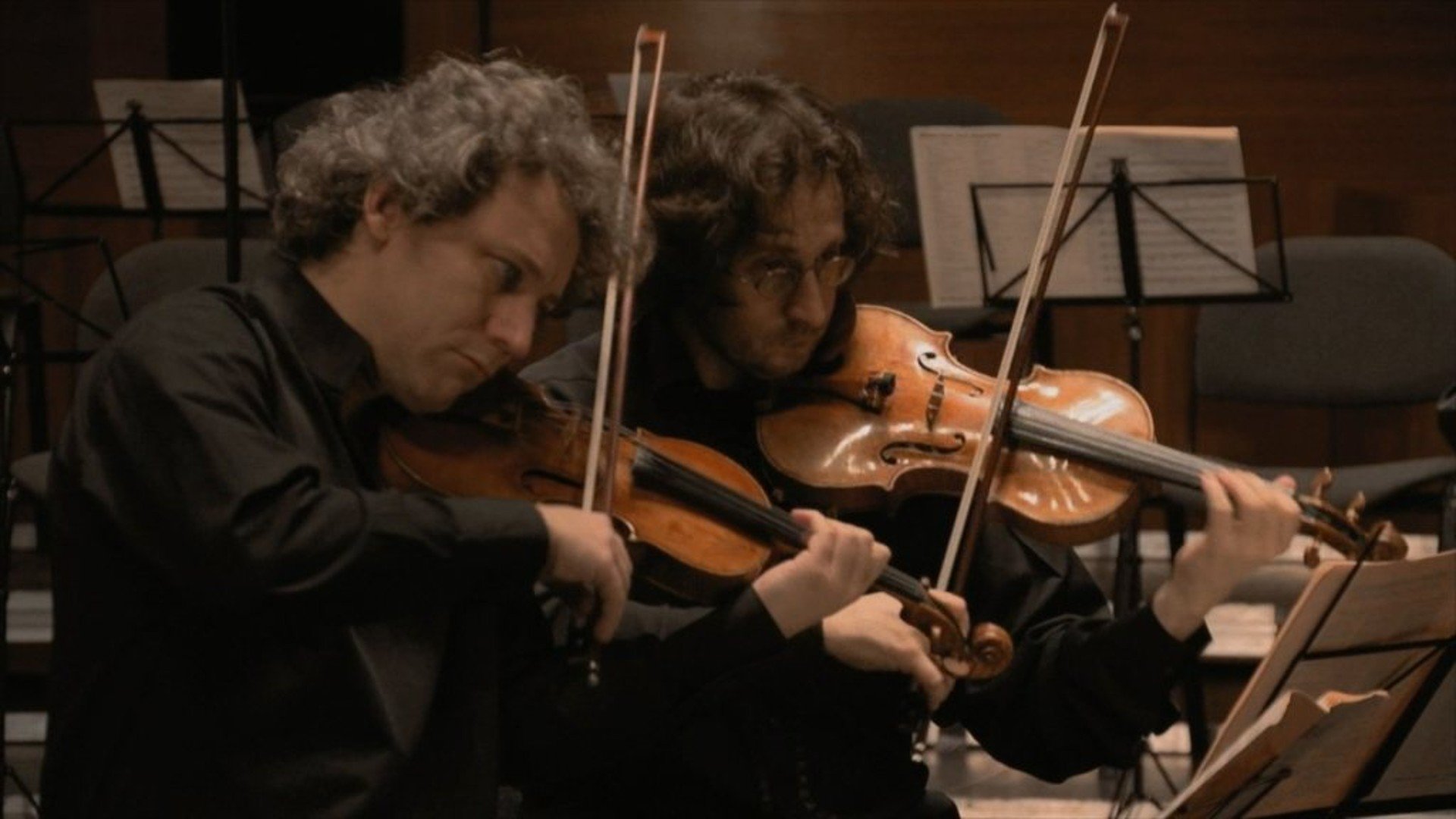
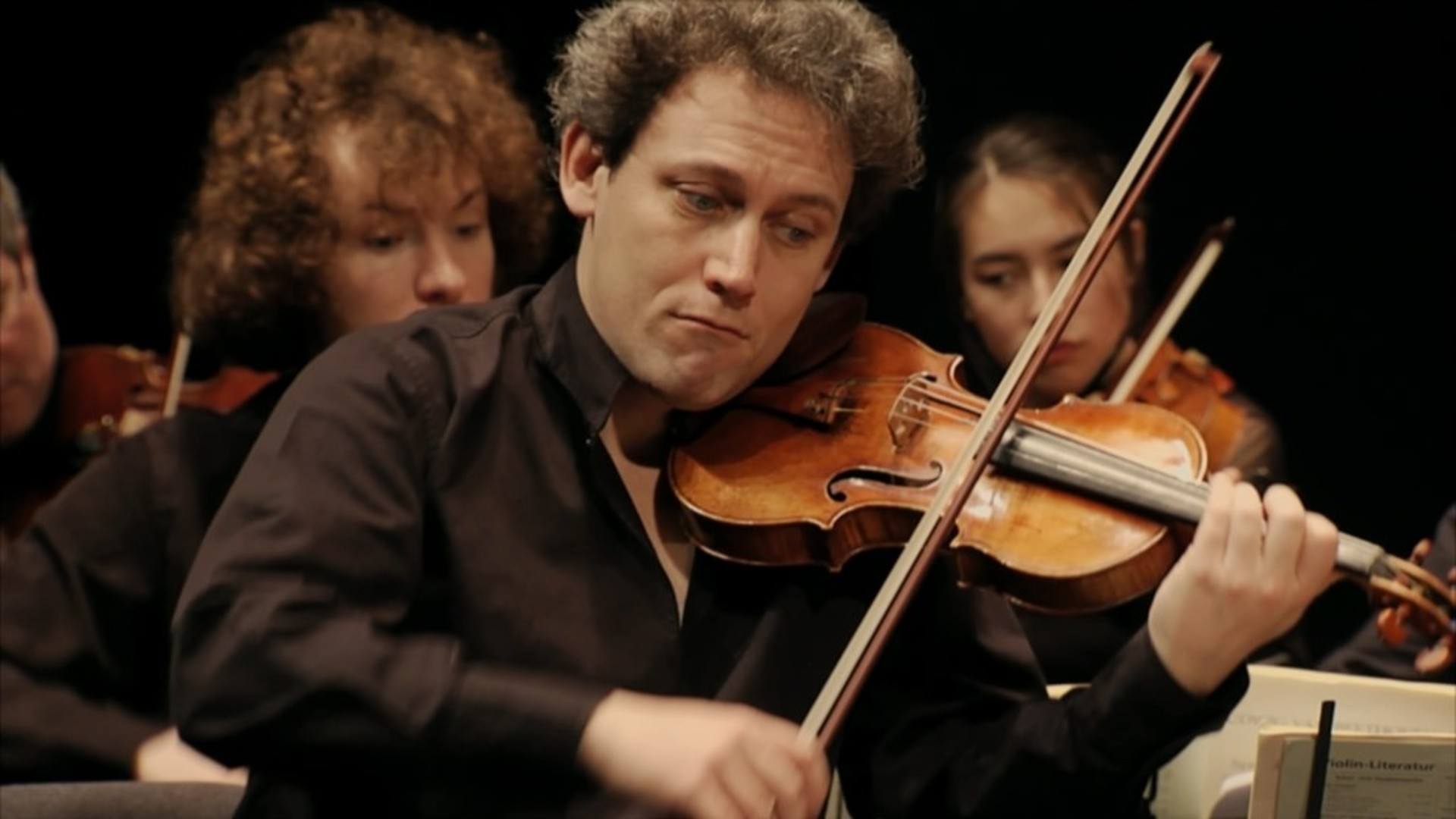
Les Dissonances is a collective of artists founded by violinist David Grimal in 2004. The conductorless ensemble consists of musicians from the most prestigious European orchestras, international soloists, and young talents. In this performance, Les Dissonances' string quartet – consisting of David Grimal (violin), Hans Peter Hofmann (violin), David Gaillard (viola), and Xavier Phillips (cello) – performs Wolfgang Amadeus Mozart's String Quartet No. 19 in C major, K. 465, ‘Dissonance' (Op. 10 No. 6). The String Quartet is the last in the set of six quartets that were dedicated to Joseph Haydn. Written between 1782 and 1785, these are also known as the Haydn Quartets (Op. 10). String Quartet No. 19 is remarkable for its slow, dissonant introduction, giving the piece its nickname. This ominous passage suddenly gives way to the bright Allegro in C major. This performance was recorded at Opéra Comique in Paris, France, in 2015.

2025-12-09 23:00:00 +0000 UTC2025-12-09 23:45:00 +0000 UTC (45m)
David Grimal & Les Dissonances

David Grimal & Les Dissonances

Les Dissonances is a collective of artists founded by violinist David Grimal in 2004. The conductorless ensemble consists of musicians from the most prestigious European orchestras, international soloists, and young talents. In this performance, Les Dissonances play Ludwig van Beethoven's Violin Concerto in D major, Op. 61. Leading violinist Grimal is the soloist. Beethoven's Violin Concerto was composed in 1806 and is the composer's only work in this genre. Its premiere was not very successful, and the work saw few performances in the decades that followed. However, a remarkable performance by 12-year old violinist Joseph Joachim in 1844 gave the Violin Concerto a new lease of life. Ever since, it is one of the most performed works in the genre. As an encore, Grimal performs the Allegro from J. S. Bach's Violin Sonata No. 2 in A minor, BWV 1003. This performance was recorded at Philharmonie de Paris, France, in 2015.

2025-12-09 22:00:00 +0000 UTC2025-12-09 23:00:00 +0000 UTC (1h)
Jodie Devos, Anaik Morel & David Violi

Jodie Devos, Anaik Morel & David Violi

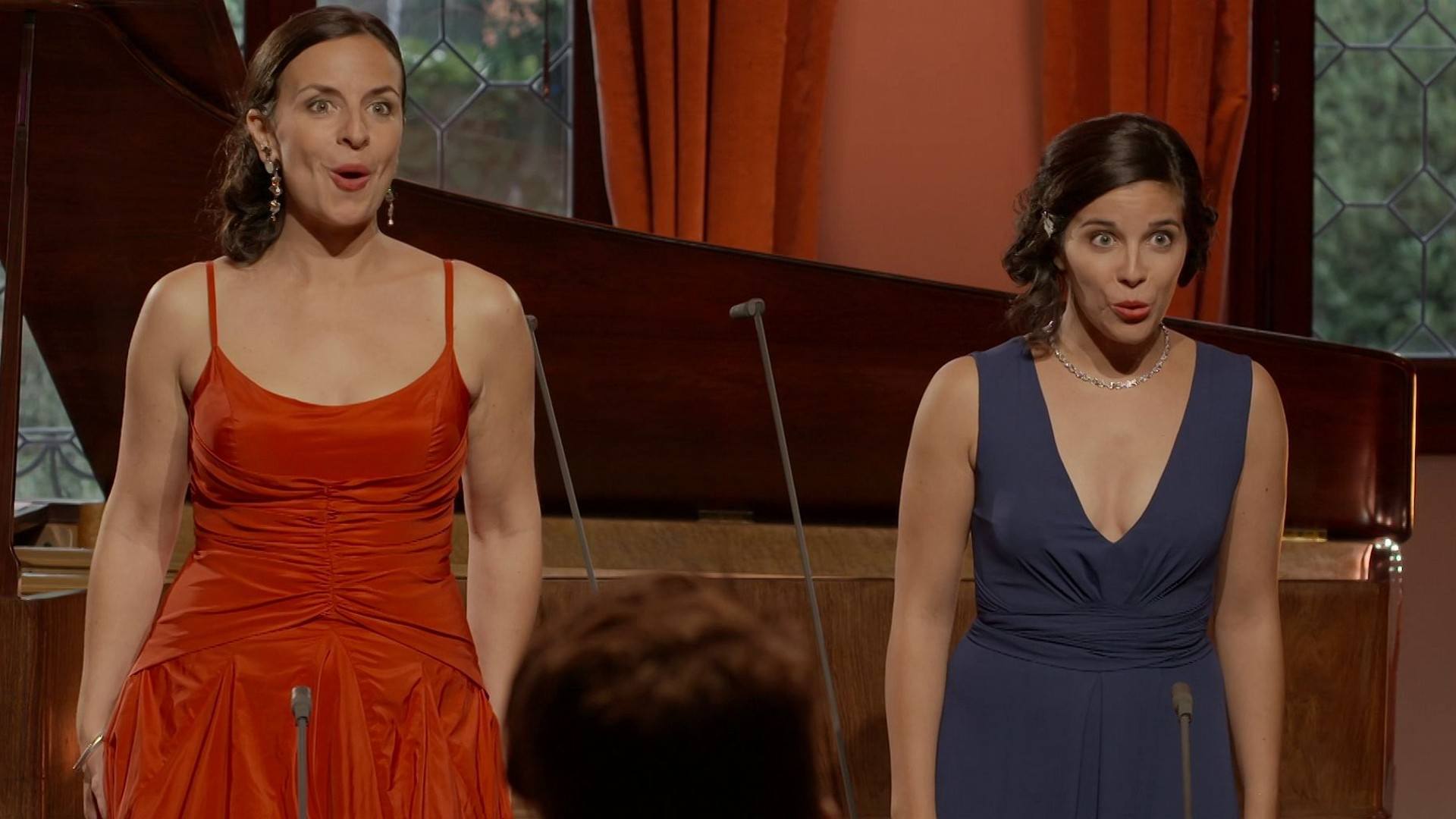
Salon Romantique à Venise salutes the work of the Palazzetto Bru Zane foundation which aims to contribute to the rediscovery of a neglected part of the French musical heritage running from Louis XVi to WW I. This concert offers a journey into the French romantic repertoire performed by pianist David Violi (piano), Jodie Devos (soprano) and Anaik Morel (mezzo-soprano). The program contains some of the most beloved French arias, such as 'Seguedille' from Bizet's Carmen by Bizet, the Flower Duet from Delibes' Lakmé and 'Mon cœur s'ouvre à ta voix' from Saint-Saëns Samson et Dalila. Recorded at the Palazzetoo Bru Zane in Venice, Italy in 2016.

2025-12-09 20:30:00 +0000 UTC2025-12-09 21:45:43 +0000 UTC (1h15m)
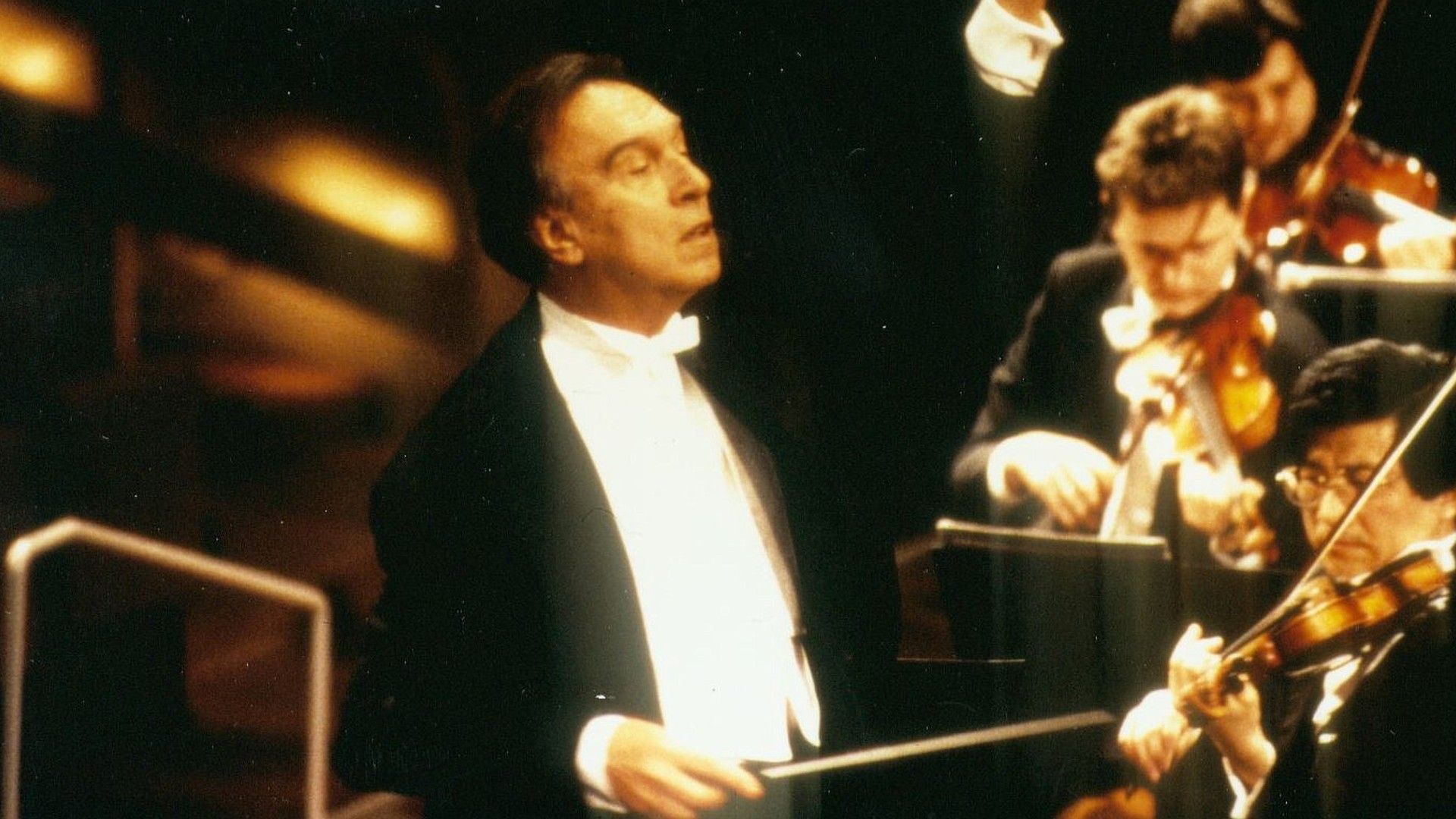
Claudio Abbado, Berliner Philharmoniker, Mirella Freni & Christine Schäfer

Claudio Abbado, Berliner Philharmoniker, Mirella Freni & Christine Schäfer

Featuring W. A. Mozart and Giuseppe Verdi, love is the theme of this 1998 New Year's Eve concert. Maestro Claudio Abbado selected two of the best Mozart interpreters, Christine Schäfer and Simon Keenlyside, for this traditionally meaningful event. Marcelo Álvarez from Argentina, who some compare to a young Domingo, sings highlights of the tenor repertoire, and Italian prima donna Mirella Freni tops the occasion with a breath-taking performance of the letter scene from Pyotr Ilyich Tchaikovsky's Eugen Onegin.

2025-12-09 18:45:00 +0000 UTC2025-12-09 20:30:00 +0000 UTC (1h45m)
Quatuor Ebène

Quatuor Ebène

Renowned French string quartet Quatuor Ébène marked the 250th birth anniversary of Ludwig van Beethoven (1770-1827) with a remarkable project: recording all of the great composer's sixteen string quartets. For five years, violinists Pierre Colombet and Gabriel Le Magadure, violist Marie Chilemme, and cellist Raphaël Merlin immersed themselves in Beethoven's 650 pages of sheet music. Their efforts culminated in the performance of the composer's complete repertoire for string quartet, which covers three decades of Beethoven's musical creativity, during six impressive concerts at Philharmonie de Paris in the autumn of 2020. Quatuor Ébène explored every facet of Beethoven's string quartet repertoire: from the youthful Opus 18 string quartets to the Razumovsky, Harp, and Serioso quartets (Opus 59, 74, and 95) from his middle period, and finally, the depth of his late quartets (Opus 127 to 135). This program features Quatuor Ébène performing Beethoven's String Quartet No. 3 in D major, Op. 18 No. 3 String Quartet No. 11 in F minor, Op. 95, “Quartetto Serioso” and String Quartet No. 8 in E minor, Op. 59, No. 2, "Razumovsky". This concert performance was recorded at Philharmonie de Paris on November 23, 2020.

2025-12-09 17:00:00 +0000 UTC2025-12-09 18:45:00 +0000 UTC (1h45m)
Ballet of the Mariinsky Theatre

Ballet of the Mariinsky Theatre

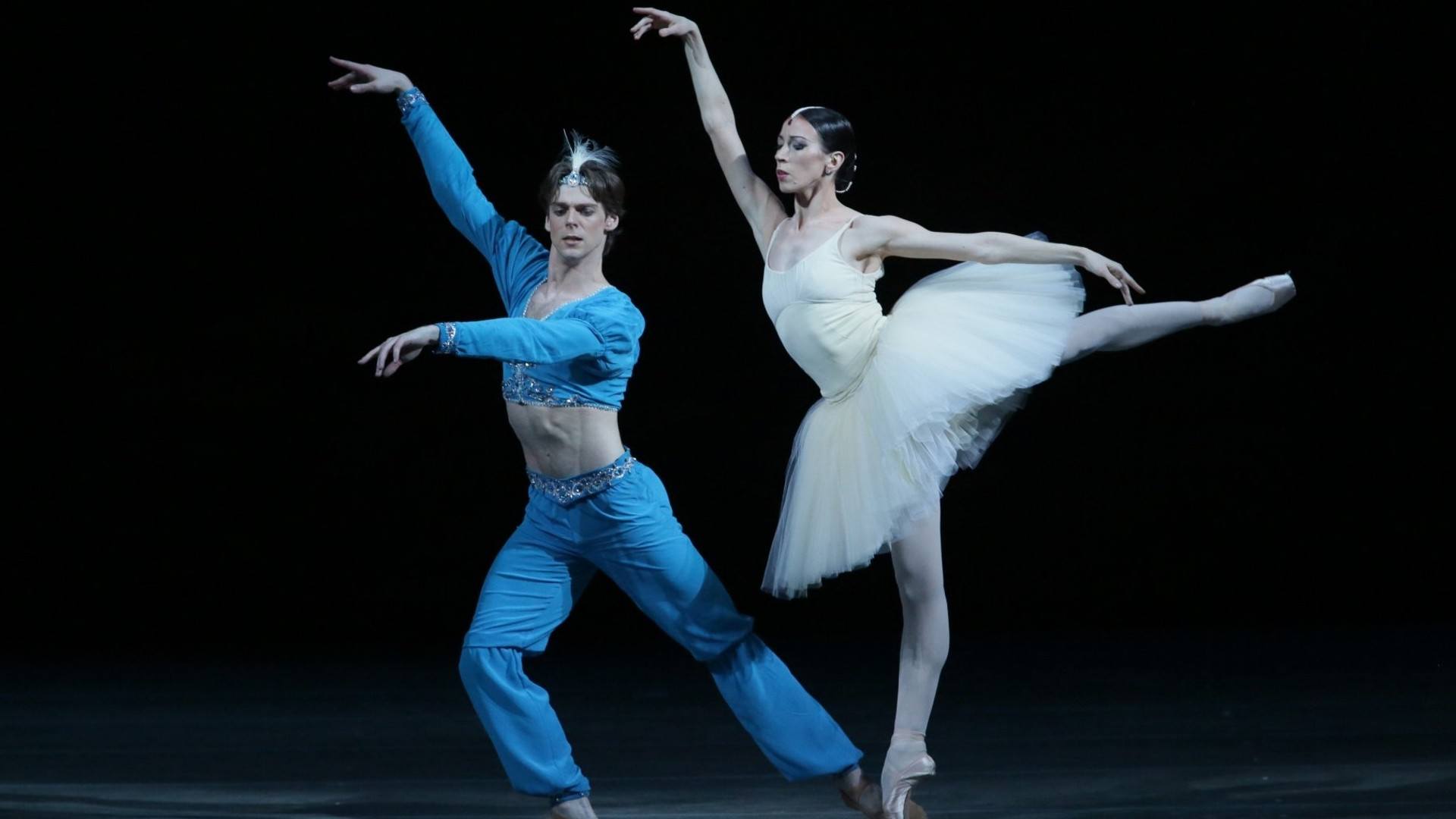
'La Bayadère' is a three-act ballet by the French choreographer Marius Petipa. Set in 19th-century India, 'La Bayadère' tells the sad love story of the noble warrior Solor and his Nikia, a temple dancer or 'bayadère', who is poisoned by her rival, Gamzatti. The ballet features one of the most celebrated scenes of classical ballet, namely 'The Kingdom of the Shades'. In this iconic scene, Solor dreams, under the influence of opium, of reuniting with his beloved Nikia. This production of the ballet features the revised choreography by Vladimir Ponomarev and Vakhtang Chabukiani (1941), and includes dances by Konstantin Sergeyev and Nikolai Zubkovsky. The ballet's music, composed by Ludwig Minkus, is performed by the Mariinsky Orchestra under the direction of Boris Gruzin. Among the performers are Viktoria Tereshkina, Anastasia Matvienko, Vladimir Shklyarov, and Vladimir Ponomarev. This performance was recorded at the Mariinsky Theatre in St. Petersburg, Russia, in July 2014.

2025-12-09 11:15:00 +0000 UTC2025-12-09 14:00:00 +0000 UTC (2h45m)
David Grimal & Les Dissonances

David Grimal & Les Dissonances

Les Dissonances is a collective of artists founded by violinist David Grimal in 2004. The conductorless ensemble consists of musicians from the most prestigious European orchestras, international soloists, and young talents. In this performance, Les Dissonances perform Johannes Brahms' String Sextet No. 1 in B-flat major, Op. 18. The work is scored for two violins, two violas, and two cellos. Brahms wrote his only two string sextets at the very beginning of his career. String Sextet No. 1 was written in 1860. Brahms was one of the first to compose for this ensemble, blazing a trail for Antonín Dvořák, Pyotr Ilyich Tchaikovsky, Arnold Schoenberg, and others. This performance was recorded at Opéra de Dijon, France, in 2013.

2025-12-09 10:30:00 +0000 UTC2025-12-09 11:15:00 +0000 UTC (45m)
Les Dissonances & David Grimal

Les Dissonances & David Grimal

Les Dissonances is a collective of artists founded by violinist David Grimal in 2004. The conductorless ensemble consists of musicians from the most prestigious European orchestras, international soloists, and young talents. In this performance, Les Dissonances' string quartet – consisting of David Grimal (violin), Hans Peter Hofmann (violin), David Gaillard (viola), and Xavier Phillips (cello) – performs Franz Schubert's String Quartet No. 15 in G major, D. 887, Op. 161. Schubert composed this work, his final string quartet, in a mere ten days in June 1826. However, this highly original piece, characterized by its restless shifts between major and minor, was not published until after Schubert's death in 1851. This performance was recorded at Cité de la Musique in Paris, France, in 2014.

2025-12-09 09:30:00 +0000 UTC2025-12-09 10:30:00 +0000 UTC (1h)
Isabelle Faust

Isabelle Faust

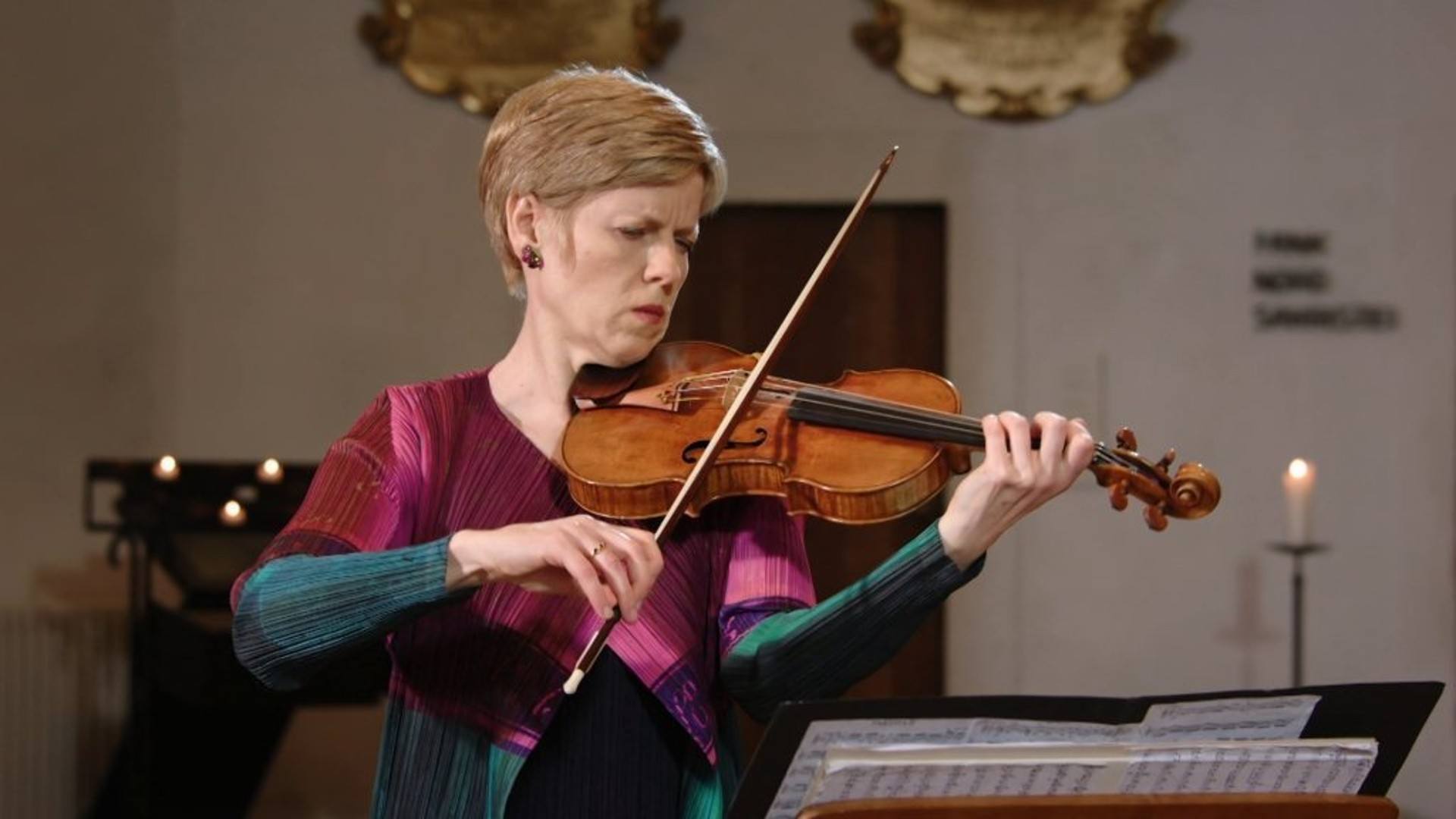
Celebrated German violinist Isabelle Faust performs two of J. S. Bach's incredible works for solo violin: Partita No. 2 in D minor (BWV 1004), and Sonata No. 3 in C major (BWV 1005). Both works are part of the composer's well-known Sonatas and Partitas for Solo Violin (BWV 1001-1006). Partita No. 2 is made up of four dance movements, concluded by its famous Chaconne, a monumental piece within the violin repertoire. In this Chaconne, Bach develops a series of continuous variations from a theme, exploring a complex range of harmonic possibilities. Sonata No. 3 includes an extensive fugue in which Bach employs many contrapuntal techniques. In this wonderful performance, Faust shows her mastery of Bach's technically challenging pieces. This performance was recorded at St. Thomas Church in Leipzig, Germany, in 2020.

2025-12-09 08:00:00 +0000 UTC2025-12-09 09:10:11 +0000 UTC (1h10m)
David Grimal & Les Dissonances

David Grimal & Les Dissonances

Les Dissonances is a collective of artists founded by violinist David Grimal in 2004. The conductorless ensemble consists of musicians from the most prestigious European orchestras, international soloists, and young talents. In this performance, Les Dissonances perform Ludwig van Beethoven's Symphony No. 5 in C minor, Op. 67. Beethoven composed Symphony No. 5 between 1804 and 1808, completing the work at nearly the same time as his Symphony No. 6, ‘Pastorale'. Both symphonies premiered as part of an all-Beethoven program at the same concert on December 22, 1808. Symphony No. 5 has become one of the best-known compositions in classical music. It opens with the famous four-note motif, often interpreted as the musical manifestation of 'fate knocking at the door'. This rhythmic figure returns in various guises in the other three movements of the symphony. The second movement consists of a set of lyrical variations on two themes. The third movement begins gently, but leads to a blasting horn section presenting a theme that features the rhythmic pattern of the four-note motif. The movement leads uninterrupted to the fourth movement that features a triumphant finale ending in C major. This performance was recorded at Philharmonie de Paris, France, in 2015.

2025-12-09 07:15:00 +0000 UTC2025-12-09 08:00:00 +0000 UTC (45m)
London Symphony Orchestra, Kirill Karabits & Lucy Crowe

London Symphony Orchestra, Kirill Karabits & Lucy Crowe

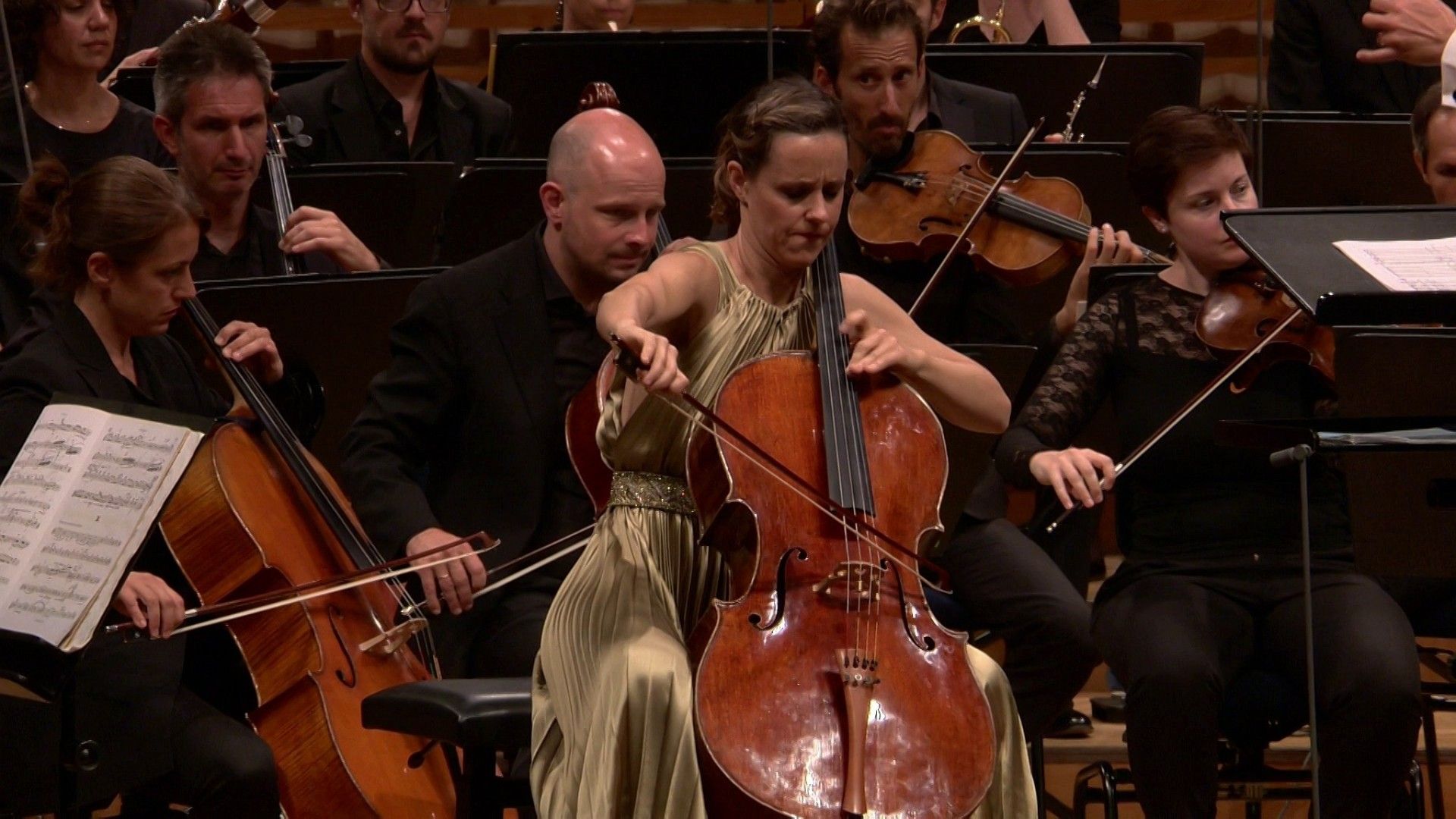
Ukrainian conductor Kirill Karabits leads the London Symphony Orchestra in a stunning performance of Gustav Mahler's Symphony No. 4. The soloist is soprano Lucy Crowe. Mahler's Fourth Symphony opens with the sound of sleighbells and melodies of childlike innocence. But between this deceptively playful opening and the serene finale – a child's vision of Heaven – lies a world of profound emotion and beauty. With soprano Lucy Crowe lending her vocal radiance to this extraordinary finale, the symphony's journey to bliss is complete. This performance was recorded at the Barbican Hall in London, UK, on December 8, 2021.

2025-12-09 06:00:00 +0000 UTC2025-12-09 07:15:00 +0000 UTC (1h15m)
Herbert Blomstedt & Gewandhausorchester Leipzig

Herbert Blomstedt & Gewandhausorchester Leipzig

Conductor Herbert Blomstedt and the Gewandhausorchester take us on a musical journey to the Czech Republic in this 2020 concert from Leipzig's Gewandhaus. The program opens with Bohemian composer Jan Václav Hugo Voríšek's Symphony in D major, Op. 23 (1821). Although the composition – Voríšek's only symphony – was never performed during the composer's lifetime, it has become one of his most-performed works today. Also on the program is Wolfgang Amadeus Mozart's Symphony No. 38 in D major, K. 504. This work, which premiered while Mozart was visiting Prague in 1787, is often referred to as the ‘Prague Symphony'.

2025-12-09 00:00:00 +0000 UTC2025-12-09 01:45:00 +0000 UTC (1h45m)
Raphael Pichon, Ensemble Pygmalion, Sabine Devieilhe & Arnaud de Pasquale

Raphael Pichon, Ensemble Pygmalion, Sabine Devieilhe & Arnaud de Pasquale

On March 23, 1783, Wolfgang Amadeus Mozart gave a successful concert at Vienna's Burgtheater that he dedicated to two sopranos: Aloysia and Josepha Weber, the sisters of his wife Constanze. The concert's program would be considered odd by today's standards. The composer's Symphony No. 35 was broken up and interspersed with other compositions, such as concertos, arias, and works for solo piano. Nearly two and a half centuries later, French soprano Sabine Devieilhe, conductor Raphaël Pichon and his Ensemble Pygmalion bring a wonderful concert inspired by that remarkable event. The program includes: ‘Allegro con spirito' of Symphony No. 35, also known as the Haffner Symphony ‘Vorrei spiegarvi, oh Dio', KV 418 ‘Schon lacht der holde Frühling', KV 580 Trio of ‘Die Schlittenfahrt' No. 3, KV 605 Deutscher Tanz No. 6, KV 571 ‘Der Hölle Rache kocht in meinem Herzen' from Mozart's opera Die Zauberflöte ‘Finale: Presto' of Symphony No. 35 ‘Nehmt meinen Dank', KV 383 and ‘Dans un bois solitaire et sombre', KV 308. This performance was recorded at Théâtre Impérial de Compiègne, in Compiègne, France.

2025-12-08 23:00:00 +0000 UTC2025-12-09 00:00:00 +0000 UTC (1h)
Le Poème Harmonique, Accentus, Laurence Equilbey & Emöke Barath

Le Poème Harmonique, Accentus, Laurence Equilbey & Emöke Barath

The Christmas Oratorio by Johann Sebastian Bach is composed of six cantatas brought together for the winter celebrations of 1734-1735. During this 2016 concert at the Philharmonie de Paris, Laurence Equilbey takes the reins of Vincent Dumestre's Poème Harmonique. The modernity of the harmonic poem and the Baroque culture of Accentus glorify the vibrant faith of this meditation, from the birth of Jesus to the visit of the Magi, masterfully orchestrated and structured by a Bach at the height of his brilliance. Soloists are Emöke Barath (soprano), Michaëla Selinger (alto), Werner Güra (tenor), and Andreas Wolf (Bass).

2025-12-08 20:00:00 +0000 UTC2025-12-08 23:00:00 +0000 UTC (3h)
Les Dissonances & David Grimal

Les Dissonances & David Grimal

Les Dissonances is a collective of artists founded by violinist David Grimal in 2004. The conductorless ensemble consists of musicians from the most prestigious European orchestras, international soloists, and young talents. In this performance, Les Dissonances perform Pyotr Ilyich Tchaikovsky's Symphony No. 4 in F minor, Op. 36. The composer wrote the symphony between 1877 and 1878, and dedicated it to Nadezhda von Meck – an exceptionally wealthy widow and great admirer of Tchaikovsky's music, whom the composer described as ‘my best friend'. Tchaikovsky explained in his letters that the symphony is characterization of the nature of fate. The work opens with a powerful motif in the horns and bassoons representing fate. The second movement expresses melancholy, whereas the third presents ‘fleeting images that pass through the imagination when one has begun to drink a little wine'. Although the ‘fate' motif reappears toward the end of the final movement, the movement has a festive character. This performance was recorded at La Cité de la musique in Paris in 2016.

2025-12-08 19:00:00 +0000 UTC2025-12-08 20:00:00 +0000 UTC (1h)
Quatuor Ebène

Quatuor Ebène

Renowned French string quartet Quatuor Ébène marked the 250th birth anniversary of Ludwig van Beethoven (1770-1827) with a remarkable project: recording all of the great composer's sixteen string quartets. For five years, violinists Pierre Colombet and Gabriel Le Magadure, violist Marie Chilemme, and cellist Raphaël Merlin immersed themselves in Beethoven's 650 pages of sheet music. Their efforts culminated in the performance of the composer's complete repertoire for string quartet, which covers three decades of Beethoven's musical creativity, during six impressive concerts at Philharmonie de Paris in the autumn of 2020. Quatuor Ébène explored every facet of Beethoven's string quartet repertoire: from the youthful Opus 18 string quartets to the Razumovsky, Harp, and Serioso quartets (Opus 59, 74, and 95) from his middle period, and finally, the depth of his late quartets (Opus 127 to 135). This program features Quatuor Ébène performing Beethoven's String Quartet No. 7 in F major, Op. 59, No. 1, known as “Razumovsky” String Quartet No. 13 in B-flat major, Op. 130 and the monumental Great Fugue, Op. 133. This concert performance was recorded at Philharmonie de Paris on October 12, 2020.

2025-12-08 17:00:00 +0000 UTC2025-12-08 19:00:00 +0000 UTC (2h)