Live & Upcoming Programmes

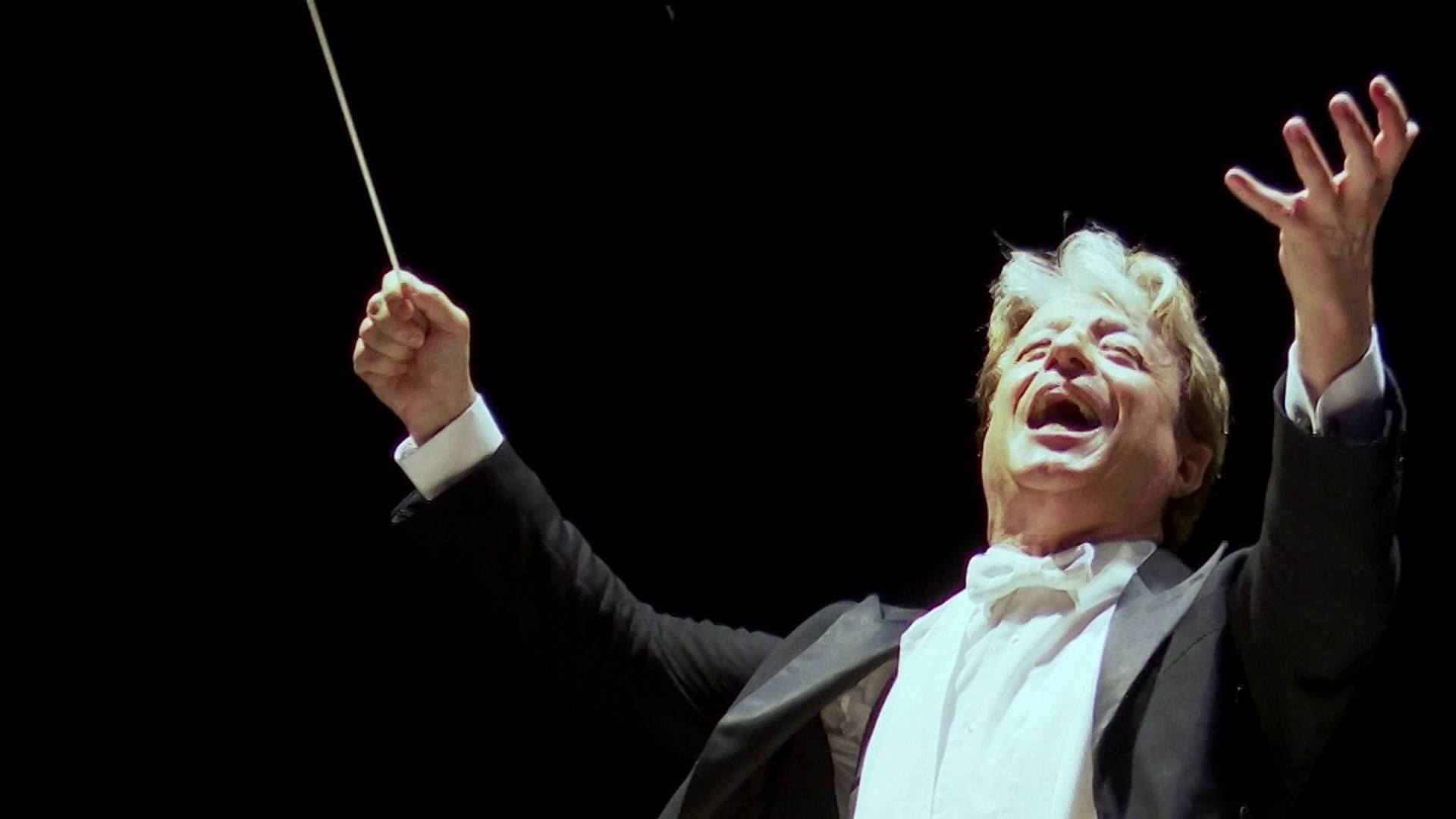
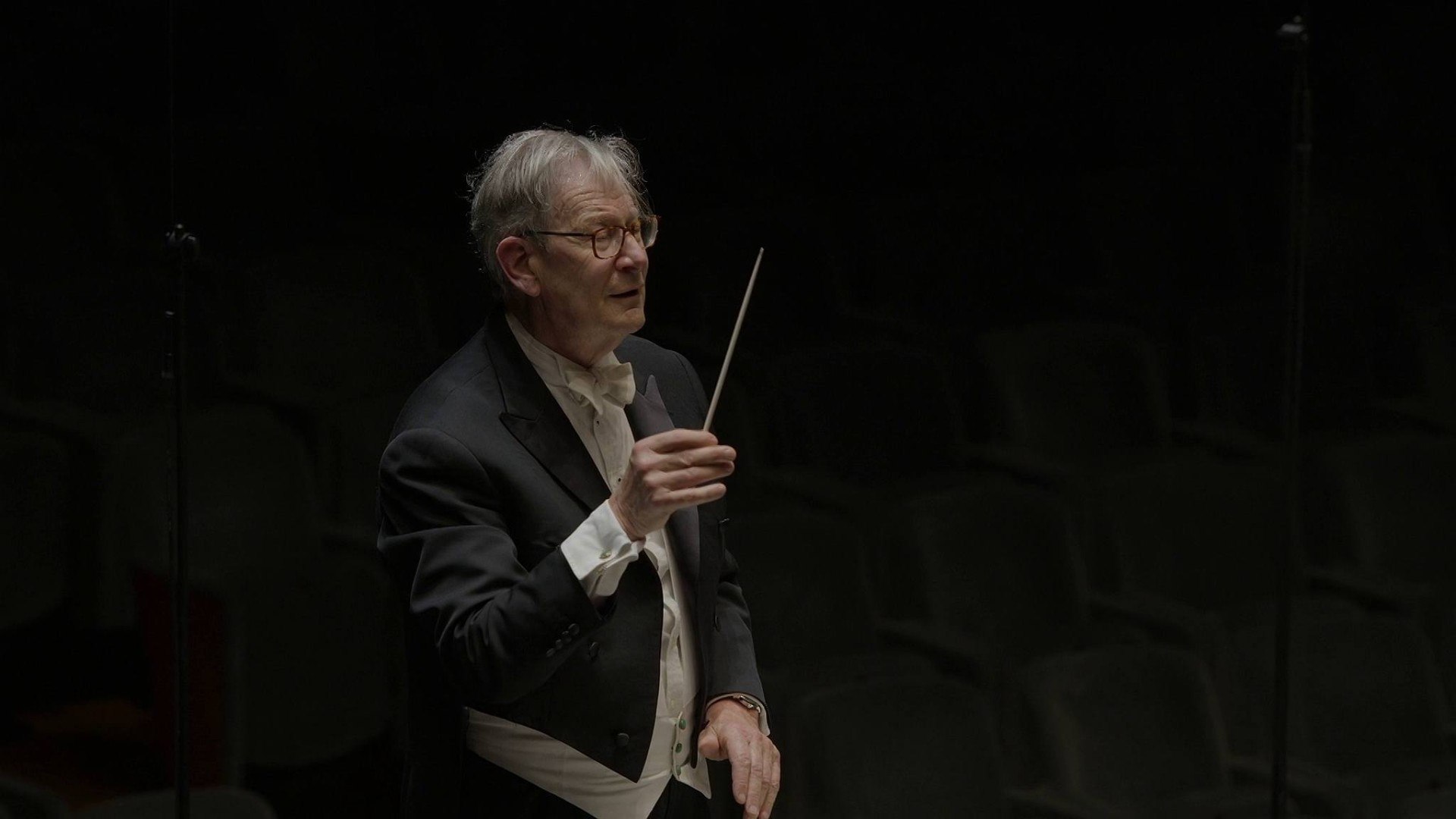
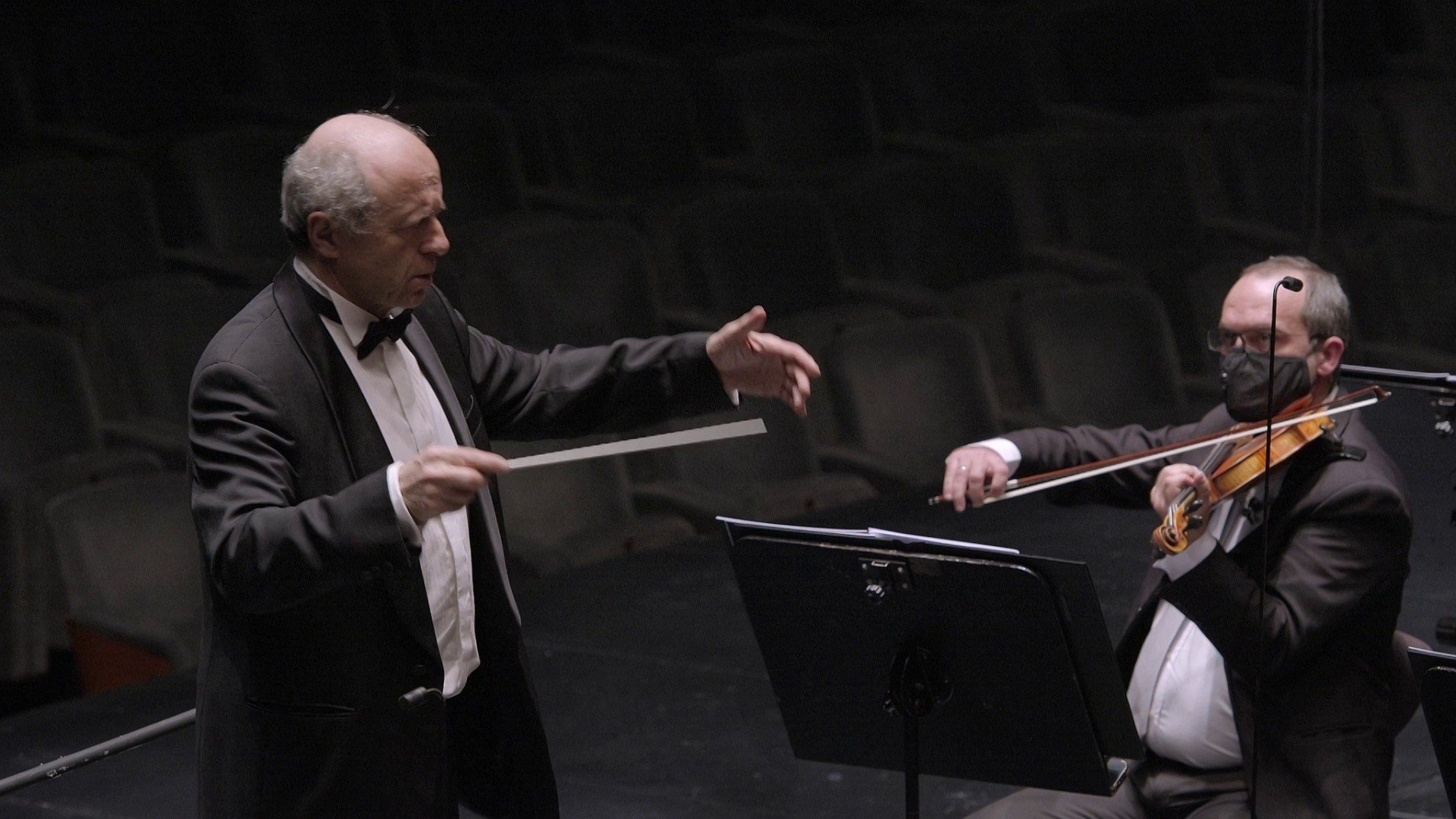
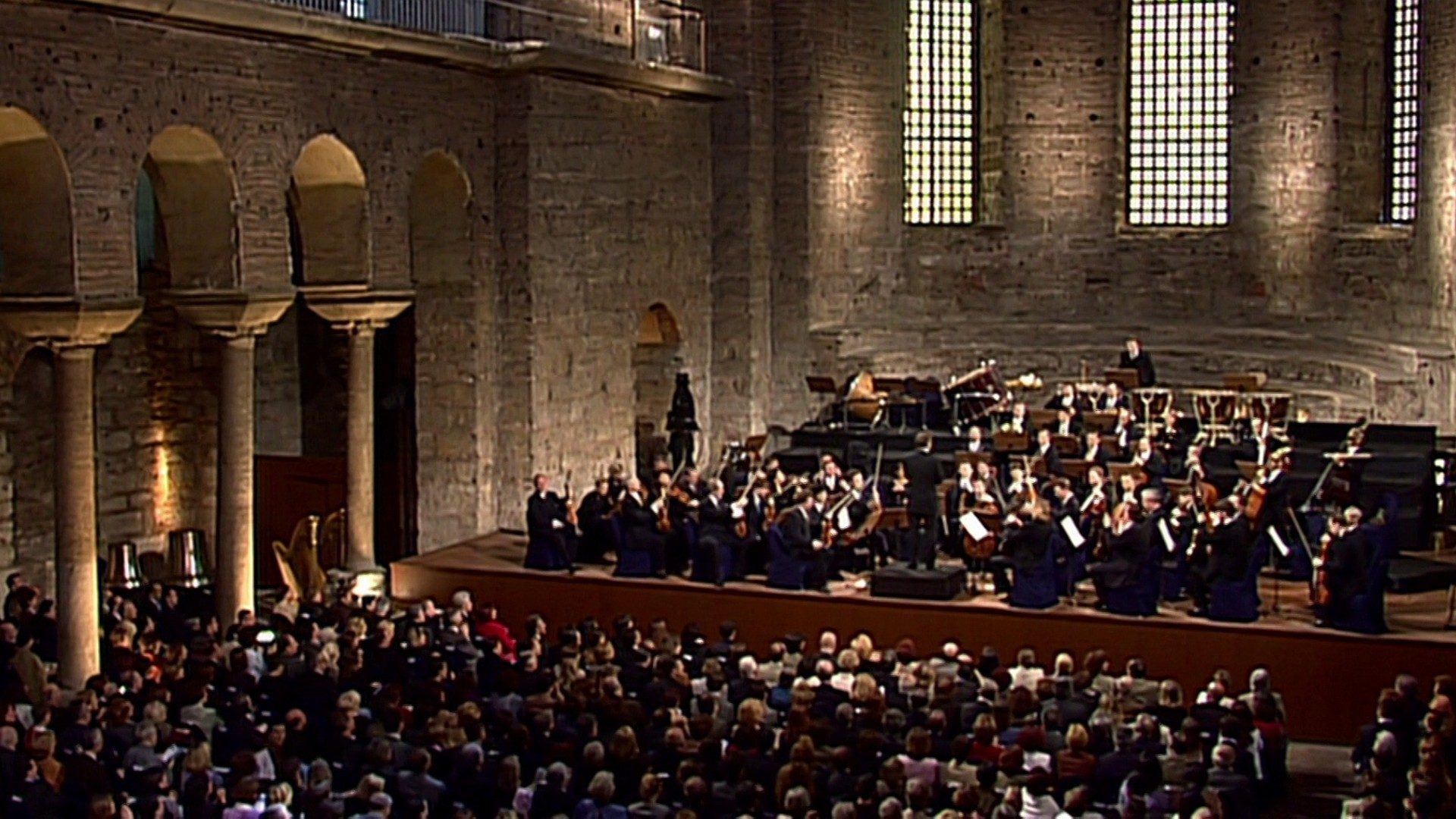
Mariss Jansons, Berliner Philharmoniker & Emmanuel Pahud

Mariss Jansons, Berliner Philharmoniker & Emmanuel Pahud

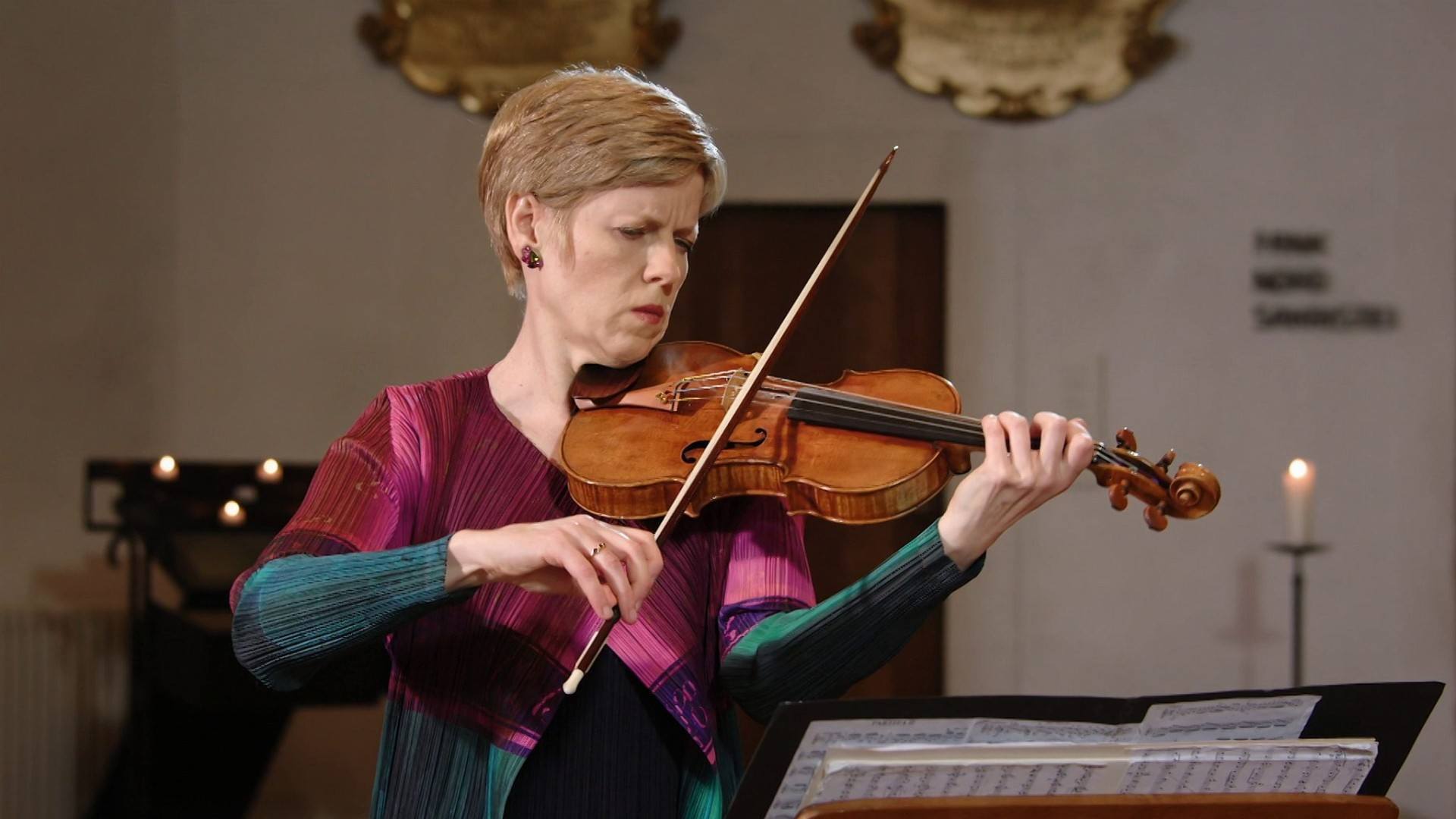
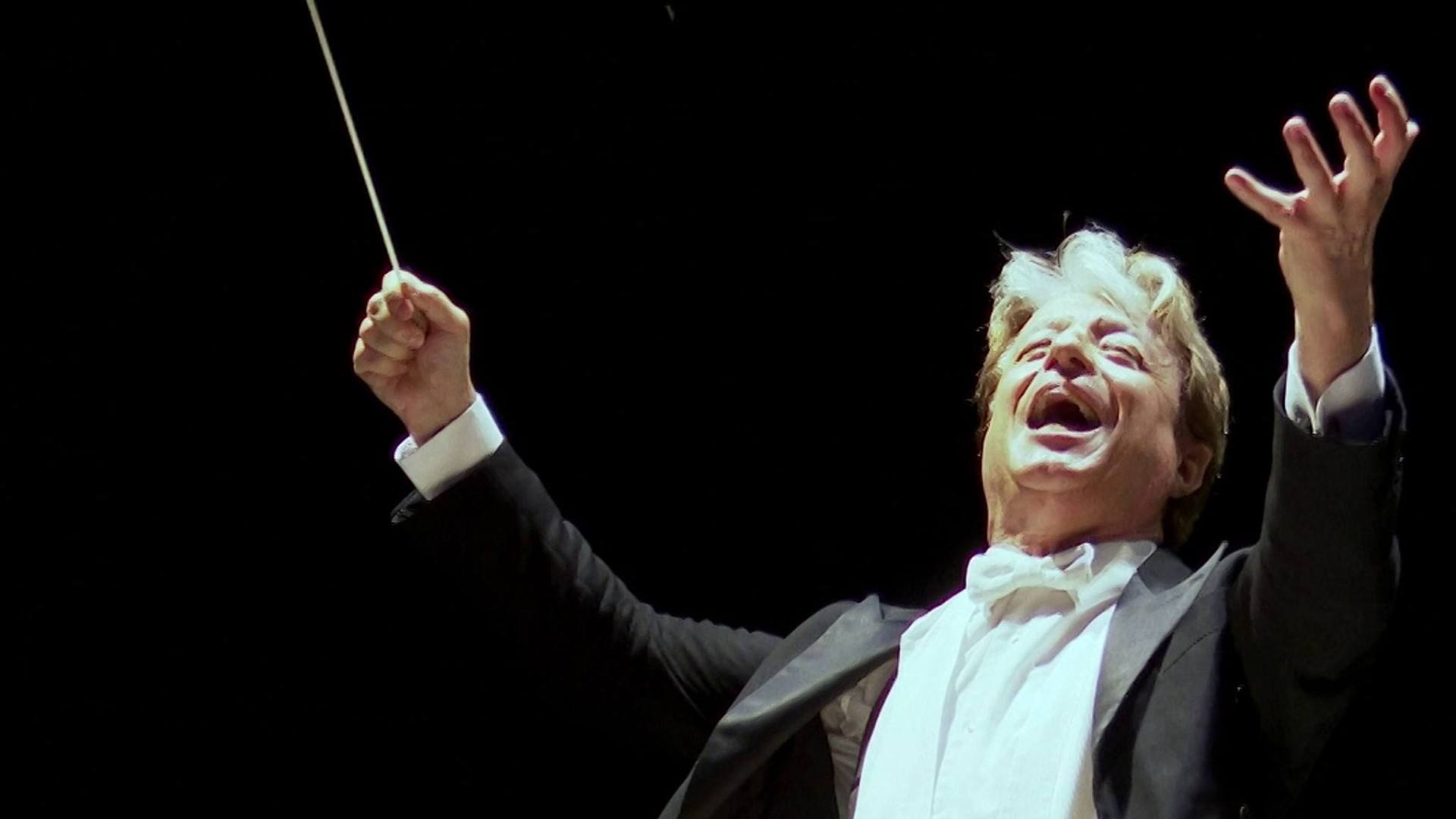
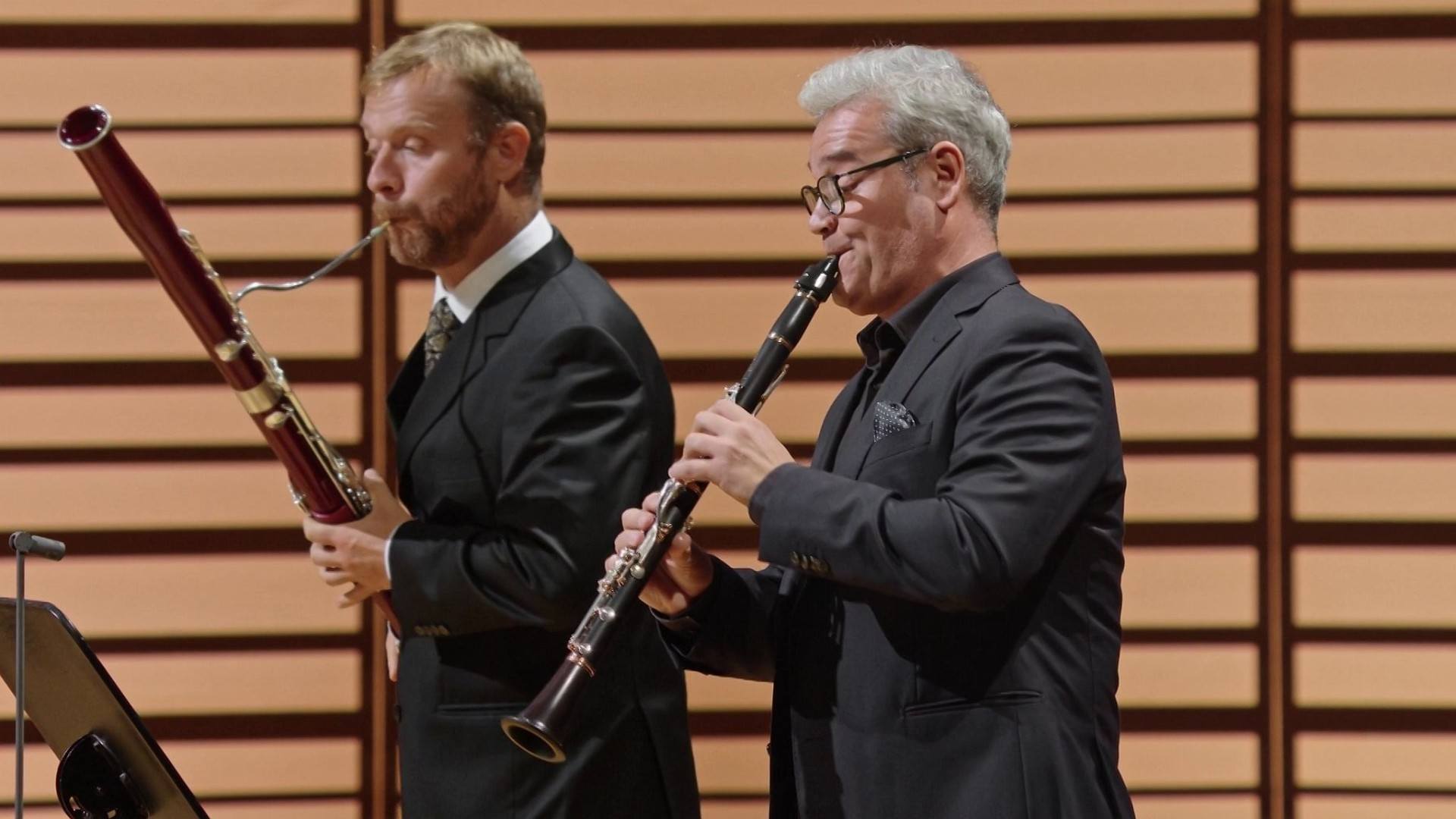
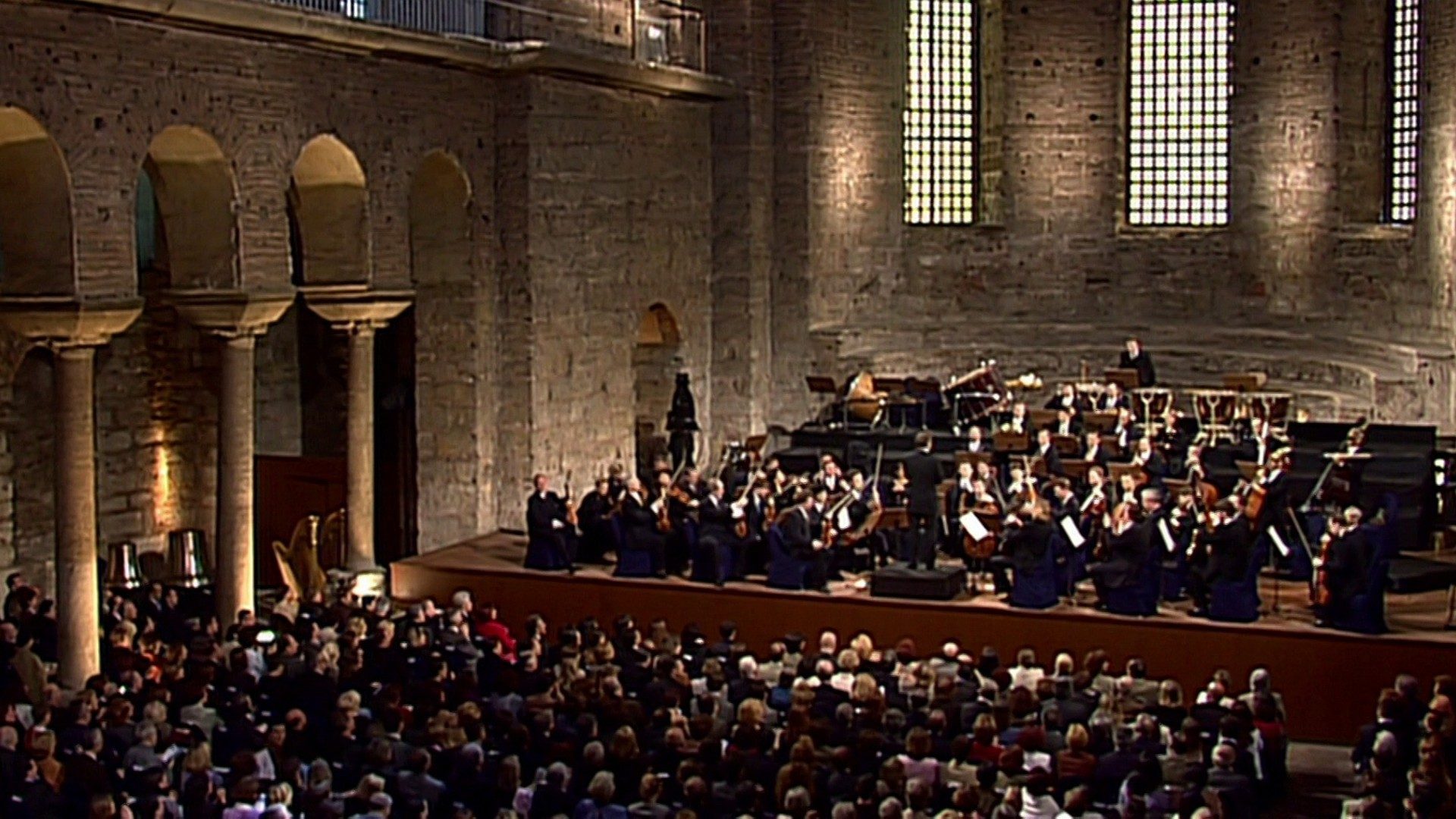
Joseph Haydn (1732-1809): Symphony No. 94 in G major "Surprise" - Wolfgang Amadeus Mozart (1756-1791): Flute Concerto in D major, K. 314 - Hector Berlioz (1803-1869): Symphonie fantastique Op. 14. Emmanuel Pahud (flute), Berliner Philharmoniker conductor: Mariss Jansons. The European Concert has been a tradition of the Berliner Philharmoniker since 1991. The musicians commemorate the anniversary of the orchestra's founding on May 1st, 1882, playing in different European cities. This concert was recorded in the church "Hagia Eirene" in Istanbul, Turkey.

2025-12-08 11:00:00 +0000 UTC2025-12-08 13:00:00 +0000 UTC (2h)
Vadim Yarkov

Vadim Yarkov

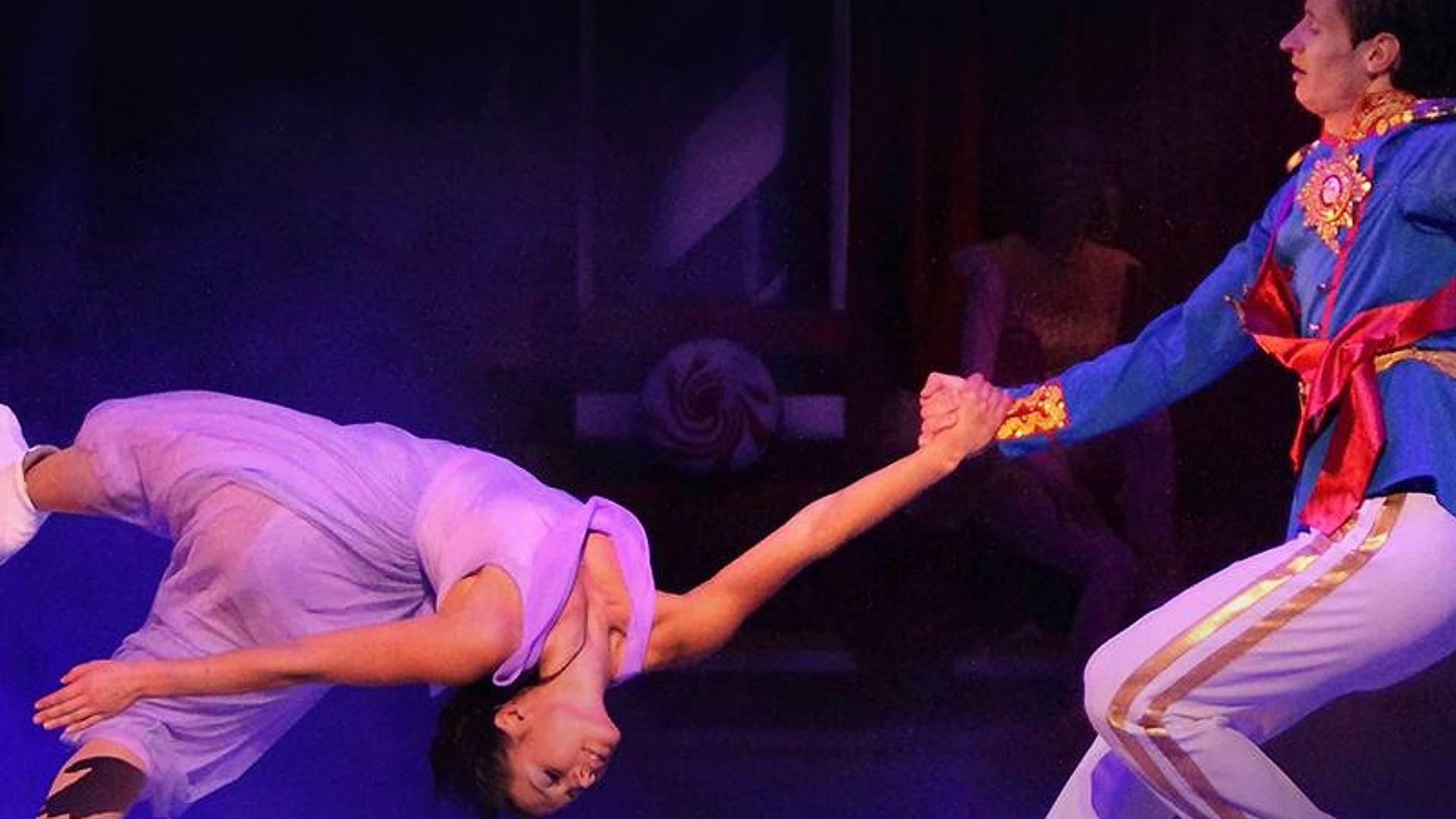
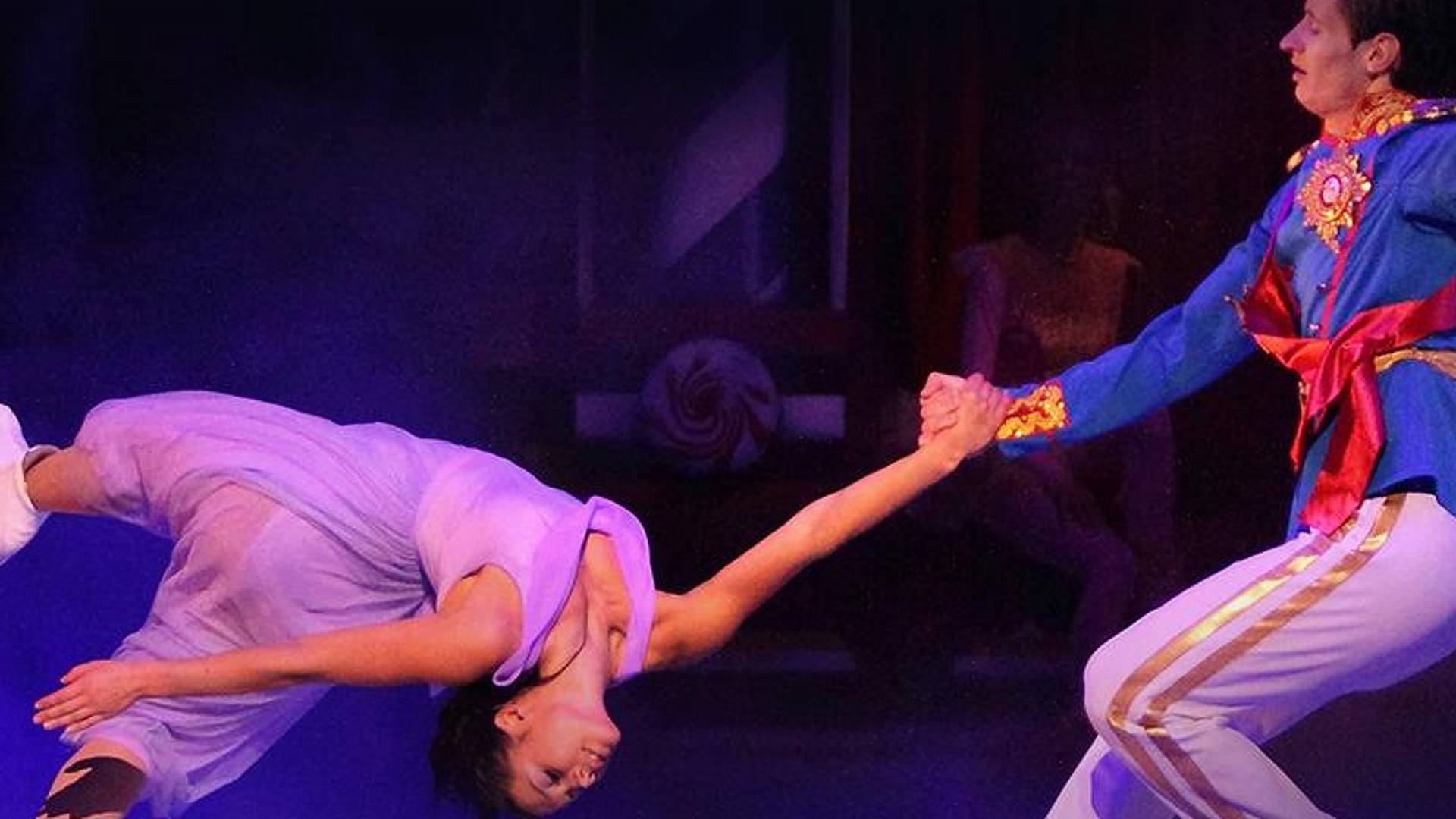
This stunning performance of theatrical ice dancing brings viewers into the enchanting world of Tchaikovsky's magnificent holiday classic, The Nutcracker On Ice, performed by the internationally renowned Imperial Ice Stars, and including former champion figure skaters, Vadim Yarkov and Olga Sharutenko. This very special performance and soundtrack was performed by the Manchester Symphony Orchestra, conducted by Tim A. Duncan, and filmed live in Cape Town, South Africa in 2011.

2025-12-08 09:00:00 +0000 UTC2025-12-08 11:00:00 +0000 UTC (2h)
Roberto Abbado, Filarmonica Arturo Toscanini, Coro del Teatro Regio di Parma & Eleonora Buratto

Roberto Abbado, Filarmonica Arturo Toscanini, Coro del Teatro Regio di Parma & Eleonora Buratto

Roberto Abbado conducts the Filarmonica Arturo Toscanini, the Coro del Teatro Regio di Parma, and four vocal soloists in an outstanding performance of Giuseppe Verdi's Messa da Requiem, recorded at the Parco Ducale di Parma, Italy as part of Festival Verdi 2020. The soloists are soprano Eleonora Buratto, mezzosoprano Anita Rachvelishvili, tenor Giorgio Berrugi, and bass Roberto Tagliavini. When his fellow composer Gioachino Rossini died in 1868, Verdi proposed to compose a ‘Messa per Rossini' in his honor, to be written by himself and several other Italian composers. Verdi wrote the concluding movement, ‘Libera me'. When the premiere was cancelled, the project lay dormant. When Italian poet Alessandro Manzoni passed away a few years later, Verdi revisited his plan to compose a requiem – this time in honor of the poet he so greatly admired. As an opera composer, Verdi knew better than anyone how to infuse the work with drama, as is evident in the revised version of his ‘Libera me'. The famous, powerful ‘Dies Irae' especially stands out, depicting the horrors of the Last Judgement.

2025-12-08 07:00:00 +0000 UTC2025-12-08 08:48:13 +0000 UTC (1h48m)
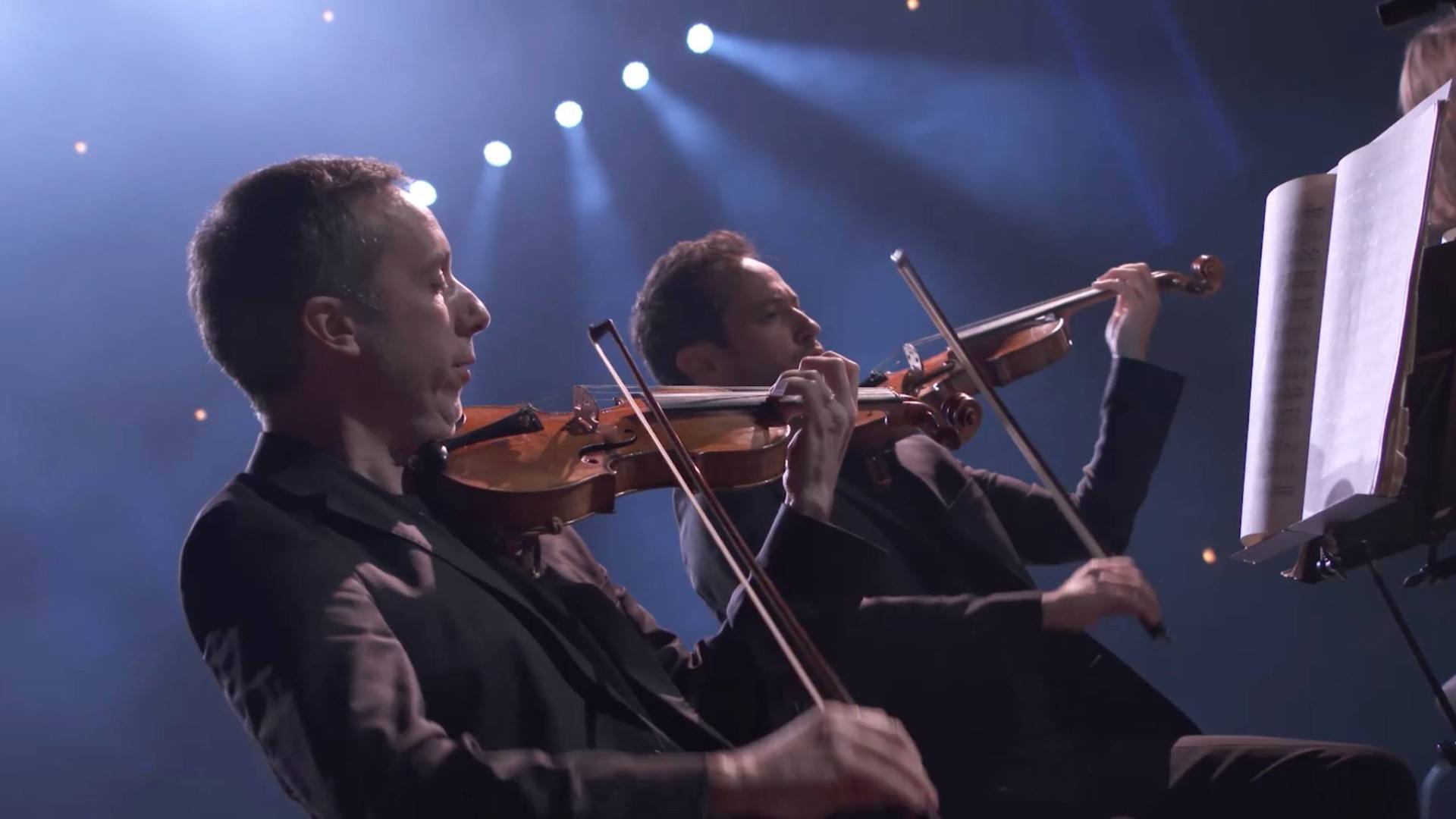
Quatuor Ebène

Quatuor Ebène

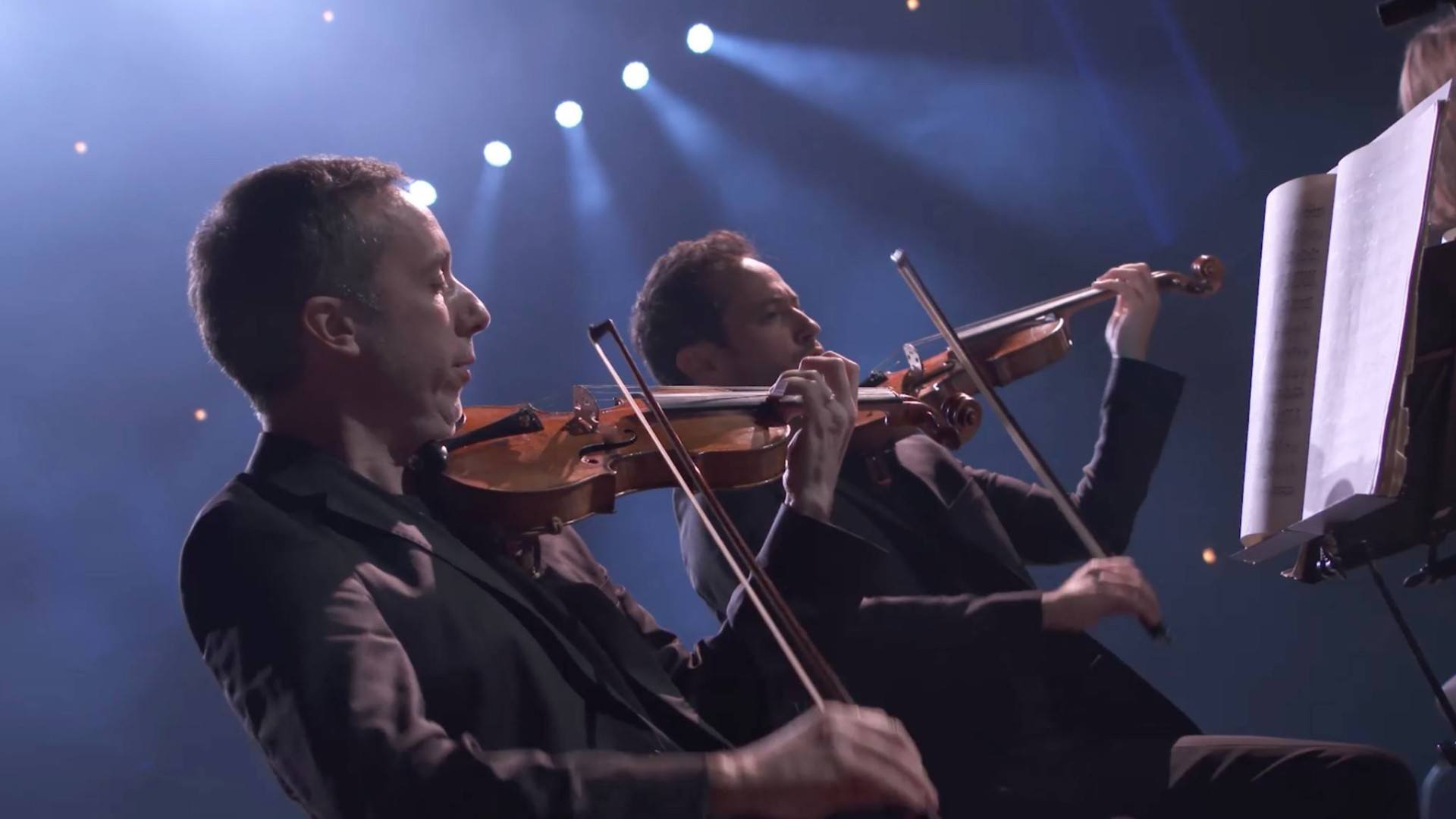
Renowned French string quartet Quatuor Ébène marked the 250th birth anniversary of Ludwig van Beethoven (1770-1827) with a remarkable project: recording all of the great composer's sixteen string quartets. For five years, violinists Pierre Colombet and Gabriel Le Magadure, violist Marie Chilemme, and cellist Raphaël Merlin immersed themselves in Beethoven's 650 pages of sheet music. Their efforts culminated in the performance of the composer's complete repertoire for string quartet, which covers three decades of Beethoven's musical creativity, during six impressive concerts at Philharmonie de Paris in the autumn of 2020. Quatuor Ébène explored every facet of Beethoven's string quartet repertoire: from the youthful Opus 18 string quartets to the Razumovsky, Harp, and Serioso quartets (Opus 59, 74, and 95) from his middle period, and finally, the depth of his late quartets (Opus 127 to 135). This program features Quatuor Ébène performing Beethoven's String Quartet No. 2 in G major, Op. 18, No. 2 String Quartet No. 16 in F major, Op. 135 and String Quartet No. 14 in C-sharp minor, Op. 131. This concert was recorded at Philharmonie de Paris on December 16, 2020.

2025-12-08 05:00:00 +0000 UTC2025-12-08 07:00:00 +0000 UTC (2h)
David Grimal & Les Dissonances

David Grimal & Les Dissonances

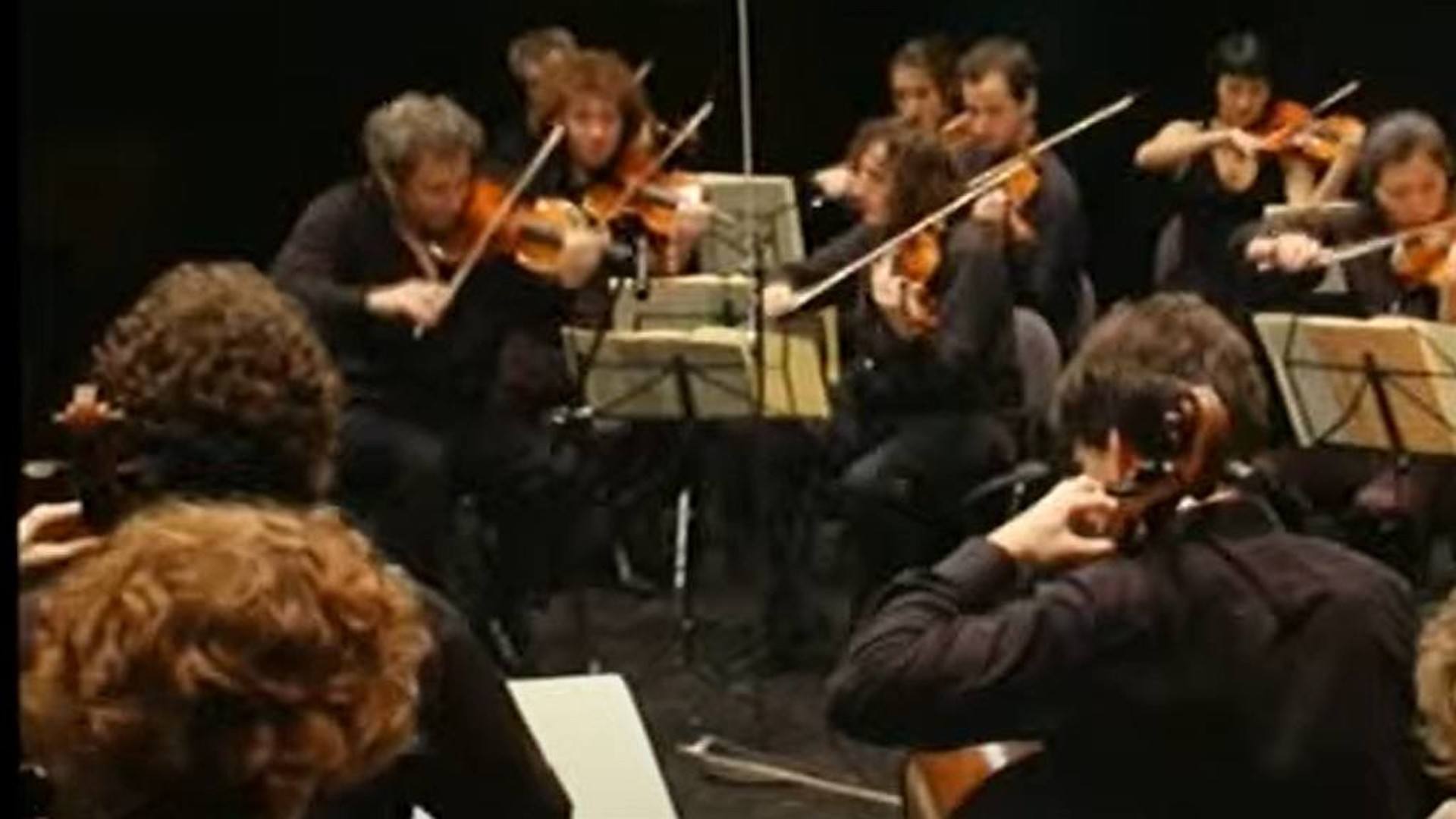
Les Dissonances is a collective of artists founded by violinist David Grimal in 2004. The conductorless ensemble consists of musicians from the most prestigious European orchestras, international soloists, and young talents. In this performance, Les Dissonances present Ludwig van Beethoven's Symphony No. 3 in E-flat major, Op. 55, ‘Eroica'. Admiring the ideals of the French Revolution, Beethoven initially dedicated the symphony to Napoleon Bonaparte. However, upon hearing that Napoleon had crowned himself Emperor, Beethoven violently erased Napoleon's name from the manuscript. Composed in 1803-04 in a style that breaks with tradition, the symphony is regarded as a turning point in Beethoven's oeuvre as well as Western music history. Symphony No. 3 is longer in duration than any previous symphony. The work opens with two powerful chords that replace the more customary long introduction. The lower strings then introduce the main theme. The slow second movement is a Funeral March, followed by a quick Scherzo. The fourth and final movement is dominated by a theme from Beethoven's ballet music for ‘The Creatures of Prometheus'. This performance was recorded at Opéra de Dijon, France, in 2012.

2025-12-07 22:45:00 +0000 UTC2025-12-07 23:45:00 +0000 UTC (1h)
West-Eastern Divan Orchestra & Daniel Barenboim

West-Eastern Divan Orchestra & Daniel Barenboim

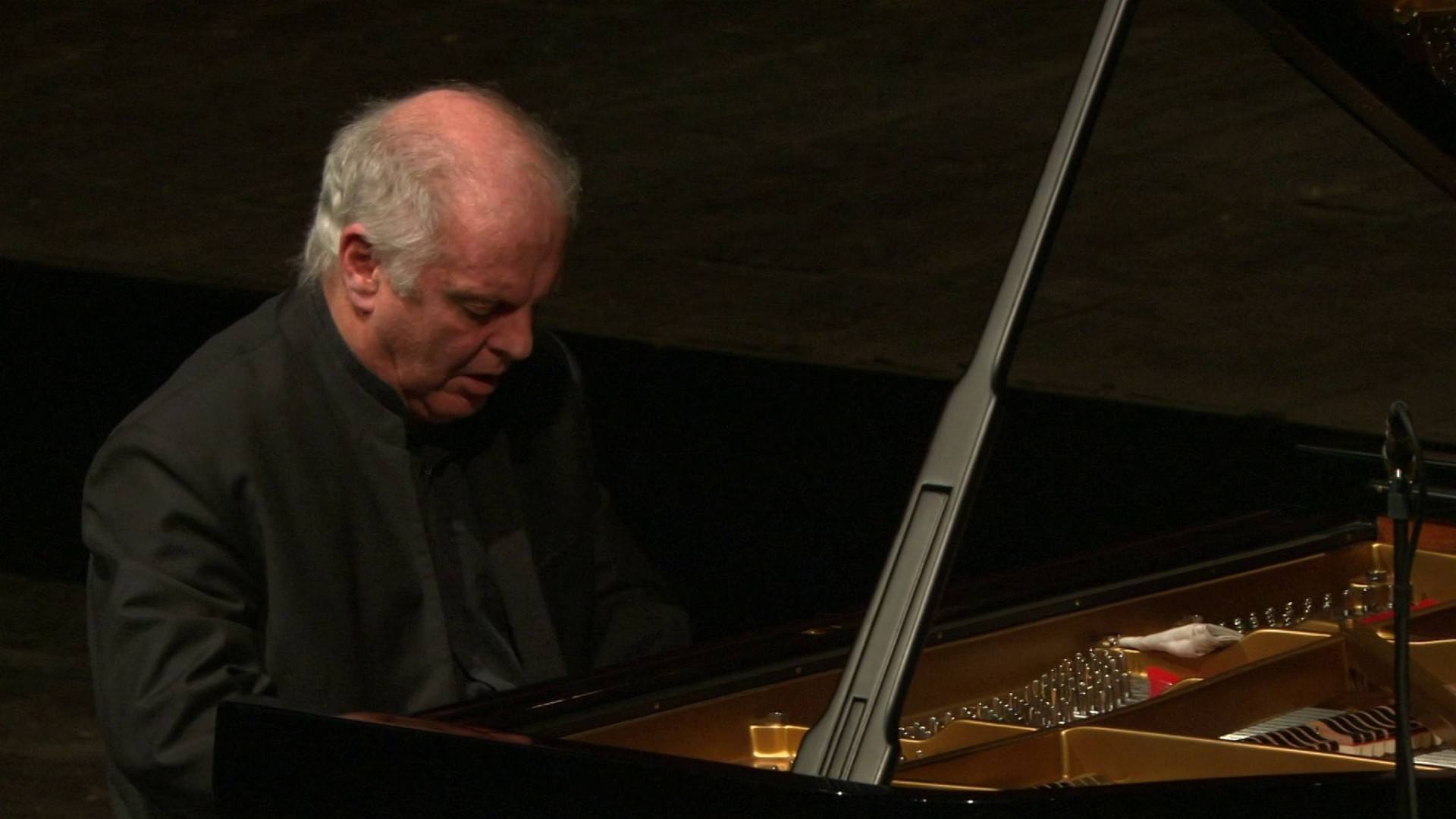
To transcend the political and ideological divides between their respective countries, Daniel Barenboim, an Argentinian Jew and Israel's most famous pianist and conductor, and Edward Said, a Palestinian philosopher and Christian, created the West-Eastern Divan Orchestra, an ensemble of young musicians between the ages of 13 and 26 who have as many Israelis as there are Arabs. Despite this great symbolism, the objectives and ambitions of the West-Eastern Divan Orchestra are first and foremost musical: the political divisions of the Middle East are setting aside the time of the union of these young musical talents which speaks volumes about the power of cultural interaction. This performance delivered to Victoria Hall in Geneva features two famous masterpieces: Beethoven's Piano Concerto No. 3 and Tchaikovsky's Symphony No. 5. The concert ends with the Sad Waltz of Sibelius and the opening of La Forza del Destino of Verdi.

2025-12-07 20:30:00 +0000 UTC2025-12-07 22:33:41 +0000 UTC (2h3m)
The Philharmonics

The Philharmonics

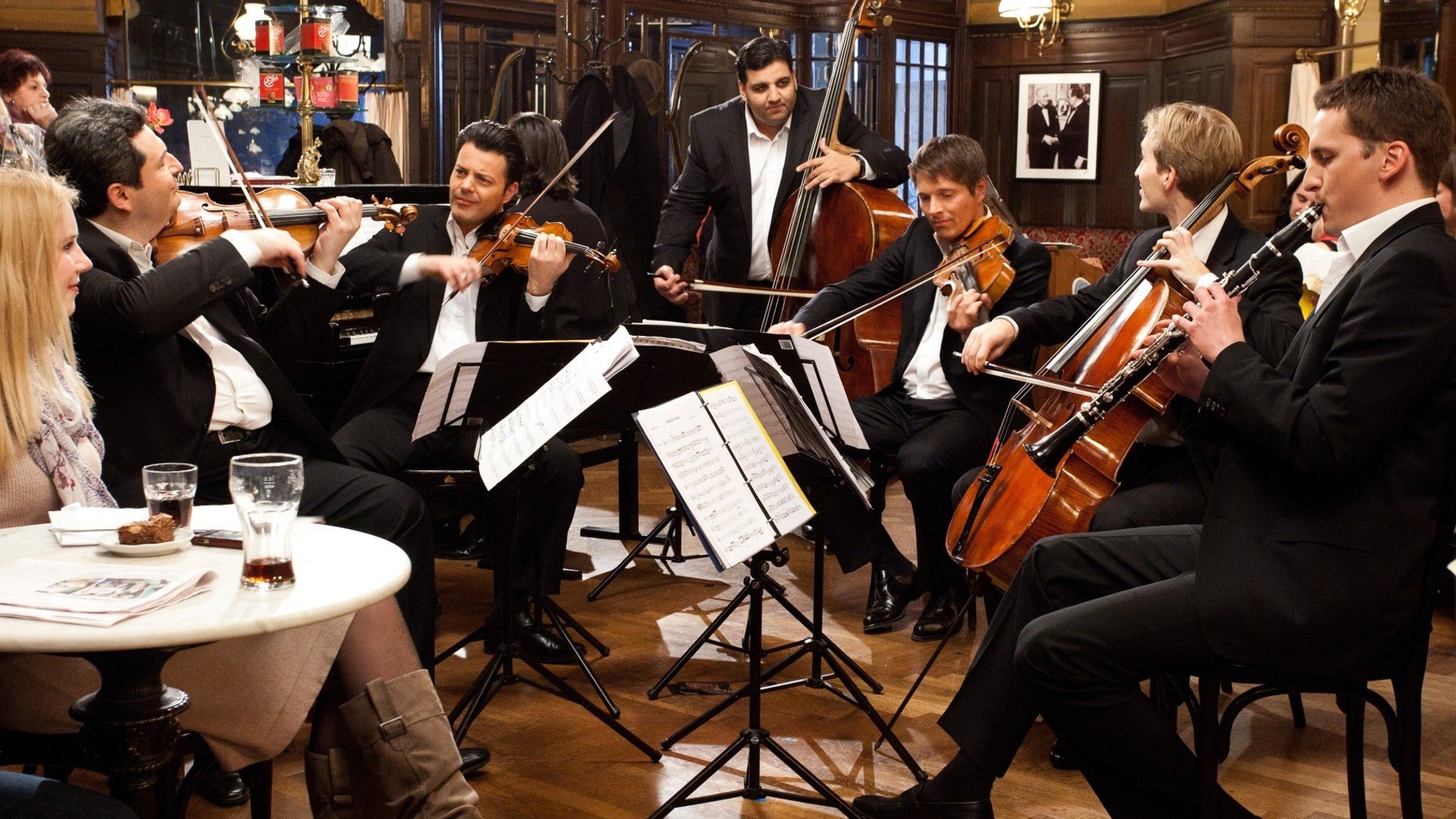
Chamber music ensemble The Philharmonics pays tribute to the music of Vienna in this March 9, 2011 concert from Vienna's Café Sperl. The ensemble, which consists of musicians from the Vienna Philharmonic and the Berlin Philharmonic, performs arrangements of five popular waltzes by Johann Straus II. Among them are Kaiser-Walzer, Op. 437, and Schatz-Walzer, Op. 418, from the operetta The Gypsy Baron. In May 1921, the likes of Arnold Schönberg, Alban Berg, and Anton Webern wrote these chamber music arrangements to raise funds for their Society for Private Musical Performances. Although both the concert and the auction of the scores were very successful, the Society eventually went under. In addition to these pieces by Strauss, The Philharmonics perform works by Fritz Kreisler, Leopold Godowsky, as well as The Philharmonics's first violinist, Tibor Kováč. The program comes to an end with Godowsky's tribute to the city: Alt Wien.

2025-12-07 19:00:00 +0000 UTC2025-12-07 20:17:49 +0000 UTC (1h17m)
Ivan Fischer & Budapest Festival Orchestra

Ivan Fischer & Budapest Festival Orchestra

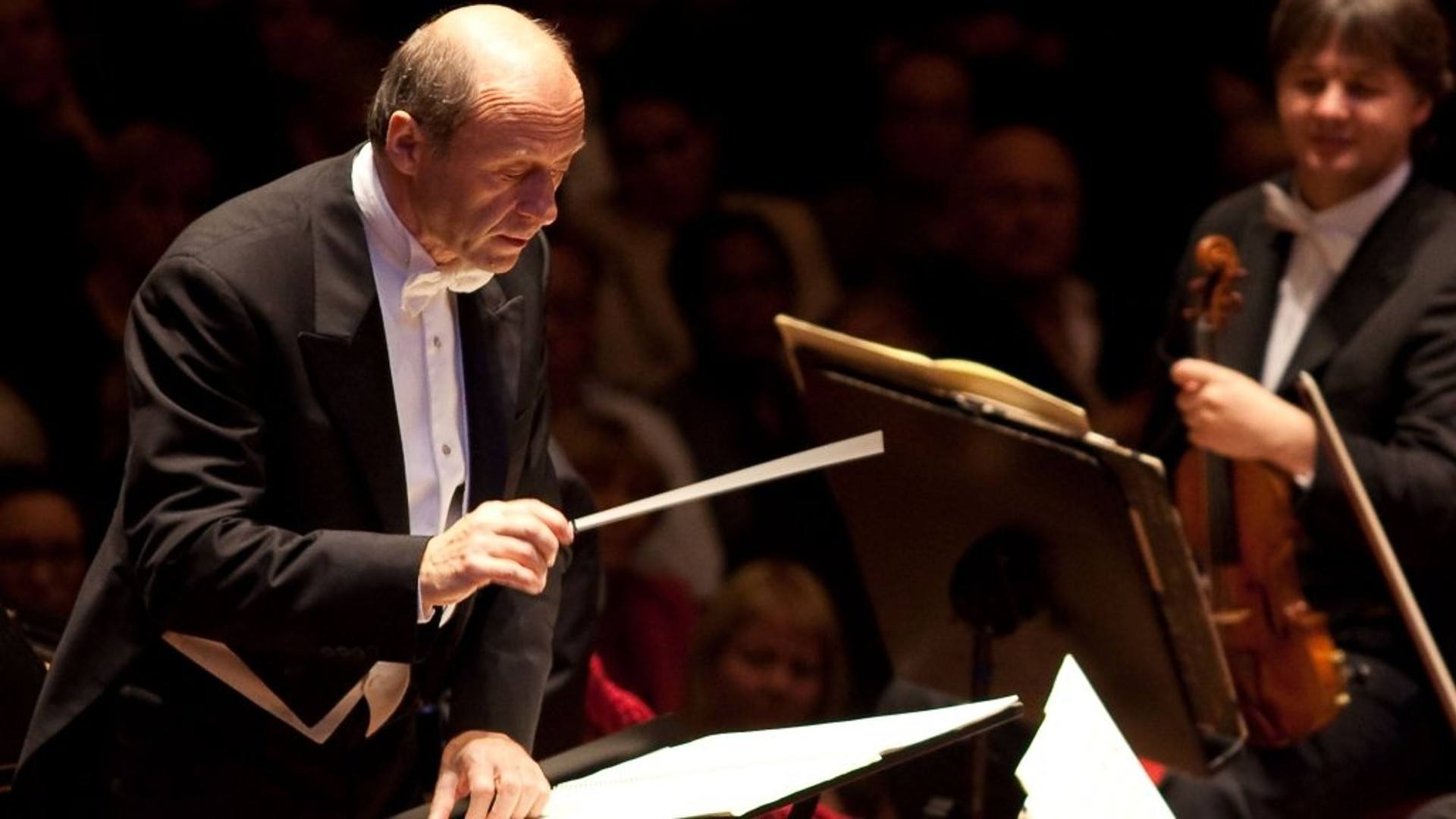
Iván Fischer leads his Budapest Festival Orchestra in an exciting concert program consisting of works by J. S. Bach, Béla Bartók, and Johannes Brahms. The program opens with Bach's Brandenburg Concerto No. 3 in G major, BWV 1048. This is followed by one of Bartók's best-known pieces: Music for strings, percussion and celesta. Remarkable is the work's instrumentation: Bartók divided the strings into two groups that are placed on opposite sides of the stage, to create antiphonal effects. The program ends with Brahms's Symphony No. 3 in F major, Op. 90. This performance was recorded at the Béla Bartók National Concert Hall in Budapest, Hungary, on December 4, 2017.

2025-12-07 17:00:00 +0000 UTC2025-12-07 19:00:00 +0000 UTC (2h)
Mariss Jansons, Berliner Philharmoniker & Emmanuel Pahud

Mariss Jansons, Berliner Philharmoniker & Emmanuel Pahud

Joseph Haydn (1732-1809): Symphony No. 94 in G major "Surprise" - Wolfgang Amadeus Mozart (1756-1791): Flute Concerto in D major, K. 314 - Hector Berlioz (1803-1869): Symphonie fantastique Op. 14. Emmanuel Pahud (flute), Berliner Philharmoniker conductor: Mariss Jansons. The European Concert has been a tradition of the Berliner Philharmoniker since 1991. The musicians commemorate the anniversary of the orchestra's founding on May 1st, 1882, playing in different European cities. This concert was recorded in the church "Hagia Eirene" in Istanbul, Turkey.

2025-12-07 11:00:00 +0000 UTC2025-12-07 13:00:00 +0000 UTC (2h)
Vadim Yarkov

Vadim Yarkov

This stunning performance of theatrical ice dancing brings viewers into the enchanting world of Tchaikovsky's magnificent holiday classic, The Nutcracker On Ice, performed by the internationally renowned Imperial Ice Stars, and including former champion figure skaters, Vadim Yarkov and Olga Sharutenko. This very special performance and soundtrack was performed by the Manchester Symphony Orchestra, conducted by Tim A. Duncan, and filmed live in Cape Town, South Africa in 2011.

2025-12-07 09:00:00 +0000 UTC2025-12-07 11:00:00 +0000 UTC (2h)
Roberto Abbado, Filarmonica Arturo Toscanini, Coro del Teatro Regio di Parma & Eleonora Buratto

Roberto Abbado, Filarmonica Arturo Toscanini, Coro del Teatro Regio di Parma & Eleonora Buratto

Roberto Abbado conducts the Filarmonica Arturo Toscanini, the Coro del Teatro Regio di Parma, and four vocal soloists in an outstanding performance of Giuseppe Verdi's Messa da Requiem, recorded at the Parco Ducale di Parma, Italy as part of Festival Verdi 2020. The soloists are soprano Eleonora Buratto, mezzosoprano Anita Rachvelishvili, tenor Giorgio Berrugi, and bass Roberto Tagliavini. When his fellow composer Gioachino Rossini died in 1868, Verdi proposed to compose a ‘Messa per Rossini' in his honor, to be written by himself and several other Italian composers. Verdi wrote the concluding movement, ‘Libera me'. When the premiere was cancelled, the project lay dormant. When Italian poet Alessandro Manzoni passed away a few years later, Verdi revisited his plan to compose a requiem – this time in honor of the poet he so greatly admired. As an opera composer, Verdi knew better than anyone how to infuse the work with drama, as is evident in the revised version of his ‘Libera me'. The famous, powerful ‘Dies Irae' especially stands out, depicting the horrors of the Last Judgement.

2025-12-07 07:00:00 +0000 UTC2025-12-07 08:48:13 +0000 UTC (1h48m)
Quatuor Ebène

Quatuor Ebène

Renowned French string quartet Quatuor Ébène marked the 250th birth anniversary of Ludwig van Beethoven (1770-1827) with a remarkable project: recording all of the great composer's sixteen string quartets. For five years, violinists Pierre Colombet and Gabriel Le Magadure, violist Marie Chilemme, and cellist Raphaël Merlin immersed themselves in Beethoven's 650 pages of sheet music. Their efforts culminated in the performance of the composer's complete repertoire for string quartet, which covers three decades of Beethoven's musical creativity, during six impressive concerts at Philharmonie de Paris in the autumn of 2020. Quatuor Ébène explored every facet of Beethoven's string quartet repertoire: from the youthful Opus 18 string quartets to the Razumovsky, Harp, and Serioso quartets (Opus 59, 74, and 95) from his middle period, and finally, the depth of his late quartets (Opus 127 to 135). This program features Quatuor Ébène performing Beethoven's String Quartet No. 2 in G major, Op. 18, No. 2 String Quartet No. 16 in F major, Op. 135 and String Quartet No. 14 in C-sharp minor, Op. 131. This concert was recorded at Philharmonie de Paris on December 16, 2020.

2025-12-07 05:00:00 +0000 UTC2025-12-07 07:00:00 +0000 UTC (2h)
Daniel Harding & Orchestra del Maggio Musicale Fiorentino

Daniel Harding & Orchestra del Maggio Musicale Fiorentino

The Maggio Musicale Fiorentino (Florence Musical May) is Italy's oldest opera and arts festival. It was founded in 1933 with the aim of presenting contemporary and forgotten operas. Over the years, the scope widened, and orchestral concerts have long been an integral part of the festival. As part of the festival's 2021 edition, maestro Daniel Harding leads the Orchestra del Maggio Musicale Fiorentino in a wonderful concert program featuring Johannes Brahms's Tragic Overture in D minor, Op. 81, and Gustav Mahler's Symphony No. 1 in D major, ‘Titan'. Brahms composed his concert overture during the summer of 1880. With its dark and tumultuous character, it could be regarded as the serious counterpart of his more joyful Academic Festival Overture, Op. 80. Mahler completed his first symphony eight years later, in 1888. Originally a five-movement piece, the composer discarded the second movement ‘Blumine' some years later, resulting in the final four-movement version we know today. This performance was recorded at Teatro del Maggio Musicale Fiorentino in Florence, Italy, in 2021.

2025-12-06 22:15:00 +0000 UTC2025-12-06 23:45:00 +0000 UTC (1h30m)
Iván Fischer & Orchestra del Maggio Musicale Fiorentino

Iván Fischer & Orchestra del Maggio Musicale Fiorentino

Maestro Iván Fischer leads the Orchestra del Maggio Musicale Fiorentino in a remarkable concert program of works by Wolfgang Amadeus Mozart and Antonín Dvořák. Mozart's Symphony No. 34 in C major, K. 338 opens the program. Completed in the summer of 1780, this was the last symphony Mozart wrote in Salzburg, where he worked as a court musician. The three-movement symphony features two vibrant outer movements with fanfares and rousing themes, while the quieter second movement is scored for strings alone, deviating from the typical four-movement structure of the time. Next on the program is Dvořák's Symphony No. 7 in D minor, Op. 70, completed in March 1885 and premiered one month later in London conducted by the composer himself. With its dramatic and dark style, this symphony stands in stark contrast to the predominantly optimistic tone of Dvořák's broader oeuvre. This performance was recorded at Teatro del Maggio Musicale Fiorentino in Florence, Italy, on January 29, 2021.

2025-12-06 20:45:00 +0000 UTC2025-12-06 22:04:54 +0000 UTC (1h19m)
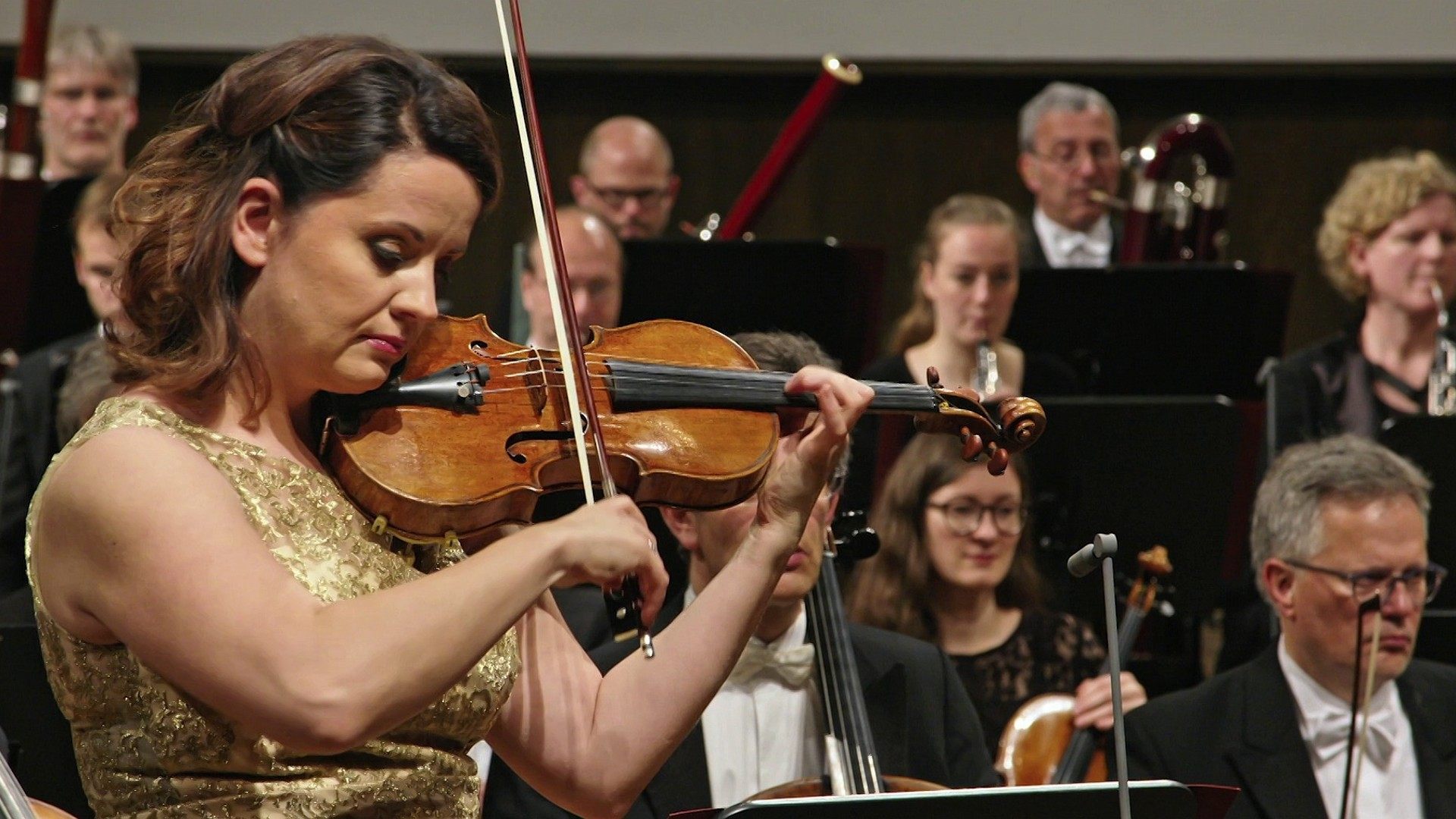
Gewandhausorchester, Andris Nelsons & Baiba Skride

Gewandhausorchester, Andris Nelsons & Baiba Skride

In May 2019, the new principal conductor of the Gewandhaus, Andris Nelsons, presented Tchaikovsky's Symphony No. 5 with his orchestra in combination with Shostakovich's Violin Concerto No. 1 with outstanding violinist Baiba Skride as the soloist. In this composition, the violin does not allow itself a break, continually tells its dark story and gets into a vicious circle of ostinato Passacaglia bass lines again and again falls into beguilingly beautiful singing. Tchaikovsky initially thought his 'Symphony of Fate' was a failure and believed himself to be at the end of his creative powers. It was probably the composer's nature, plagued by self-doubt, that made it almost impossible for him to develop a self-confident attitude to his own creative power. Between this two works, Skride performs Stravinsky's Elegy for Solo Violin.

2025-12-06 18:45:00 +0000 UTC2025-12-06 20:45:00 +0000 UTC (2h)