Wildlife Nannies
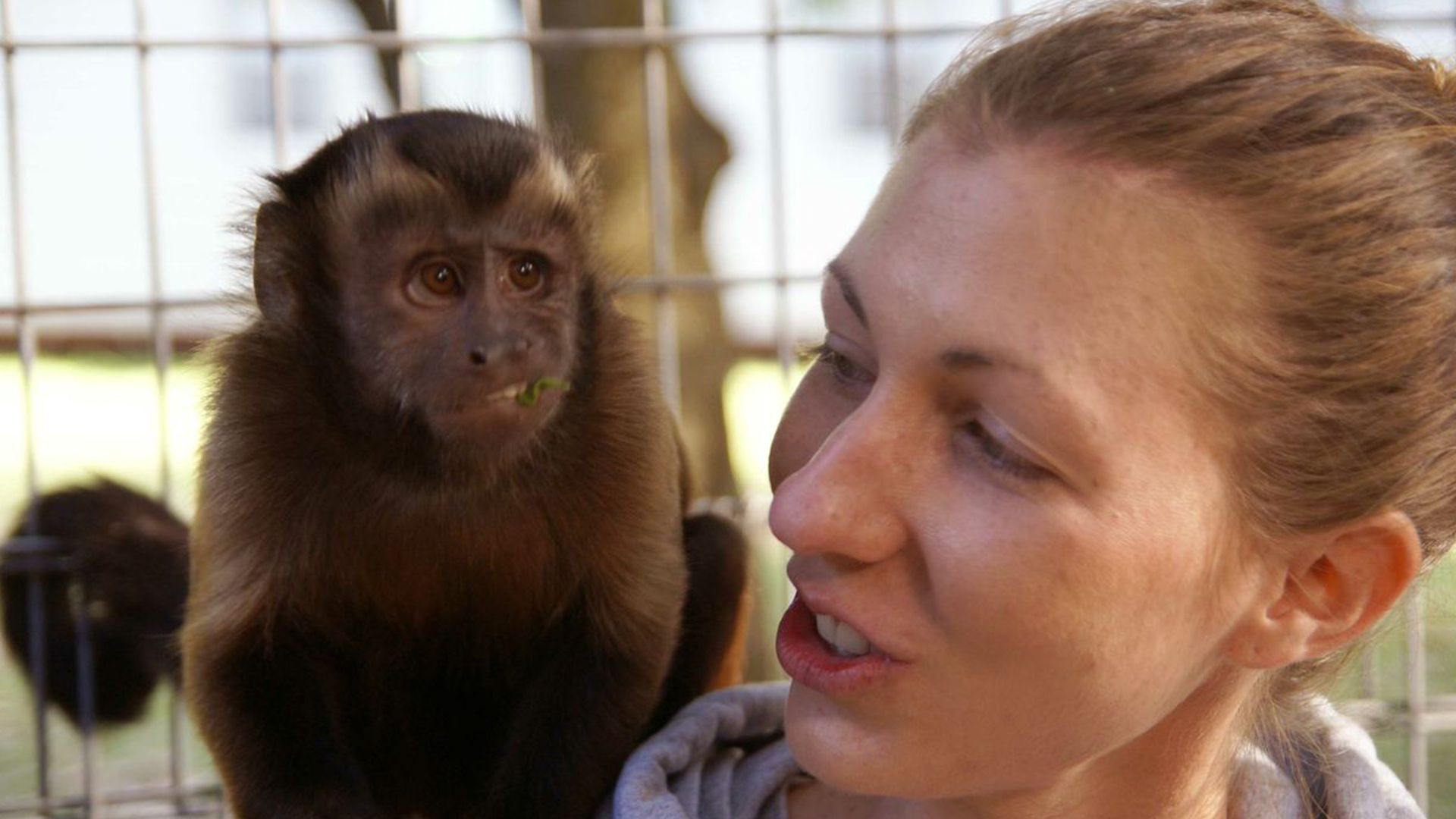
Albino coati Biene moves to a bigger enclosure and meets her new buddies, two raccoons. Will they get along?
2025-12-21 21:55:16 +0000 UTC → 2025-12-21 22:26:11 +0000 UTC
(30m)
Albino coati Biene moves to a bigger enclosure and meets her new buddies, two raccoons. Will they get along?
Showing 1 to 20 of 342 results
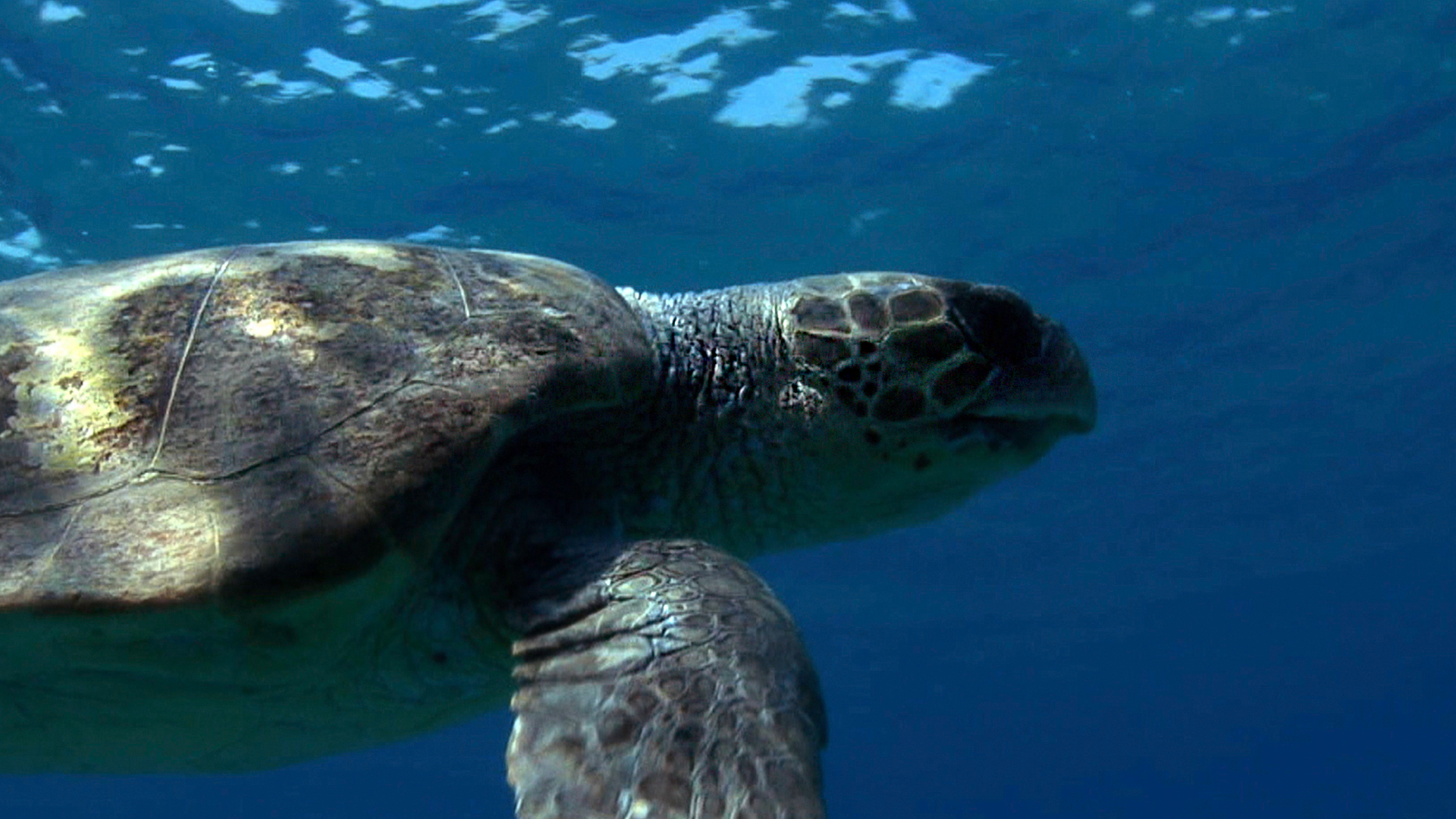
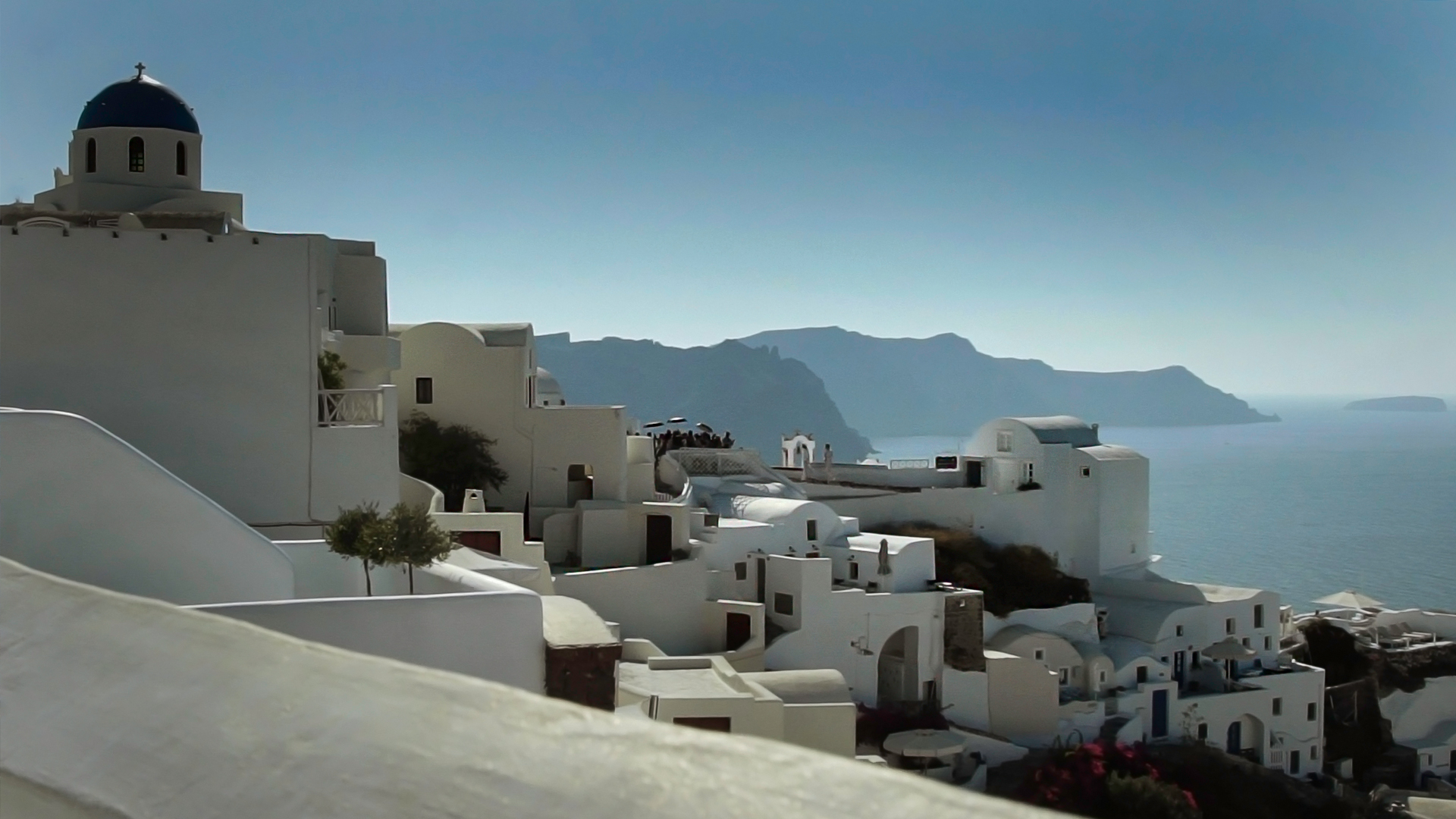
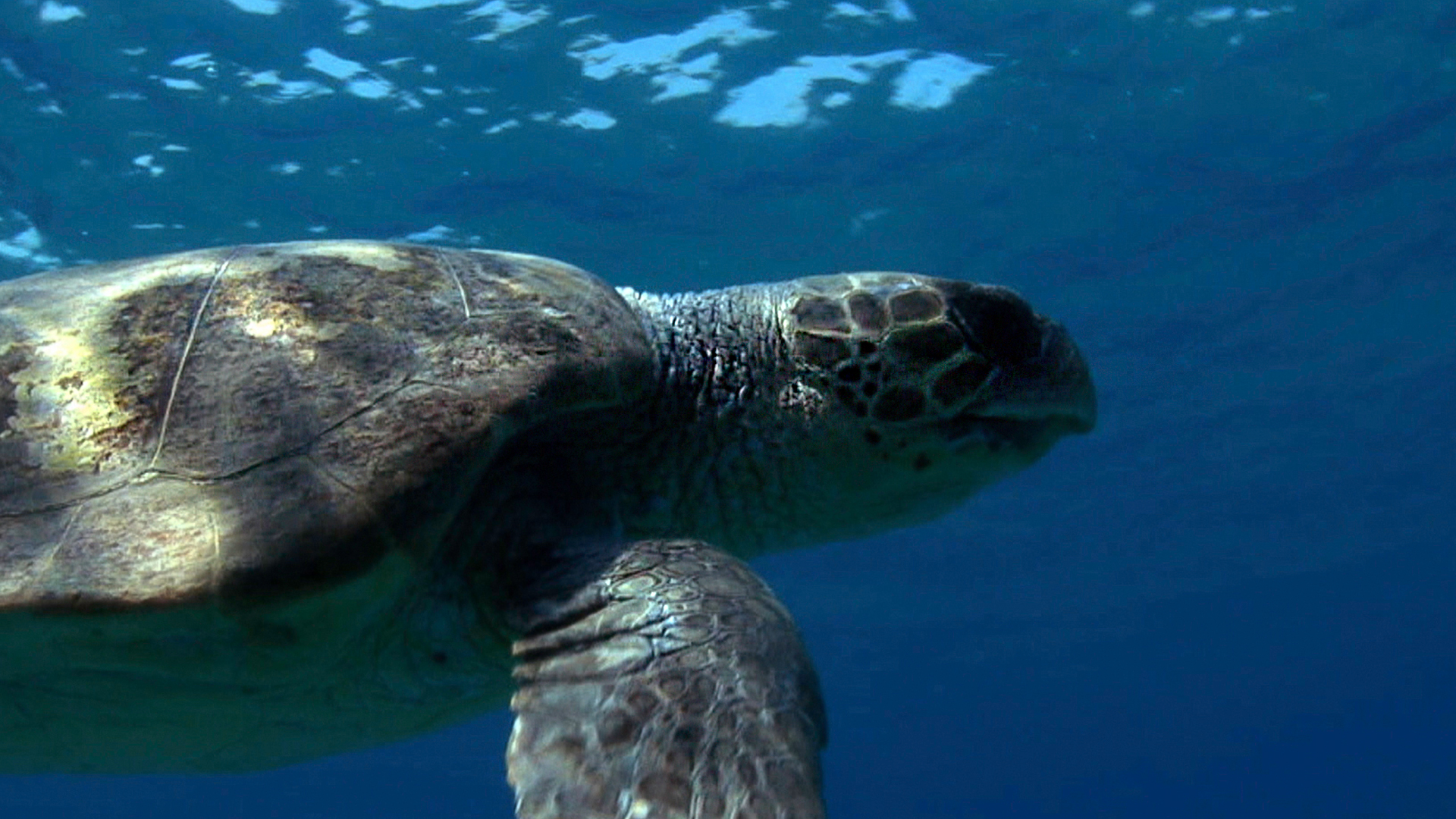
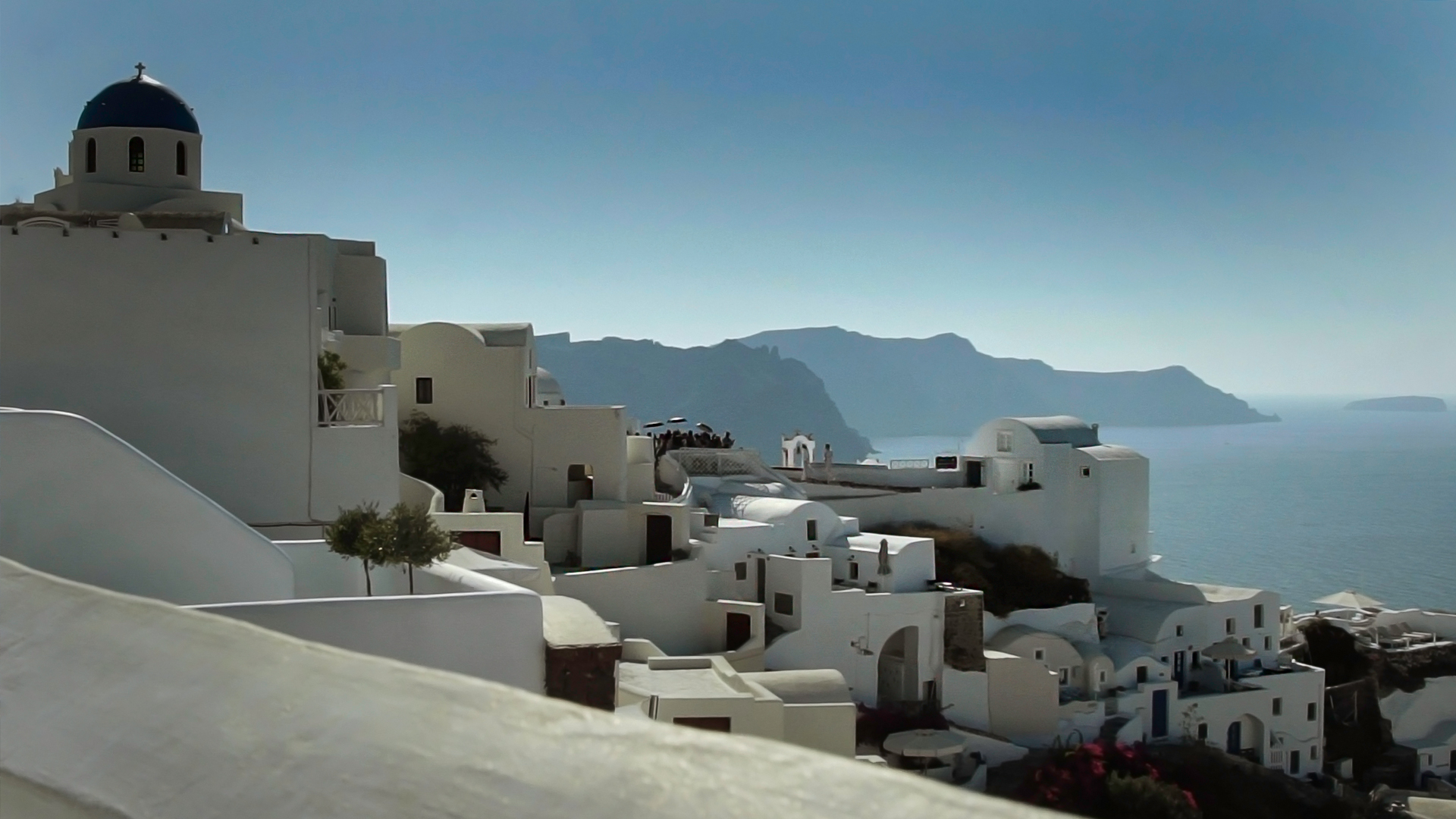
Rugged rocks, blue sea and idyllic, sandy beaches - this is the Mediterranean as we know it. But this impression is deceptive: the Mediterranean is under constant change. The continents are moving towards one another. Animals, that have to survive under such extreme conditions, must find a way to escape the dangers. Between deserts and volcanoes, the challenges for the animals are enormous.
The contours of the Mediterranean have changed during the course of its history. Near Gibraltar, Africa was once connected to the European continent. When the land bridge at Gibraltar collapsed, the Mediterranean basin filled up again. The Suez Canal is today connected to the Red Sea. This route enables animals to reach the Mediterranean, where they cause problems.
The Great Lakes are among the most mythical landscapes of North America: endless water, endless forest. Many Native American peoples lived there later European settlers followed on the heels of the white hunters and trappers. They hunted in the forests and transported their furs and other goods across the water to the south where a small river situated at the southern tip of Lake Michigan flows onward towards the southern states. The settlement that sprung up there was called Checagou by the Indians. Much later, the settlement was to be the first skyscraper city in the world: Chicago, the megacity on the Great Lake.
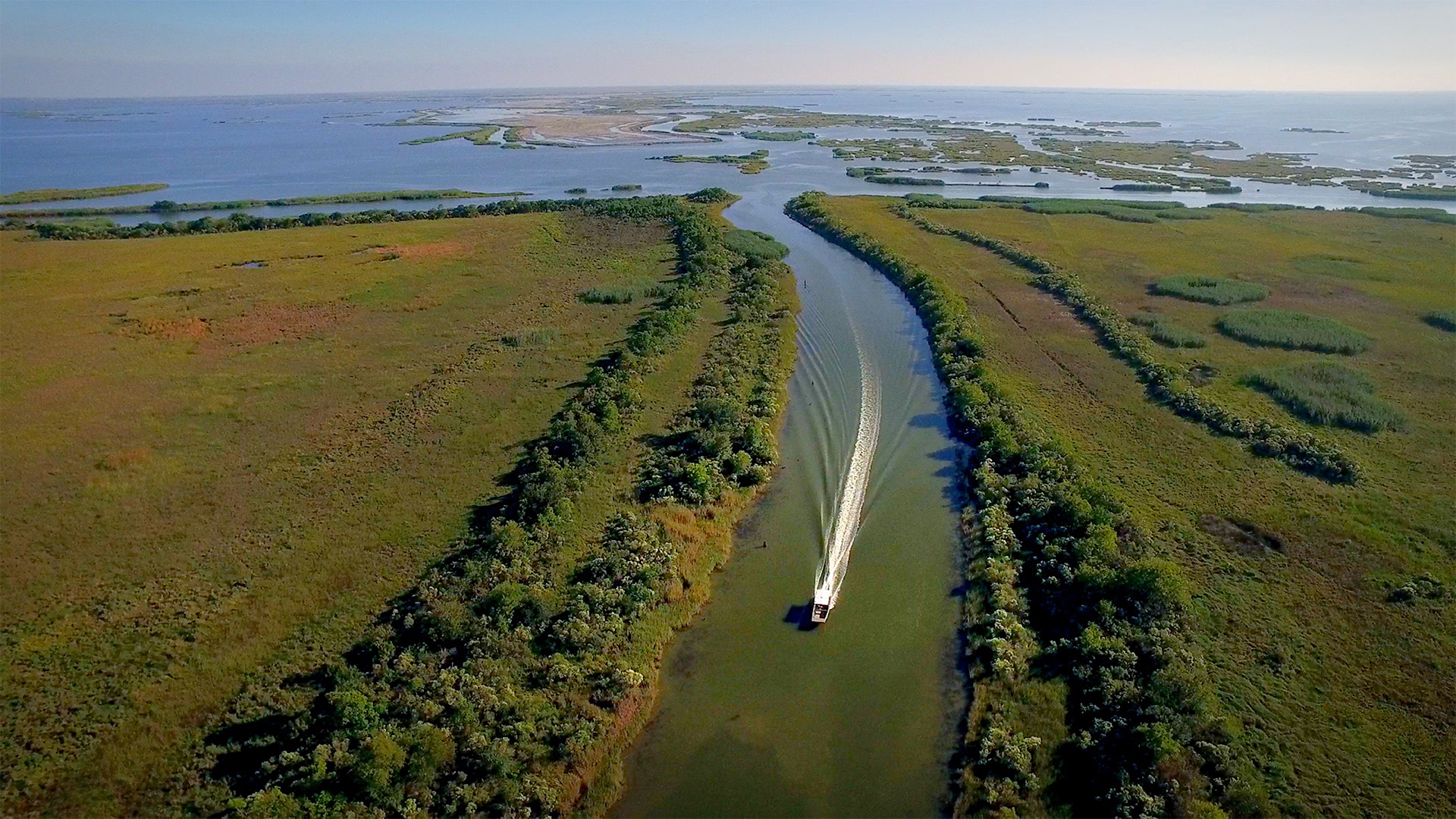
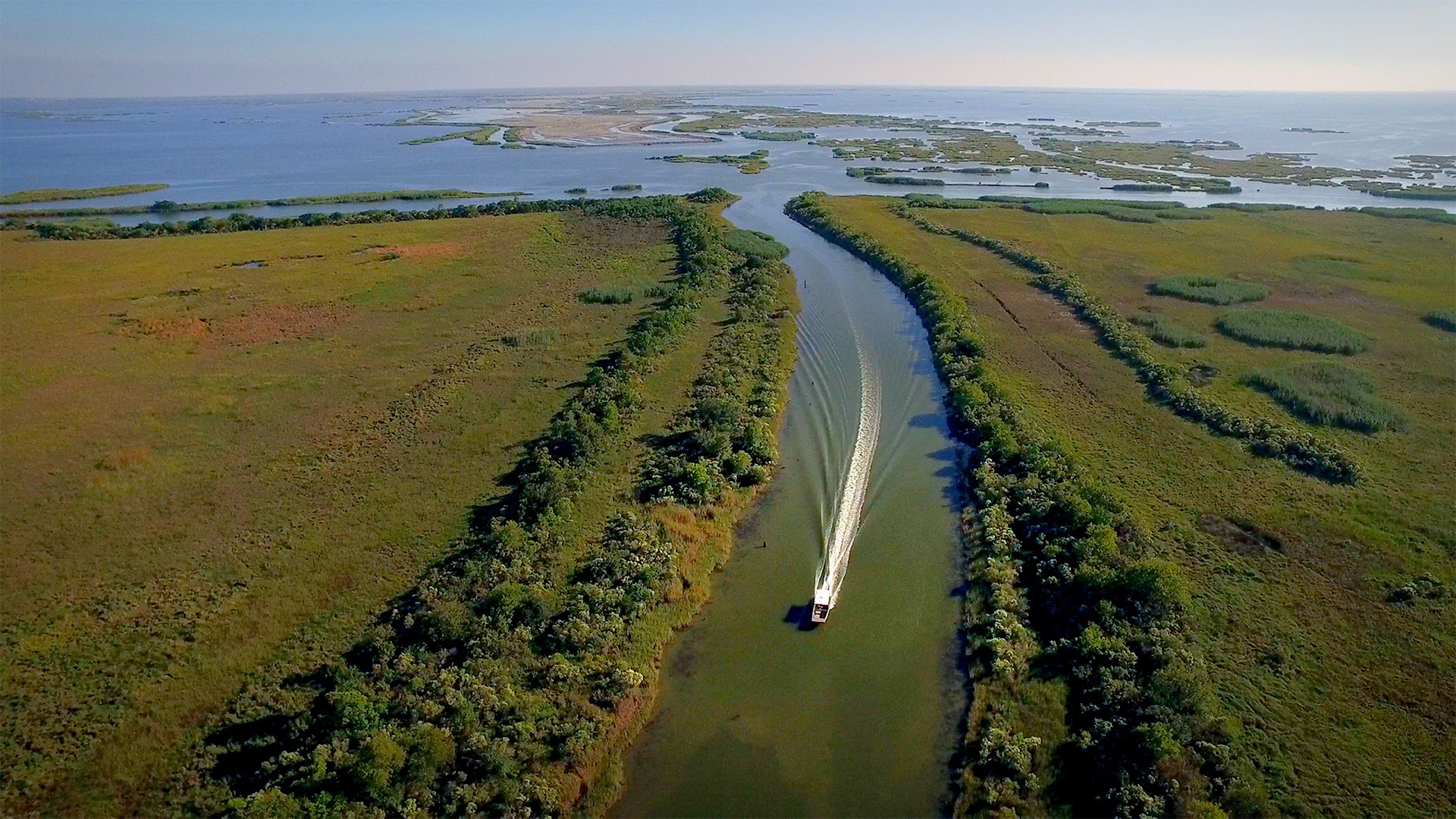
The vast Delta of the Mississippi River is the gateway to the South of the United States. It always has been. This is where our journey begins: through Louisiana along the banks of the mighty river, to the big inland city of New Orleans, founded long ago by the French. Further inland, sugarcane plantations and the villas of their former owners stretch as far as the eye can see. To the north, we leave the river and, taking spectacular roads, we pass through the swamplands of the Mississippi, which were once impenetrable, serving as the ideal hideout for many a runaway. Bordering Texas, where the swamplands end, is the beginning of the vast cattle country. This is home to the last remaining cowboys in the United States who, still today, maintain their French cultural heritage.
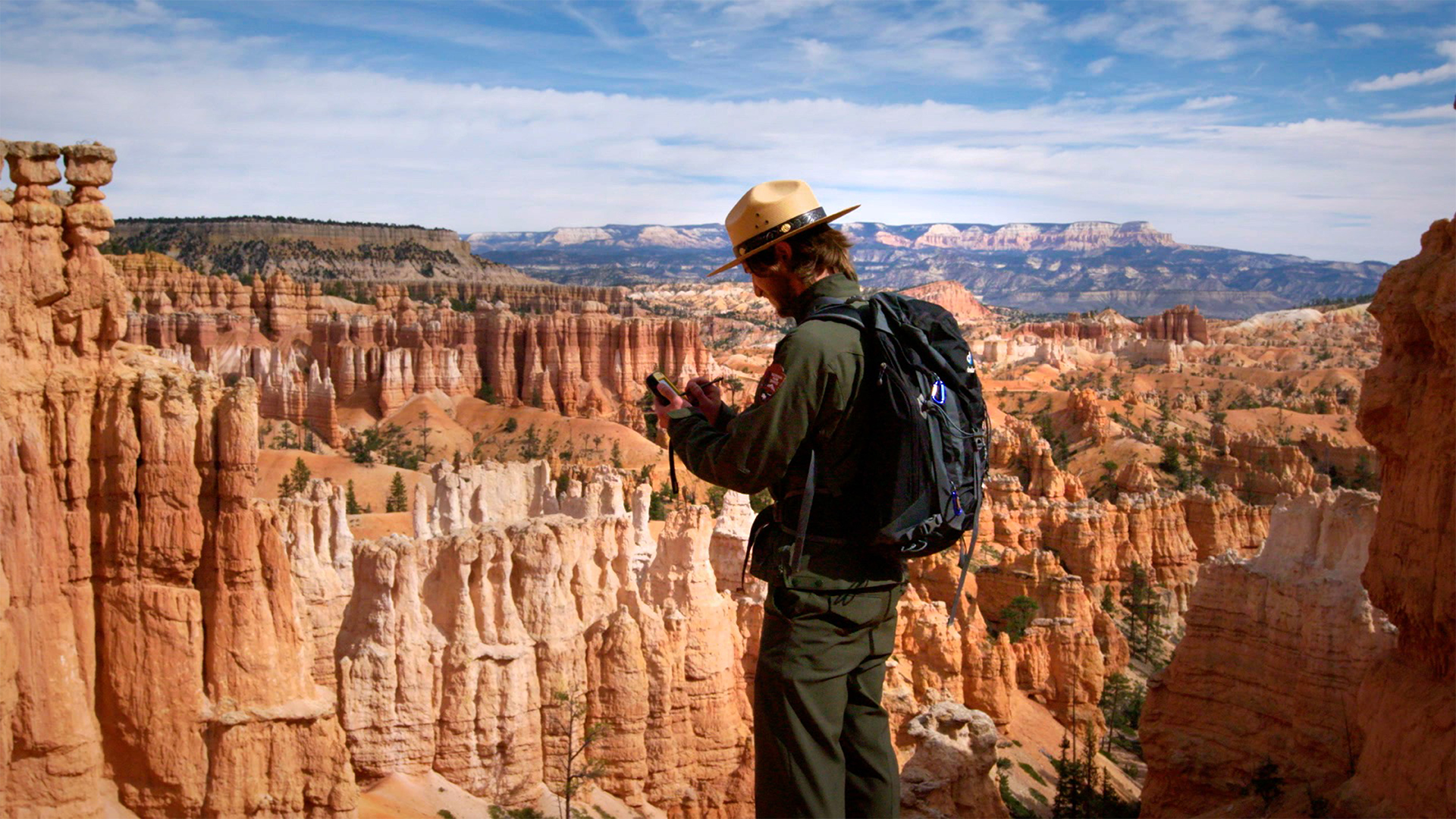
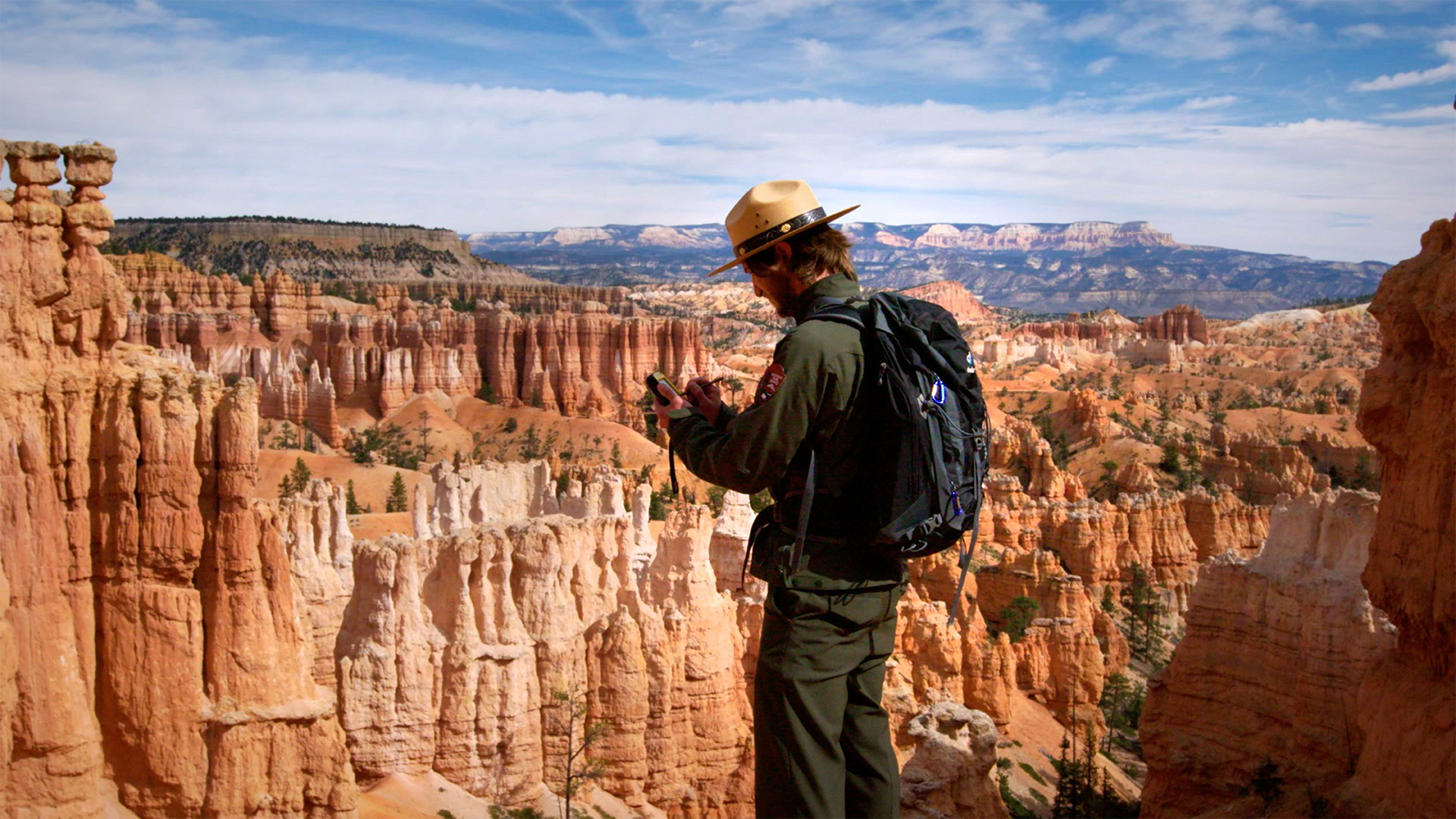
It's a dream route leading from the casino metropolis of Las Vegas, to Salt Lake City, the Mormon capital. It is a journey that follows the footsteps of the first settlers: the Mormons. They came to this desert belt of the United States during the second half of the 19th century to escape persecution and in search of the promised land. Some of them founded Las Vegas. Others moved through the canyons and over the mountains of the colossal Colorado Plateau, where they found water and pasture, to establish many small settlements. The landscapes through which they trekked, had and still have, a breathtaking and bizarre majestic beauty. Bryce Canyon, the hogbacks and the Escalante Staircase plateau are dramatic scenes of wonder formed from rock. The Pajute Indians once described Bryce Canyon as: “red rocks standing like men in a basin”.
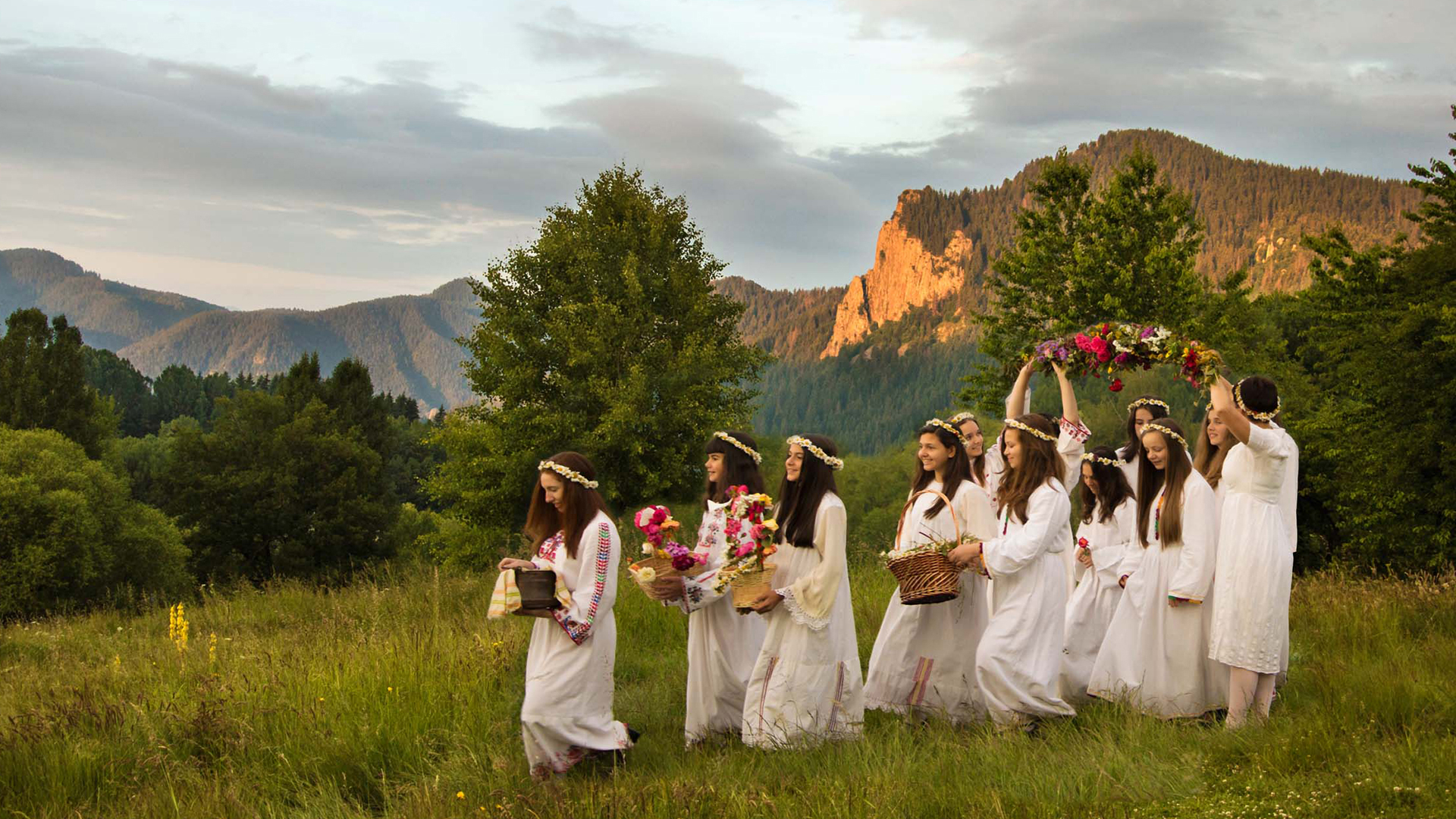
In the pristine nature and mild climate of southeastern Europe grows a unique diversity of wild plants. Far removed from major industry and polluted soils, the Balkan countries have become the largest exporter of herbs in Europe. In Bulgaria alone, more than 300,000 people work with domestic plants. The business is becoming increasingly lucrative. The film takes us to the Croatian coast. On the Adriatic island of Cres, the audience meets Mladen Dragoslavić. In May, when the sage begins to blossom, this beekeeper has one month to produce his income for an entire year – always with the goal of creating the best sage honey in the Balkans. Given a choice, the bees would never choose sage, for entering and exiting the narrow blossom is strenuous. Within three weeks, maximum, Mladen must remove his bees from the island. Otherwise they will die of exhaustion. In Skopje, the capital of Macedonia, the film visits Iva Yosifova. Hollyhock provides the raw material for her objects of art. The herb is medically beneficial, due to its mucilage, which is added to many cough tea mixtures. Iva, though, makes paper from hollyhock. Thanks to the herb's long fibres, the paper can be spread onto objects and modeled. The technique produces delicate sculptures, as fragile as nature.
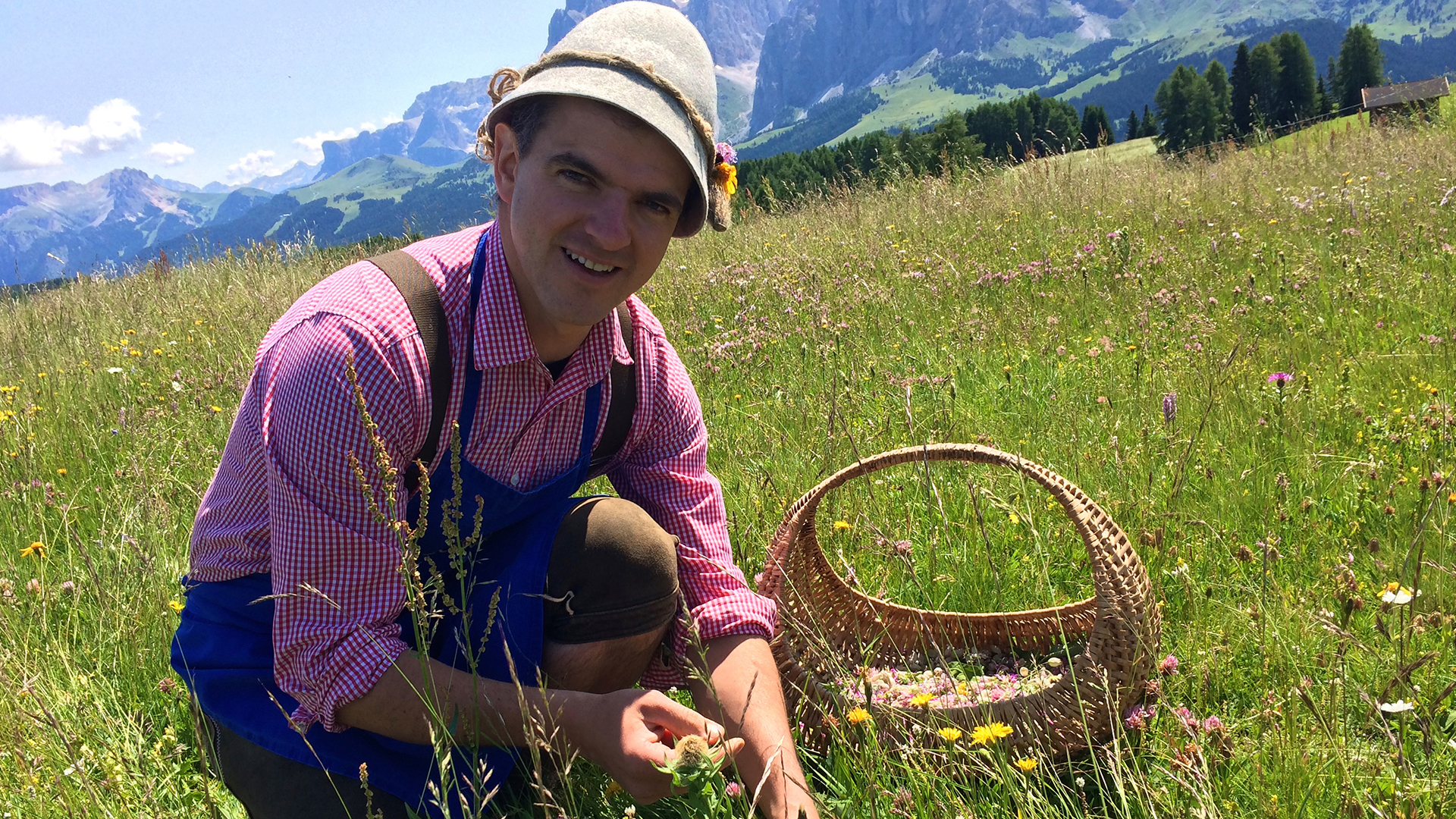
Secluded for many centuries in inaccessible valleys, the inhabitants of the Alps had no alternative but to rely on the healing powers of nature. A knowledge of herbs was deeply rooted in these mountain-dwellers' everyday lives – until the twentieth century, when this wisdom became eclipsed by modern academic medicine. Today, Alpine herbs are witnessing a revival, as public interest in regional natural treasures grows. The potential of Alpine herbs is far from exhausted. In the Berchtesgaden Alps, the film shows Hubsi Ilsanker at work as a root-digger, a back-breaking job that has scarcely changed in four hundred years. Authorized by a special historic permit to supply the oldest gentian distillery in Germany, Hubsi digs for protected gentian roots in Berchtesgaden National Park. For yellow gentian is one of the most bitter medicinal herbs in the world, well suited for schnapps and as a general tonic.
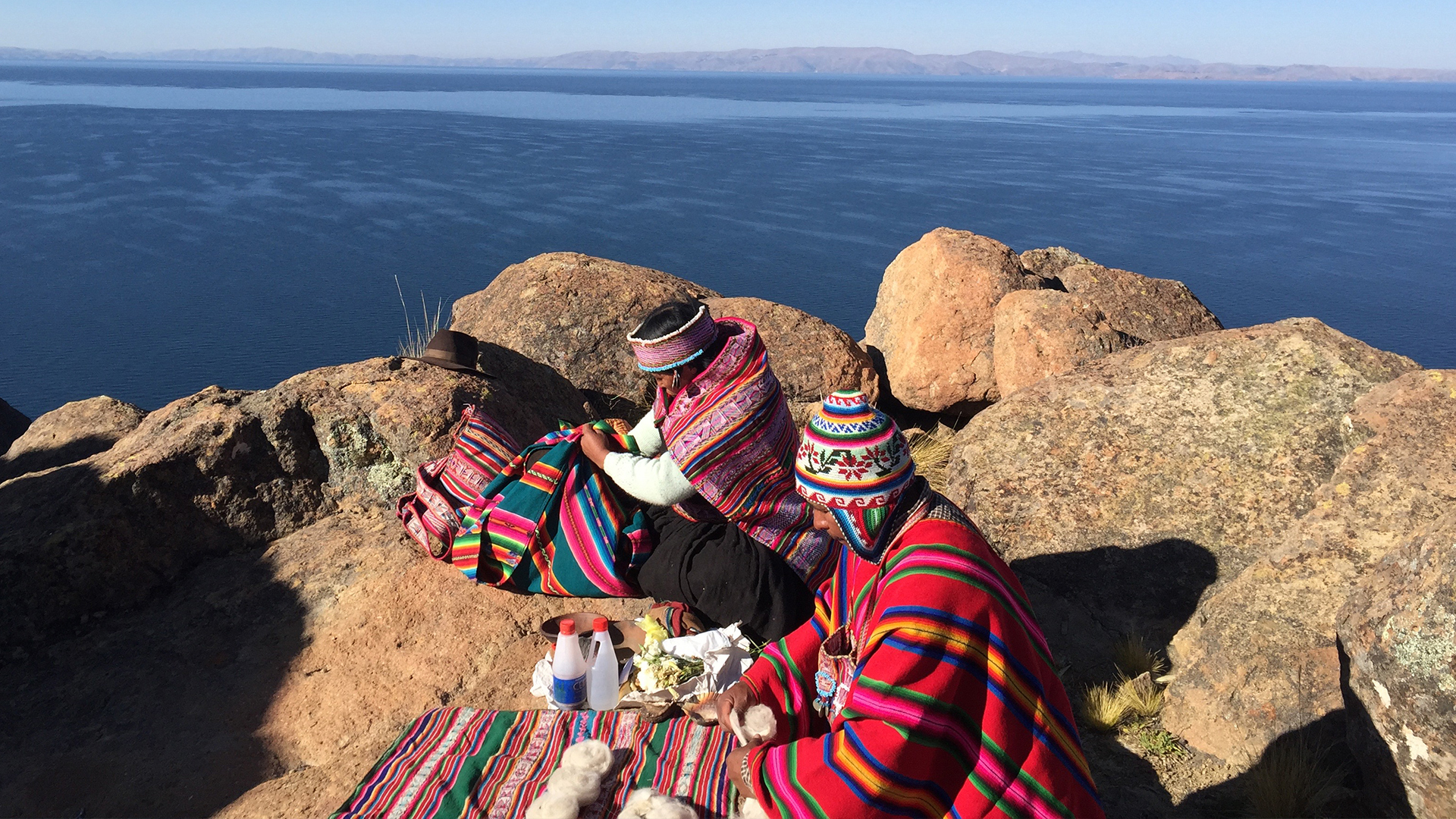
Healing effects, fragrance, and intense flavor – the benefits of herbs were discovered by the indigenous peoples of South America long before Spanish conquistadores subdued the continent. Even today, in the remote regions of South America, life without herbs is unthinkable. For many inhabitants, they provide the sole medicine. For more than two thousand years, this wisdom of the healing powers of nature has been passed down from generation to generation. In Bolivia, the film accompanies ethnobiologist Rainer Bussmann on one of his expeditions documenting which herbs the locals use against which illnesses. The German scientist has spent the last 15 years in the region, focussed on preserving this invaluable knowledge.
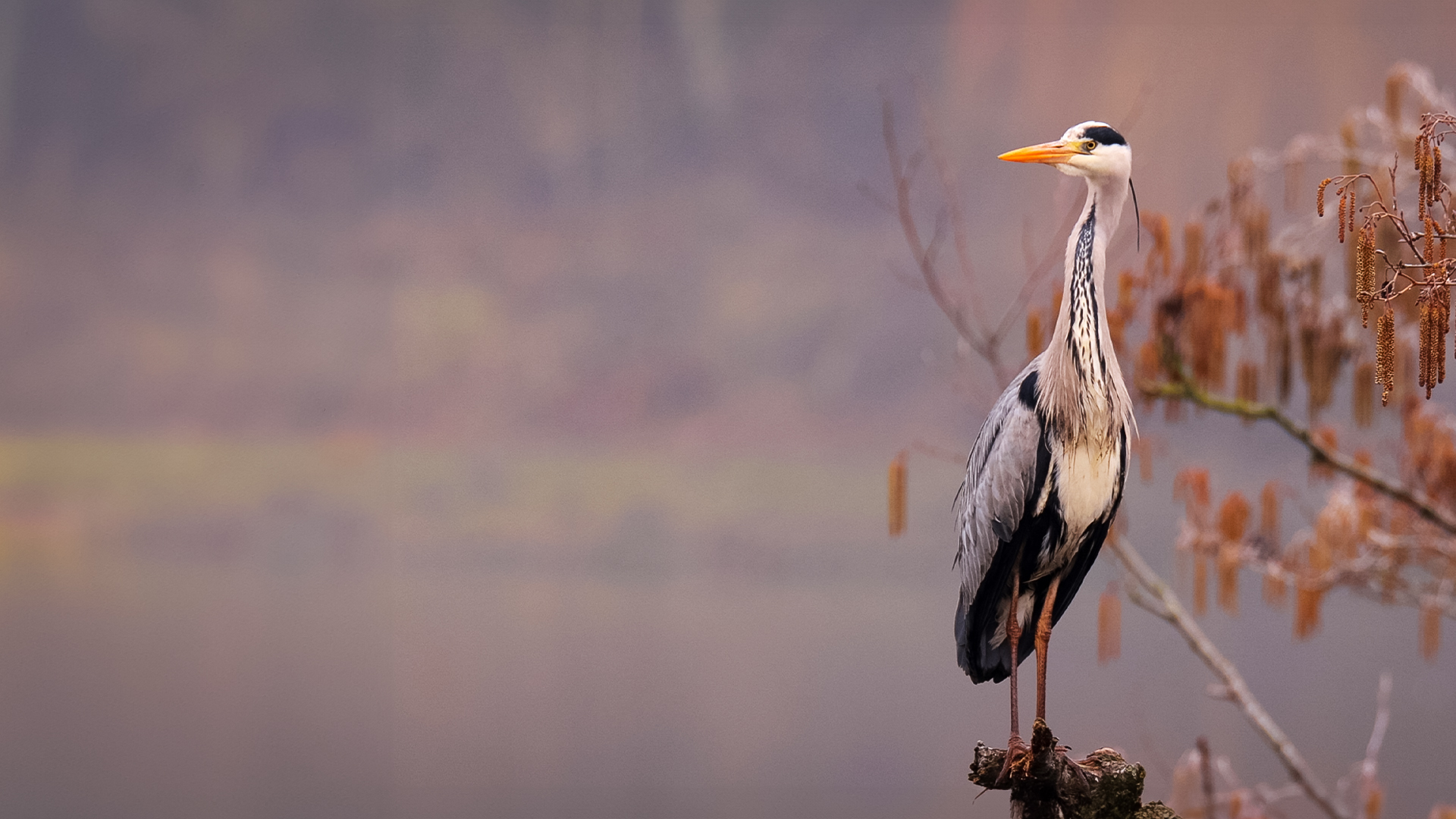
One of the smallest dams in the Bergisches Land is the Panzertalsperre, with an area of just four-and-a-half football pitches. On the other hand, the Dhünntalsperre is the largest with the area of 660 football pitches. They all transform a stretch of flowing water into still and stagnant water. As a result, completely diverse ecosystems have developed there: where the dipper once dived for insect larvae, cormorants and gray herons now fish and swans and coots cavort. In recent summers, even greater challenges have emerged: the effects of climate change - from extreme drought to destructive floods. On a smaller scale, a rather industrious dam master is operating flood protection: The Beaver. However, the water masses of the Wupper tore away half of his majestic timber castle - and the four young beaver kids were not seen again afterwards. Have they survived the flood? Not everyone can cope with the constant change in the dams, but they still remain an important wonder of engineering for many: for us humans as well as for a number of animals. By combining water management, ecological requirements and tourism a worthwhile goal is possible: Because for the Bergisches Land, its dams are among the most valuable and popular infrastructures that the region has to offer.
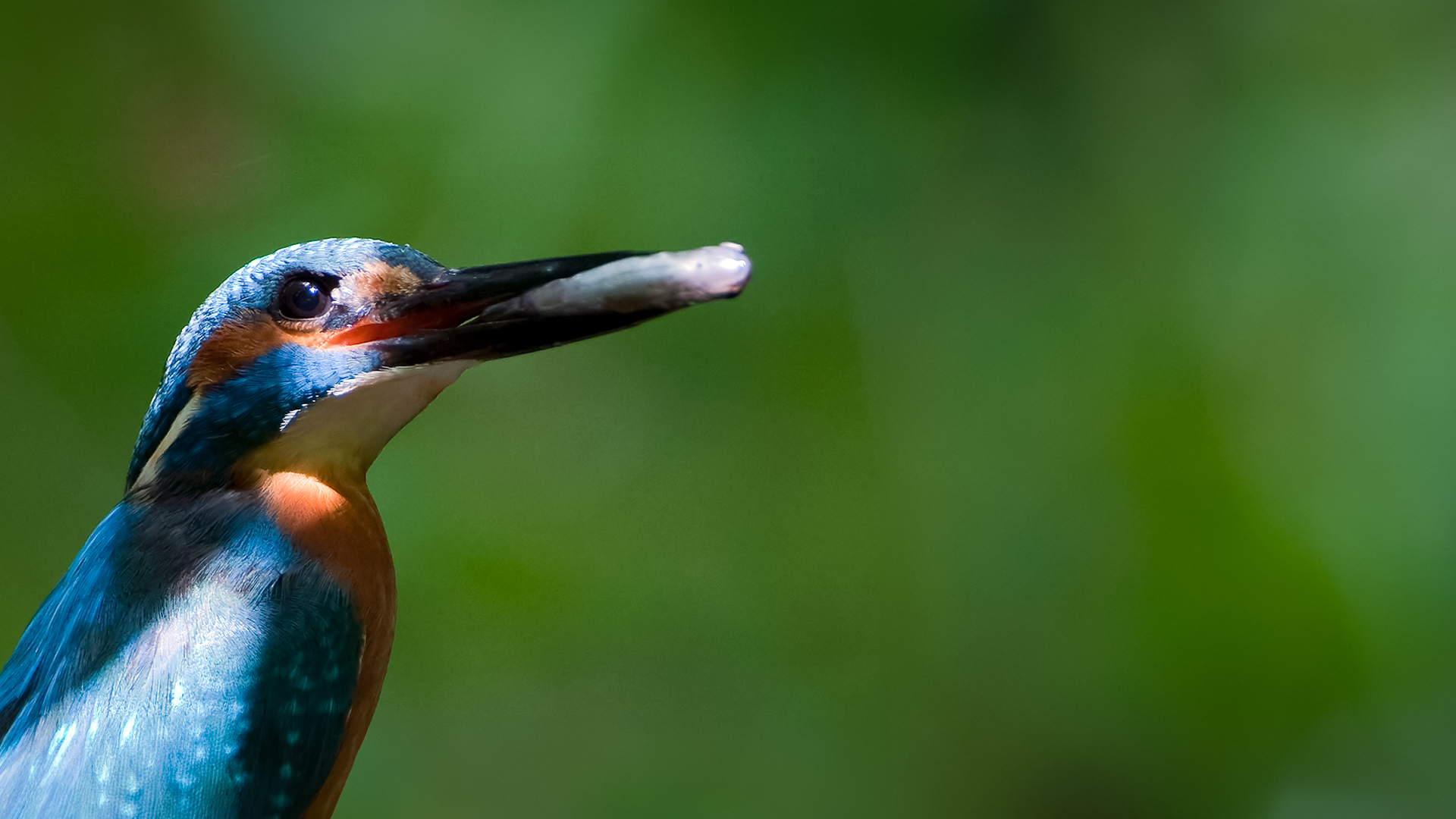
As one of Germany's beauties, the river was the gem of Germanys landscape. But with industrialization it became the country's hardest working river and like everything that has been overworked, it lost it magnificence and charm. Due to tender love and care, the river is now a reigning example of one of the most successful and outstanding renaturation projects in the country.The film shows never before seen shots of the river now pulsing with life. We will show you the winding river bed, spawning salmon, mating crabs and still-growing anchor ice. You will see dipper birds searching for food under water, kingfishers catching fish, a family life of badgers, foxes and a wide variety of birds. Come and meet the resurrected river Wupper!
Rugged rocks, blue sea and idyllic, sandy beaches - this is the Mediterranean as we know it. But this impression is deceptive: the Mediterranean is under constant change. The continents are moving towards one another. Animals, that have to survive under such extreme conditions, must find a way to escape the dangers. Between deserts and volcanoes, the challenges for the animals are enormous.
The contours of the Mediterranean have changed during the course of its history. Near Gibraltar, Africa was once connected to the European continent. When the land bridge at Gibraltar collapsed, the Mediterranean basin filled up again. The Suez Canal is today connected to the Red Sea. This route enables animals to reach the Mediterranean, where they cause problems.
The Great Lakes are among the most mythical landscapes of North America: endless water, endless forest. Many Native American peoples lived there later European settlers followed on the heels of the white hunters and trappers. They hunted in the forests and transported their furs and other goods across the water to the south where a small river situated at the southern tip of Lake Michigan flows onward towards the southern states. The settlement that sprung up there was called Checagou by the Indians. Much later, the settlement was to be the first skyscraper city in the world: Chicago, the megacity on the Great Lake.
The vast Delta of the Mississippi River is the gateway to the South of the United States. It always has been. This is where our journey begins: through Louisiana along the banks of the mighty river, to the big inland city of New Orleans, founded long ago by the French. Further inland, sugarcane plantations and the villas of their former owners stretch as far as the eye can see. To the north, we leave the river and, taking spectacular roads, we pass through the swamplands of the Mississippi, which were once impenetrable, serving as the ideal hideout for many a runaway. Bordering Texas, where the swamplands end, is the beginning of the vast cattle country. This is home to the last remaining cowboys in the United States who, still today, maintain their French cultural heritage.
It's a dream route leading from the casino metropolis of Las Vegas, to Salt Lake City, the Mormon capital. It is a journey that follows the footsteps of the first settlers: the Mormons. They came to this desert belt of the United States during the second half of the 19th century to escape persecution and in search of the promised land. Some of them founded Las Vegas. Others moved through the canyons and over the mountains of the colossal Colorado Plateau, where they found water and pasture, to establish many small settlements. The landscapes through which they trekked, had and still have, a breathtaking and bizarre majestic beauty. Bryce Canyon, the hogbacks and the Escalante Staircase plateau are dramatic scenes of wonder formed from rock. The Pajute Indians once described Bryce Canyon as: “red rocks standing like men in a basin”.
In the pristine nature and mild climate of southeastern Europe grows a unique diversity of wild plants. Far removed from major industry and polluted soils, the Balkan countries have become the largest exporter of herbs in Europe. In Bulgaria alone, more than 300,000 people work with domestic plants. The business is becoming increasingly lucrative. The film takes us to the Croatian coast. On the Adriatic island of Cres, the audience meets Mladen Dragoslavić. In May, when the sage begins to blossom, this beekeeper has one month to produce his income for an entire year – always with the goal of creating the best sage honey in the Balkans. Given a choice, the bees would never choose sage, for entering and exiting the narrow blossom is strenuous. Within three weeks, maximum, Mladen must remove his bees from the island. Otherwise they will die of exhaustion. In Skopje, the capital of Macedonia, the film visits Iva Yosifova. Hollyhock provides the raw material for her objects of art. The herb is medically beneficial, due to its mucilage, which is added to many cough tea mixtures. Iva, though, makes paper from hollyhock. Thanks to the herb's long fibres, the paper can be spread onto objects and modeled. The technique produces delicate sculptures, as fragile as nature.
A new little opossum has arrived at the SPCA Wildlife Care Center, a real paradise for Florida's opossums
A Marmoset family reunion will take place at the Zoo Eberswalde, Germany.
Albino coati Biene moves to a bigger enclosure and meets her new buddies, two raccoons. Will they get along?
Will a bat nanny help a bat fledgling learn how to fly and be released back into the night skies?
Showing 1 to 20 of 342 results