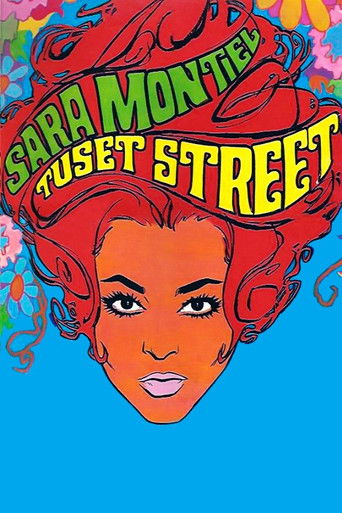
Tuset Street

Directing
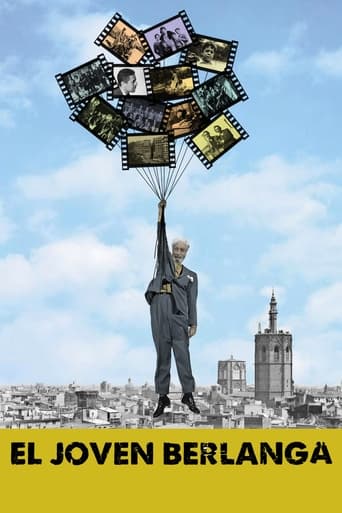
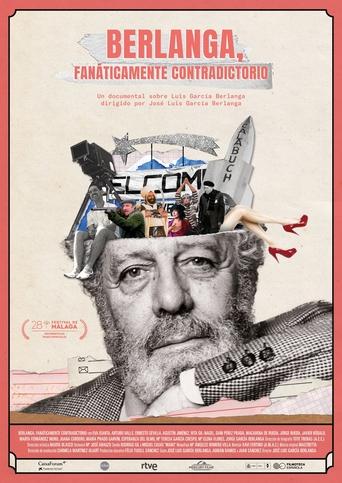
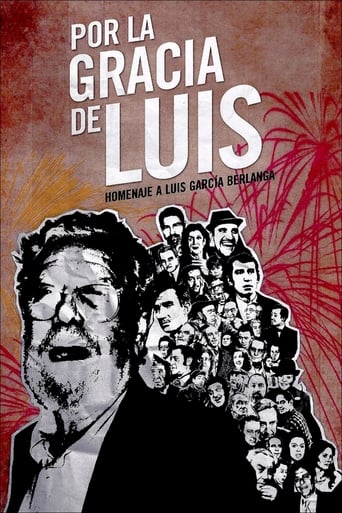
One of the best known filmmakers in the world and director of some of the most famous films of Spanish cinema, tender in his vision of the characters, but satirical to the point of biting in his social analysis, clearly critical despite the censorship of the Franco regime. He was born in 1921 into a wealthy Valencian family. After the Second World War, he studied at the Escuela Oficial de Cine (IIEC/EOC), where he would later become a professor. There he met Juan Antonio Bardem, and together they made their first film. His narrative ability, together with the sharpness of his satire, bordering on nonsense, made him a popular filmmaker, but also valued by critics. Nevertheless, within his comic line he oscillates between tenderness and the grotesqueness of his choral comedies. Between both extremes are his first films, written in collaboration with Rafael Azcona, in which he develops a black humor, characteristic of both, corrosive denunciations of social hypocrisy and the death penalty. In recent years he was president of the Filmoteca Nacional de España and director of a collection of erotic novels and short stories.