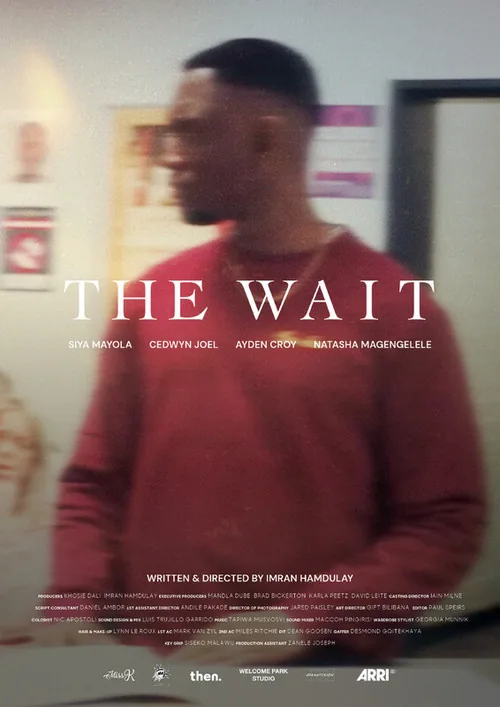
The Wait
After arriving at a police station to report a crime, Mzu helps an elderly man at the back of the line to the chagrin of the people ahead and a stifling bureaucratic system
Summary
“The Wait” (2023) follows Mzu, a man who arrives at a police station to report a crime and expects the process to be straightforward. Instead, he finds himself trapped in a slow-moving queue governed by rigid procedures, indifferent officials, and the mounting impatience of those waiting around him. When an elderly man at the back of the line needs assistance, Mzu chooses to help him, upsetting the fragile order of the queue and provoking the frustration of people who believe everyone should simply wait their turn. Set largely within the confined, oppressive environment of the station, the film turns an ordinary bureaucratic errand into a tense moral test. Mzu serves as an increasingly isolated but compassionate protagonist, while the elderly man embodies vulnerability in a system that seems designed to overlook anyone without the strength or confidence to demand attention. The other people in line and the police staff represent different forms of impatience, resignation, and institutional power. Rather than relying on action, “The Wait” builds its drama through delays, small confrontations, and the growing pressure of a situation that should be routine. Its central themes include dignity, empathy, civic responsibility, and the dehumanizing effects of bureaucracy. The film asks how much inconvenience people are willing to tolerate in order to help a stranger—and whether a system built around rules can still make room for basic human decency.