Stonebreakers
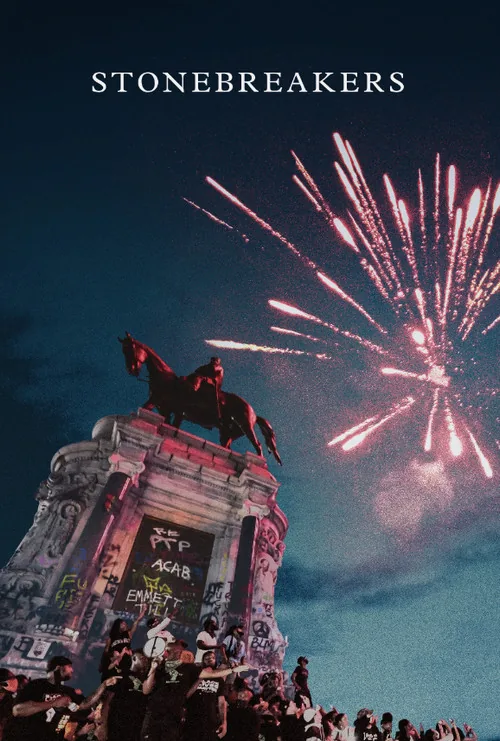
In a year of uprisings and political unrest, Stonebreakers documents the fights around monuments in the United States and explores the shifting landscapes of the nation's historical memory.
Summary
Stonebreakers is a documentary about the battles over monuments that erupted across the United States during a period of political upheaval, particularly in the wake of the 2020 protests. Rather than treating statues and memorials as neutral pieces of public art, the film examines them as powerful statements about who and what a nation chooses to remember. Its journey moves through cities and communities where monuments honoring figures such as Christopher Columbus and leaders of the Confederacy have become flashpoints for arguments about racism, colonialism, Indigenous rights, and national identity. The documentary does not center on a single protagonist. Instead, its principal voices are the activists, historians, artists, scholars, local residents, and public officials involved in these disputes. Their contrasting perspectives reveal why a statue can represent heritage and belonging to some people while embodying oppression and historical erasure to others. The film also considers the people and institutions that built, preserved, protested, removed, or reinterpreted these monuments, placing current controversies within the longer history of American commemoration. At its core, Stonebreakers is concerned with the politics of public space and the ways historical memory is constructed. It asks who has the authority to define the past, whose stories have been elevated into civic symbols, and what happens when communities begin to challenge those official narratives. Thoughtful and investigative, the film presents monument controversies as part of a broader struggle over the meaning of American history—and over whether the nation can acknowledge its past without continuing to enshrine its injustices.