Sonata
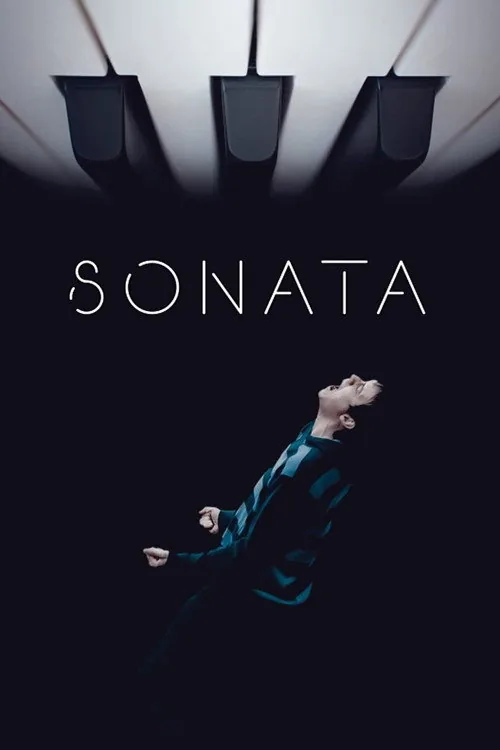
Grzegorz, diagnosed as an autistic child, lives in his hermetic world, unable to establish contact with others. When he turns fourteen, it turns out that the cause of isolation is not autism, but hearing loss, which hides great musical talent.
Summary
“Sonata” is a Polish drama inspired by the true story of Grzegorz Płonka, a boy whose early behavior leads doctors to diagnose him with autism. Living in an intensely private world, Grzegorz struggles to communicate with his family and makes little apparent connection with the people around him. His parents, especially his determined mother, refuse to accept that his silence and withdrawal tell the whole story, even as years of uncertainty and conflicting medical opinions place enormous strain on the family. When Grzegorz is fourteen, specialists discover that he has severe hearing loss, a condition that has effectively cut him off from the world and contributed to his misdiagnosis. With treatment and a new opportunity to experience sound, he begins an arduous process of learning how to communicate and engage with others. His remarkable sensitivity to music soon becomes apparent, revealing an extraordinary talent for the piano. Guided by teachers and supported—sometimes imperfectly—by those closest to him, Grzegorz must find a way to develop his abilities while adjusting to a world he has only just begun to hear. At its center, the film is the story of Grzegorz, a gifted and isolated child becoming increasingly aware of his own identity and possibilities. His mother is portrayed as an unwavering advocate, while his father and the professionals around the family reflect the confusion, frustration, and limitations that can accompany an inadequate diagnosis. The people who teach and encourage Grzegorz also become important figures in his gradual transformation. “Sonata” explores the need to look beyond labels, the consequences of failing to understand a person’s real needs, and the ways families fight for recognition and dignity. It is also a film about communication in its broadest sense: the difference between being silent and being unheard, and the power of music to create a connection when words seem impossible. Though emotionally direct, the film balances its inspirational elements with a sympathetic depiction of uncertainty, family conflict, and the demanding work required to turn hidden potential into a voice of one’s own.
Trailer
Cast