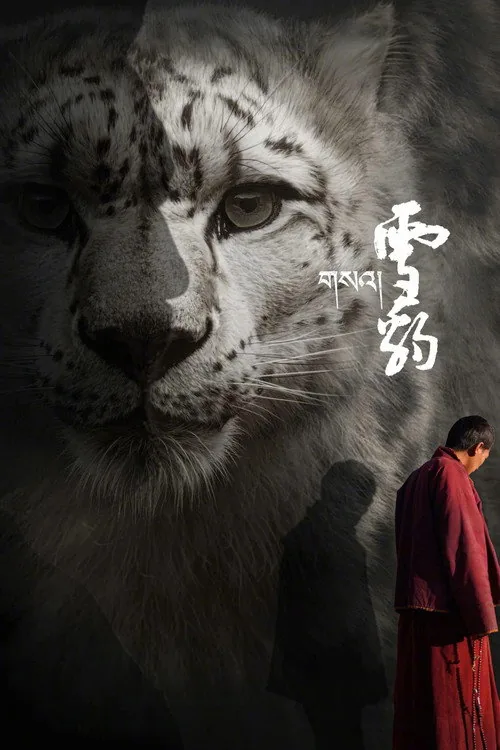
Snow Leopard
A snow leopard breaks into the sheep pen of a nomad and kills nine rams. Father and son then argue: the son insists on killing the snow leopard, but the father insists on releasing it.
Summary
Set on the high Tibetan plateau, Snow Leopard begins when a wild snow leopard breaks into a nomadic family’s sheep pen and kills nine rams. The animal is discovered trapped inside, turning a devastating loss into an immediate moral and practical dilemma. The father, who sees the leopard as a creature acting according to its nature, argues that it should be released. His son, focused on the family’s livelihood and the value of the sheep, insists that the predator must be killed. As the dispute unfolds, the film follows the tension between the two men and the wider community drawn into the incident. Their argument is not simply about one animal: it exposes differing ideas about justice, responsibility, tradition, and survival. The father’s compassion and respect for the natural world collide with his son’s more pragmatic understanding of the economic pressures facing a herding family. The snow leopard itself remains a powerful, nearly silent presence, at once a threat, a victim, and a symbol of a world increasingly caught between human needs and environmental protection. With its stark landscapes, patient pacing, and understated humor, the film transforms a seemingly simple confrontation into a meditation on coexistence. It considers the uneasy relationship between humans and wildlife, the conflict between inherited beliefs and modern realities, and the ways a single event can reveal fractures within a family and a community. Rather than offering an easy judgment, Snow Leopard invites viewers to sit with the competing claims of compassion, material loss, and responsibility.