Scapegoat
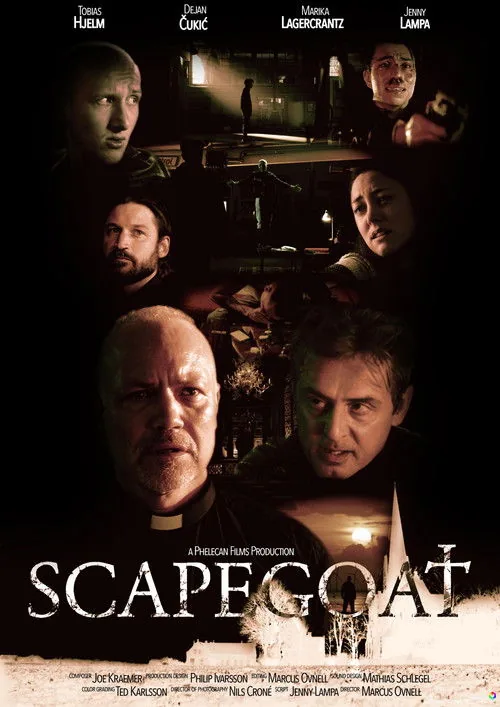
Sam works as a priest in a small town. He has distanced himself from a background of violence, but when a criminal gang moves to the village and attracts the youth, he is suddenly faced with the choice of retreating or acting. He retreats and a boy is seriously injured. Finally, he finds himself forced to intervene, and the group encounters resistance they could not have imagined.
Summary
“Scapegoat” (2024) follows Sam, a priest serving in a small, close-knit village. He has deliberately put distance between himself and a violent past, choosing a life of faith and restraint rather than returning to the instincts he has worked to suppress. That fragile peace is disrupted when a criminal gang enters the community and begins drawing in local young people, offering them a dangerous sense of belonging and power. Rather than confront the threat, Sam initially retreats, hoping to avoid becoming entangled in the violence he has spent years escaping. But after a boy is seriously injured, his decision to remain on the sidelines becomes impossible to ignore. Sam is forced to weigh his religious convictions against his responsibility to protect the vulnerable, while the village itself must decide whether fear and silence will allow the gang to take control. The film centers on Sam’s moral struggle, the influence of criminality on impressionable youth, and the costs of looking away when wrongdoing takes root. Its title points toward the ways communities assign blame, often shifting responsibility onto a single person while avoiding their own failures. At the same time, “Scapegoat” examines guilt, redemption, the limits of pacifism, and the difficult difference between forgiveness and passivity. The result is a tense, socially minded drama about whether a person can truly leave violence behind—and what happens when circumstances demand that he face it again.