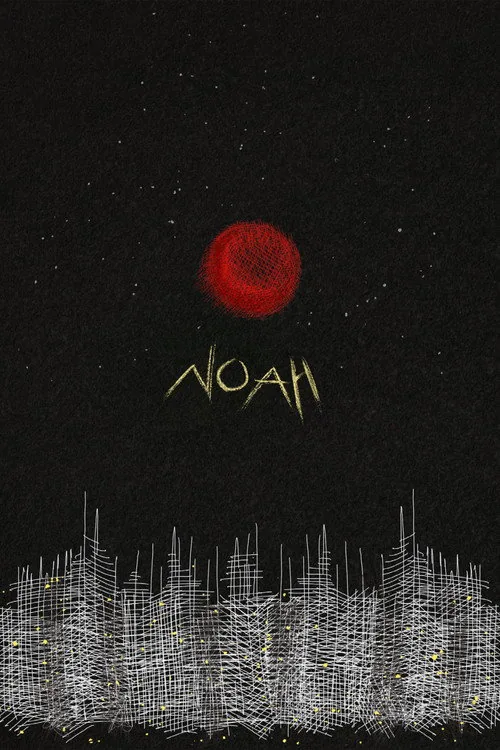
Noah
The death of a young Arab man during a police stop in Berlin sparks three interconnected and tragic episodes: two young Afro-Germans struggle to channel their rage; the victim’s mother, torn by grief, feels compelled to defend her son’s honour; and a group of police officers, trapped in routine and clouded by prejudice, make a series of misguided decisions amid the city’s charged atmosphere.
Summary
Noah (2026) is a tense, socially charged drama set in Berlin, where the death of a young Arab man during a police stop sends shock waves through the city. Rather than treating the incident as a single tragedy, the film follows its consequences across three interconnected stories, showing how grief, anger, fear, and institutional pressure shape the lives of people on every side of the event. At the center are two young Afro-Germans who struggle to process their rage and decide what, if anything, they can do with it. Their response reflects both personal frustration and a wider sense of alienation in a society where prejudice remains deeply embedded. The victim’s mother is given an equally important perspective. Overwhelmed by loss, she is drawn into a painful fight to defend her son’s dignity and ensure that his death is not reduced to a statistic or dismissed as an unfortunate mistake. The film also follows the police officers involved, presenting them as individuals caught in habit, bureaucracy, and a tense public atmosphere. Their routine decisions are clouded by assumptions and bias, allowing small errors and questionable judgments to gather increasingly serious consequences. By moving between these perspectives, Noah avoids a simple division between heroes and villains, while remaining clear-eyed about the damage caused by racism, institutional complacency, and the misuse of authority. The result is a somber portrait of a city under pressure and of communities struggling to respond when trust in public institutions has eroded. Its central themes include grief, racial injustice, accountability, solidarity, and the difficult distinction between justice and revenge. Noah is less interested in offering easy answers than in examining how one fatal encounter can expose longstanding social fractures—and how those fractures affect victims, families, bystanders, and those empowered to enforce the law.