La pose
Summary
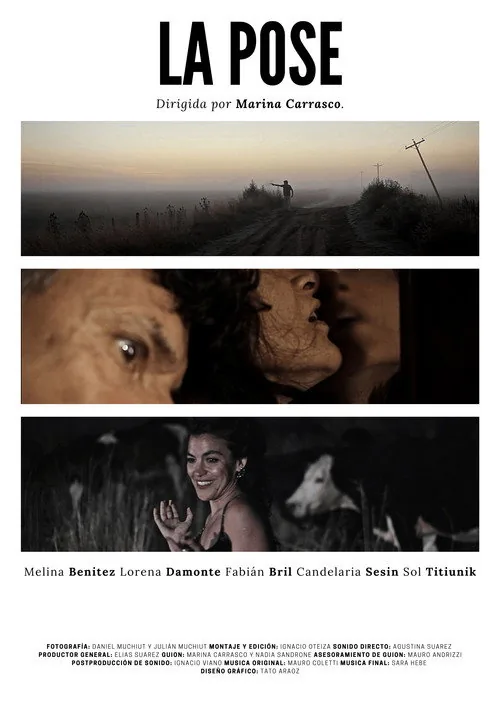
La pose is a quiet, intimate drama about a young woman who agrees to sit for a portrait, only to find that the experience exposes far more than her physical appearance. As the artist studies her and directs her movements, the session gradually becomes a negotiation over who is looking, who is being judged, and who gets to control the image being created. The other figures around her—those observing, instructing, or participating in the session—help turn a seemingly ordinary artistic exercise into a charged encounter. Rather than relying on a heavily plotted narrative, the film builds its tension through silences, glances, small shifts in posture, and the uneasy distance between the model and the person behind the work. Its central character is neither simply a passive subject nor an entirely free participant; she is continually weighing vulnerability against the desire to be seen on her own terms. The artist, meanwhile, embodies both creative fascination and the authority that comes with framing another person’s body and identity. The film’s principal themes include consent, self-image, artistic power, and the difference between being seen and being understood. It also considers how easily observation can become judgment, and how a pose—apparently fixed and controlled—can conceal uncertainty, resistance, or inner transformation. Restrained and psychologically observant, La pose uses the language of portraiture to explore the complicated relationship between appearance, intimacy, and personal agency.