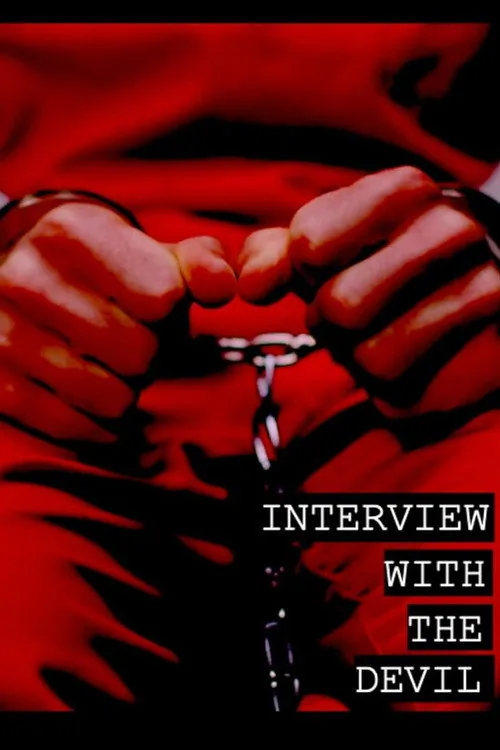
Interview with the Devil
A recently fired television journalist scores the interview of a lifetime with a mass shooter who gunned down 23 college students years ago. He has never spoken to the press. Until now.
Summary
Interview with the Devil follows a recently fired television journalist who is given one last chance to reclaim his career: an exclusive interview with a notorious mass shooter responsible for the deaths of 23 college students. The killer has remained silent since the attack, refusing every request from the press, making his sudden willingness to talk a potentially career-defining opportunity. Much of the film centers on the tense psychological duel between the disgraced reporter and his guarded, deeply unsettling subject. The journalist arrives determined to control the conversation and uncover a motive that has eluded the public for years, but the interview gradually becomes more complicated than a straightforward pursuit of facts. As the prisoner challenges the reporter’s assumptions and probes his personal ambitions, the balance of power repeatedly shifts. The people connected to the interview—professional colleagues, survivors, and those still living with the consequences of the massacre—also underline the wider human cost behind the headline. Rather than treating the killer’s notoriety as simple spectacle, the film explores the uneasy relationship between journalism and exploitation. It raises questions about whether giving a violent offender a platform can serve the public interest, or merely reward cruelty with attention. Career desperation, media sensationalism, public fascination with evil, and the lingering trauma of mass violence all shape the drama. Interview with the Devil is ultimately a claustrophobic character thriller about truth, manipulation, and the moral price of turning tragedy into television, while keeping its most disturbing revelations deliberately out of reach.