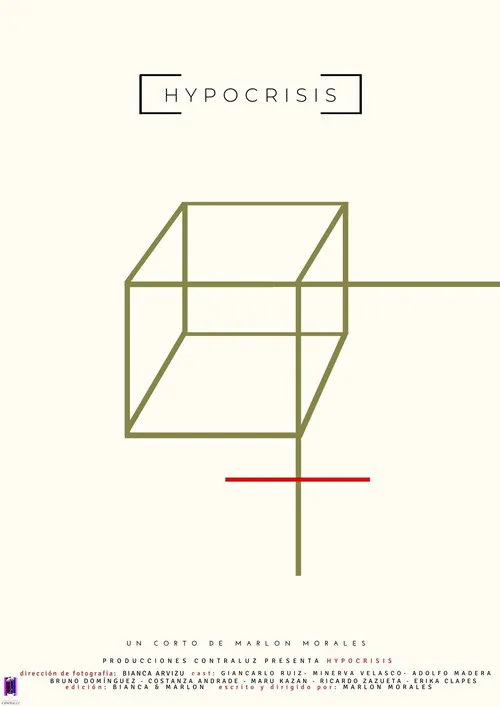
Hypocrisis
An alcoholic priest receives confessions online throughout the eternal quarantine.
Summary
Hypocrisis (2021) follows an alcoholic priest who continues hearing confessions online during an apparently endless quarantine. Cut off from the physical rituals and human contact of parish life, he conducts a digital version of the sacrament from isolation, listening as strangers and members of his community unburden themselves through a screen. Their admissions of guilt, fear, loneliness, and wrongdoing gradually become entangled with the priest’s own troubled state, forcing him to confront the distance between the moral authority he represents and the private weaknesses he struggles to control. The film’s principal figures are the priest and the people who seek him out virtually, with their fragmented confessions creating a portrait of a society under prolonged emotional and spiritual pressure. Rather than treating faith as a simple source of comfort, Hypocrisis examines the contradictions within religious practice: the desire for absolution, the need to judge others, and the difficulty of extending forgiveness to oneself. Its quarantine setting amplifies themes of isolation, addiction, guilt, and the uneasy way technology can connect people while preserving their distance. The result is a contained psychological drama about belief and moral compromise, asking whether confession can offer genuine redemption when both the penitent and the person listening are hiding behind carefully constructed roles.