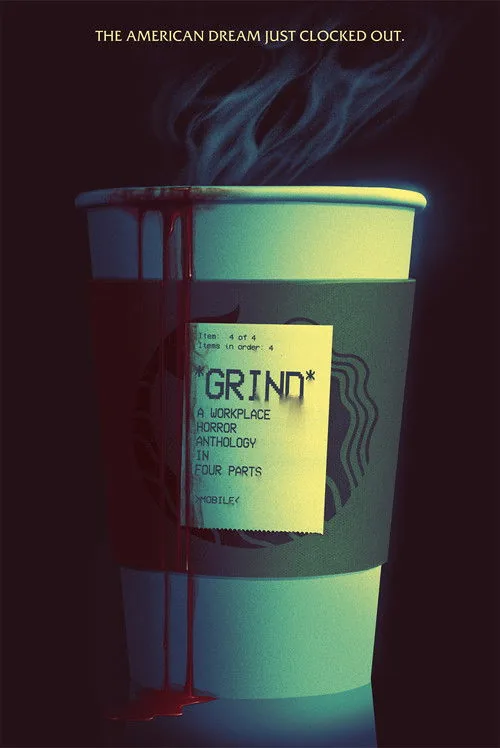
Grind
The American Dream just clocked out.
Four interconnected stories center around the gig economy, hustle culture, and evils of late-stage capitalism.
Summary
Grind is an ensemble drama built from four interconnected stories about people trying to survive—and get ahead—in the gig economy. Each storyline follows a different struggle with precarious work, relentless competition, and the pressure to turn every hour, talent, and personal connection into income. Though the characters occupy separate corners of the same economic system, their lives gradually intersect, revealing how one person’s hustle can become another person’s obstacle or opportunity. The principal characters are ordinary workers and strivers navigating unstable jobs, financial anxiety, and the constant demand to remain productive. Their ambitions vary, but they share the exhausting need to adapt to a system that promises independence while offering little security. As their stories overlap, the film examines the human cost of side hustles, algorithm-driven labor, and a culture that treats burnout as a badge of honor. Rather than presenting hustle culture as merely a personal choice, Grind places it within the broader evils of late-stage capitalism: inequality, exploitation, commodified time, and the erosion of community. Its central themes include dignity in work, economic survival, the illusion of entrepreneurial freedom, and the ways people are pushed into competing with one another even when they face the same forces. The result is a contemporary, interconnected portrait of lives shaped by the grind—and of the fragile relationships that can emerge within it.