Evolution
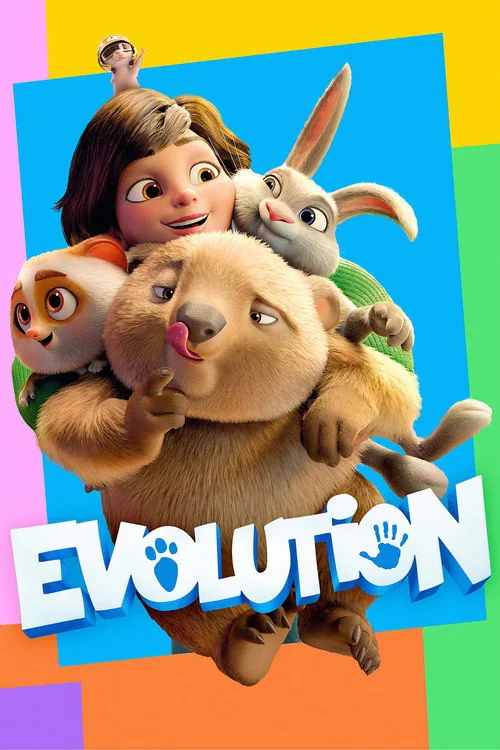
When an alien substance mixes Zoe’s DNA with that of her exotic pets, a hilarious adventure begins where humans turn into animals, animals turn into humans, and everyone must come to an agreement to save the world.
Summary
“Evolution” (2026) is a sci-fi comedy built around Zoe, whose life takes a wildly unexpected turn when an alien substance fuses her DNA with that of her exotic pets. The bizarre biological accident sets off a chain of transformations, blurring the boundaries between humans and animals as people begin turning into creatures and the animals take on human traits. What starts as a chaotic, often hilarious crisis quickly becomes a global threat. Zoe and the other affected humans and animals must navigate their radically altered identities while trying to understand the alien substance and prevent its effects from endangering the world. Their challenge is complicated by the fact that the transformations do more than change appearances: they force humans and animals to communicate, cooperate, and reconsider their assumptions about one another. At the center of the story is Zoe, whose connection to her pets places her at the heart of the unfolding adventure. The exotic animals are more than comic companions, becoming essential participants in the effort to restore balance. Around them, the film develops an ensemble of humans and creatures whose competing instincts and perspectives fuel both the comedy and the conflict. Beneath its body-swapping premise, “Evolution” explores questions about identity, empathy, and the fragile distinction between people and the natural world. Its playful approach to science fiction allows it to examine how humans behave when familiar categories collapse, while emphasizing cooperation over fear and domination. The result promises a lighthearted adventure with an ecological and humanist streak, using outrageous transformations to ask whether different species can find common ground before it is too late.