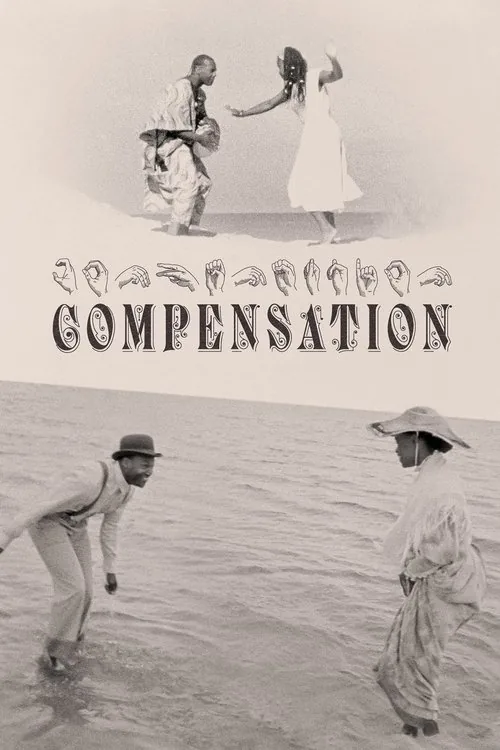
Compensation
The life of a deaf African American woman in the early 1900s parallels with another living in the 1990s.
Summary
Compensation follows two parallel love stories centered on deaf African American women, one set in the early 1900s and the other in the 1990s. In the earlier narrative, Miriam forms a relationship with Louis as she navigates a society shaped by racial prejudice, rigid gender expectations, and limited understanding of Deaf lives. Decades later, Nina experiences a contemporary romance with Malachi, whose connection with her echoes the tenderness and difficulties of the earlier couple while reflecting a different social and cultural landscape. The film’s principal characters are linked not only by their romantic relationships but also by the ways they confront isolation, desire, and the need to be understood. Its unusual structure allows the two stories to resonate across time, showing how certain injustices persist even as language, technology, and social attitudes change. At the same time, it emphasizes the strength of Black Deaf communities and the expressive possibilities of signed communication. Rather than treating deafness as a limitation, Compensation presents it as part of the characters’ identities and perspectives. Its central themes include love across barriers, the importance of communication, Black history and cultural memory, disability and representation, and the parallels between private relationships and broader social change. The result is a thoughtful, intimate drama that connects personal experience to the enduring struggle for recognition, dignity, and belonging.