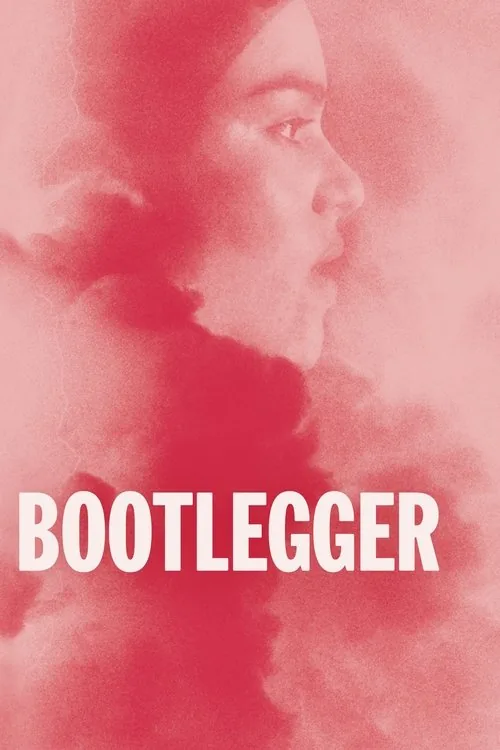
Bootlegger
Mani, a master’s student, returns to the reserve in northern Quebec where she grew up. Her painful past resurfaces. Resolved to reintegrate into the community, she gets involved in the debate around a referendum on allowing the free sale of alcohol on the reserve. Laura, a bootlegger, pockets the profits she makes there under the protection of the band council and her partner Raymond. The latter is still angry with Mani, whom he holds responsible for the death of his daughter in a fire. Opposing forces quickly divide the community into two sides who face each other to determine the best path to independence.

Summary
In Caroline Monnet’s 2021 drama Bootlegger, Mani, a young Indigenous woman pursuing a master’s degree, returns to the reserve in northern Quebec where she grew up. Hoping to reconnect with her community and find her place there, she is instead forced to confront painful memories from her past, including the tragedy that caused her to leave. Her return coincides with a heated referendum over whether alcohol should be sold legally and freely on the reserve, a question that quickly becomes a larger argument about power, responsibility, and the community’s future. At the center of the controversy is Laura, a bootlegger who profits from the illegal alcohol trade with the protection of the band council and her partner, Raymond. Laura sees the referendum as a threat to her livelihood and influence, while Raymond’s opposition to Mani is deeply personal: he blames her for the death of his daughter in a fire. As Mani becomes involved in the campaign surrounding the vote, old resentments resurface and the reserve divides into opposing camps. What begins as a political debate grows increasingly personal, with neighbors, families, and longtime allies forced to choose sides. Bootlegger uses this conflict to explore Indigenous self-determination and the complicated meaning of independence in a community shaped by colonial laws and economic hardship. The film also examines the damage caused by unresolved grief, the difficulty of returning home after trauma, and the tension between collective well-being and individual survival. Rather than presenting the alcohol question as a simple moral choice, it portrays a community wrestling with limited options, competing forms of authority, and the hope of controlling its own future. Quietly tense and socially engaged, the film focuses as much on the emotional fractures beneath the political dispute as on the referendum itself.