
Martha Argerich
Cinematic classical clips and energizing concert pieces featuring up-and-coming artists.
2025-12-21 18:47:53 +0000 UTC→2025-12-21 19:00:00 +0000 UTC(12m)
Cinematic classical clips and energizing concert pieces featuring up-and-coming artists.
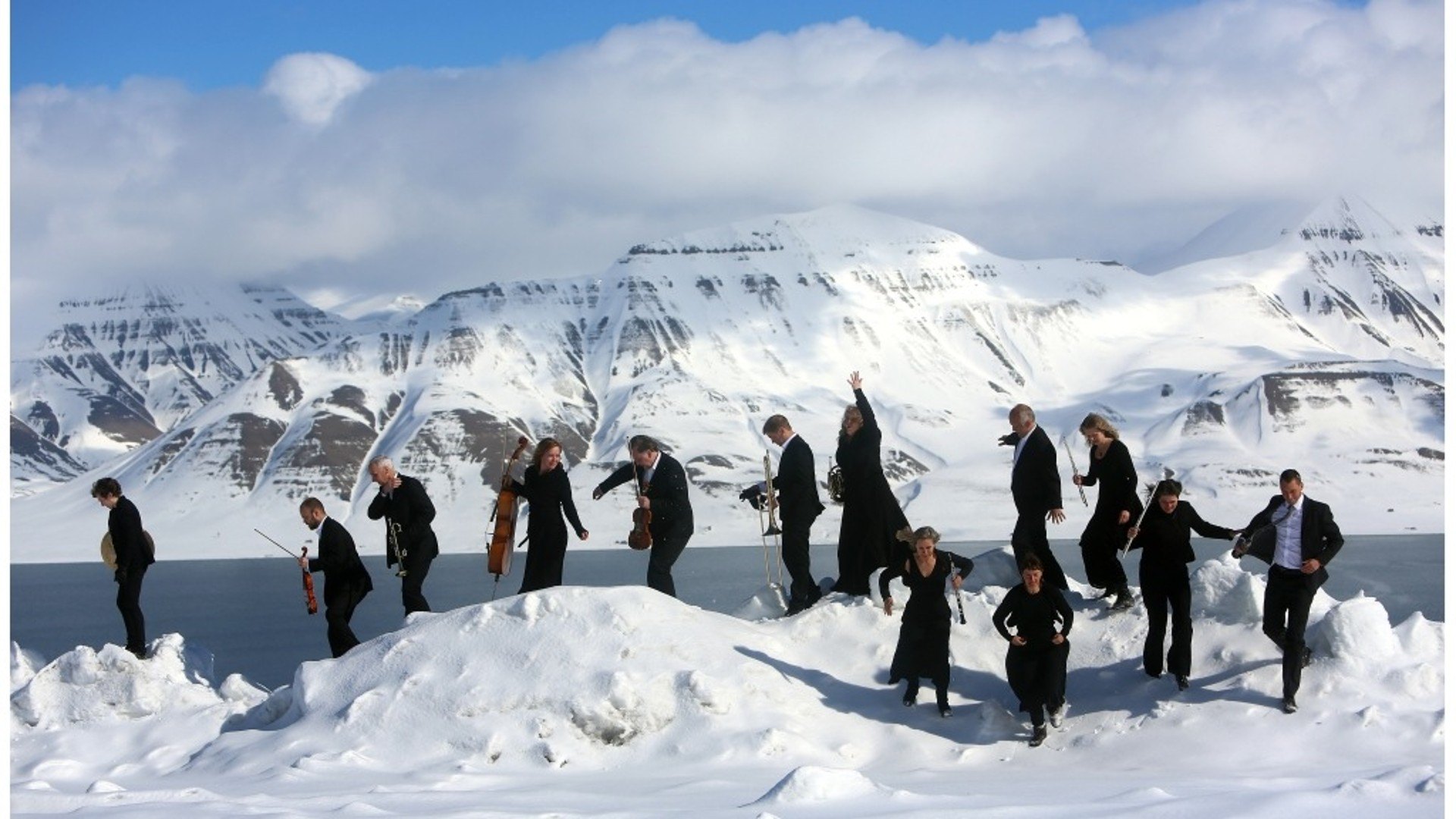
‘A Descent into the Maelström' (1841) is American writer Edgar Allan Poe's short story of two fishermen caught in torrents raging between the mountainous islands of Lofoten, inside the Arctic Circle of northern Norway. After a treacherous whirlpool drags their boat down, only one of them survives. American composer Philipp Glass based his choral work for the Australian Dance Theatre on this story. The piece was performed at the Adelaide Festival of Arts in 1986. Beacon Isle Films recorded an arrangement of Glass's work for symphony orchestra, performed by the Arctic Philharmonic Orchestra and Choir conducted by Tim Weiss. Soprano Berit Norbakken Solset is the soloist. The Artic Philharmonic Orchestra is the world's youngest and northernmost professional orchestral institution, presenting circa 150 performances and concerts each year. This 2019 recording was made against the backdrop of Lofoten's spectacular landscape: the very surroundings that inspired Poe's story.
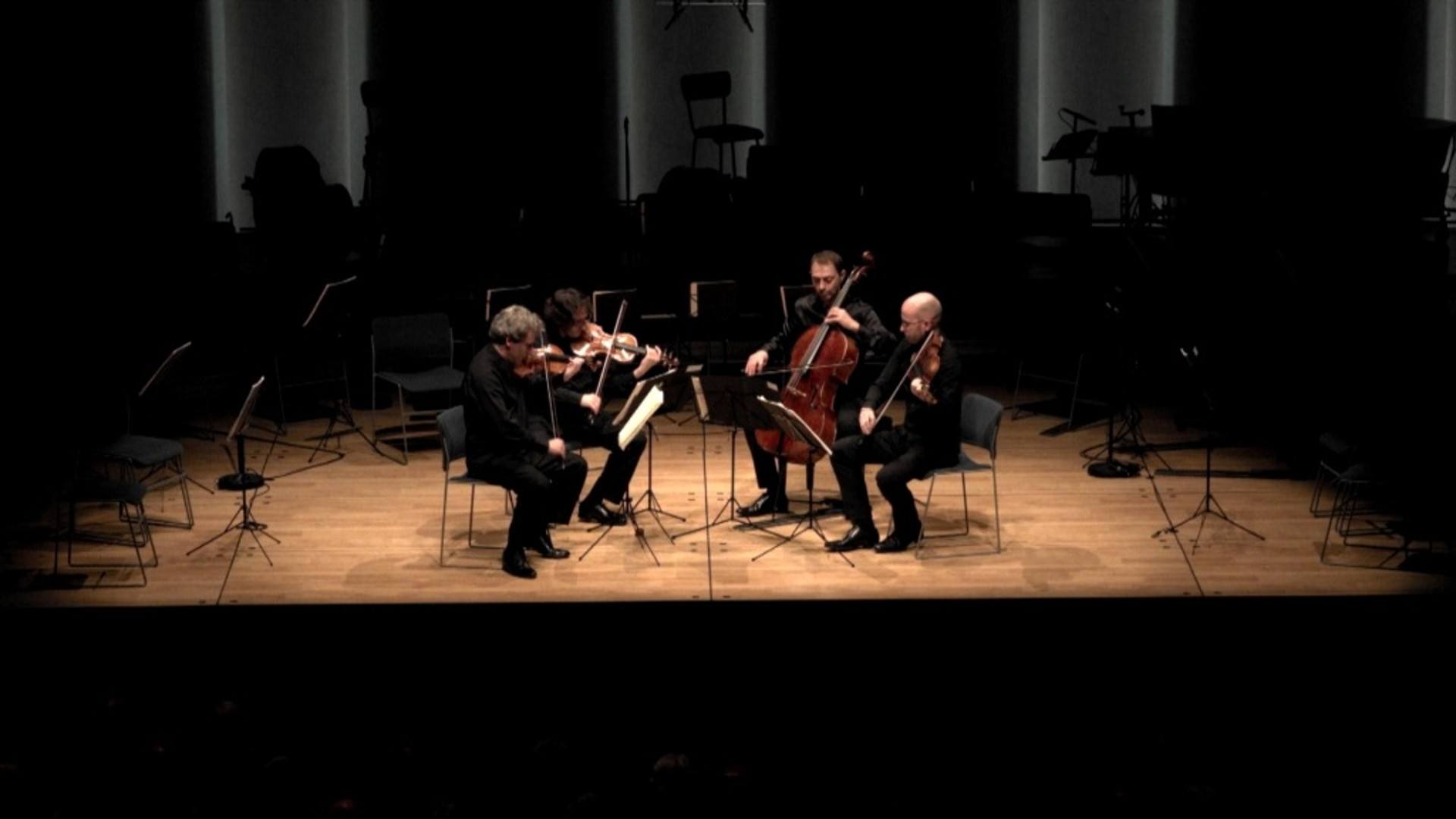
Les Dissonances is a collective of artists founded by violinist David Grimal in 2004. The conductorless ensemble consists of musicians from the most prestigious European orchestras, international soloists, and young talents. In this performance, Les Dissonances' string quartet – consisting of David Grimal (violin), Hans Peter Hofmann (violin), David Gaillard (viola), and Xavier Phillips (cello) – performs Franz Schubert's String Quartet No. 15 in G major, D. 887, Op. 161. Schubert composed this work, his final string quartet, in a mere ten days in June 1826. However, this highly original piece, characterized by its restless shifts between major and minor, was not published until after Schubert's death in 1851. This performance was recorded at Cité de la Musique in Paris, France, in 2014.

Cinematic classical clips and energizing concert pieces featuring up-and-coming artists.
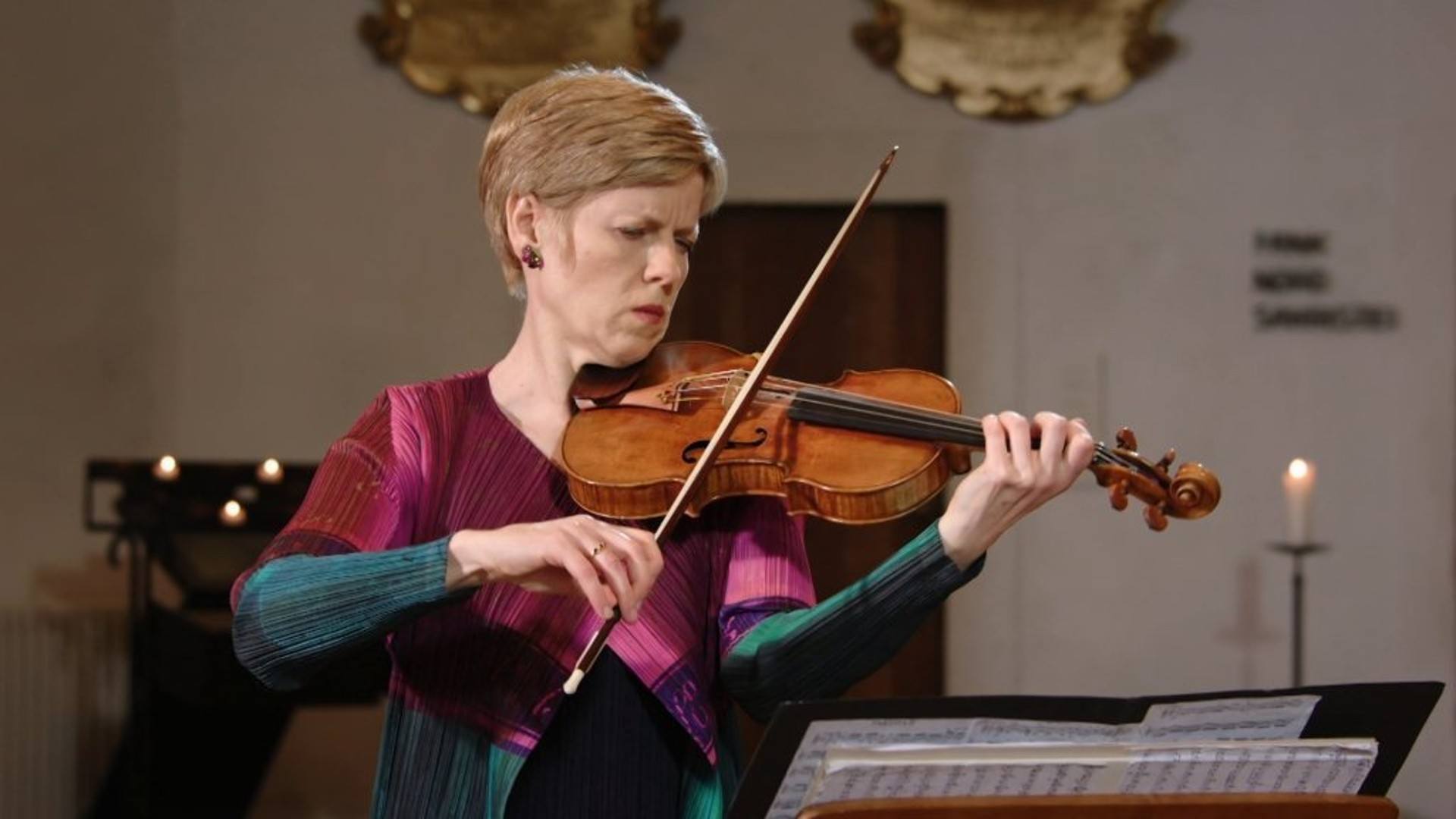
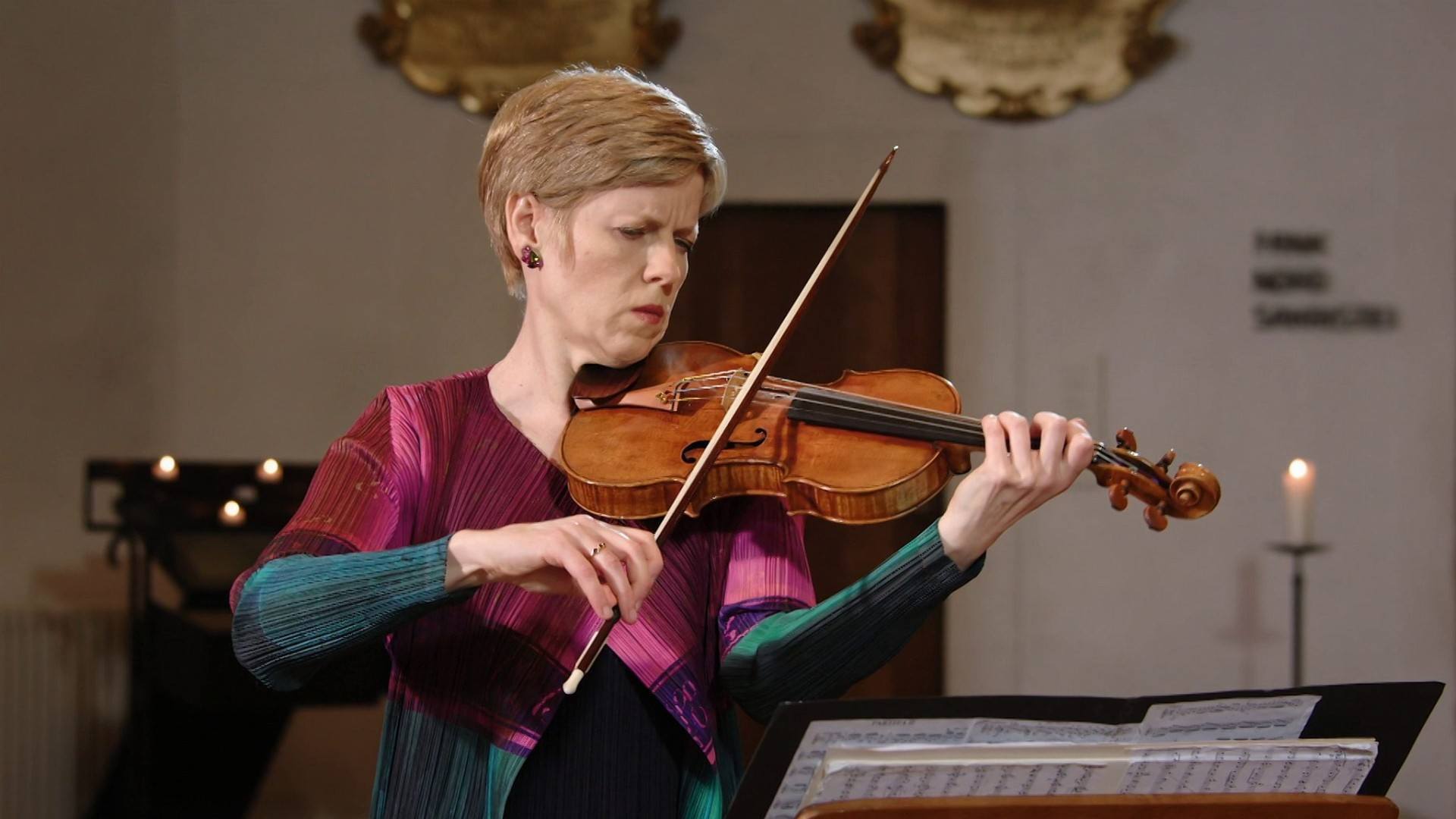
Celebrated German violinist Isabelle Faust performs two of J. S. Bach's incredible works for solo violin: Partita No. 2 in D minor (BWV 1004), and Sonata No. 3 in C major (BWV 1005). Both works are part of the composer's well-known Sonatas and Partitas for Solo Violin (BWV 1001-1006). Partita No. 2 is made up of four dance movements, concluded by its famous Chaconne, a monumental piece within the violin repertoire. In this Chaconne, Bach develops a series of continuous variations from a theme, exploring a complex range of harmonic possibilities. Sonata No. 3 includes an extensive fugue in which Bach employs many contrapuntal techniques. In this wonderful performance, Faust shows her mastery of Bach's technically challenging pieces. This performance was recorded at St. Thomas Church in Leipzig, Germany, in 2020.

Les Dissonances is a collective of artists founded by violinist David Grimal in 2004. The conductorless ensemble consists of musicians from the most prestigious European orchestras, international soloists, and young talents. In this performance, Les Dissonances perform Ludwig van Beethoven's Symphony No. 5 in C minor, Op. 67. Beethoven composed Symphony No. 5 between 1804 and 1808, completing the work at nearly the same time as his Symphony No. 6, ‘Pastorale'. Both symphonies premiered as part of an all-Beethoven program at the same concert on December 22, 1808. Symphony No. 5 has become one of the best-known compositions in classical music. It opens with the famous four-note motif, often interpreted as the musical manifestation of 'fate knocking at the door'. This rhythmic figure returns in various guises in the other three movements of the symphony. The second movement consists of a set of lyrical variations on two themes. The third movement begins gently, but leads to a blasting horn section presenting a theme that features the rhythmic pattern of the four-note motif. The movement leads uninterrupted to the fourth movement that features a triumphant finale ending in C major. This performance was recorded at Philharmonie de Paris, France, in 2015.

Ukrainian conductor Kirill Karabits leads the London Symphony Orchestra in a stunning performance of Gustav Mahler's Symphony No. 4. The soloist is soprano Lucy Crowe. Mahler's Fourth Symphony opens with the sound of sleighbells and melodies of childlike innocence. But between this deceptively playful opening and the serene finale – a child's vision of Heaven – lies a world of profound emotion and beauty. With soprano Lucy Crowe lending her vocal radiance to this extraordinary finale, the symphony's journey to bliss is complete. This performance was recorded at the Barbican Hall in London, UK, on December 8, 2021.

Russian violinist Pavel Milyukov and pianist Boris Berezovsky join forces in this concert recorded at Tchaikovsky Concert Hall in Moscow, Russia, on October 15, 2020. Milyukov has won prizes at various international competitions and has appeared at venues throughout Europe. He forms an excellent chamber music duo with acclaimed pianist Boris Berezovsky. On this concert's program are César Franck's Sonata for violin and piano Gabriel Fauré's Après un rêve Alfred Schnittke's Stille Nacht and Franz Schubert's Erlkönig. As an encore, the duo performs ‘Russian Song' from Igor Stravinsky's opera Mavra (arranged by S. Dushkin).
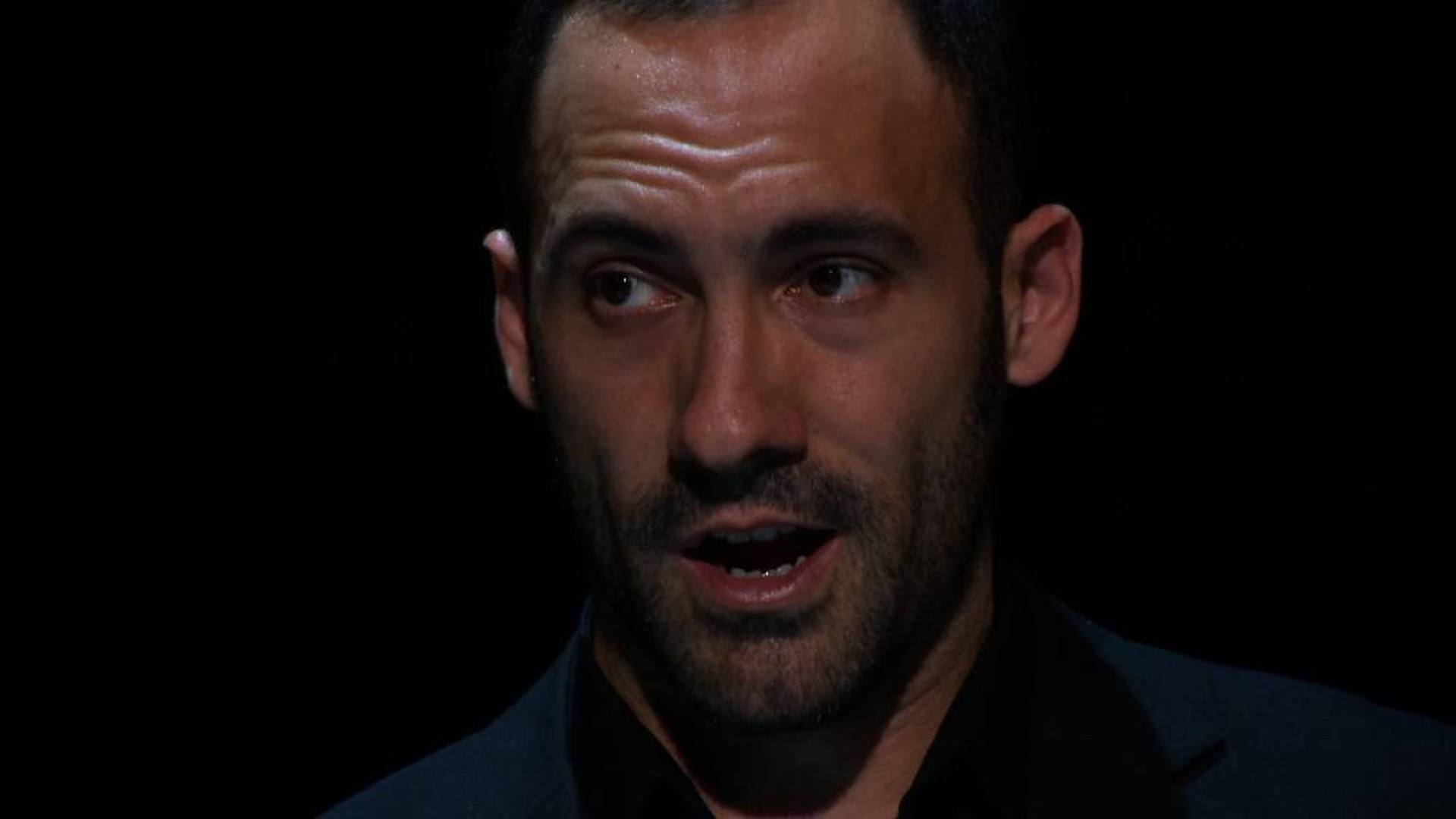
Italian composer Claudio Monteverdi (1567-1643) composed nine books of madrigals in half a century, which helped transform the genre from the polyphonic, a cappella madrigals of the late Renaissance to the ‘concertato' madrigals of the early Baroque, shifting the style's focus to the ability of music to express emotions contained in a text. In 2011, British tenor Paul Agnew and renowned Baroque ensemble Les Arts Florissants started recording eight books of Monteverdi's madrigals. In this program, Agnew leads Les Arts Florissants in the madrigals of Book I. Published on New Year's day of 1587, Book I consist of seventeen madrigals for five voices. This performance was recorded at the Cité de la musique in Paris, France, in 2011.

This stunning performance of theatrical ice dancing brings viewers into the enchanting world of Tchaikovsky's magnificent holiday classic, The Nutcracker On Ice, performed by the internationally renowned Imperial Ice Stars, and including former champion figure skaters, Vadim Yarkov and Olga Sharutenko. This very special performance and soundtrack was performed by the Manchester Symphony Orchestra, conducted by Tim A. Duncan, and filmed live in Cape Town, South Africa in 2011.
Cinematic classical clips and energizing concert pieces featuring up-and-coming artists.

Roberto Abbado conducts the Filarmonica Arturo Toscanini, the Coro del Teatro Regio di Parma, and four vocal soloists in an outstanding performance of Giuseppe Verdi's Messa da Requiem, recorded at the Parco Ducale di Parma, Italy as part of Festival Verdi 2020. The soloists are soprano Eleonora Buratto, mezzosoprano Anita Rachvelishvili, tenor Giorgio Berrugi, and bass Roberto Tagliavini. When his fellow composer Gioachino Rossini died in 1868, Verdi proposed to compose a ‘Messa per Rossini' in his honor, to be written by himself and several other Italian composers. Verdi wrote the concluding movement, ‘Libera me'. When the premiere was cancelled, the project lay dormant. When Italian poet Alessandro Manzoni passed away a few years later, Verdi revisited his plan to compose a requiem – this time in honor of the poet he so greatly admired. As an opera composer, Verdi knew better than anyone how to infuse the work with drama, as is evident in the revised version of his ‘Libera me'. The famous, powerful ‘Dies Irae' especially stands out, depicting the horrors of the Last Judgement.

Renowned French string quartet Quatuor Ébène marked the 250th birth anniversary of Ludwig van Beethoven (1770-1827) with a remarkable project: recording all of the great composer's sixteen string quartets. For five years, violinists Pierre Colombet and Gabriel Le Magadure, violist Marie Chilemme, and cellist Raphaël Merlin immersed themselves in Beethoven's 650 pages of sheet music. Their efforts culminated in the performance of the composer's complete repertoire for string quartet, which covers three decades of Beethoven's musical creativity, during six impressive concerts at Philharmonie de Paris in the autumn of 2020. Quatuor Ébène explored every facet of Beethoven's string quartet repertoire: from the youthful Opus 18 string quartets to the Razumovsky, Harp, and Serioso quartets (Opus 59, 74, and 95) from his middle period, and finally, the depth of his late quartets (Opus 127 to 135). This program features Quatuor Ébène performing Beethoven's String Quartet No. 2 in G major, Op. 18, No. 2 String Quartet No. 16 in F major, Op. 135 and String Quartet No. 14 in C-sharp minor, Op. 131. This concert was recorded at Philharmonie de Paris on December 16, 2020.

Cinematic classical clips and energizing concert pieces featuring up-and-coming artists.

Les Dissonances is a collective of artists founded by violinist David Grimal in 2004. The conductorless ensemble consists of musicians from the most prestigious European orchestras, international soloists, and young talents. In this performance, Les Dissonances play Wolfgang Amadeus Mozart's Violin Concerto No. 3 in G major, K. 216. Leading violinist Grimal features as the soloist. With the exception of the first violin concerto, Mozart composed his other four violin concertos in 1775 at a time when he was concertmaster at the Salzburg court. Violin Concerto No. 3 opens with a theme the composer borrowed from the aria ‘Aer tranquillo' of his then recent opera Il re pastore. In the beautiful Adagio, the strings are muted and the oboes make way for the flutes, which only sound in the second movement. The finale movement has a dance-like character. This performance was recorded at Cité de la Musique, France, in 2014.
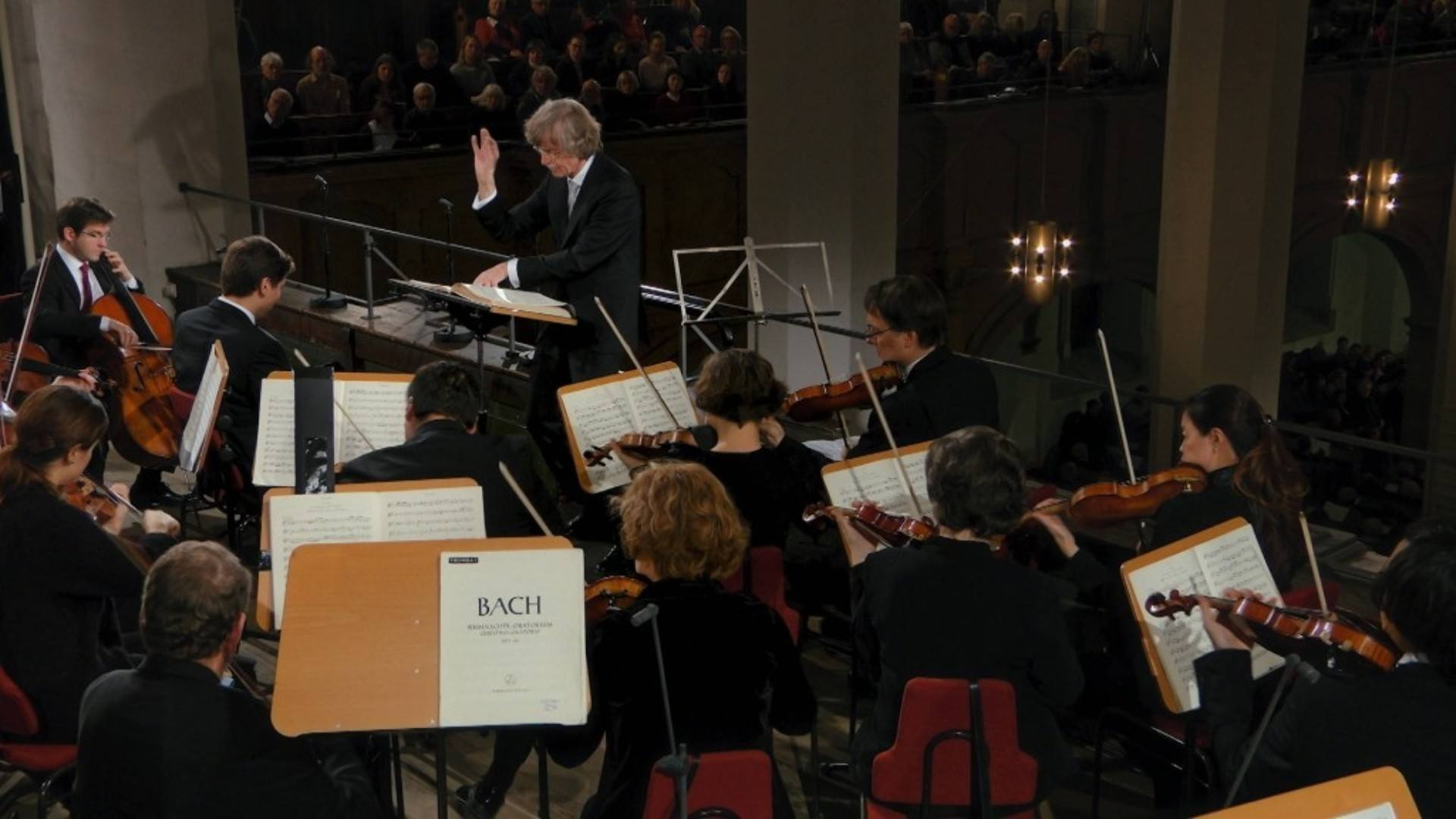
Traditionally, many ensembles festively announce the Christmas season with a performance of Johannes Sebastian Bach's Christmas Oratorio, BWV 248. It consists of six cantatas originally intended for performance on one of the major feast days of the Christmas period. The work saw its first performance in 1734, at St. Thomas Church in Leipzig, Germany, where Bach occupied the position of cantor. In that very same church the thirty-fourth ‘Thomaskantor', Gotthold Schwarz, leads the St. Thomas Boys Choir Leipzig and the Gewandhausorchester Leipzig in a performance of Bach's choral masterpiece. Among the soloists are Dorothee Mields (soprano), Elvira Bill (alto), Patrick Grahl (tenor, Evangelist), Markus Schäfer (tenor, arias), and Klaus Häger (bass). This performance was recorded in 2018.

Cinematic classical clips and energizing concert pieces featuring up-and-coming artists.

Les Dissonances is a collective of artists founded by violinist David Grimal in 2004. The conductorless ensemble consists of musicians from the most prestigious European orchestras, international soloists, and young talents. In this performance, Les Dissonances play Wolfgang Amadeus Mozart's Violin Concerto No. 3 in G major, K. 216. Leading violinist Grimal features as the soloist. With the exception of the first violin concerto, Mozart composed his other four violin concertos in 1775 at a time when he was concertmaster at the Salzburg court. Violin Concerto No. 3 opens with a theme the composer borrowed from the aria ‘Aer tranquillo' of his then recent opera Il re pastore. In the beautiful Adagio, the strings are muted and the oboes make way for the flutes, which only sound in the second movement. The finale movement has a dance-like character. This performance was recorded at Cité de la Musique, France, in 2014.
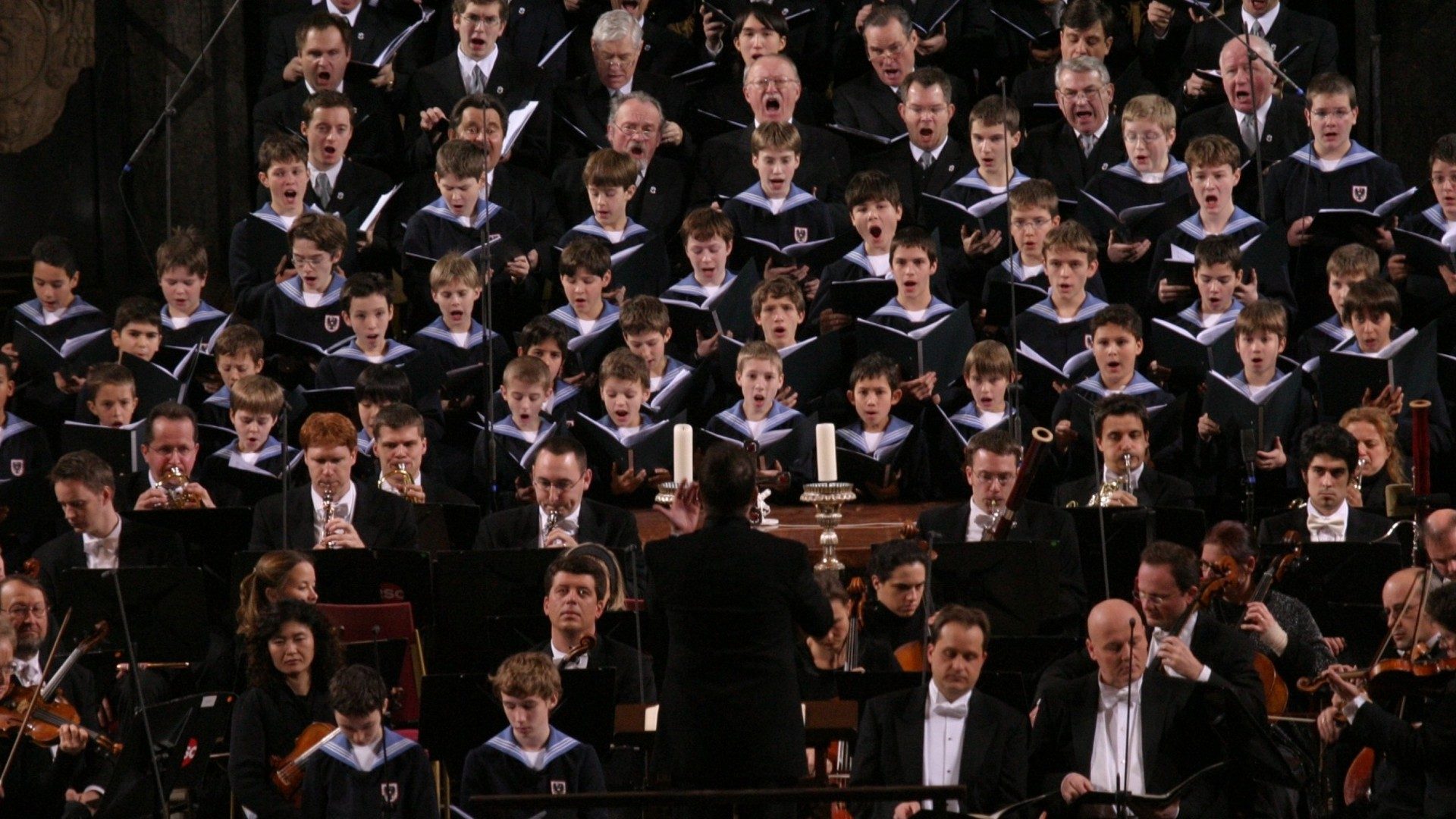
Since its founding over 500 years ago the Wiener Sängerknaben, also known as the Vienna Boys' Choir, has been a fixed attraction in musical life. A number of important musicians have been connected with the famous choir. Joseph Haydn and Franz Schubert, for example, have been members themselves. Not to forget about W. A. Mozart, who composed several musical works for the choir. On January 27, 2006 – the day of the composer's 250th anniversary – the Wiener Sängerknaben celebrated Mozart with this concert from the Stephansdom in Vienna. The Radio Symphonieorchester Wien plays under the baton of Bertrand de Billy soloist is the French soprano Sandrine Piau.

Luca Vignali (oboe), Angelo De Angelis (clarinet), Carmine Pinto (horn), Eliseo Smordoni (bassoon), and Linda Di Carlo (piano) perform Ludwig van Beethoven's Quintet for piano and winds in E-flat major, Op. 16. The piece, completed in 1796, is assumed to have been modelled on Mozart's Quintet for piano and winds, K. 452. Both quintets are scored for the same unusual instrument combination, are in the same key, and feature the same three-movement structure. A marked difference is that Beethoven, as a piano virtuoso, wrote the piano parts to highlight the strengths of his playing. Besides, the composer regularly places this instrument in the center of attention. Beethoven published the work in 1801 in two versions: as a quintet for piano and winds, and as a quartet for piano and strings (also designated Op. 16). This performance was recorded at Perugia's Auditorium Santa Cecilia, Italy, on June 23, 2022.