History Of Weapons
Expert Stephen Bull tests out the most destructive weapons of the sea, including one of the most powerful missiles ever invented, the torpedo.
Convinced the medieval witch trials were an attempt by a Jewish-Christian alliance to exterminate the Aryans, Himmler establishes a Special Assignment research team led by Reinhard Heydrich to build a database of medieval German witchcraft practices.
After the Cuban revolution, Fidel Castro looked to exert his influence in Venezuela. Is Cuba still in charge of Venezuela's future?
From 1969 to 1973, US forces bomb Cambodia and the country falls into a brutal form of communism. Did the US' involvement pave the way for Pol Pot's regime?
From tests in the River Thames, to the German's deadly U-boat attacks in World War II, this episode explores the silent threat of submarines.
Captain Gilbert Roberts thinks he knows how the German U-boat threat can be banished, but Admiral Percy Noble reacts rather frostily to his suggestions. To convince him, Roberts urgently needs further support.
The story of one of the world's most effective war machines: the Viking longship, seeing how its design evolved from swift war canoe to versatile and feared ship that would change the course of history.
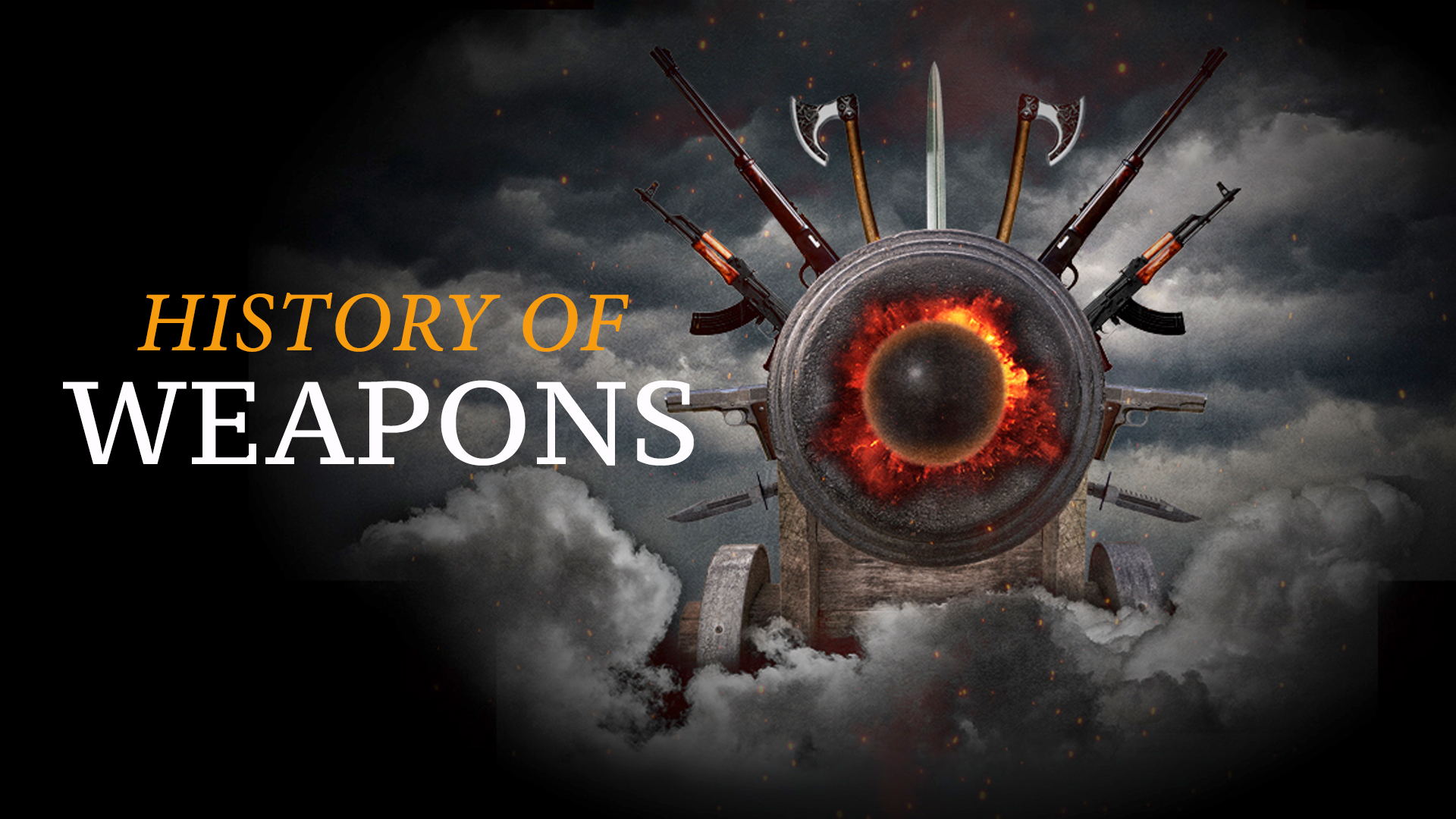
A team of international experts presents weapons invented throughout history, where speed really made all the difference Samuel Colt's revolver marked the beginning of a new era for warfare while the slingshot is the symbol of asymmetric weaponry.
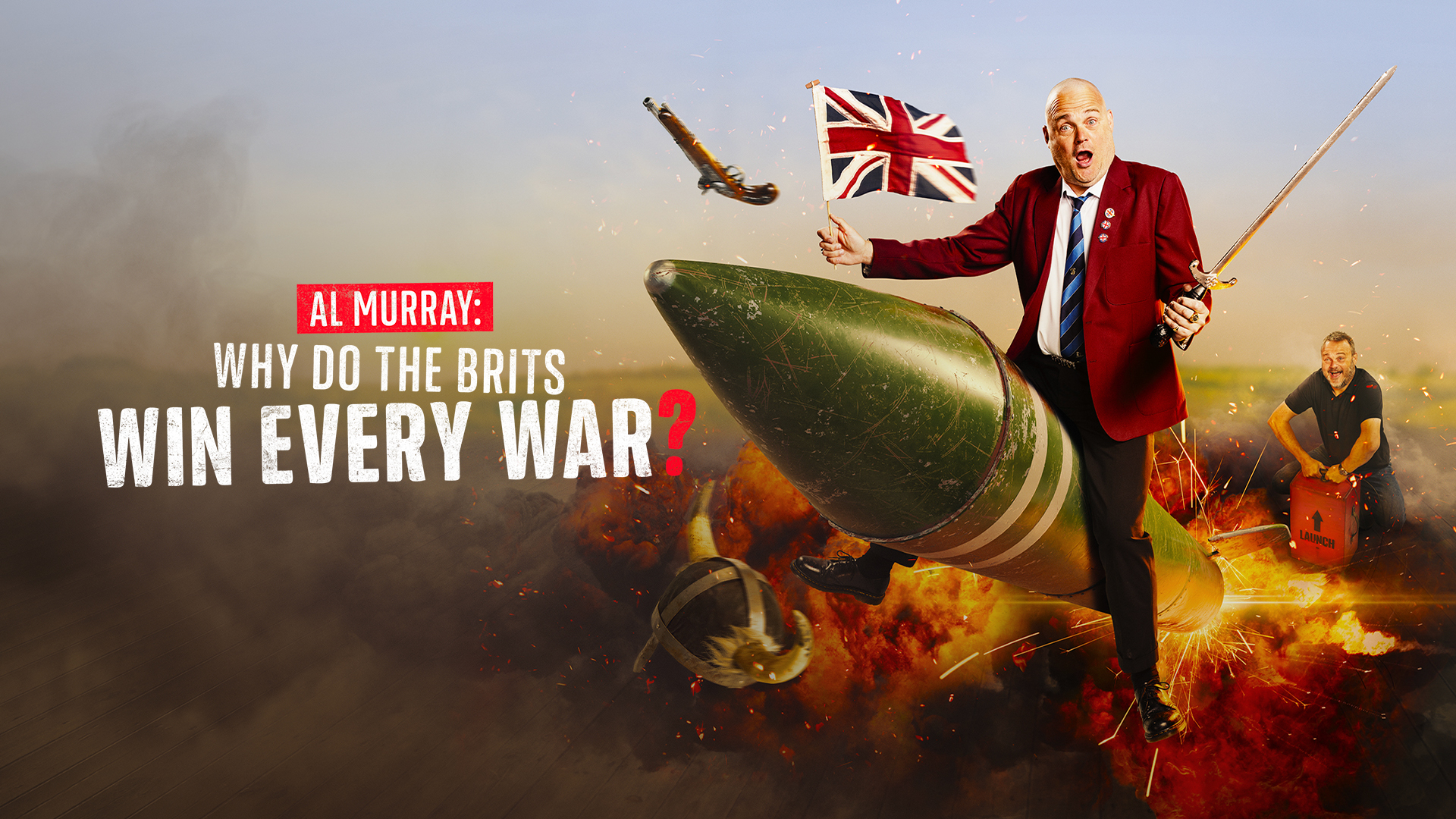
In this episode Al joins forces with German comedian Henning Wehn to delve deeper into the truth behind some WW2 myths. Taking to the skies, they explore whether the Spitfire really was the saviour of Britain that it was cracked up to be.
Frenchman Fred Sirieix joins Al Murray to break down what really happened during the Napoleonic wars. Did Britain really win the battle of Waterloo?
In 1945, WWII was over but the violence had not ended. The survivors want to blame the Germans. The reckoning with National Socialism is ambivalent.
The defeat at Stalingrad in 1943 was the turning point of the war and convinced the Nazi leadership to intensify their terror and propaganda campaigns.
The definitive combat helicopter saw first blood in South East Asia and has been transport, gunship, smoke ship, command centre, MediVac and dozens of other roles.
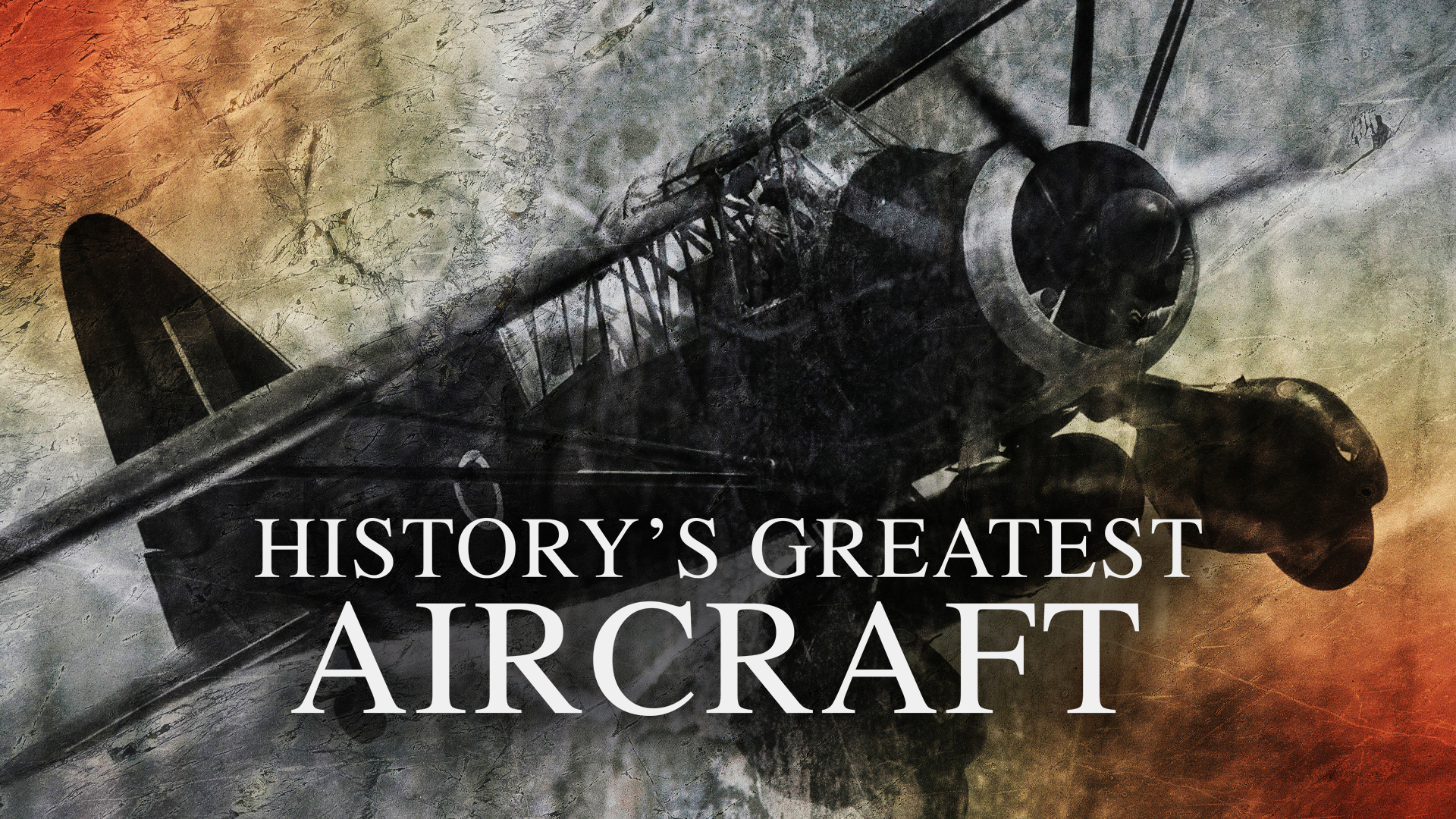
The aircraft capable of delivering the payload of a B17, in a single post war air frame.
New weapons with devastating force shape the wars of the 20th century international experts test the catastrophic effects of the most destructive weapons.
A team of international experts presents weapons invented throughout history, where speed really made all the difference Samuel Colt's revolver marked the beginning of a new era for warfare while the slingshot is the symbol of asymmetric weaponry.
There is power in the debate of the true origins of humanity and it becomes the fixation of a nefarious power as Heinrich Himmler, leader of the Nazi's SS, turns his attention to proving the Paleolithic past of Germany's Aryan race.
Along with Treblinka and Majdanek, Sobibor was one of the camps used in Operation Reinhard, in which the Nazis murdered almost two million people.
In the shadow of the war, the Nazi regime gradually advances its "final solution to the Jewish problem", culminating in the Holocaust.
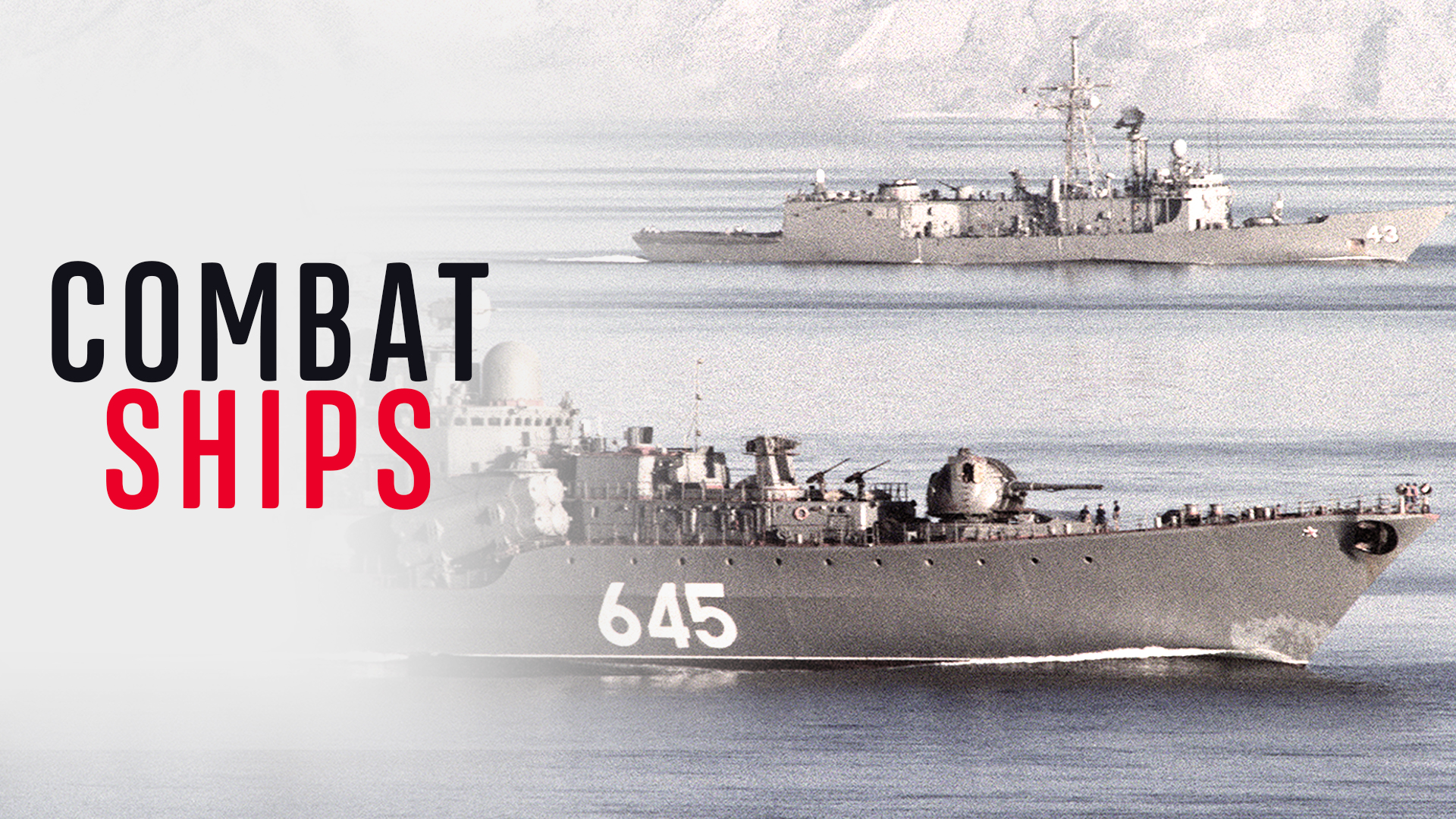
This programme looks at early metal warships, and examines HMS Rattler's screw propeller in 1845 would lead to the revolutionary HMS Dreadnought in the 20th century