Live & Upcoming Programmes

Children of the Sun

Children of the Sun

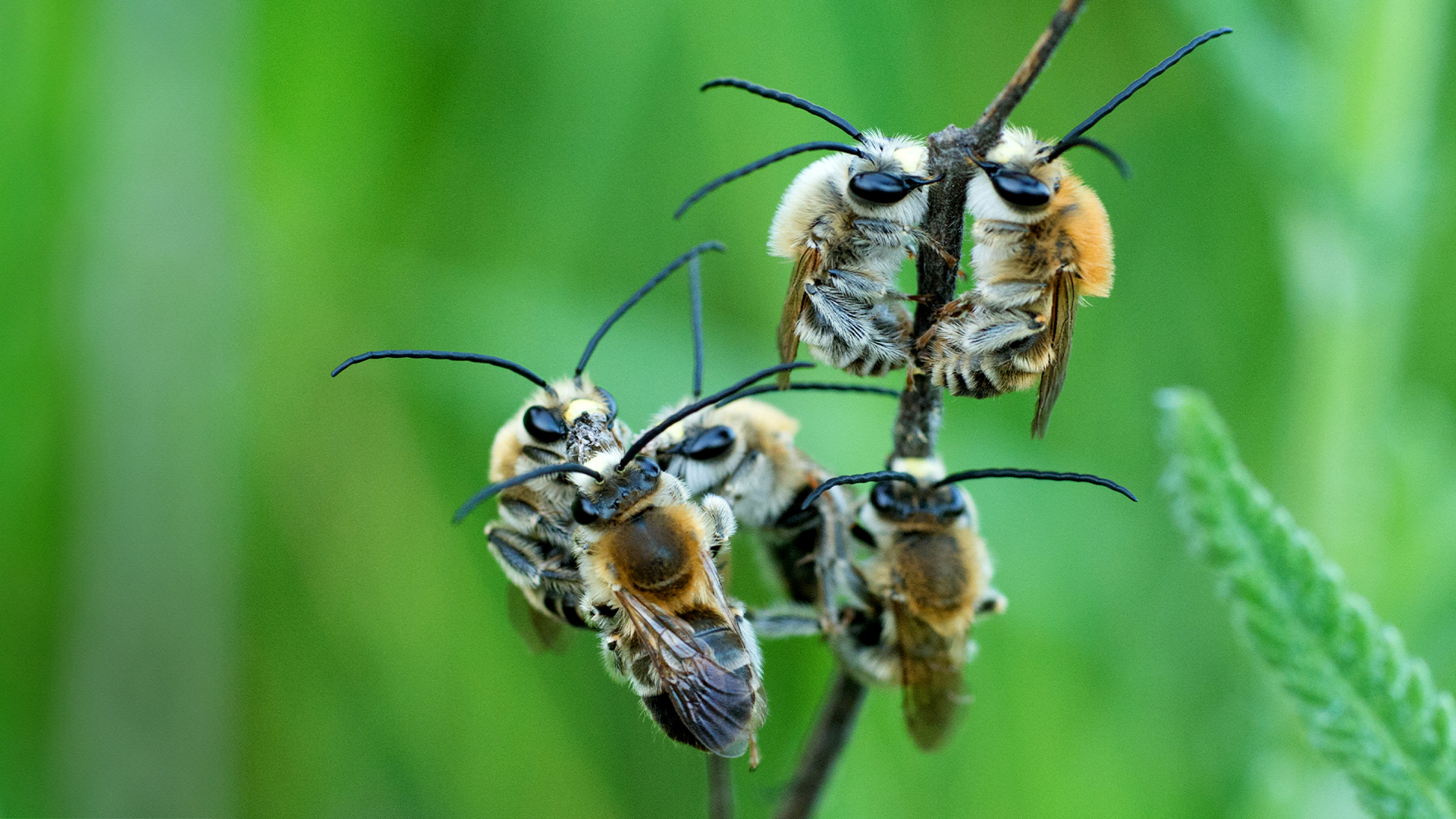
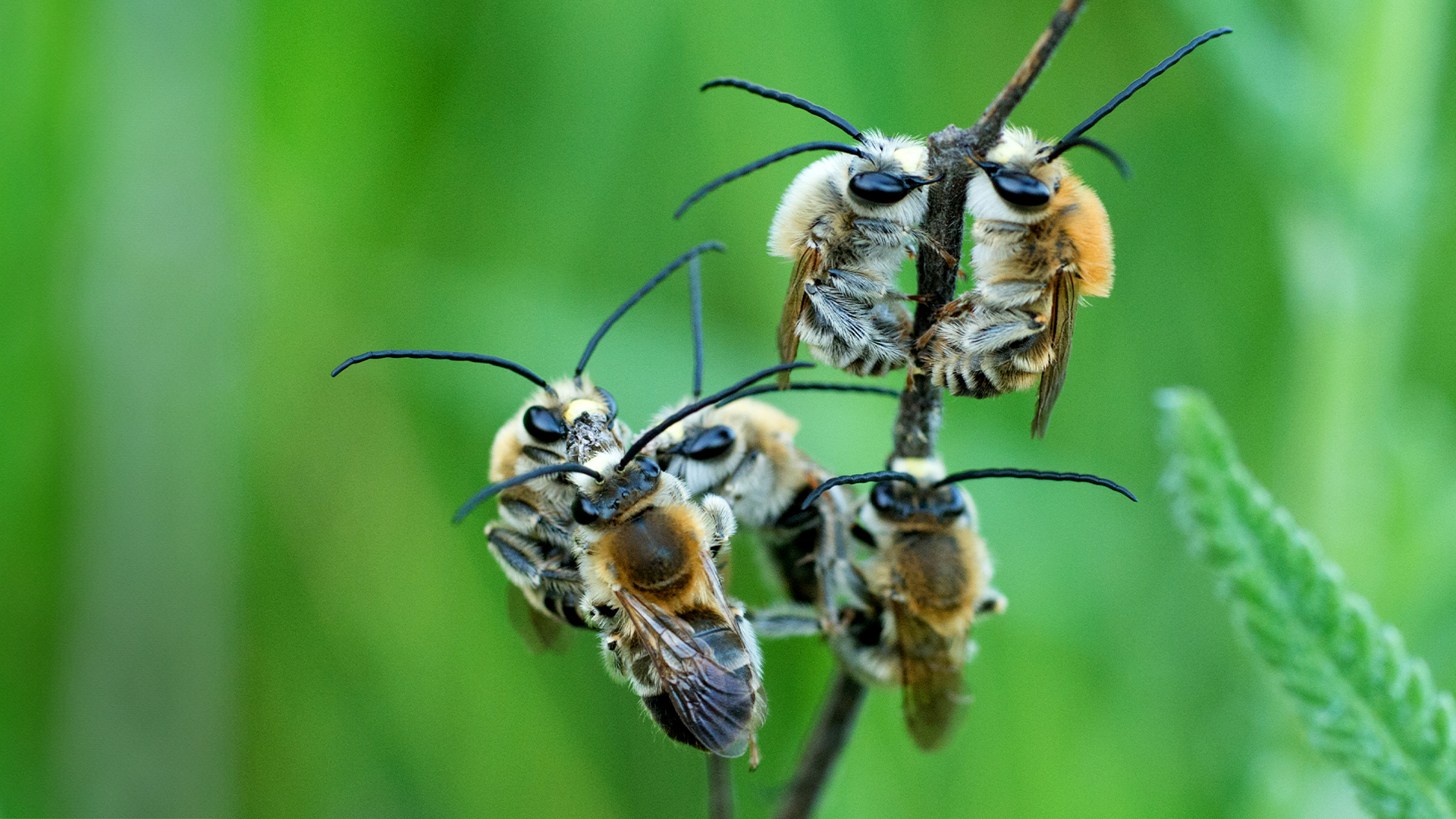
Most people associate honey producing insects with the name “BEE“. Few realize that there are over 560 different species of bees - most of them live their lives “busy as a bee“ but some “abuse“ other insects and others are even known to be murderers. The film “Wild Bees” shows the incredible diversity and the stunning adaptations of our “BEES” to various habitats and diverse living conditions. Fascinating fights, sensational performances, imposing structures and colorful individuals – the world of “Wild Bees” offers all of this and more.

2025-12-19 18:38:08 +0000 UTC2025-12-19 19:39:49 +0000 UTC (1h1m)
Missing Butterflies

Missing Butterflies

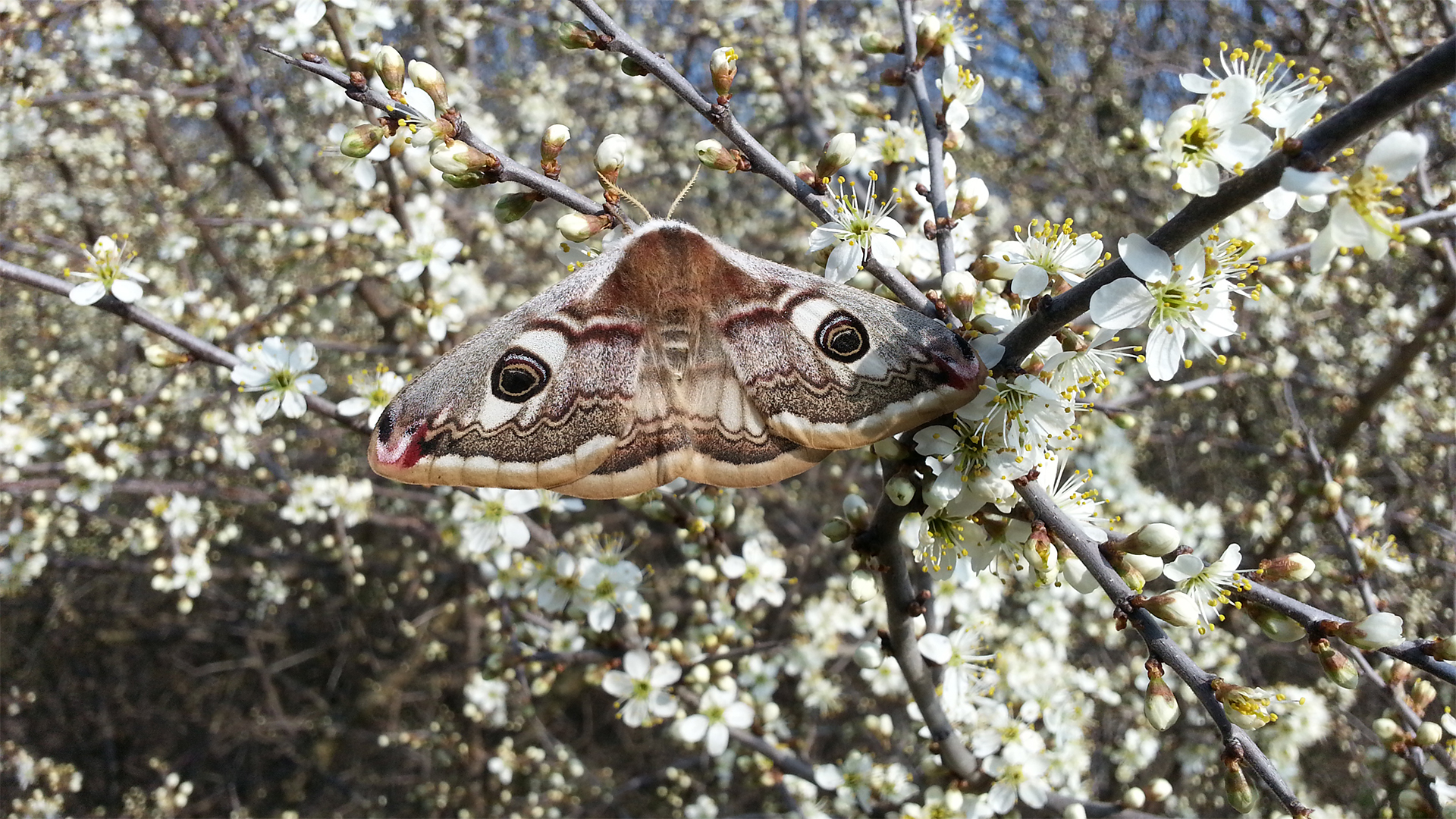
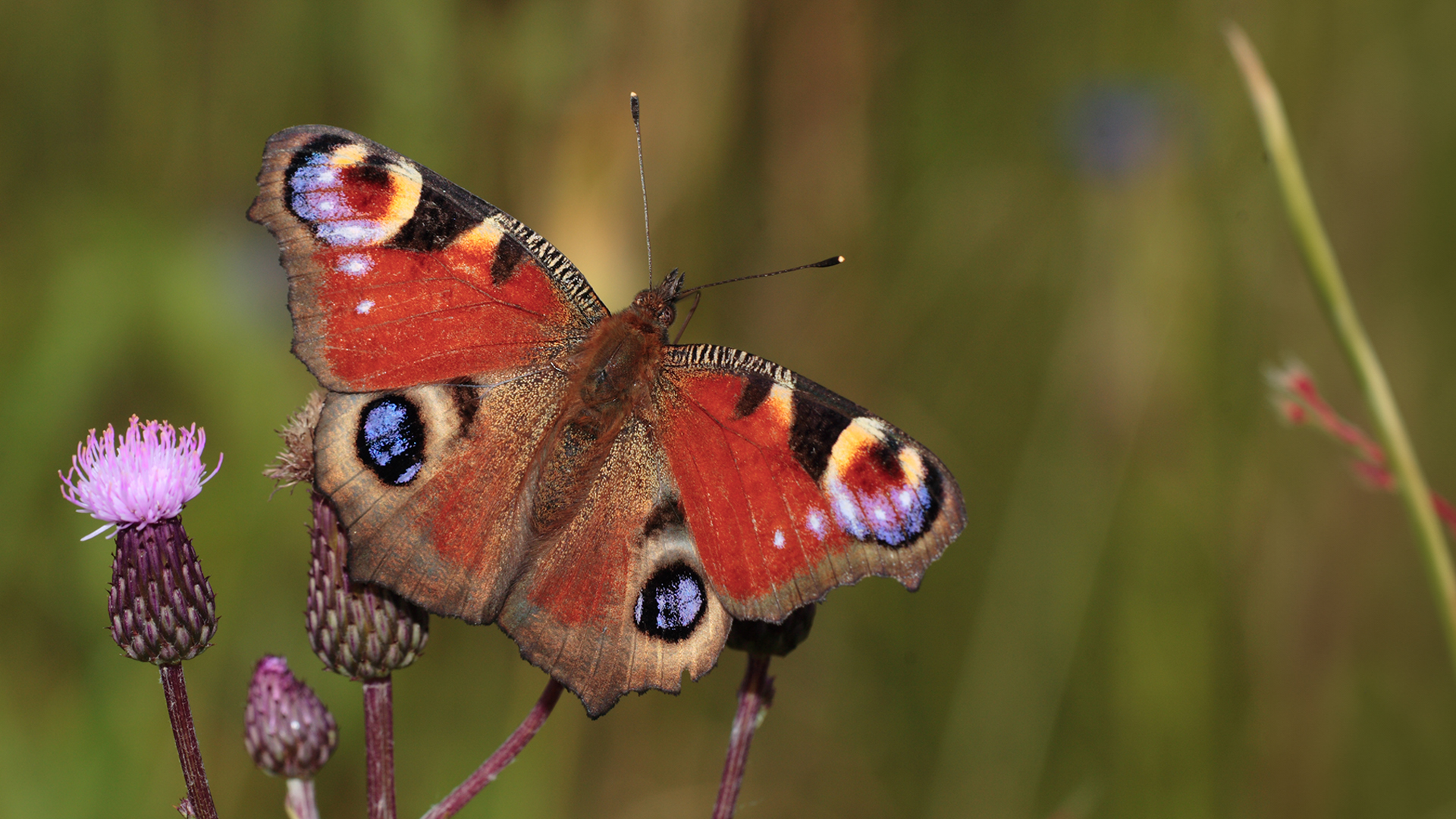
Its miraculous transformation from caterpillar to remarkable winged beauty has been a point of constant intrigue. However, in the last few years, many have observed a decrease in the butterfly population. A much-discussed topic in the entomological society is the decline of the insect populace, but to what extent is this topic relevant to our beloved butterflies? For years, a teacher from lower Bavaria and a biologist from Munich have dedicated themselves to studying the butterfly and their presence in Bavaria. The results of their studies tell an enlightening story that is sure to entertain.

2025-12-19 16:46:58 +0000 UTC2025-12-19 17:37:04 +0000 UTC (50m)
Dust And Stripes

Dust And Stripes

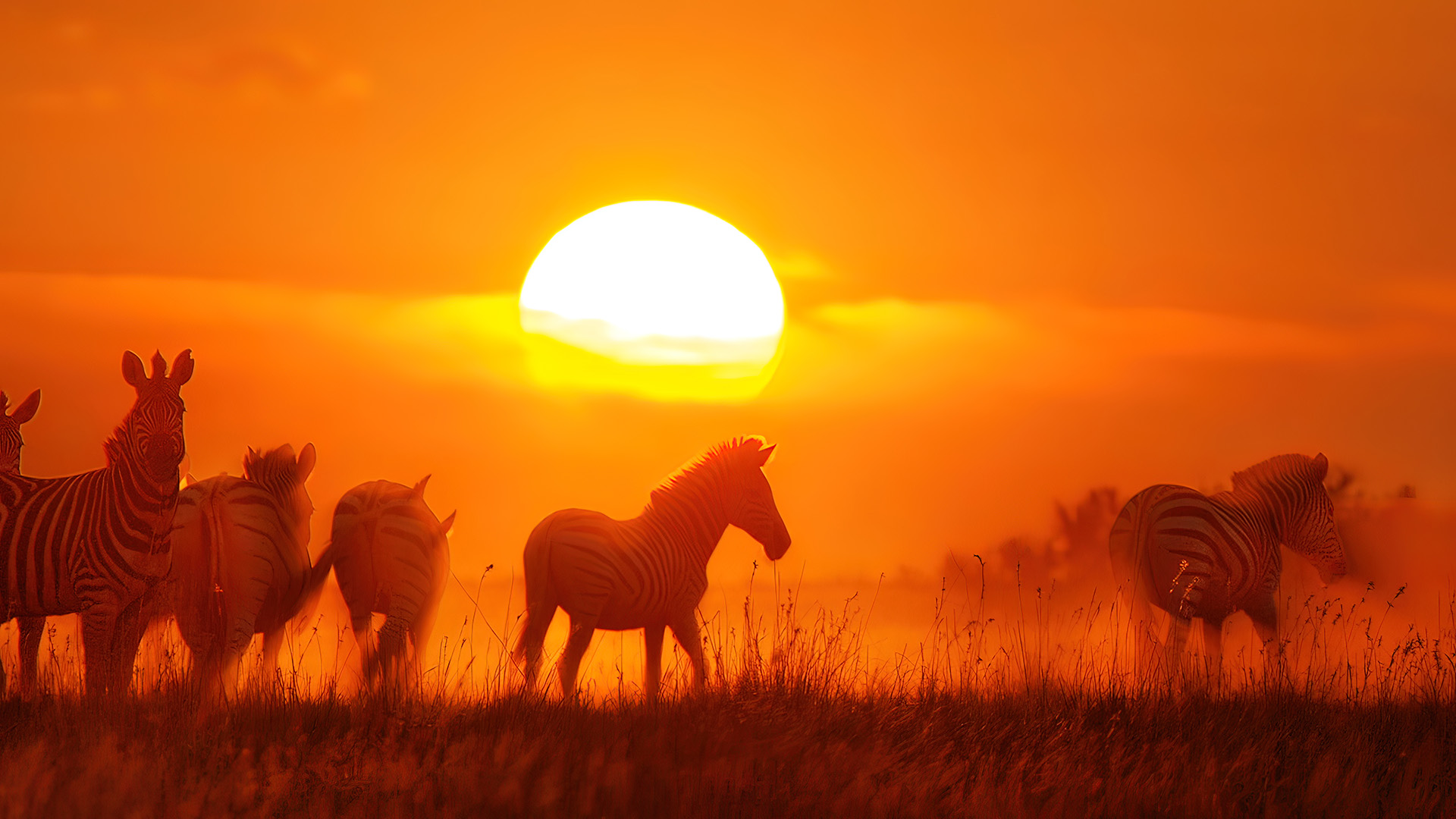
In a never-ending quest for grass and water, the striped herds undertake an annual epic trek across the vast lunar landscape of the Kalahari's Makgadikgadi Pans. Most of the year, the Makgadikgadi is an inhospitable wasteland of windswept, salt-encrusted pans. For the area's water-dependent zebra, the Boteti River on the western edge of the pans is a dry-season lifeline. However, it is also a death trap, with lions waiting in ambush and crocodiles lurking in dark riverside caves.

2025-12-19 15:47:23 +0000 UTC2025-12-19 16:46:58 +0000 UTC (59m)
Under the Spell of Horses

Under the Spell of Horses

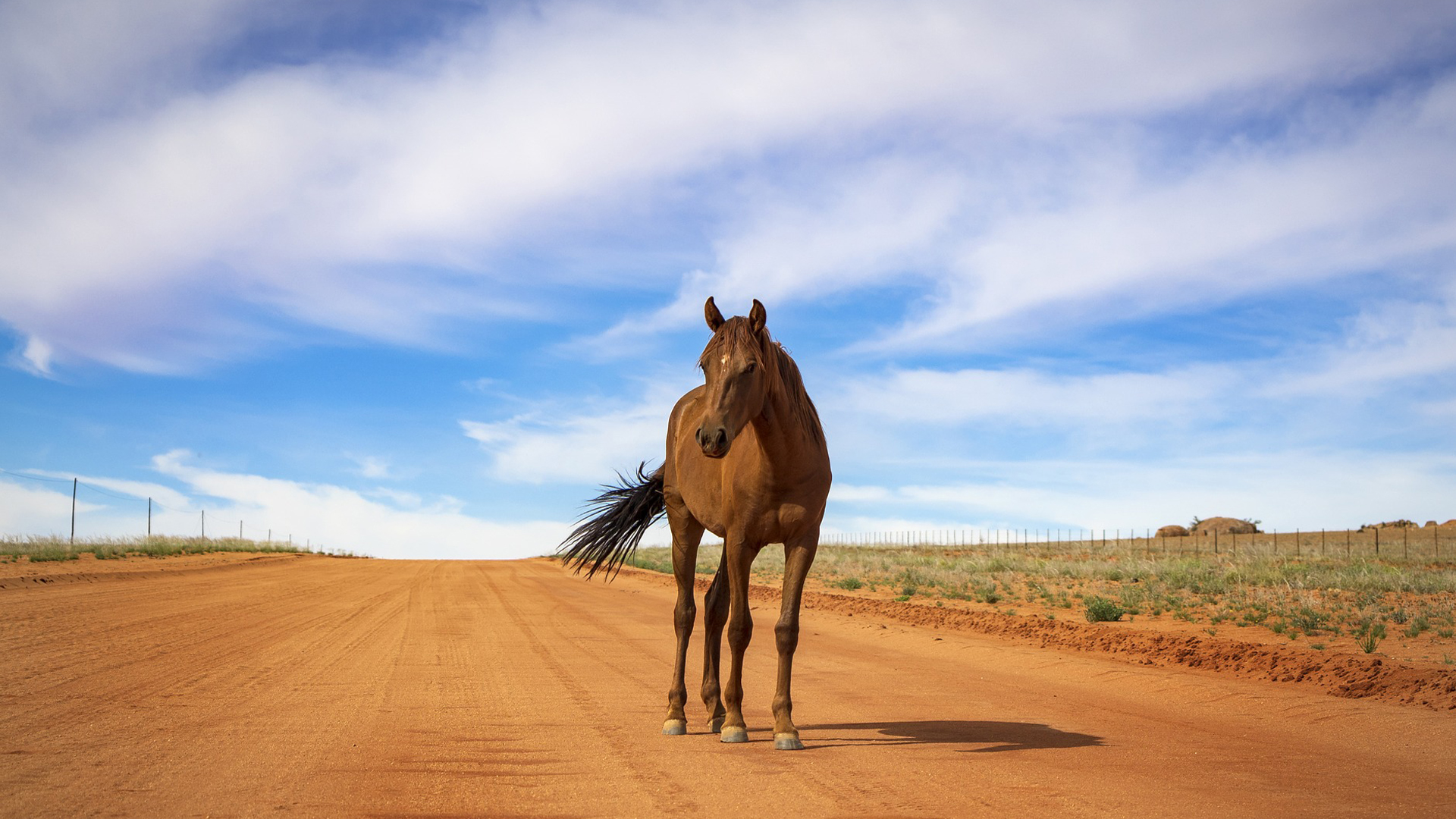
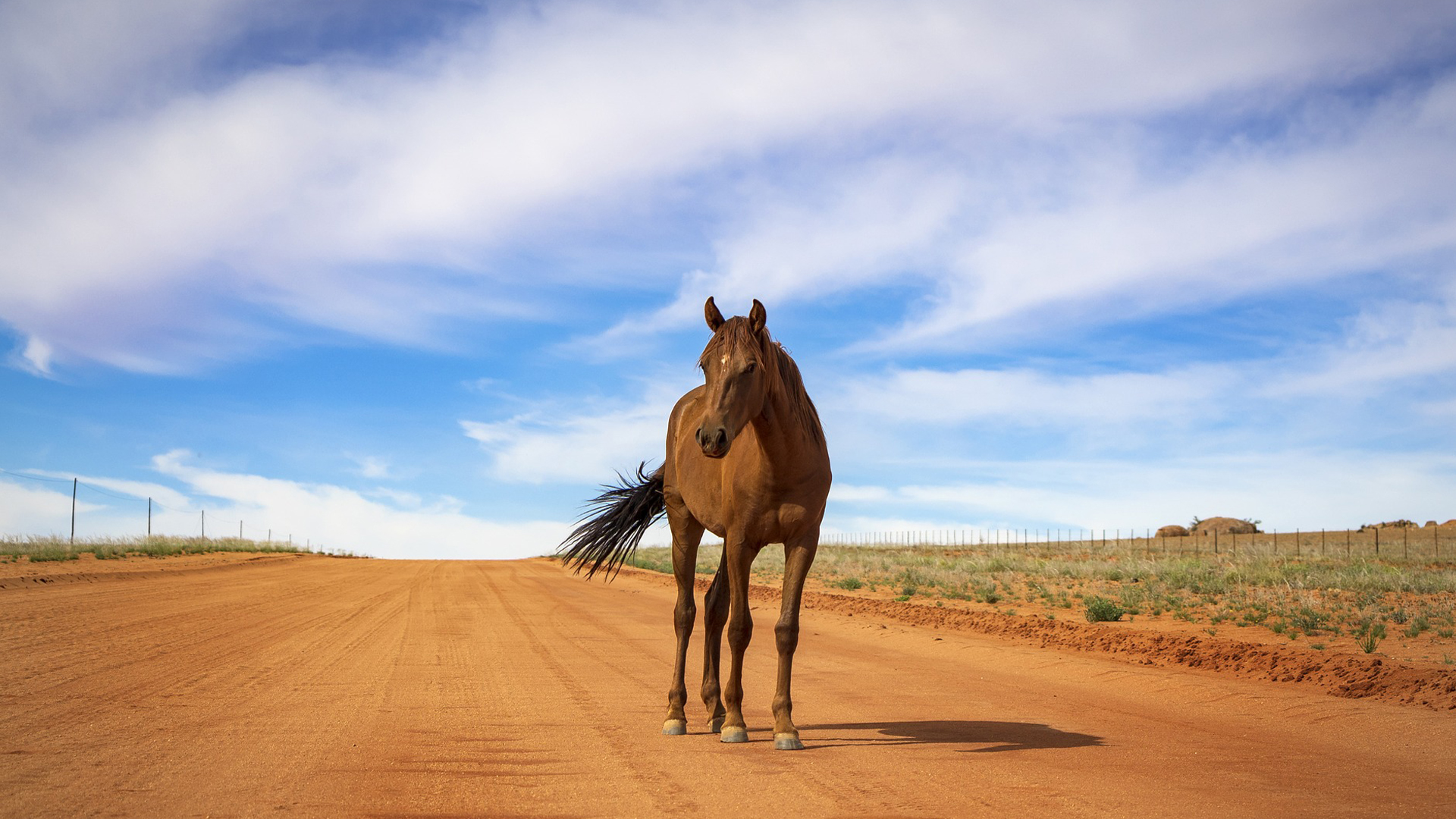
Iceland, the island of longing in the North. The biggest volcanic island in the world is known for its grandiose landscape, for its geysers and glaciers. But it is even more famous for its horses. Icelandic horses are considered the liveliest horses in the whole of Europe with the greatest stamina. They tölt over mossy banks and lava rock unfazed by rivers, glaciers and scree slopes. In Nordic mythology the steed are never far behind the warriors. Where would Siefgried be without his horse Grani, or Odin without Sleipnir. Even the sun wouldn't rise or set if “awake early” and “very quick” weren't pulling their chariot. From the beginning of colonisation, the Icelanders had the kind of close relationship with their horses usually only seen among the horse-riding peoples of Central Asia. And something of this love for horses still exists today. Life without horses would be unthinkable for Haukur Goroarsson, too. The 34-year old lives with his family in Vatnsdalur, a fertile valley in the North four hours by car from the capital city, Reykjavik. For him Icelandic horses are “a sort of Viking on four legs”. The settlement of this inhospitable island on the Arctic Circle would not have been possible without the animals. The stone deserts in the country's interior are too vast to be crossed on foot.

2025-12-19 09:42:39 +0000 UTC2025-12-19 10:43:38 +0000 UTC (1h)
Under the Spell of Horses

Under the Spell of Horses

Once a year the royal city of Meknes is transformed into an oriental camp. Two thousand curious onlookers gather round the square. More than five hundred riders are expected to take part in this major Fantasia, a warlike display of horsemanship. 56-year old Lachsen Slimani is also obsessed with riding games. He lives with his family on a remote highland plateau in the Middle Atlas. Lachsen is proud because his 18-year old son Mohammed wants to follow in his father's footsteps. For that he needs his own horse, so the tradition goes. Lachsen wants to fulfil this dream for his son. So, in order to get the money together for the horse, he takes off on an adventure and is travelling to Quarzazate, which is also called the Hollywood of the desert.

2025-12-19 08:41:49 +0000 UTC2025-12-19 09:42:39 +0000 UTC (1h)
King of the Seas

King of the Seas

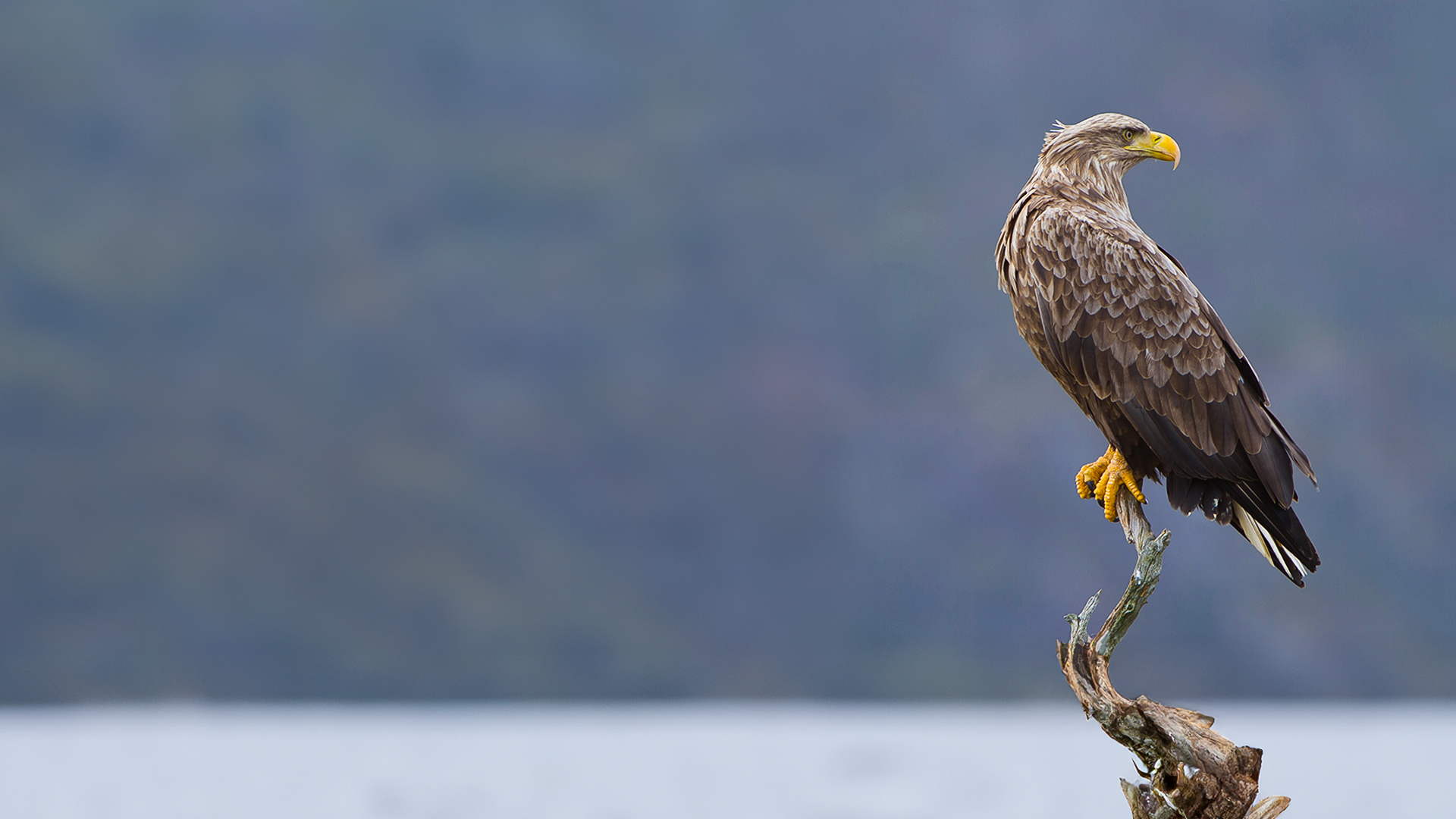
The times where eagles have been seen as varmints are over. They are now perceived as an integral part of the food cycle. Due to the fact that the habitats of the sea eagles in Germany are largely found in the north-eastern regions that are rich in water, the movie accompanies the eagles to an island, home to hundreds of sea ravens, where they rob the baby sea ravens of their food. They seem to always profit from the successes of the fellow creatures in their habitats. This film introduces you to the expert poachers of the animal kingdom.

2025-12-19 07:41:05 +0000 UTC2025-12-19 08:41:49 +0000 UTC (1h)
The Secret of Migrating Birds

The Secret of Migrating Birds

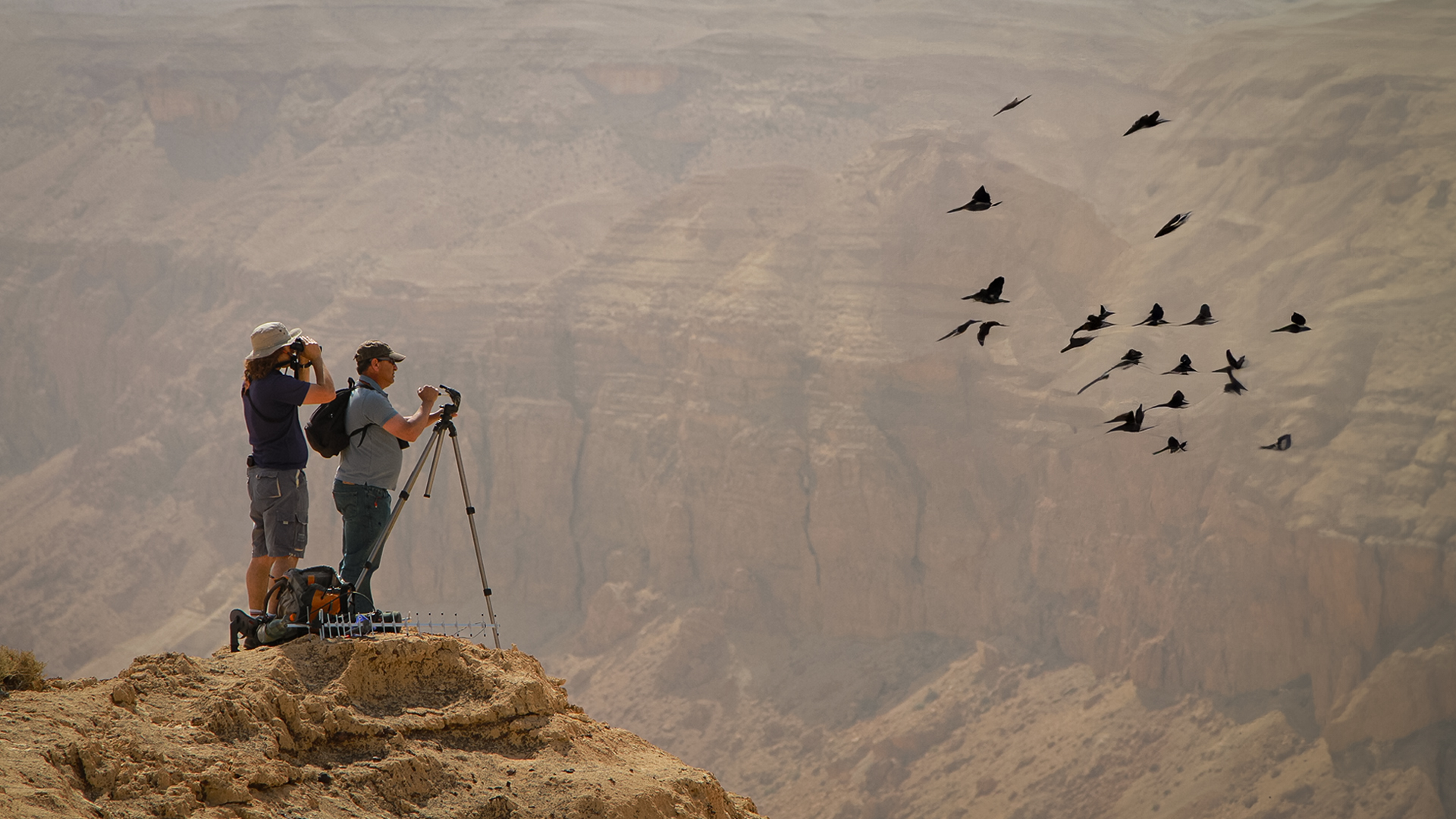
Each year in spring, Israel witnesses a unique spectacle. Many millions of migrating birds cross the land bridge between Africa, Asia and Europe.Their first major roosting place after an exhausting nonstop flight over the African deserts is in southern Israel – a vital stopover. Here they replenish their energy reserves. The flocks of migrating birds are pursued by flocks of ornithologists. Hundreds of birders flood into the port city of Eilat on the Red Sea to take part in the Migration Festival. For a week, Israel's southernmost coastal resort is home to international scientists and amateur birders.

2025-12-19 06:40:41 +0000 UTC2025-12-19 07:41:05 +0000 UTC (1h)
Children of the Sun

Children of the Sun

Most people associate honey producing insects with the name “BEE“. Few realize that there are over 560 different species of bees - most of them live their lives “busy as a bee“ but some “abuse“ other insects and others are even known to be murderers. The film “Wild Bees” shows the incredible diversity and the stunning adaptations of our “BEES” to various habitats and diverse living conditions. Fascinating fights, sensational performances, imposing structures and colorful individuals – the world of “Wild Bees” offers all of this and more.

2025-12-19 04:37:24 +0000 UTC2025-12-19 05:39:04 +0000 UTC (1h1m)
North America's National Parks

North America's National Parks

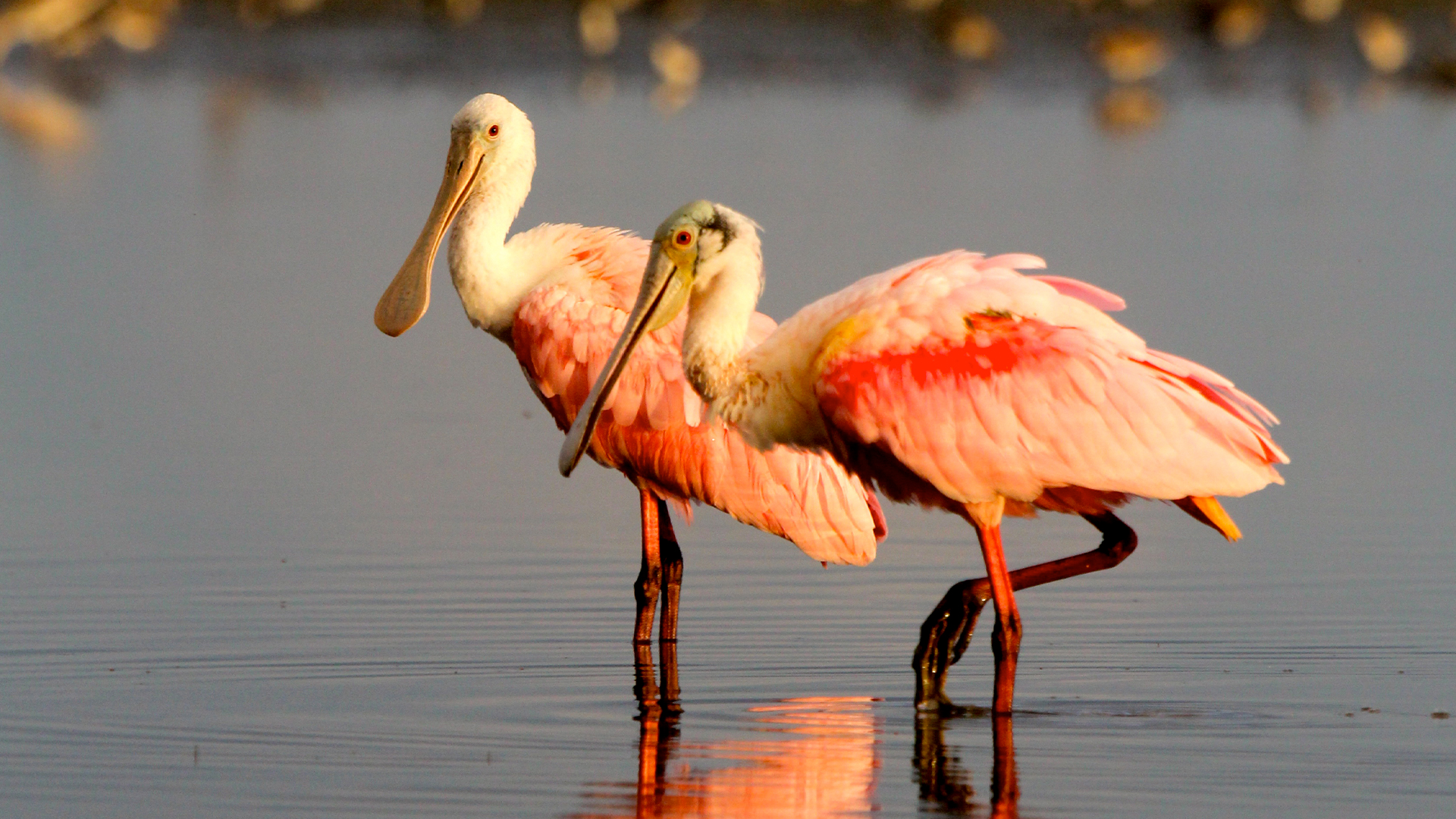
North America's National Parks are world famous and their breathtaking landscapes fascinate millions of visitors. This spectacular series will show you what happens beyond the lookouts. Everglades National Park is an American national park that protects the southern twenty percent of the original Everglades in Florida. The park is the largest tropical wilderness in the United States, and the largest wilderness of any kind east of the Mississippi River. An average of one million people visit the park each year. Everglades is the third-largest national park in the contiguous United States after Death Valley and Yellowstone. UNESCO declared the Everglades & Dry Tortugas Biosphere Reserve in 1976, and listed the park as a World Heritage Site in 1979, while the Ramsar Convention included the park on its list of Wetlands of International Importance in 1987. Everglades is one of only three locations in the world to appear on all three lists.

2025-12-18 22:50:49 +0000 UTC2025-12-18 23:47:39 +0000 UTC (56m)
North America's National Parks

North America's National Parks

Olympic National Park is an American national park located in the State of Washington, on the Olympic Peninsula. The park has four regions: the Pacific coastline, alpine areas, the west side temperate rainforest and the forests of the drier east side. Within the park there are three distinct ecosystems which are subalpine forest and wildflower meadow, temperate forest, and the rugged Pacific coast. President Theodore Roosevelt originally designated Mount Olympus National Monument on 2 March 1909. The monument was redesignated as a national park by Congress and President Franklin Roosevelt on June 29, 1938. In 1976, Olympic National Park was designated by UNESCO as an International Biosphere Reserve, and in 1981 as a World Heritage Site. In 1988, Congress designated 95 percent of the park as the Olympic Wilderness.

2025-12-18 21:53:57 +0000 UTC2025-12-18 22:50:49 +0000 UTC (56m)
North America's National Parks

North America's National Parks

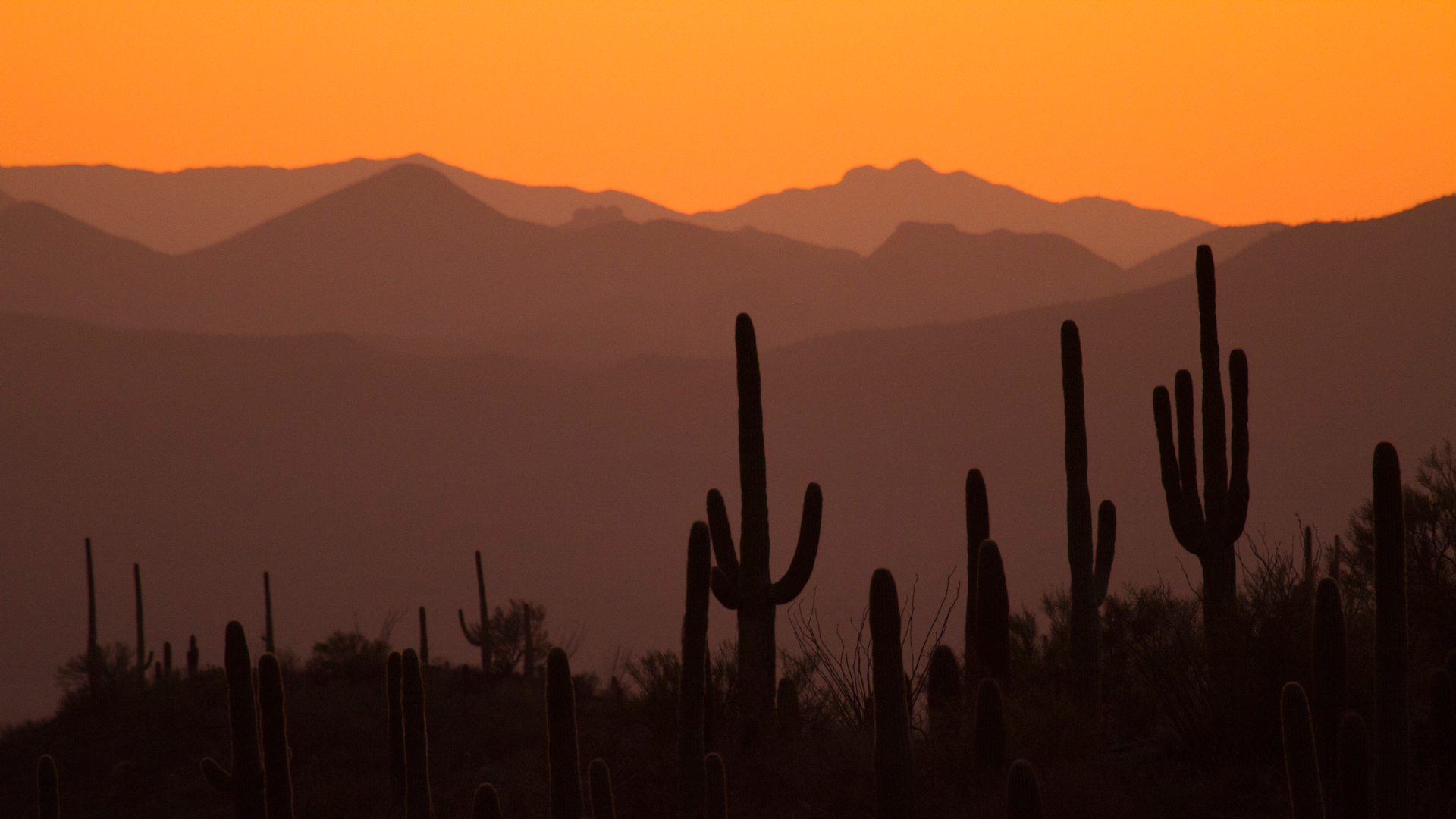
Saguaro National Park is an American national park in Pima County, southeastern Arizona. The 92,000-acre (37,000 ha) park consists of two separate areas—the Tucson Mountain District (TMD) about 10 miles west of the city of Tucson and the Rincon Mountain District (RMD) about 10 miles east of the city—that preserve Sonoran Desert landscapes, fauna, and flora, including the giant saguaro cactus.An inventory of medium and large mammals in the park confirmed the presence of 30 species in Saguaro National Park between 1999 and 2008. Of these, 21 were found in the Tucson Mountain District and 29 in the Rincon Mountain District. A partial list of the park's mammals includes cougars, coyotes, bobcats, white-tailed deer, mule deer, javelinas, gray foxes, black-tailed jackrabbits, desert cottontails, ring-tailed cats, white-nosed coatis, ground squirrels, and packrats. One endangered mammal, the lesser long-nosed bat, lives part of the year in the park and part of the year in Mexico.

2025-12-18 20:57:01 +0000 UTC2025-12-18 21:53:57 +0000 UTC (56m)
North America's National Parks

North America's National Parks

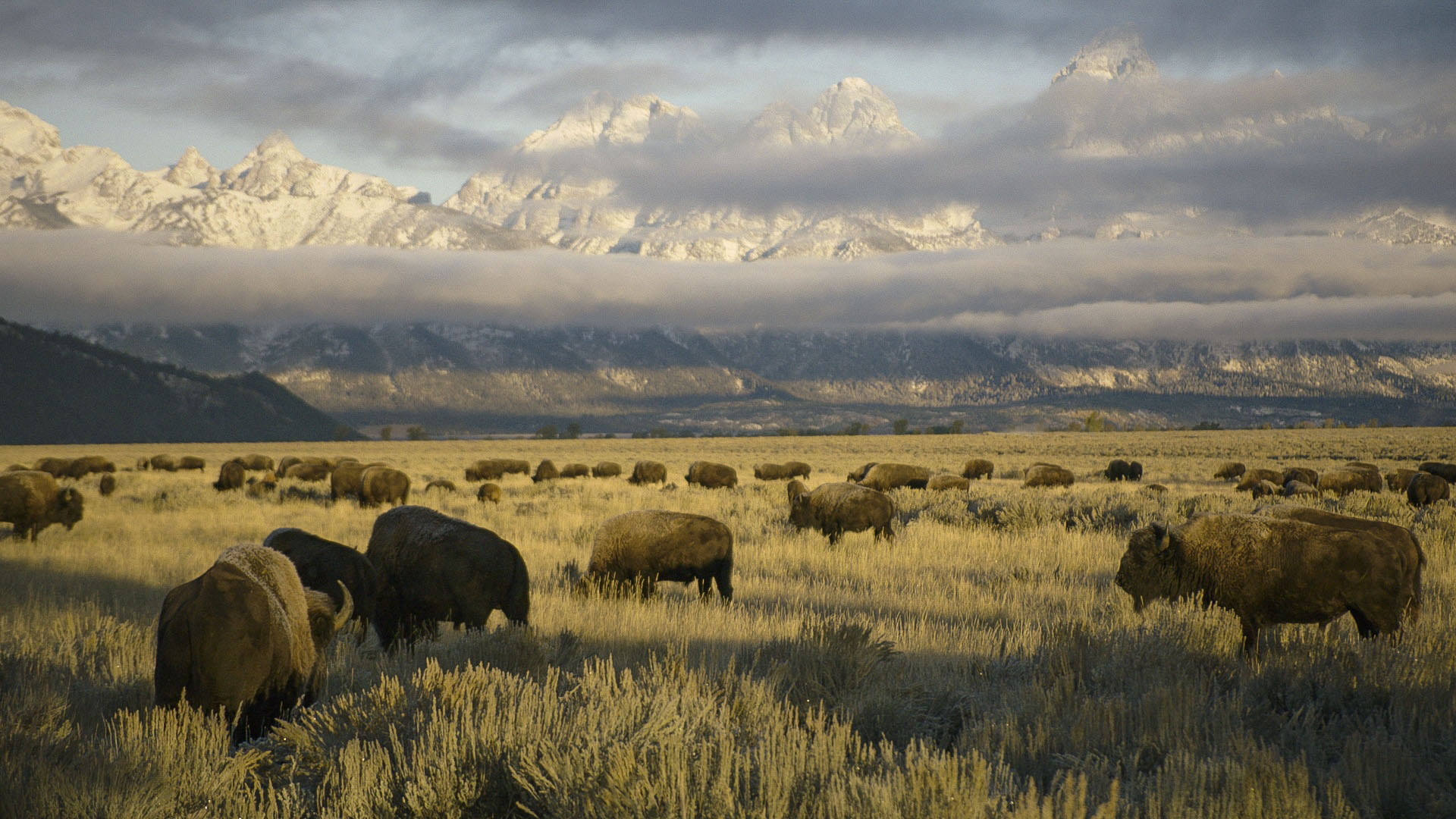
Yellowstone National Park is an American national park located in the western United States, largely in the northwest corner of Wyoming and extending into Montana, and Idaho. It was established by the U.S. Congress and signed into law by President Ulysses S. Grant on March 1, 1872. Yellowstone was the first national park in the U.S. and is also widely held to be the first national park in the world. The park is known for its wildlife and its many geothermal features, especially Old Faithful geyser, one of its most popular. While it represents many types of biomes, the subalpine forest is the most abundant. It is part of the South Central Rockies forests ecoregion.

2025-12-18 19:03:25 +0000 UTC2025-12-18 20:00:15 +0000 UTC (56m)
North America's National Parks

North America's National Parks

Great Smoky Mountains National Park is an American national park in the southeastern United States, with parts in Tennessee and North Carolina. The park straddles the ridgeline of the Great Smoky Mountains, part of the Blue Ridge Mountains, which are a division of the larger Appalachian Mountain chain. The park contains some of the highest mountains in eastern North America, including Clingmans Dome, Mount Guyot, and Mount Le Conte. The border between the two states runs northeast to southwest through the center of the park. The Appalachian Trail passes through the center of the park on its route from Georgia to Maine. With 12.5 million visitors in 2019, the Great Smoky Mountains National Park is the most visited national park in the United States.

2025-12-18 18:06:35 +0000 UTC2025-12-18 19:03:25 +0000 UTC (56m)
North America's National Parks

North America's National Parks

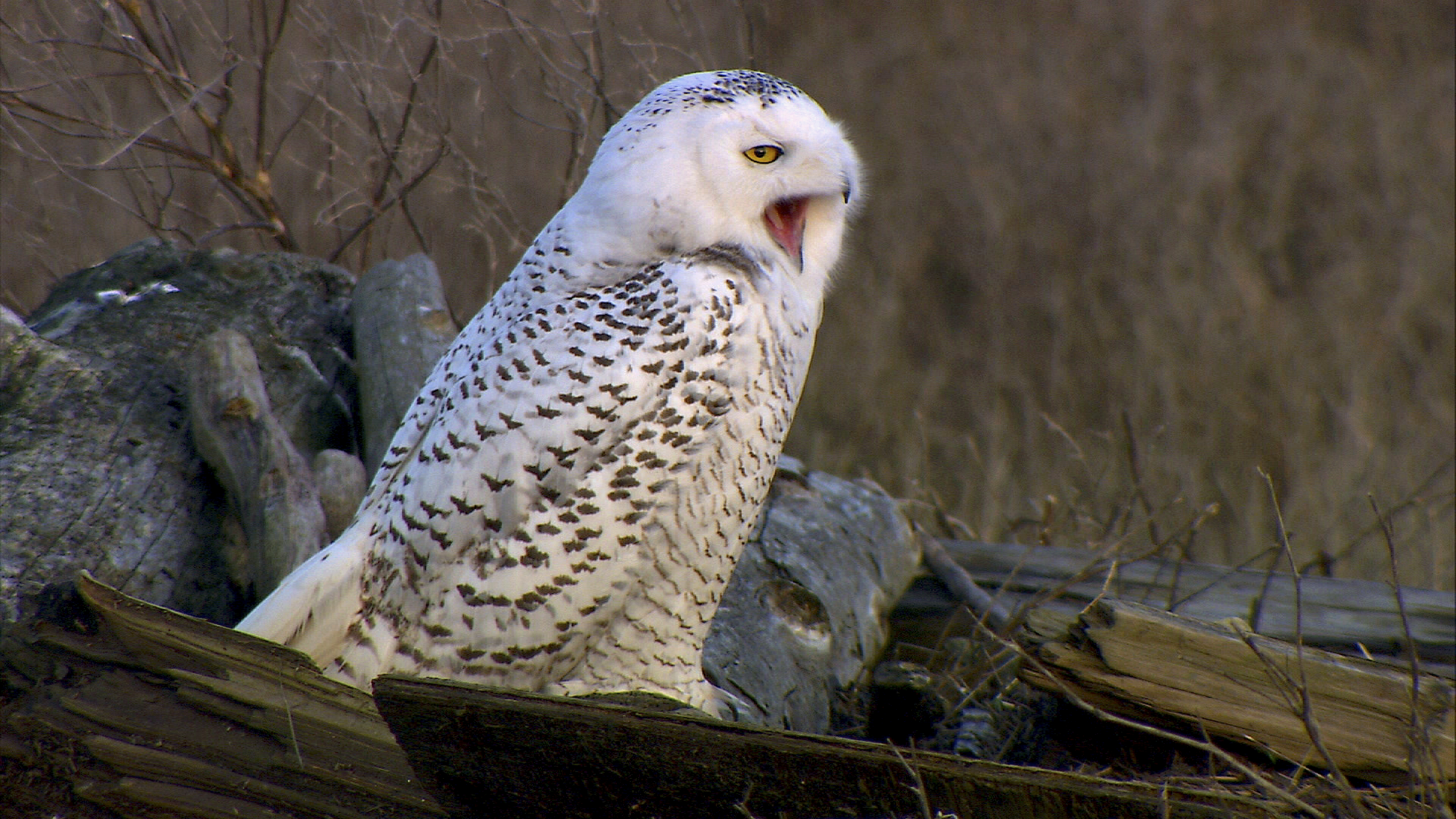
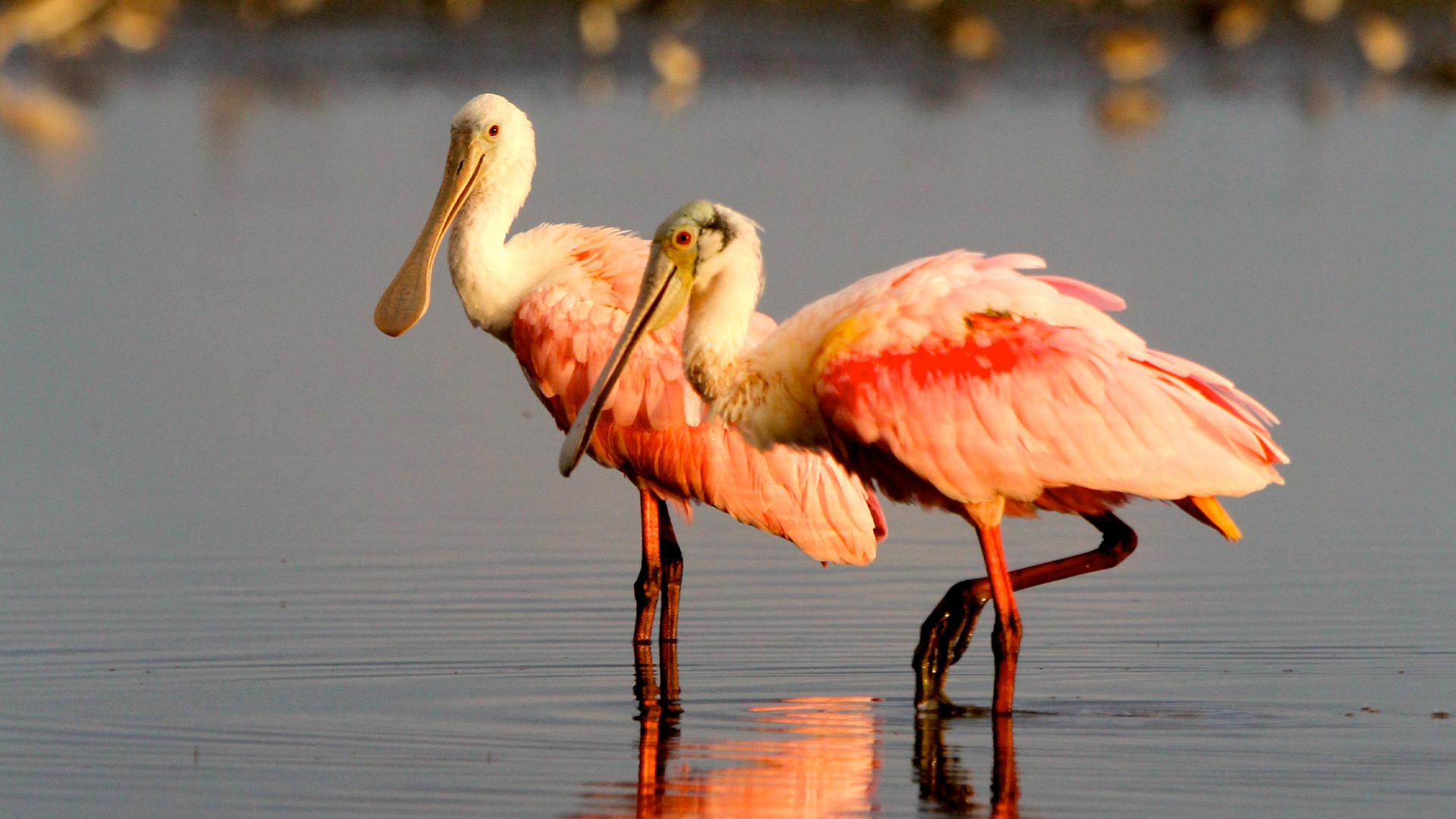
Gates of the Arctic National Park and Preserve is an American national park that protects portions of the Brooks Range in northern Alaska. The park is the northernmost national park in the United States, situated entirely north of the Arctic Circle. The park is the second largest in the US, slightly larger in area than Belgium. Gates of the Arctic was initially designated as a national monument on December 1, 1978, before being redesignated as a national park and preserve upon passage of the Alaska National Interest Lands Conservation Act in 1980. A large part of the park has additional protection as the Gates of the Arctic Wilderness that adjoins the Noatak Wilderness. They form the largest contiguous wilderness in the United States together. Fauna include brown bears, black bears, muskoxen, moose, Dall sheep, timber wolves, wolverines, coyotes, lynxes, marmots, porcupines, river otters, red and Arctic fox species, beavers, snowshoe hares, muskrats, bald eagles, golden eagles, peregrine falcons, ospreys, great horned and northern hawk-owls. More than half a million caribou, including the Central Arctic, Western Arctic, Teshekpuk, and Porcupine herds, migrate through the central Brooks Range twice yearly, traveling north in summer, and south in winter. Caribou are important as a food source to native peoples. The park is the northernmost range limit for the Dall sheep. About 132 brown bears reside in the park and preserve, based on a density of about one bear per 100 square miles.
2025-12-18 17:09:41 +0000 UTC2025-12-18 18:06:35 +0000 UTC (56m)
King of the Mountains

King of the Mountains

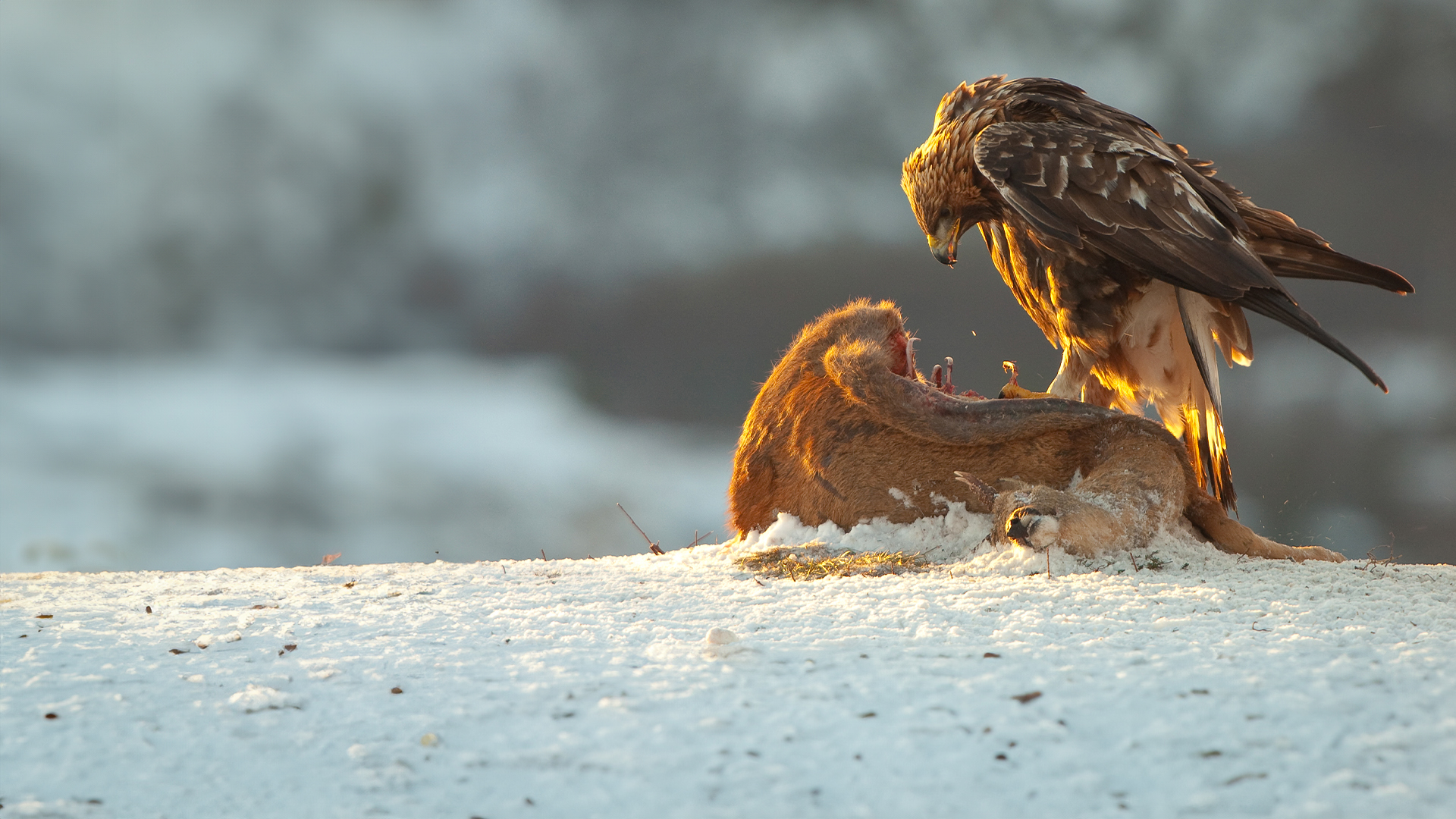
Aerial shots of mating Golden eagles, a clash between a Golden and a White-tailed eagle, and an intimate glimpse into their nesting grounds combine to create a spectacular film. Tracking these majestic birds reveals the wild nature of their hunting grounds, showcasing the diverse animal and plant life that share their habitat with the 'king of the skies.' Viewers are brought up close as the eagle effortlessly glides over forests and canyons, abruptly diving in a breathtaking pursuit of prey. Witnessing these birds in their natural habitats is witnessing them at their finest. Embark on a magnificent journey through the skies and landscapes with us.

2025-12-18 09:25:25 +0000 UTC2025-12-18 10:24:18 +0000 UTC (58m)
North America's National Parks

North America's National Parks

North America's National Parks are world famous and their breathtaking landscapes fascinate millions of visitors. This spectacular series will show you what happens beyond the lookouts. Everglades National Park is an American national park that protects the southern twenty percent of the original Everglades in Florida. The park is the largest tropical wilderness in the United States, and the largest wilderness of any kind east of the Mississippi River. An average of one million people visit the park each year. Everglades is the third-largest national park in the contiguous United States after Death Valley and Yellowstone. UNESCO declared the Everglades & Dry Tortugas Biosphere Reserve in 1976, and listed the park as a World Heritage Site in 1979, while the Ramsar Convention included the park on its list of Wetlands of International Importance in 1987. Everglades is one of only three locations in the world to appear on all three lists.

2025-12-18 08:28:35 +0000 UTC2025-12-18 09:25:25 +0000 UTC (56m)