Live & Upcoming Programmes

North America's National Parks

North America's National Parks

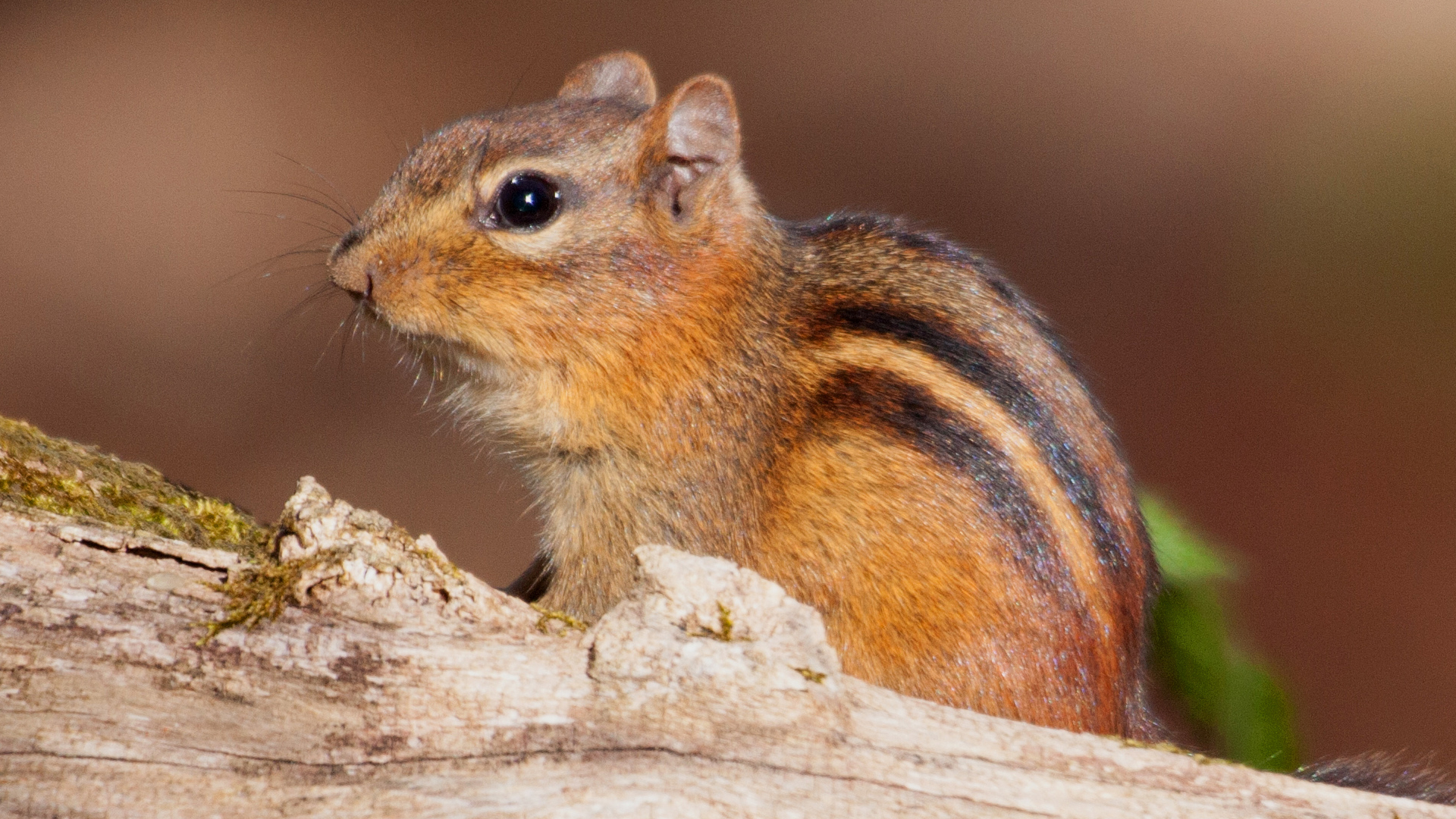
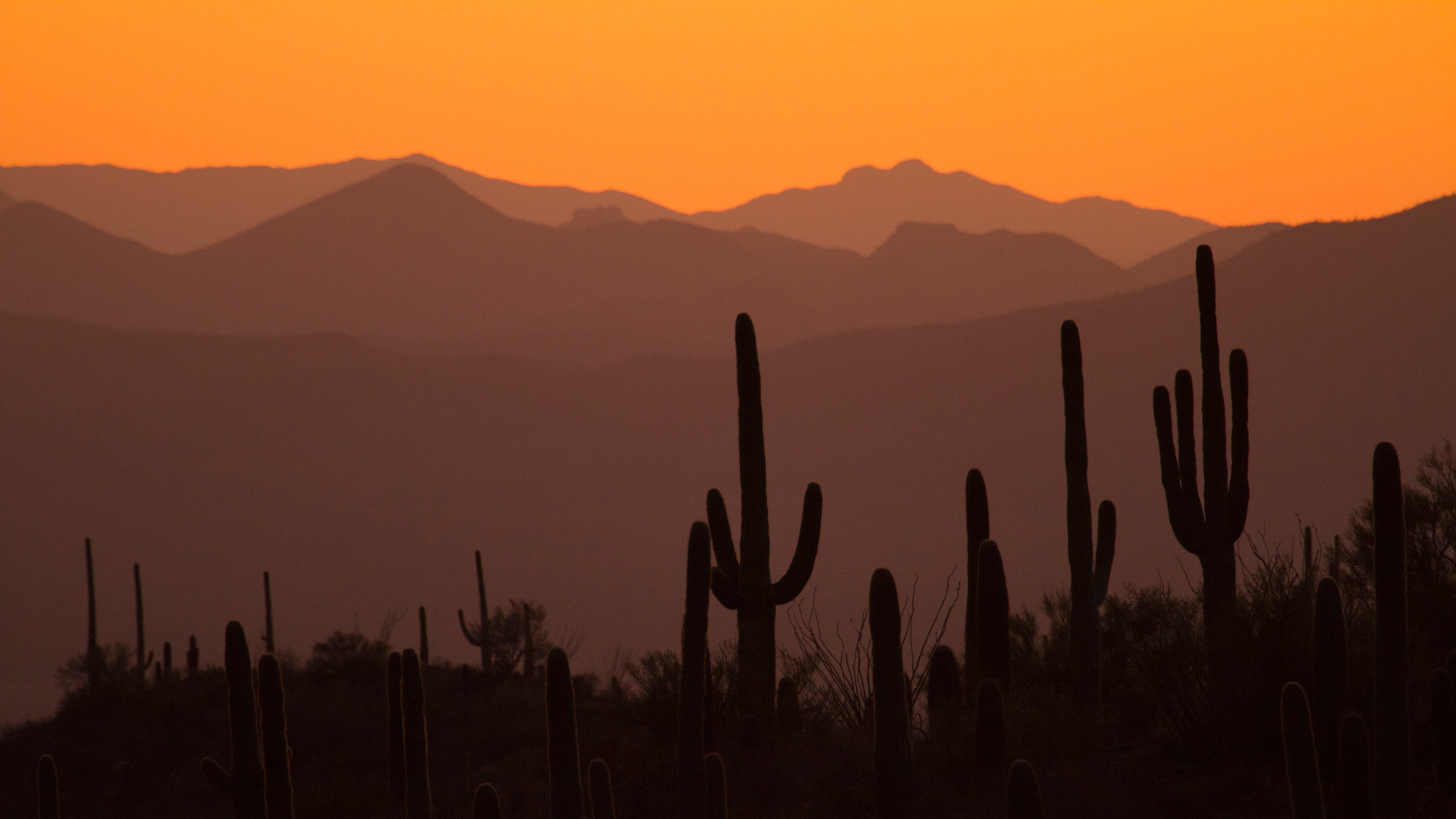
Saguaro National Park is an American national park in Pima County, southeastern Arizona. The 92,000-acre (37,000 ha) park consists of two separate areas—the Tucson Mountain District (TMD) about 10 miles west of the city of Tucson and the Rincon Mountain District (RMD) about 10 miles east of the city—that preserve Sonoran Desert landscapes, fauna, and flora, including the giant saguaro cactus.An inventory of medium and large mammals in the park confirmed the presence of 30 species in Saguaro National Park between 1999 and 2008. Of these, 21 were found in the Tucson Mountain District and 29 in the Rincon Mountain District. A partial list of the park's mammals includes cougars, coyotes, bobcats, white-tailed deer, mule deer, javelinas, gray foxes, black-tailed jackrabbits, desert cottontails, ring-tailed cats, white-nosed coatis, ground squirrels, and packrats. One endangered mammal, the lesser long-nosed bat, lives part of the year in the park and part of the year in Mexico.
2025-12-11 09:45:15 +0000 UTC2025-12-11 10:42:11 +0000 UTC (56m)
North America's National Parks

North America's National Parks

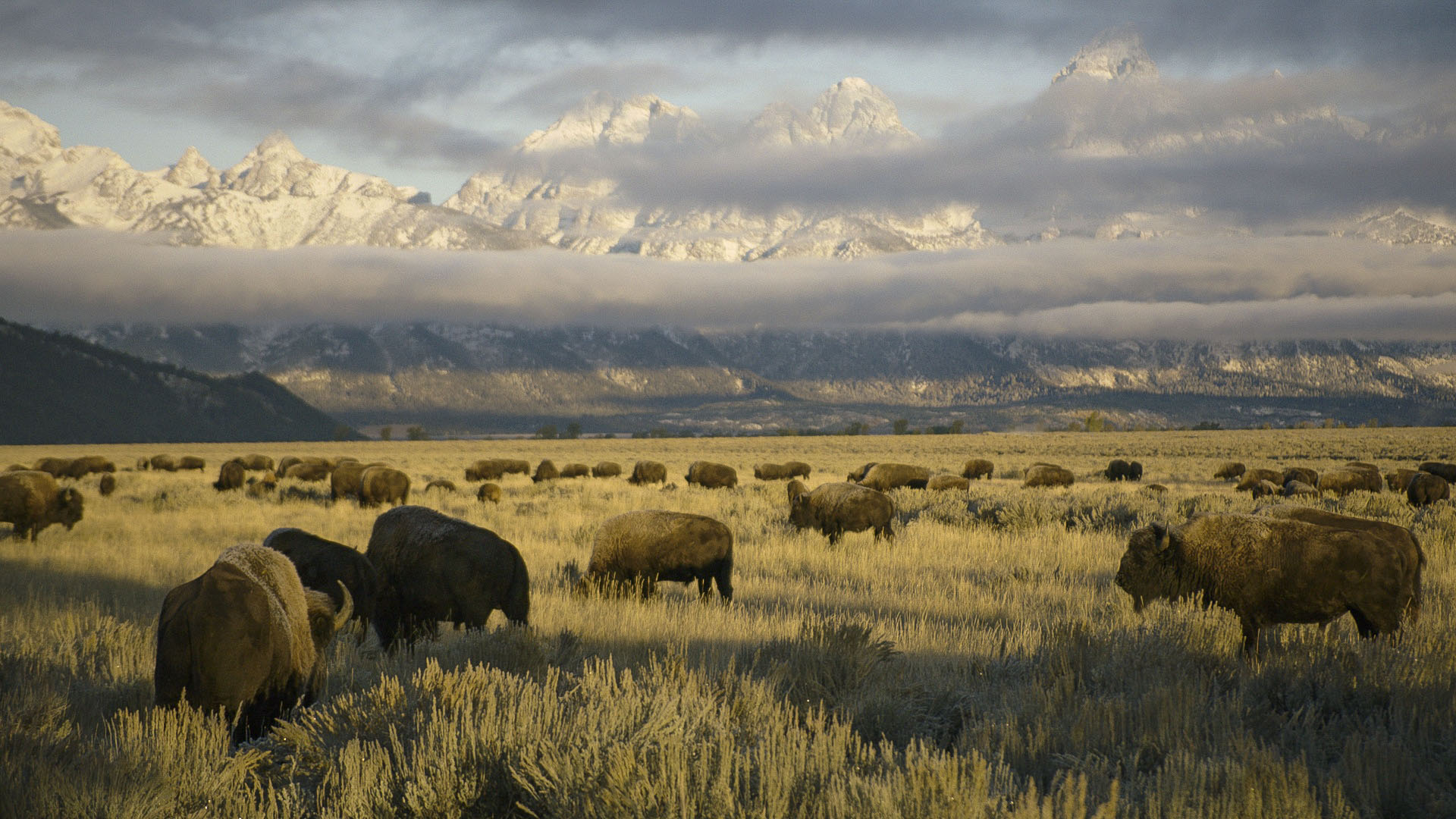
Yellowstone National Park is an American national park located in the western United States, largely in the northwest corner of Wyoming and extending into Montana, and Idaho. It was established by the U.S. Congress and signed into law by President Ulysses S. Grant on March 1, 1872. Yellowstone was the first national park in the U.S. and is also widely held to be the first national park in the world. The park is known for its wildlife and its many geothermal features, especially Old Faithful geyser, one of its most popular. While it represents many types of biomes, the subalpine forest is the most abundant. It is part of the South Central Rockies forests ecoregion.

2025-12-11 07:51:39 +0000 UTC2025-12-11 08:48:29 +0000 UTC (56m)
North America's National Parks

North America's National Parks

Great Smoky Mountains National Park is an American national park in the southeastern United States, with parts in Tennessee and North Carolina. The park straddles the ridgeline of the Great Smoky Mountains, part of the Blue Ridge Mountains, which are a division of the larger Appalachian Mountain chain. The park contains some of the highest mountains in eastern North America, including Clingmans Dome, Mount Guyot, and Mount Le Conte. The border between the two states runs northeast to southwest through the center of the park. The Appalachian Trail passes through the center of the park on its route from Georgia to Maine. With 12.5 million visitors in 2019, the Great Smoky Mountains National Park is the most visited national park in the United States.

2025-12-11 06:54:49 +0000 UTC2025-12-11 07:51:39 +0000 UTC (56m)
North America's National Parks

North America's National Parks

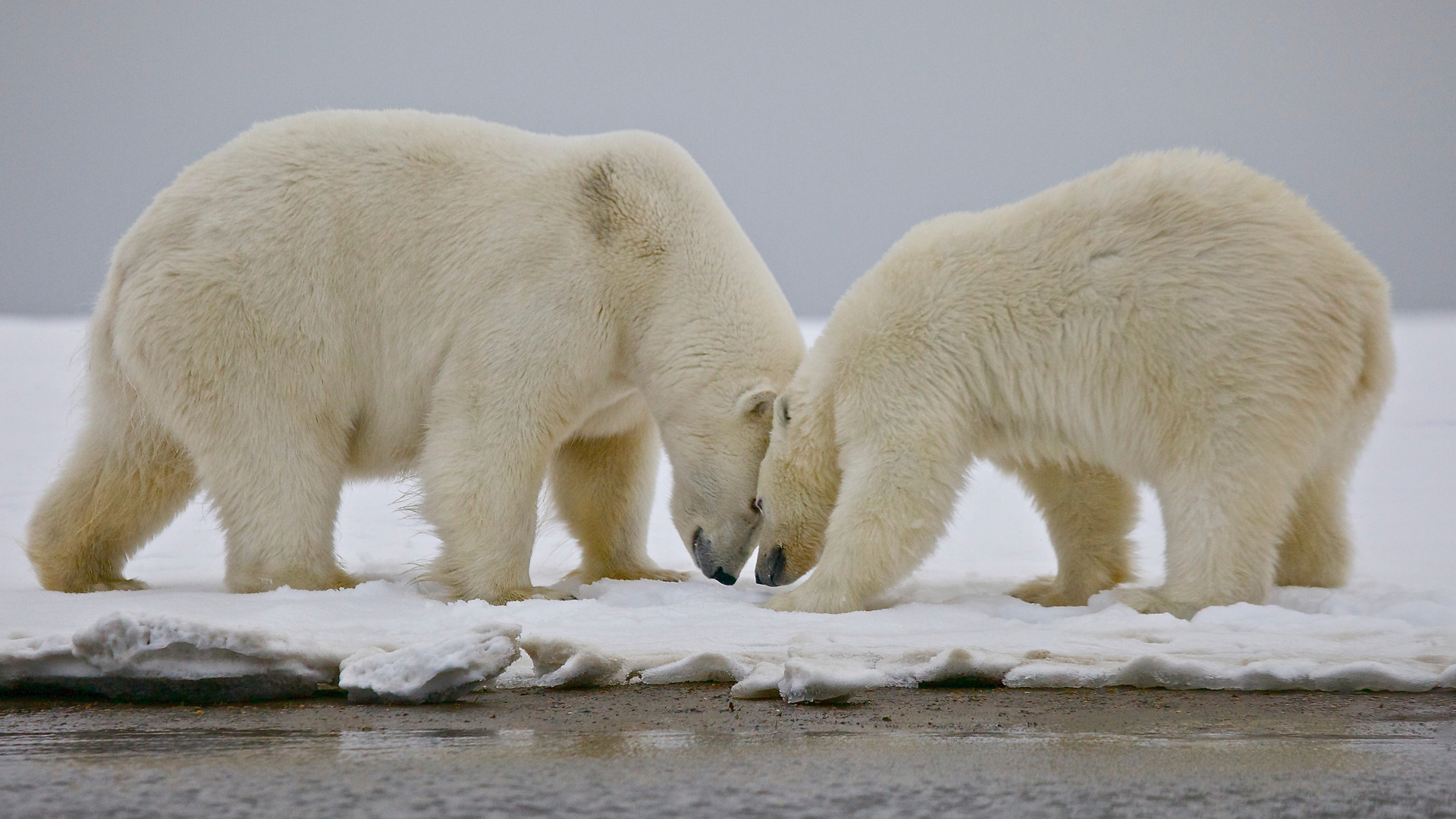
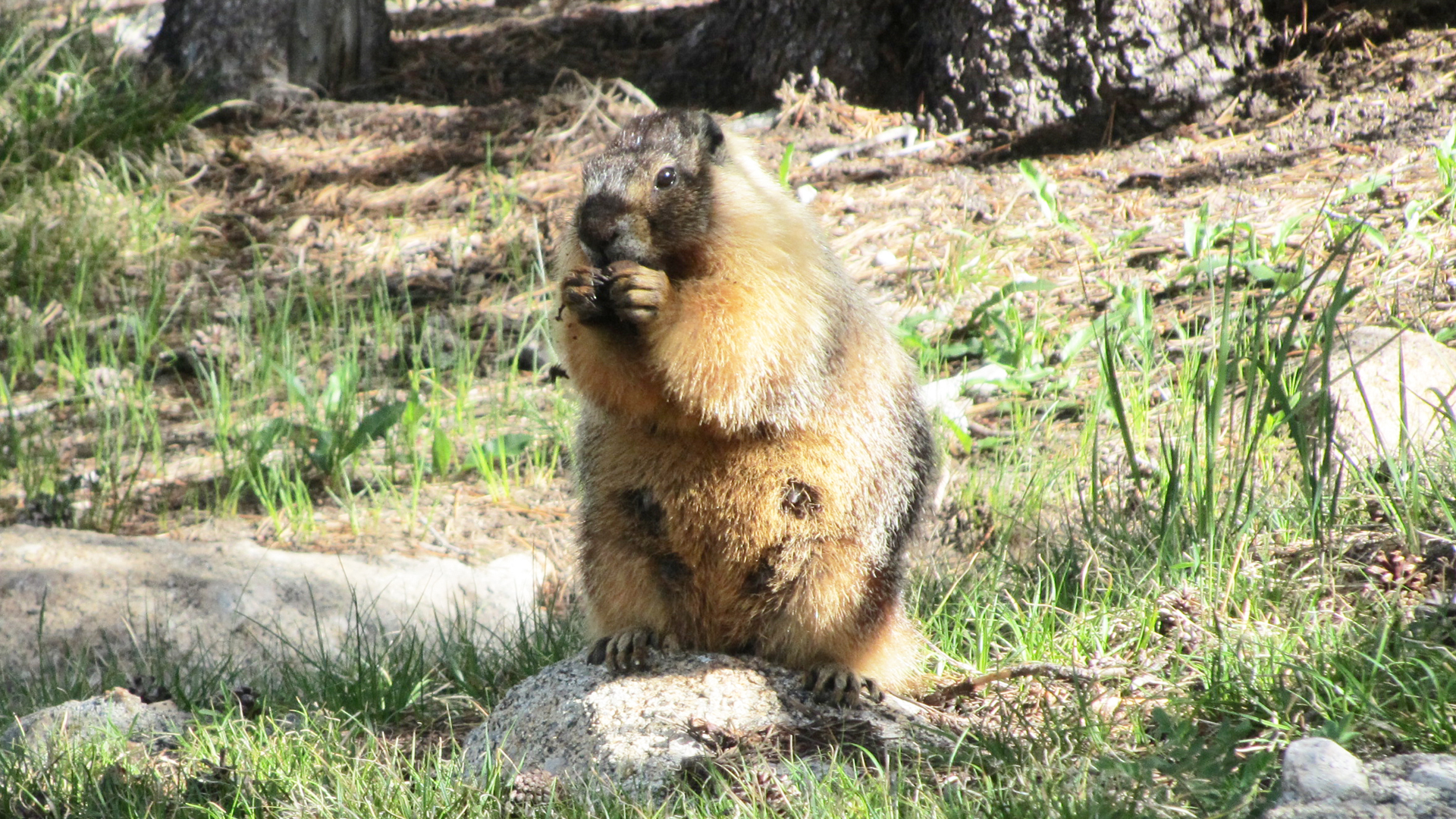
Gates of the Arctic National Park and Preserve is an American national park that protects portions of the Brooks Range in northern Alaska. The park is the northernmost national park in the United States, situated entirely north of the Arctic Circle. The park is the second largest in the US, slightly larger in area than Belgium. Gates of the Arctic was initially designated as a national monument on December 1, 1978, before being redesignated as a national park and preserve upon passage of the Alaska National Interest Lands Conservation Act in 1980. A large part of the park has additional protection as the Gates of the Arctic Wilderness that adjoins the Noatak Wilderness. They form the largest contiguous wilderness in the United States together. Fauna include brown bears, black bears, muskoxen, moose, Dall sheep, timber wolves, wolverines, coyotes, lynxes, marmots, porcupines, river otters, red and Arctic fox species, beavers, snowshoe hares, muskrats, bald eagles, golden eagles, peregrine falcons, ospreys, great horned and northern hawk-owls. More than half a million caribou, including the Central Arctic, Western Arctic, Teshekpuk, and Porcupine herds, migrate through the central Brooks Range twice yearly, traveling north in summer, and south in winter. Caribou are important as a food source to native peoples. The park is the northernmost range limit for the Dall sheep. About 132 brown bears reside in the park and preserve, based on a density of about one bear per 100 square miles.

2025-12-11 05:57:55 +0000 UTC2025-12-11 06:54:49 +0000 UTC (56m)
North America's National Parks

North America's National Parks

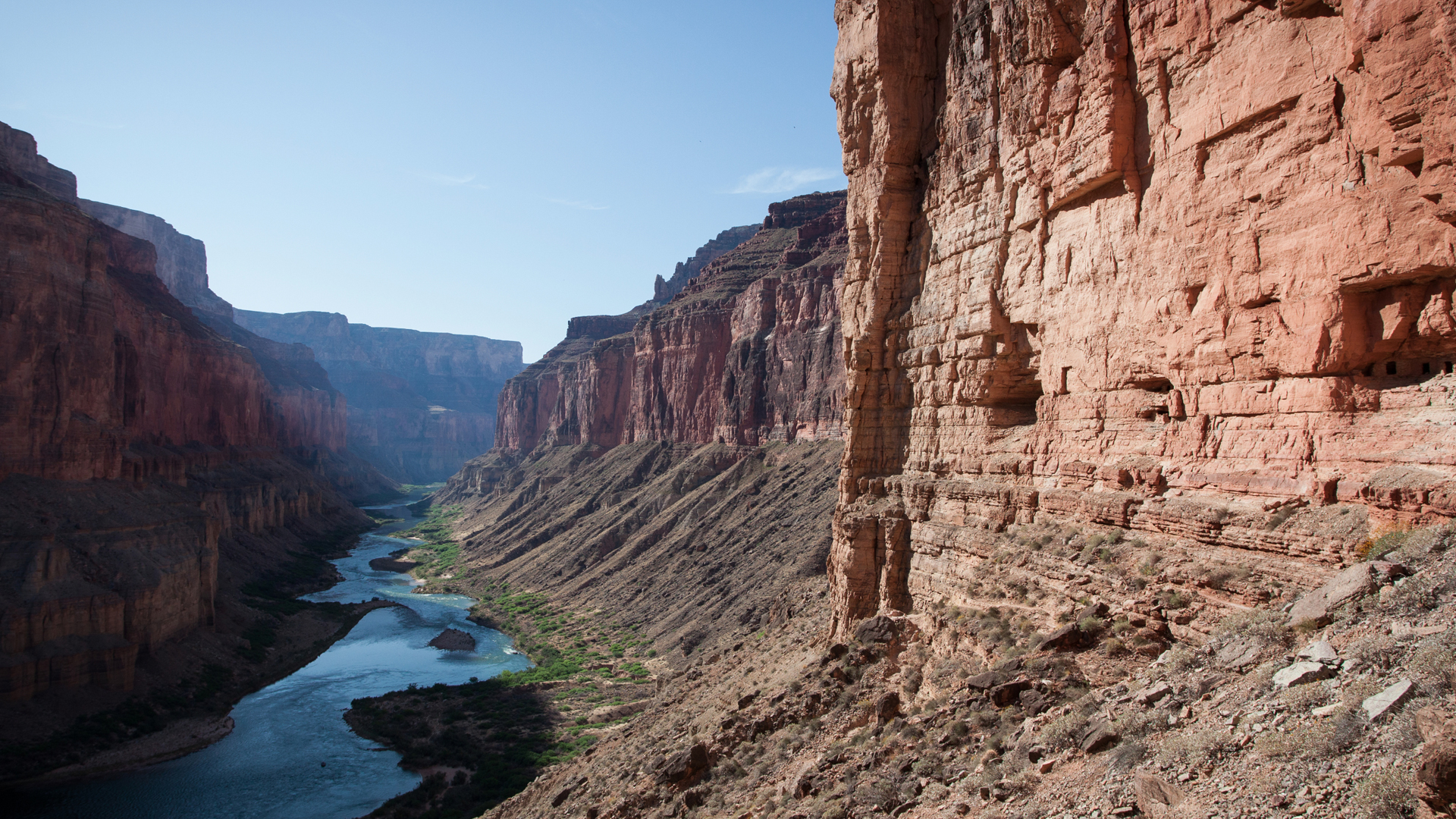
The Grand Canyon is a steep-sided canyon carved by the Colorado River in Arizona, United States. The Grand Canyon is 277 miles (446 km) long, up to 18 miles (29 km) wide and attains a depth of over a mile (6,093 feet or 1,857 meters). The canyon and adjacent rim are contained within Grand Canyon National Park, the Kaibab National Forest, Grand Canyon–Parashant National Monument, the Hualapai Indian Reservation, the Havasupai Indian Reservation and the Navajo Nation. President Theodore Roosevelt was a major proponent of preservation of the Grand Canyon area and visited it on numerous occasions to hunt and enjoy the scenery.

2025-12-11 05:01:09 +0000 UTC2025-12-11 05:57:55 +0000 UTC (56m)
Portugal's Nature Parks

Portugal's Nature Parks

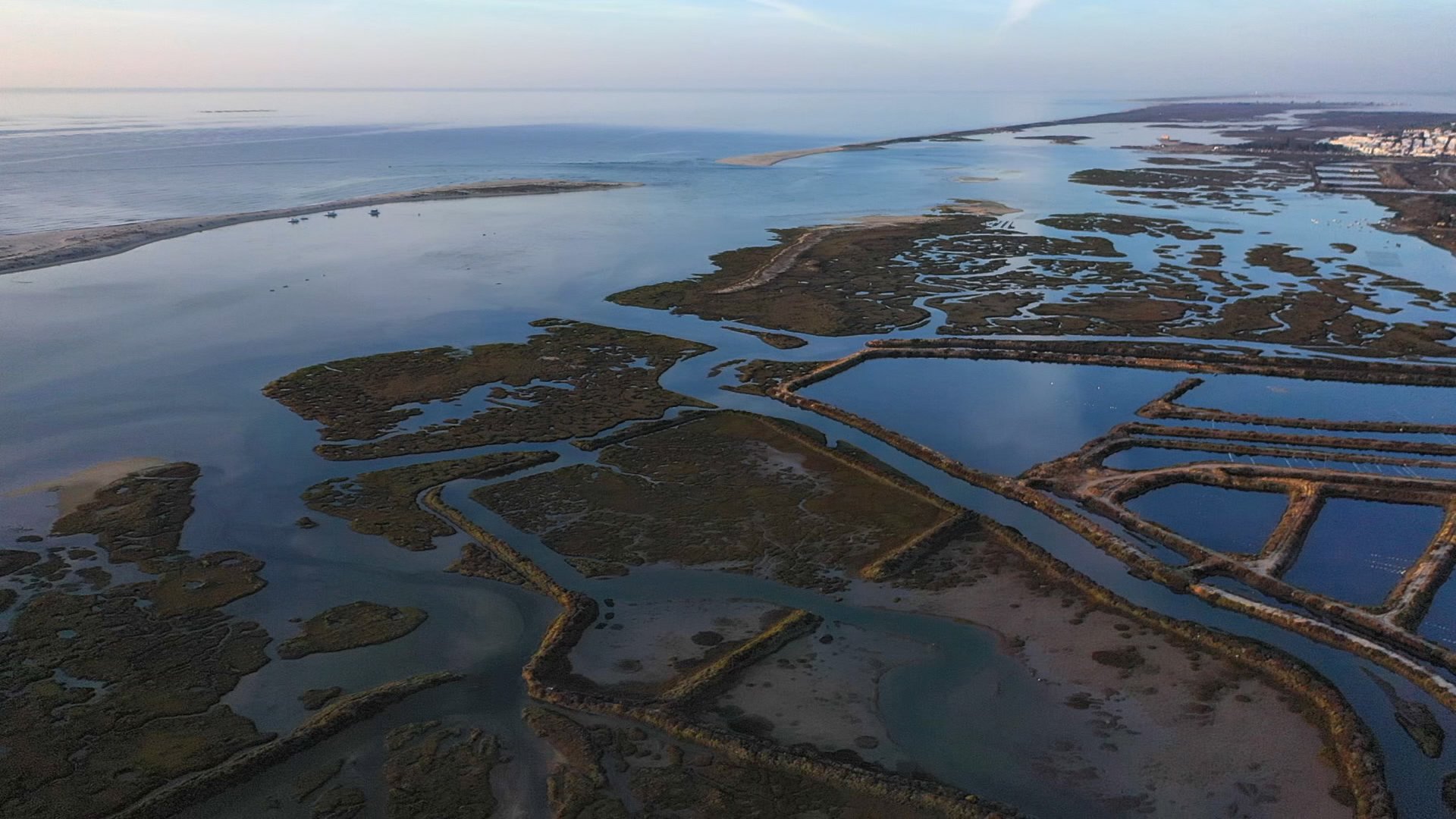
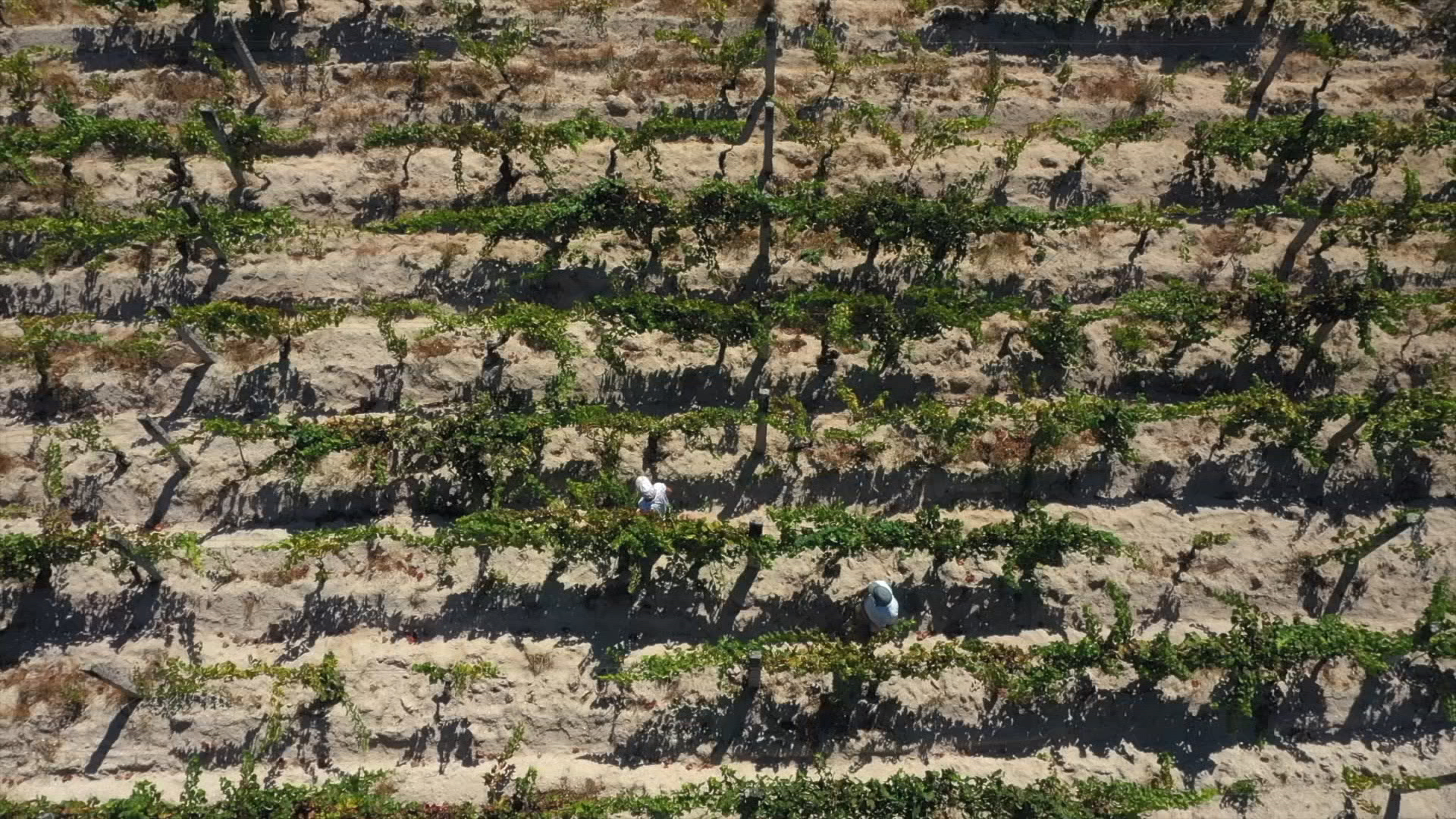
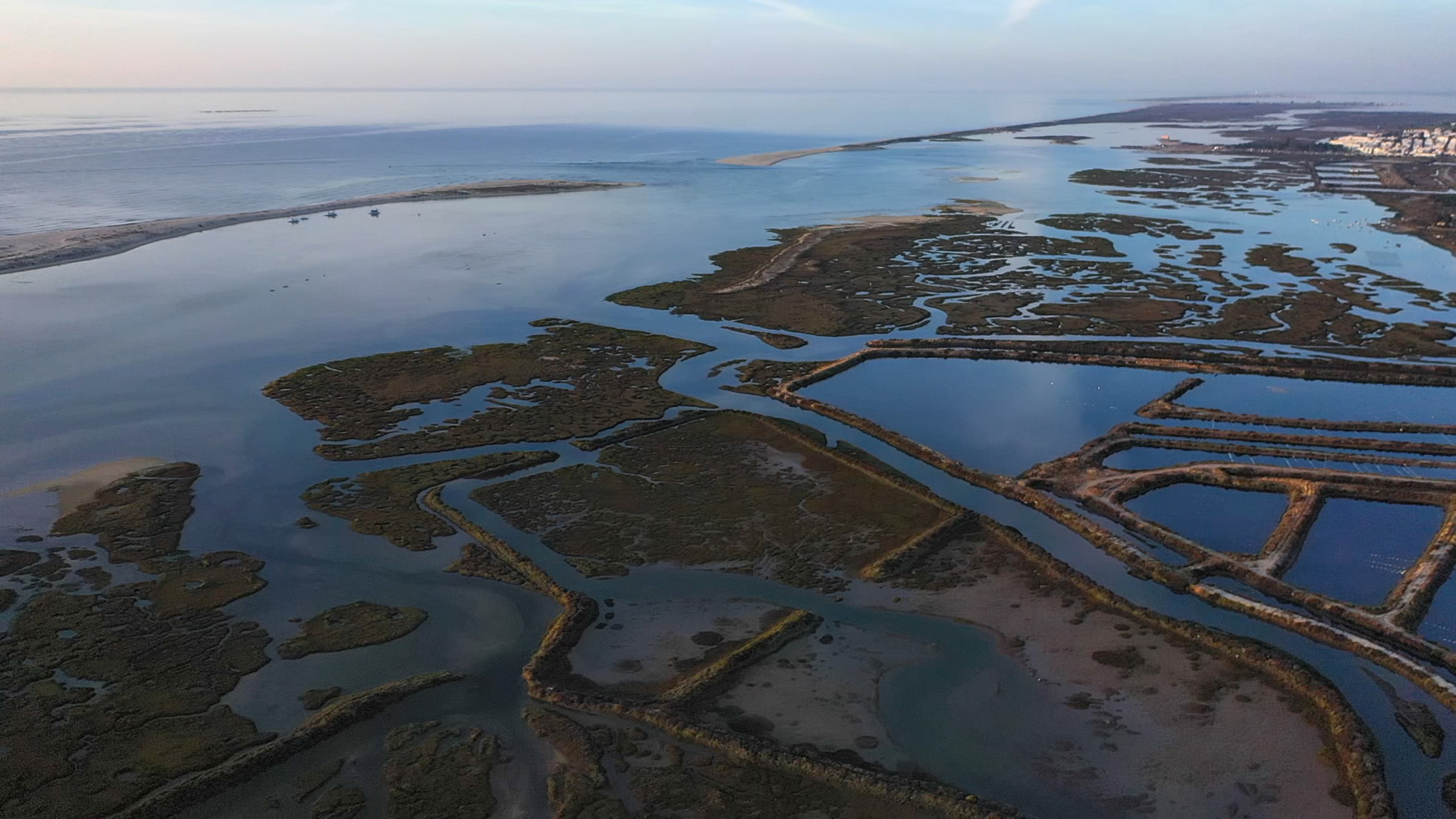
The "Parque Natural da Ria Formosa" is one of the largest lagoon conservation areas in Europe. Bordered by five natural islands. A mosaic of sandbanks, brackish and freshwater lagoons and salt marshes. In 2010, the "Ria Formosa" was chosen as one of the seven natural wonders of Portugal. It is a unique ecosystem: in the winter months, more than 20,000 birds gather here. In addition, the nature park has one of the largest seahorse populations internationally. More than half of all fish species in the Atlantic are said to spawn in the lagoon.

2025-12-10 22:47:34 +0000 UTC2025-12-10 23:48:19 +0000 UTC (1h)
Portugal's Nature Parks

Portugal's Nature Parks

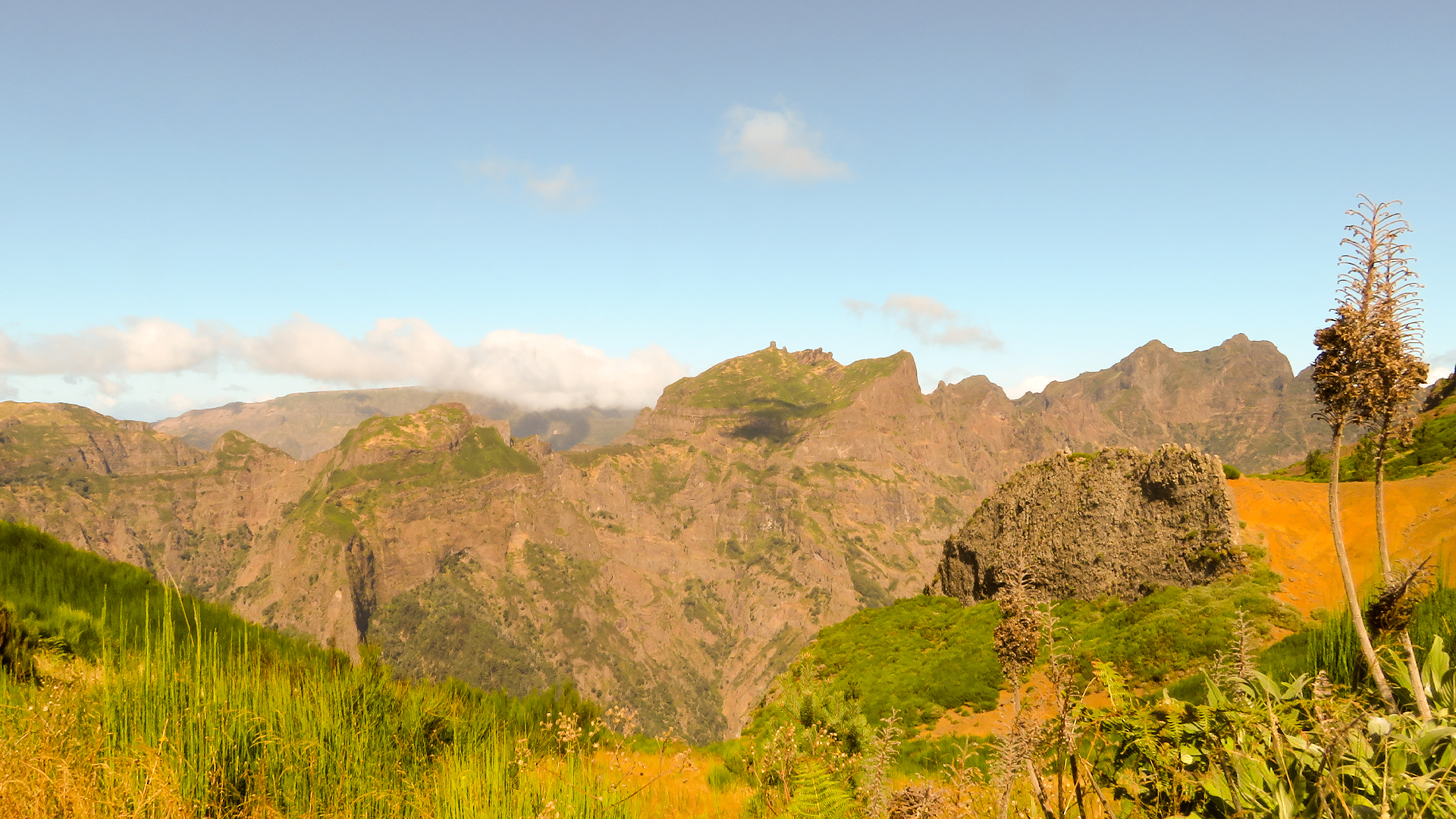
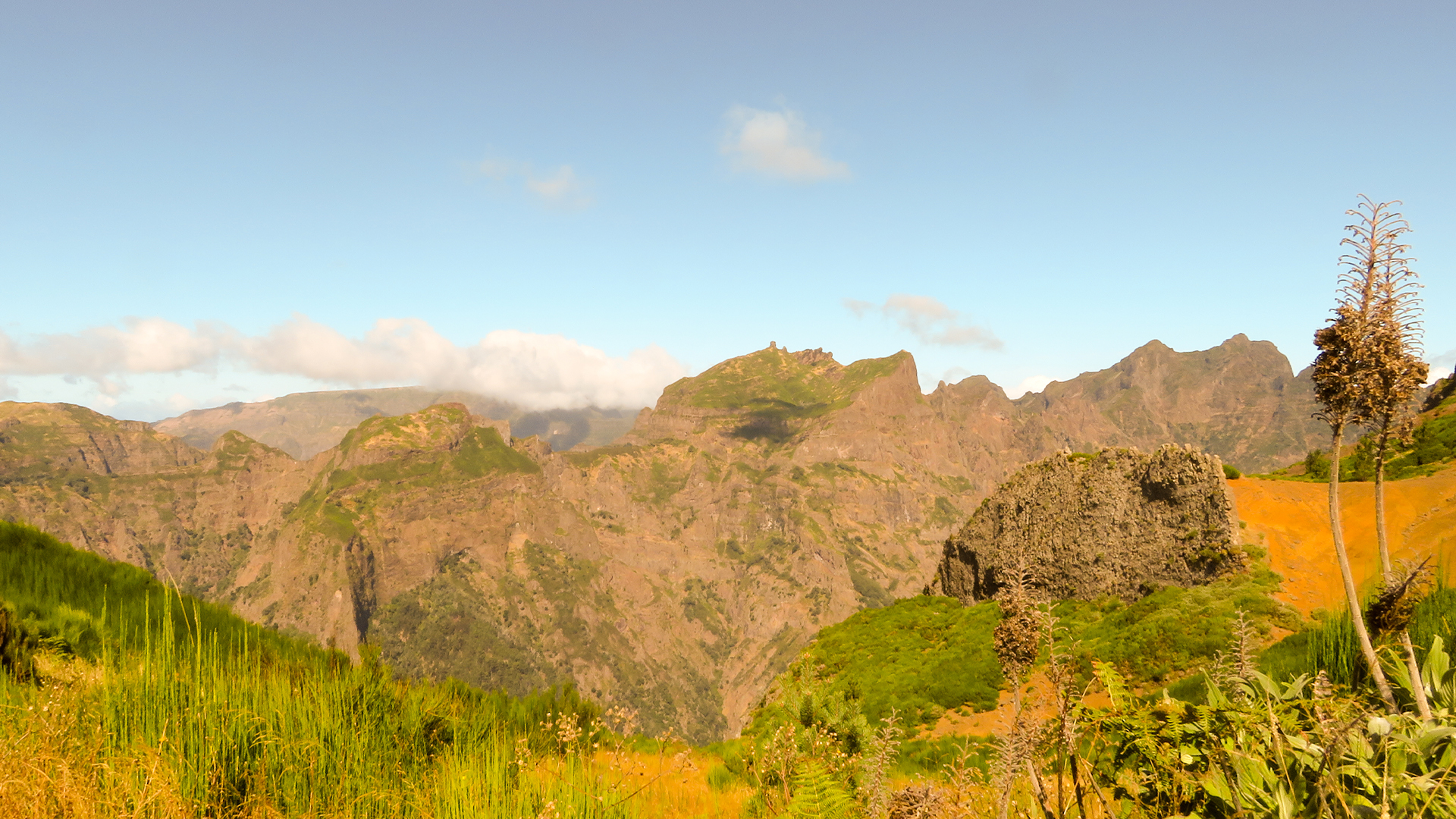
Madeira - Portugal's autonomous island in the Atlantic Ocean, is closer to the African coast than to the mother country Portugal, from which it is separated by about 900 kilometers. The island's name comes from Portuguese sailors who claimed the uninhabited isle for themselves in 1419. Madeira means wood and that was available in abundance. Almost the entire surface was covered by dense forest. Since 1982, two-thirds of the landscape has been protected.

2025-12-10 21:46:58 +0000 UTC2025-12-10 22:47:34 +0000 UTC (1h)
Portugal's Nature Parks

Portugal's Nature Parks

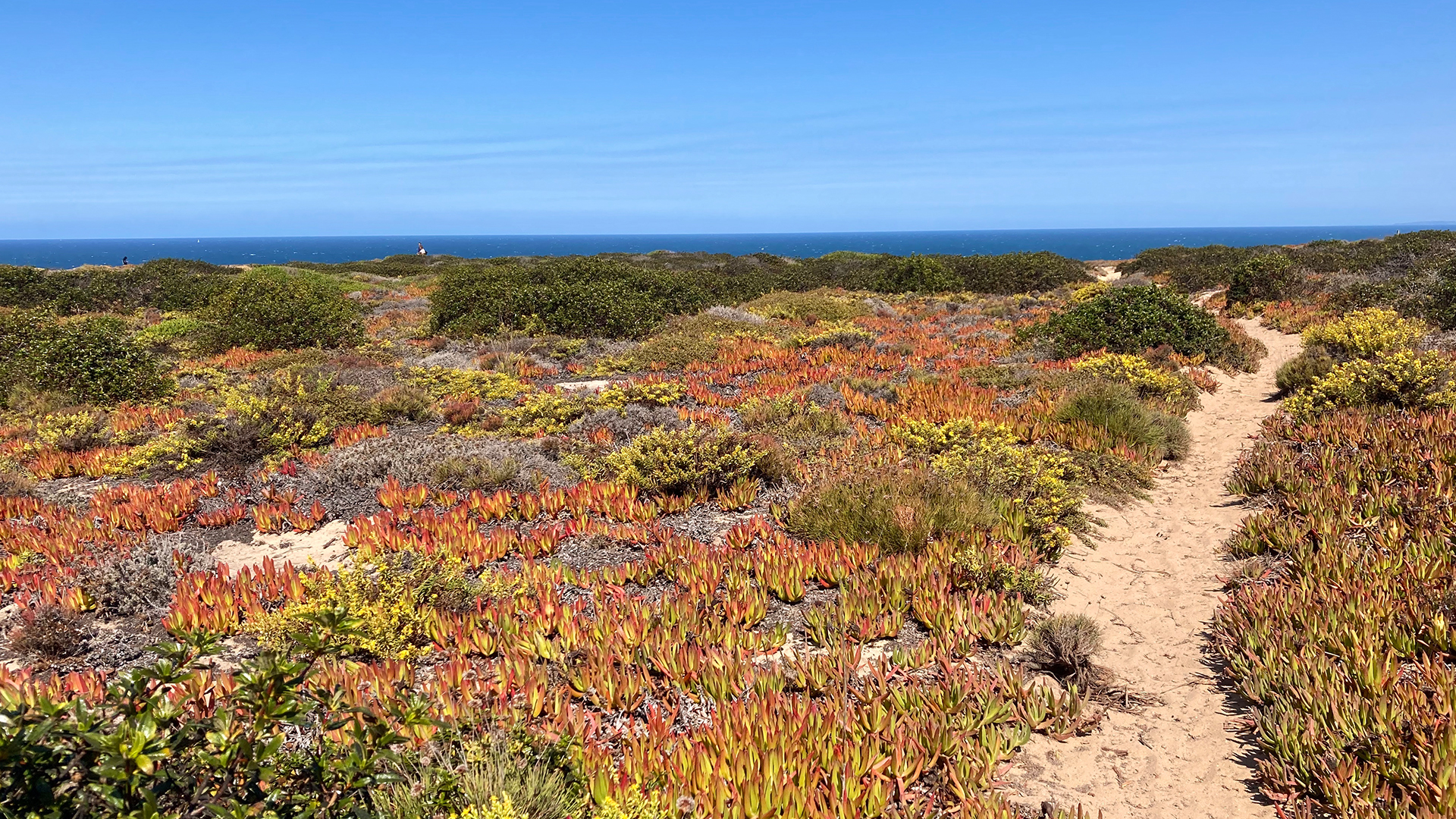
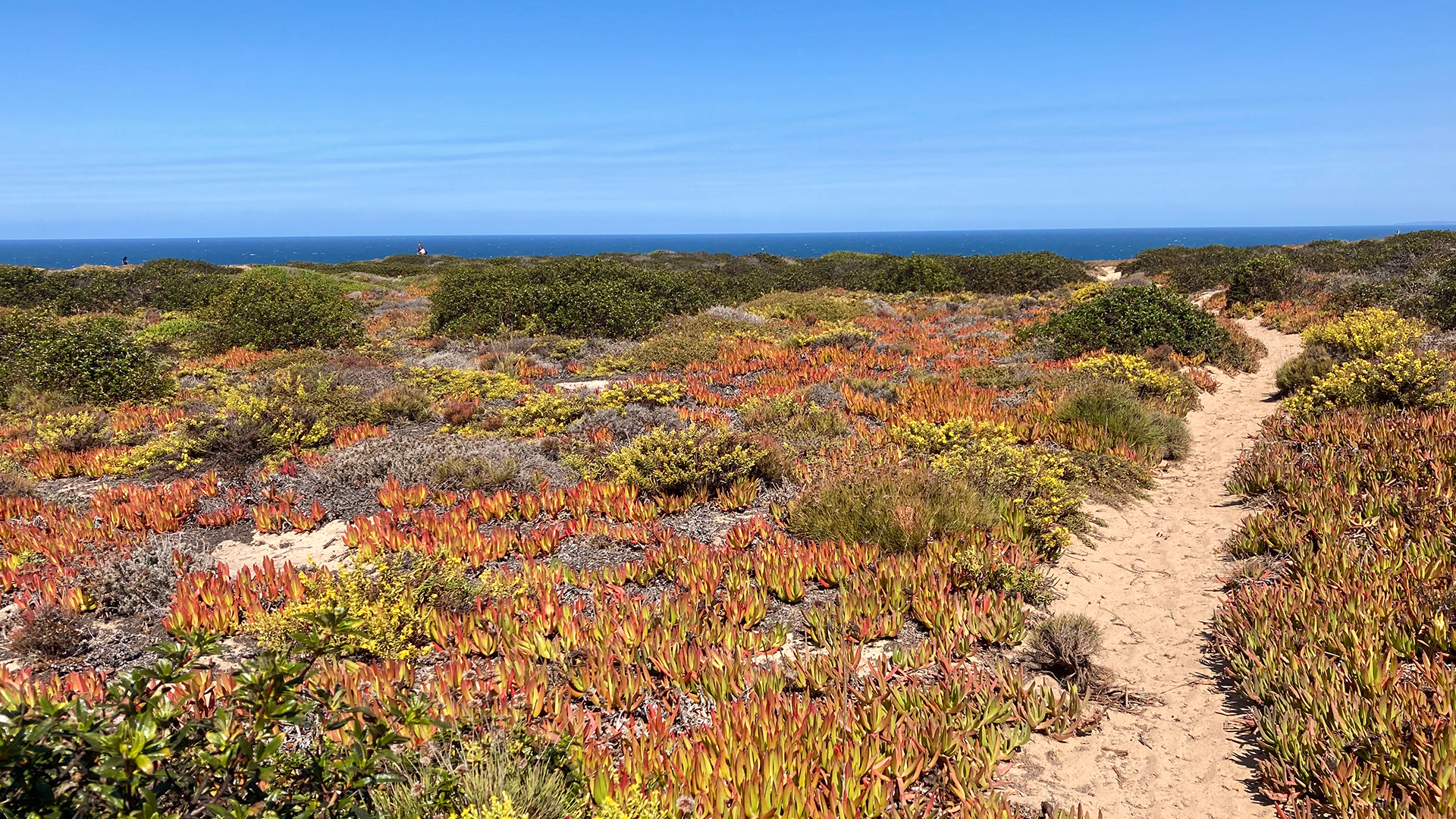
In the southwest of Portugal lies the little known Parque Natural do Sudoeste Alentejano e Costa Vicentina. It encompasses a narrow coastal strip that runs along the coast to the south of Portugal. Sparsely populated, this coastal region, which was placed under protection in 1988, is considered one of the last intact ecosystems in Europe. The steep cliffs, the almost constant wind and high waves have ensured that mass tourism has not gained a foothold here. There are still near-natural forests and a diverse bird life.

2025-12-10 20:46:17 +0000 UTC2025-12-10 21:46:58 +0000 UTC (1h)
Portugal's Nature Parks

Portugal's Nature Parks

The highest mountain range in Portugal is the Serra da Estrela. The episode embarks on a voyage of discovery to adventurous rock formations and villages steeped in tradition. The nature park is the largest protected area on the Iberian peninsula. In the mountain range we accompany the young scientist Ana Matos, who wants to breathe new life into old traditions, and cheese maker Maria Natália Lopes. She watches over more than 350 sheeps.

2025-12-10 19:45:35 +0000 UTC2025-12-10 20:46:17 +0000 UTC (1h)
Portugal's Nature Parks

Portugal's Nature Parks

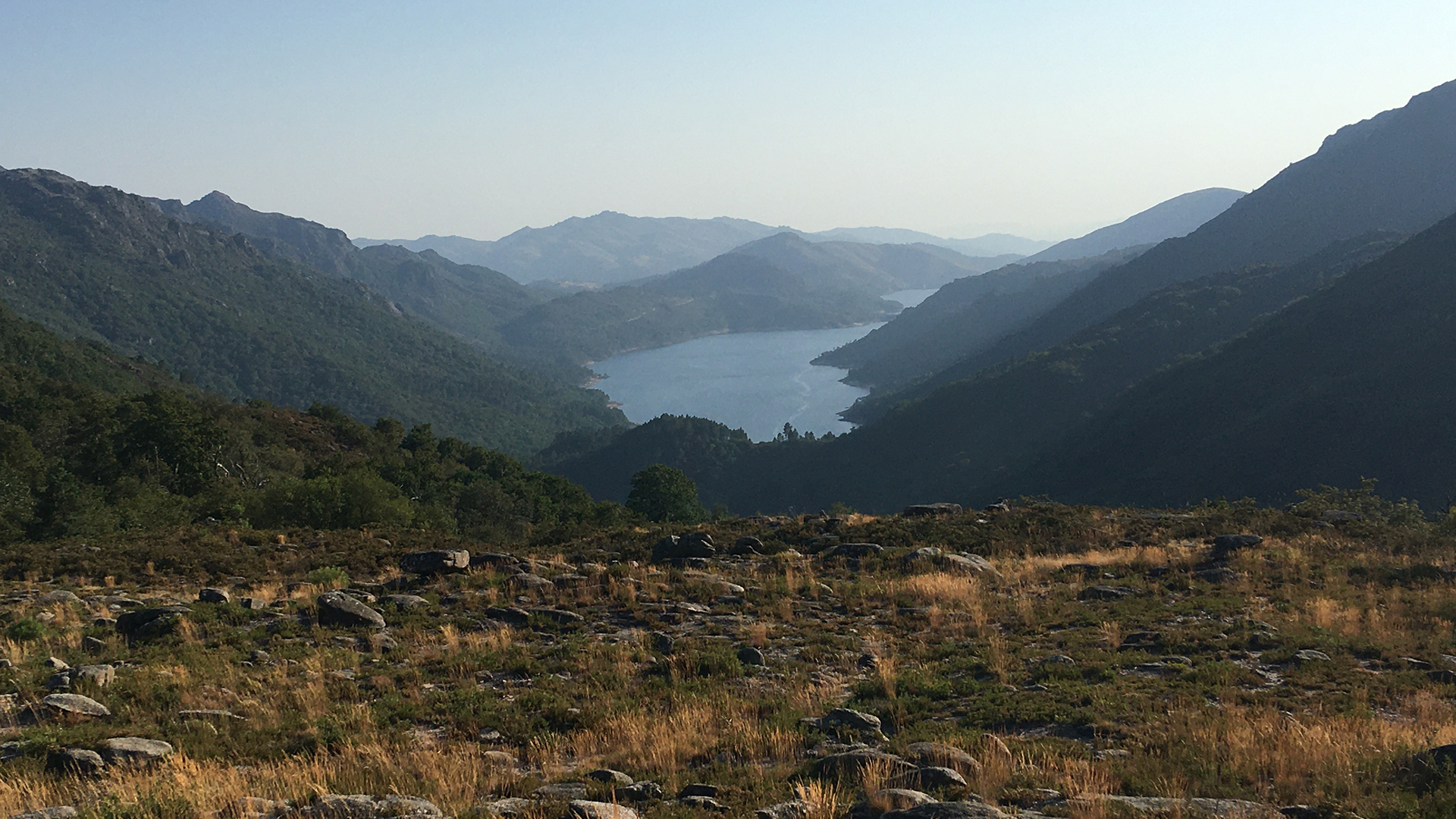
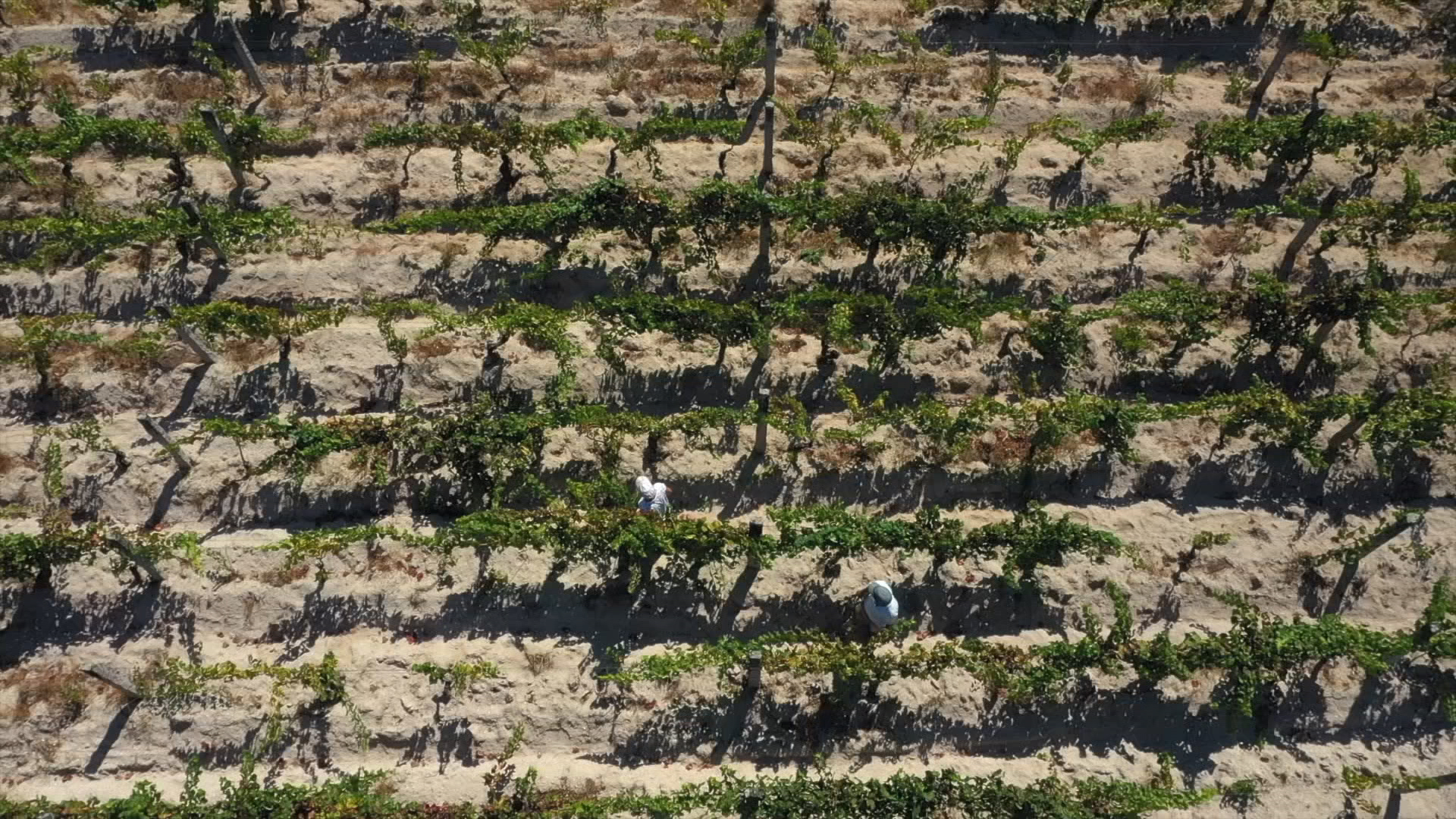
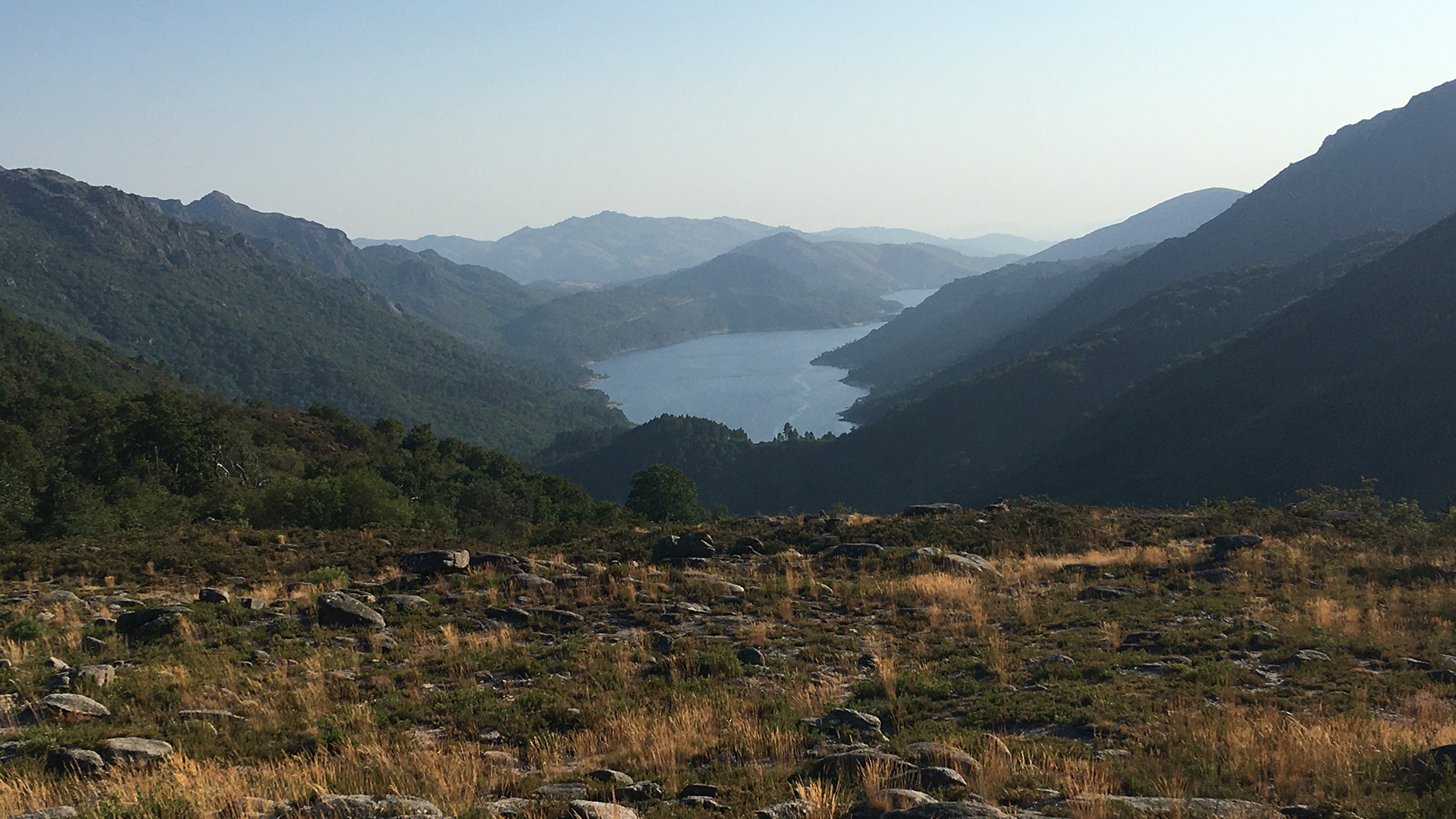
The Parque Nacional Peneda-Gerês is the only national park in Portugal. An area of almost 700 square kilometers, located in the extreme north of Portugal. Barren and rocky ridges in the plateaus, contrast with large forests and lush ground vegetation in deep valleys, crossed by lakes and rivers. The park is known for its oak forests, which are predominantly pedunculate and Pyrenean oaks. Among the typical animals of the park are the small Garrano ponies, a very old breed of horse and the only one in Europe that still lives in the wild.

2025-12-10 18:44:49 +0000 UTC2025-12-10 19:45:35 +0000 UTC (1h)
Myths of the Congo

Myths of the Congo

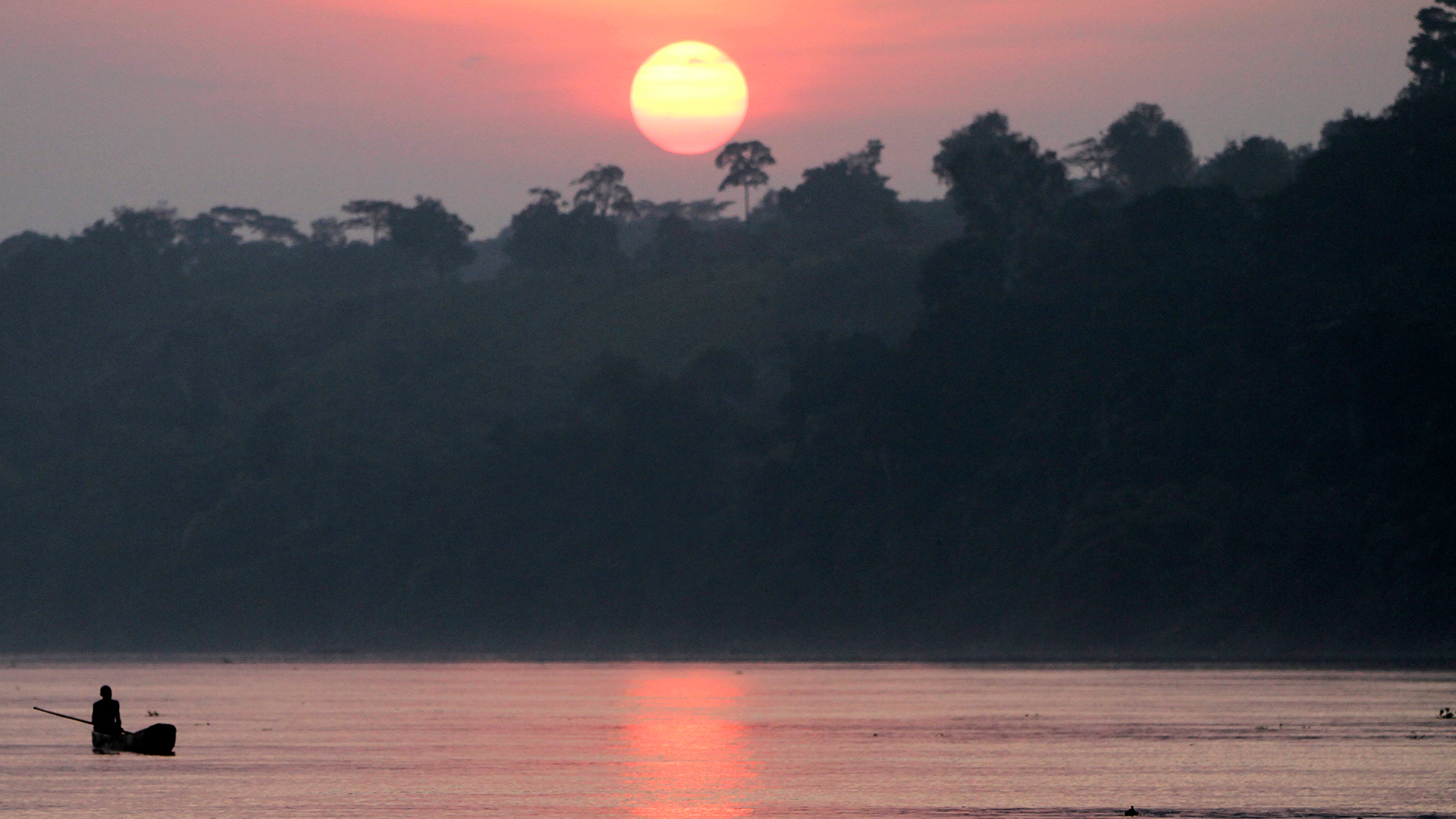
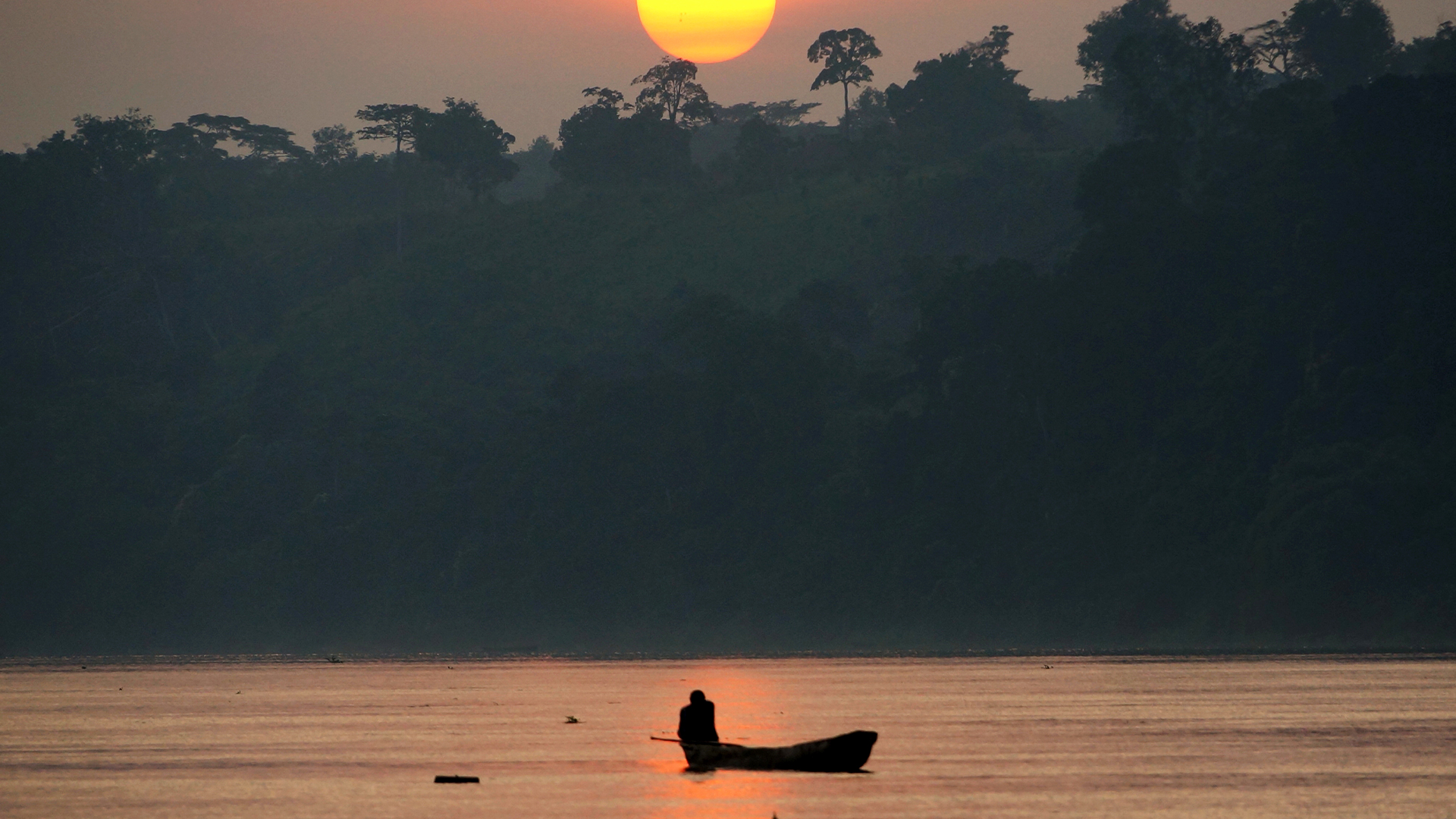
The river that swallows all rivers - this is what the natives call it. In reality, the Congo, when considering its water masses, is the second largest and the deepest river in the world. At its source in the north of Zambia, it starts out as a mere trickle, but on its journey westwards it grows and grows, becoming ever mightier and with it, the animals, too: the shoebill stork hides in the dense papyrus. Metre-long pythons hunt for their prey in trees and huge hippos fight for power and respect in the water. To survive in the Congo, animals have to adapt to extreme conditions. Here, evolution has spawned unique creatures: fish with lungs, wings and those that go hunting on land. The Congo River feeds the second largest rainforest on earth. Here is the home of the forest elephant. Time and again, they are summoned to this one, magic place: the Dzanga Bay. Countless other forest dwellers join them. What makes this place so special?

2025-12-10 17:48:05 +0000 UTC2025-12-10 18:44:49 +0000 UTC (56m)
Myths of the Congo

Myths of the Congo

The Congo, mighty and deep like no other river - yet still a retreat and a habitat for several of our world's strangest animals. Our closest relatives live deep inside the dense jungles: three of the four giant ape species have made the Congo basin their home. Rich in extraordinary footage, the second episode of "Myths of the Congo" also presents exciting insights into one of the most mysterious and dangerous regions on earth.

2025-12-10 16:53:30 +0000 UTC2025-12-10 17:48:05 +0000 UTC (54m)
Stories of the Mediterranean Forest: Sierra Morena

Stories of the Mediterranean Forest: Sierra Morena

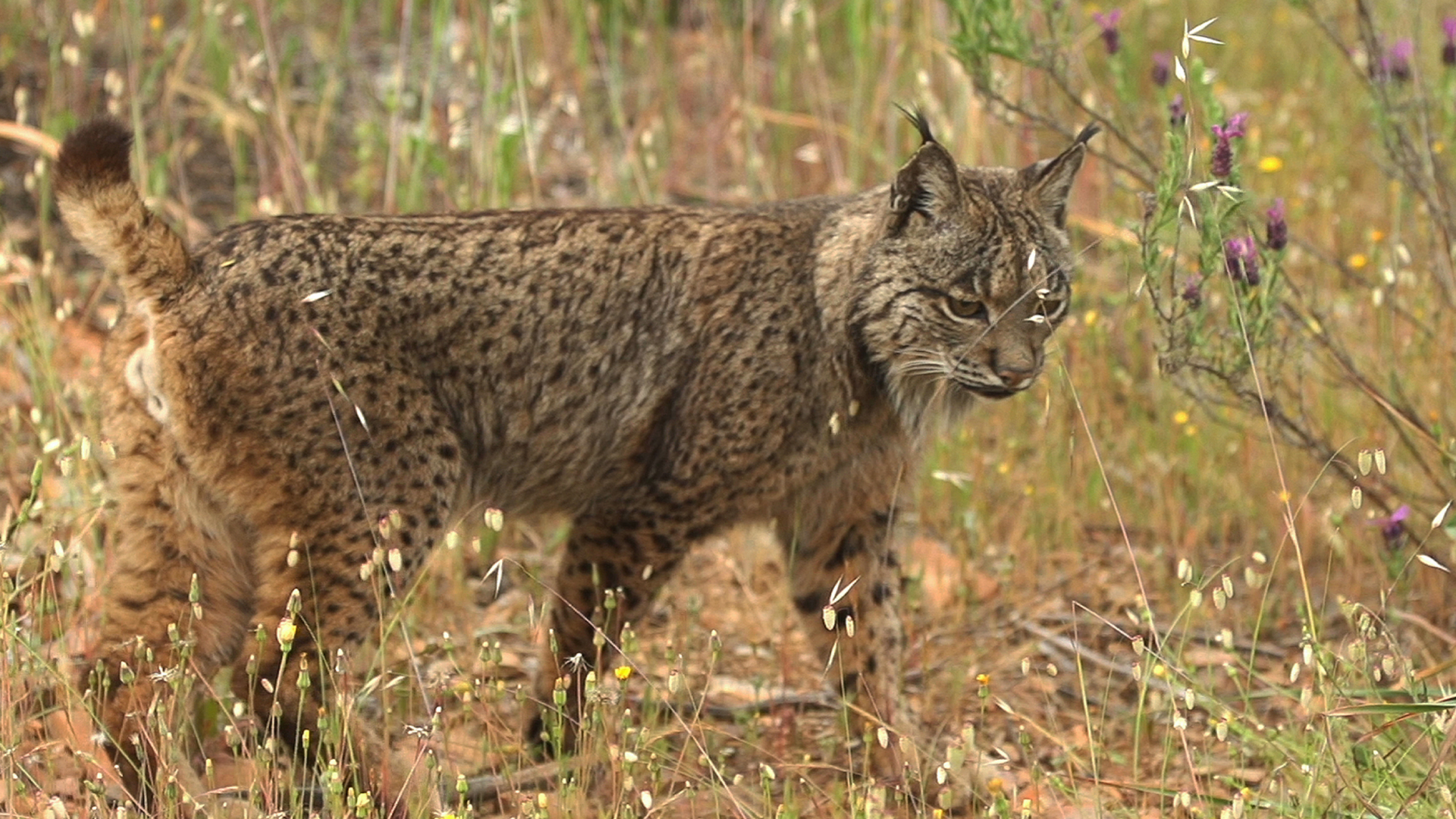
The Mediterranean Basin is one of the planet's most biologically rich and complex regions. The crossroads of Europe, Asia and Africa is considered to be one of Earth's biodiversity hotspots. A vast number of both animal and plant species unique to the region live in its various habitats. The Mediterranean Basin is located in one of the planet's temperate zones. The subtropical climate makes it colder and wet here in winter, hot and dry in summer and mild and rainy in autumn and spring.

2025-12-10 09:49:10 +0000 UTC2025-12-10 10:47:56 +0000 UTC (58m)
Portugal's Nature Parks

Portugal's Nature Parks

The "Parque Natural da Ria Formosa" is one of the largest lagoon conservation areas in Europe. Bordered by five natural islands. A mosaic of sandbanks, brackish and freshwater lagoons and salt marshes. In 2010, the "Ria Formosa" was chosen as one of the seven natural wonders of Portugal. It is a unique ecosystem: in the winter months, more than 20,000 birds gather here. In addition, the nature park has one of the largest seahorse populations internationally. More than half of all fish species in the Atlantic are said to spawn in the lagoon.

2025-12-10 08:48:24 +0000 UTC2025-12-10 09:49:10 +0000 UTC (1h)
Portugal's Nature Parks

Portugal's Nature Parks

Madeira - Portugal's autonomous island in the Atlantic Ocean, is closer to the African coast than to the mother country Portugal, from which it is separated by about 900 kilometers. The island's name comes from Portuguese sailors who claimed the uninhabited isle for themselves in 1419. Madeira means wood and that was available in abundance. Almost the entire surface was covered by dense forest. Since 1982, two-thirds of the landscape has been protected.

2025-12-10 07:47:47 +0000 UTC2025-12-10 08:48:24 +0000 UTC (1h)
Portugal's Nature Parks

Portugal's Nature Parks

In the southwest of Portugal lies the little known Parque Natural do Sudoeste Alentejano e Costa Vicentina. It encompasses a narrow coastal strip that runs along the coast to the south of Portugal. Sparsely populated, this coastal region, which was placed under protection in 1988, is considered one of the last intact ecosystems in Europe. The steep cliffs, the almost constant wind and high waves have ensured that mass tourism has not gained a foothold here. There are still near-natural forests and a diverse bird life.

2025-12-10 06:47:07 +0000 UTC2025-12-10 07:47:47 +0000 UTC (1h)
Portugal's Nature Parks

Portugal's Nature Parks

The highest mountain range in Portugal is the Serra da Estrela. The episode embarks on a voyage of discovery to adventurous rock formations and villages steeped in tradition. The nature park is the largest protected area on the Iberian peninsula. In the mountain range we accompany the young scientist Ana Matos, who wants to breathe new life into old traditions, and cheese maker Maria Natália Lopes. She watches over more than 350 sheeps.

2025-12-10 05:46:25 +0000 UTC2025-12-10 06:47:07 +0000 UTC (1h)
Portugal's Nature Parks

Portugal's Nature Parks

The Parque Nacional Peneda-Gerês is the only national park in Portugal. An area of almost 700 square kilometers, located in the extreme north of Portugal. Barren and rocky ridges in the plateaus, contrast with large forests and lush ground vegetation in deep valleys, crossed by lakes and rivers. The park is known for its oak forests, which are predominantly pedunculate and Pyrenean oaks. Among the typical animals of the park are the small Garrano ponies, a very old breed of horse and the only one in Europe that still lives in the wild.

2025-12-10 04:45:39 +0000 UTC2025-12-10 05:46:25 +0000 UTC (1h)