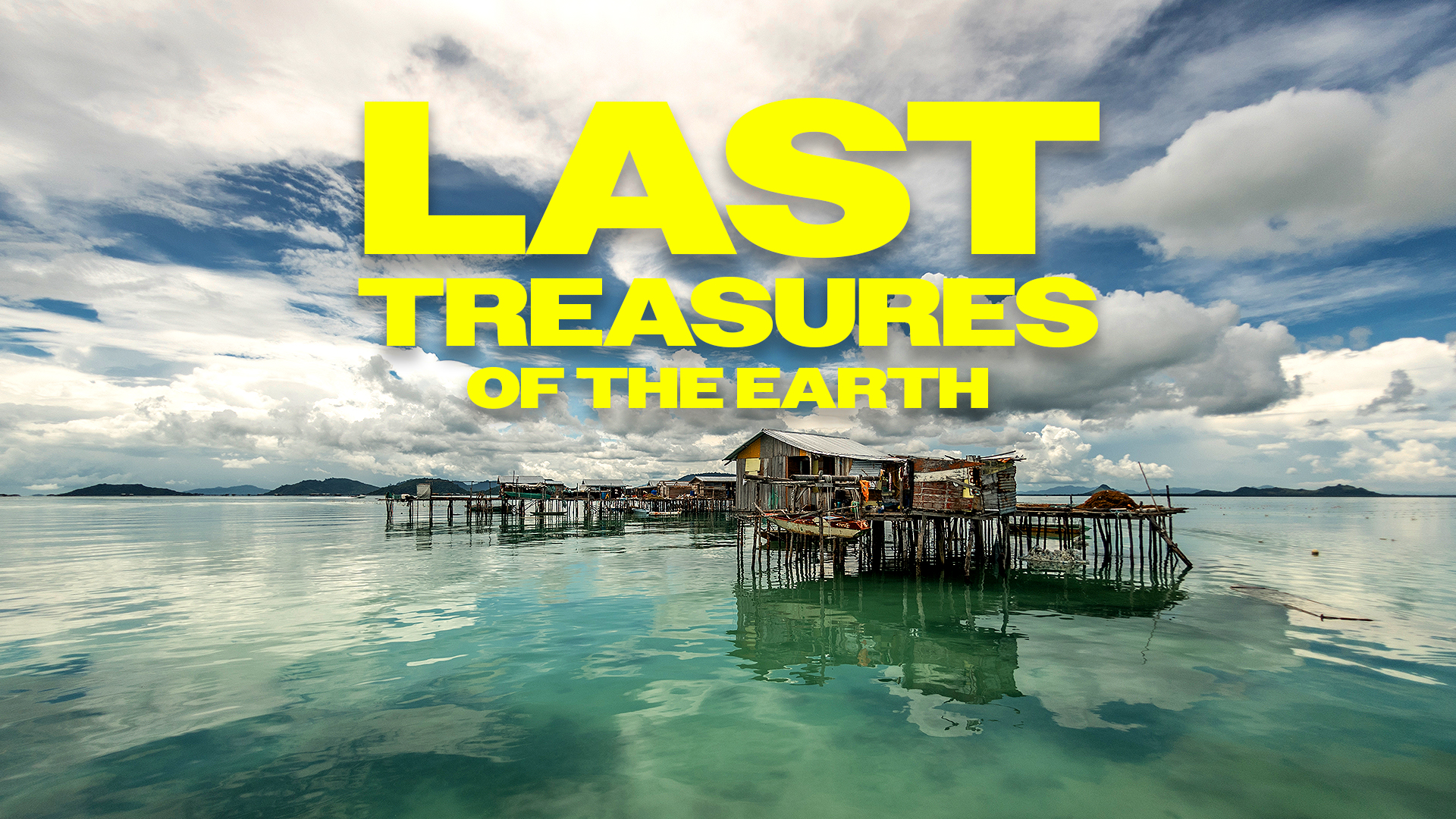
Last Treasures of the Earth
The film takes us to the most remote parts of the world and to the people who live there.
2025-12-16 20:55:24 +0000 UTC→2025-12-16 21:56:15 +0000 UTC(1h)
The film takes us to the most remote parts of the world and to the people who live there.
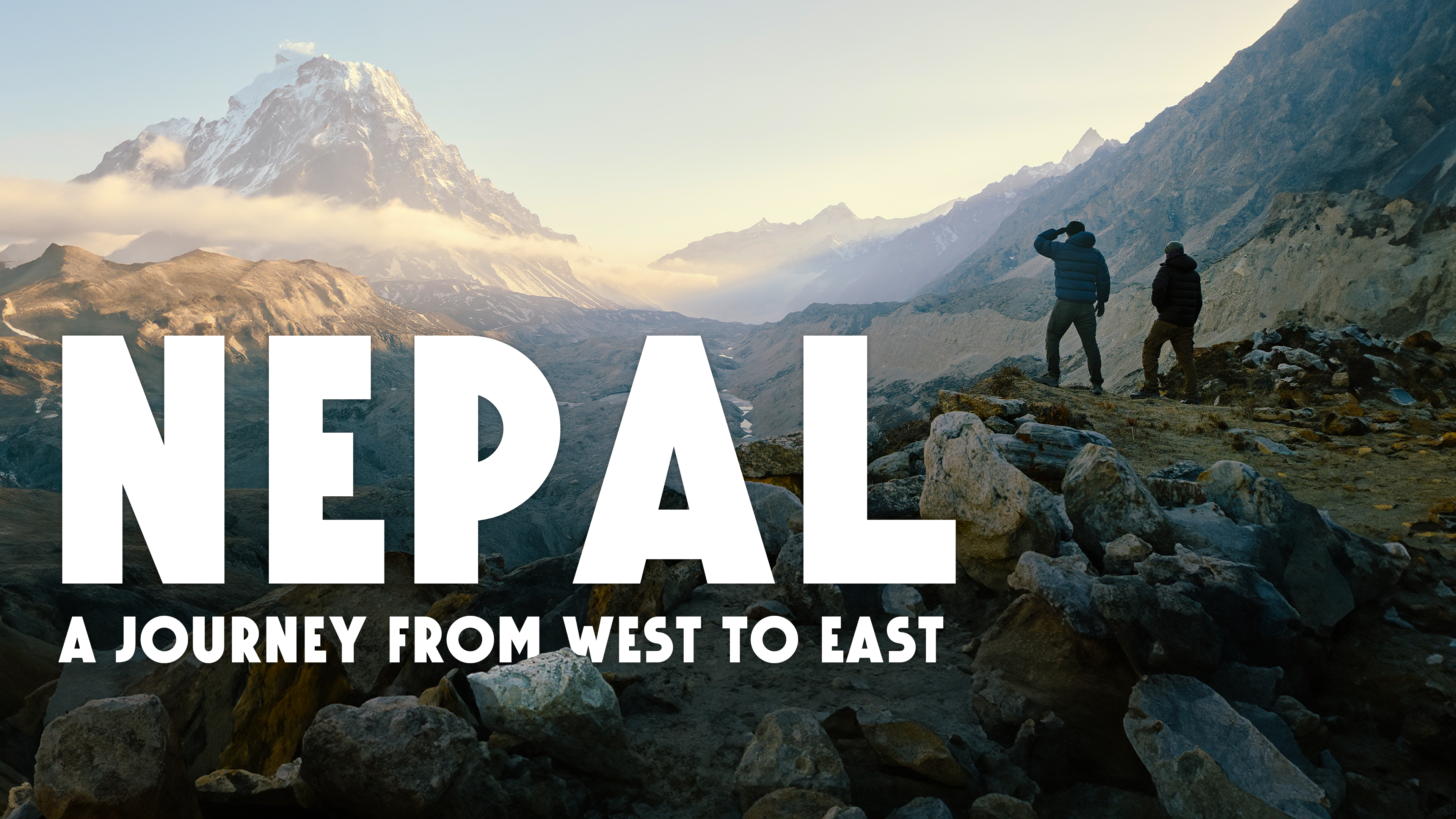
Two brothers journey through Nepal, exploring landscapes and the balance between tradition and development.
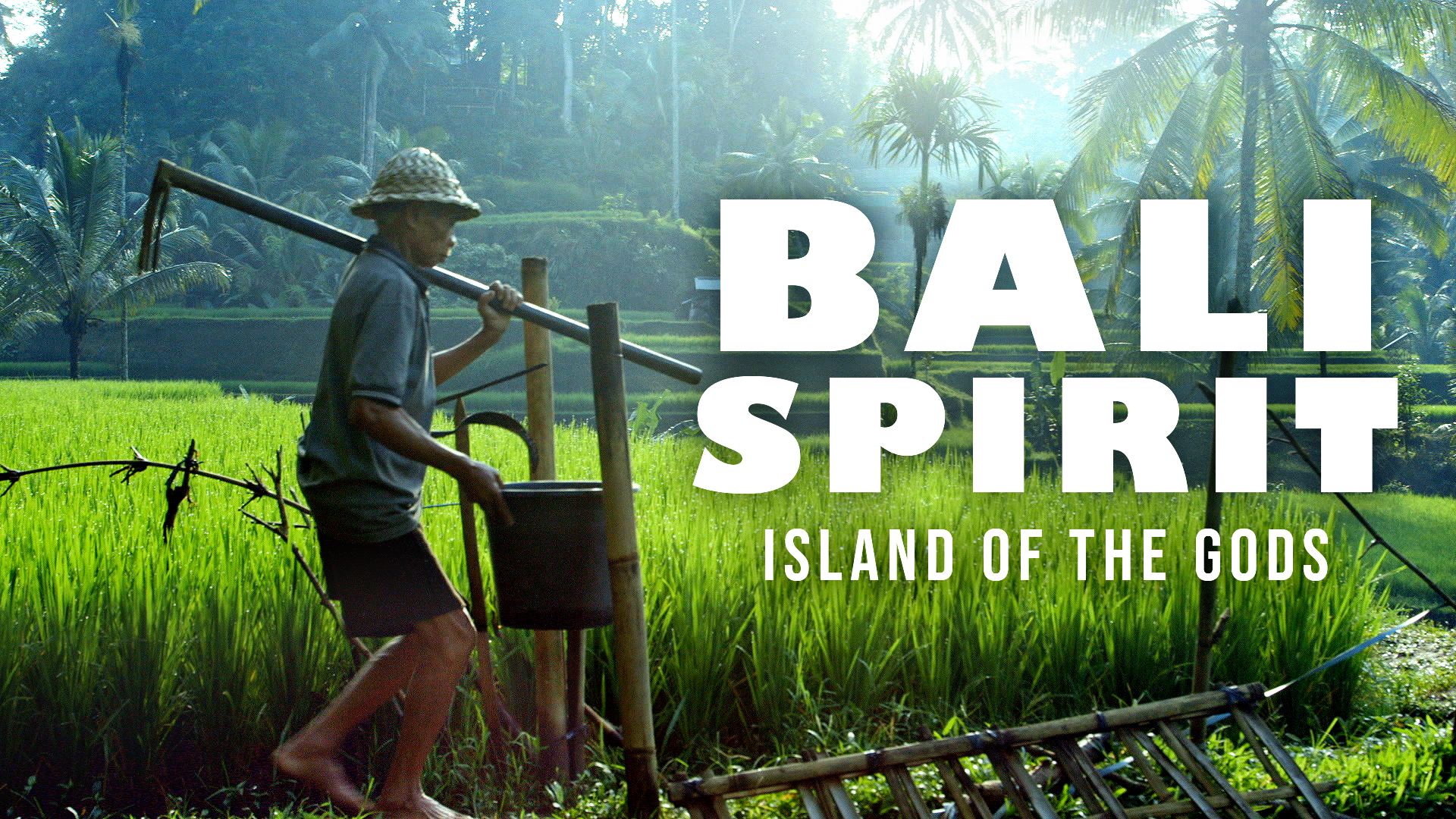
We visit Bali during the Bali Spirit Festival, which is one of the largest yoga gatherings in the world.
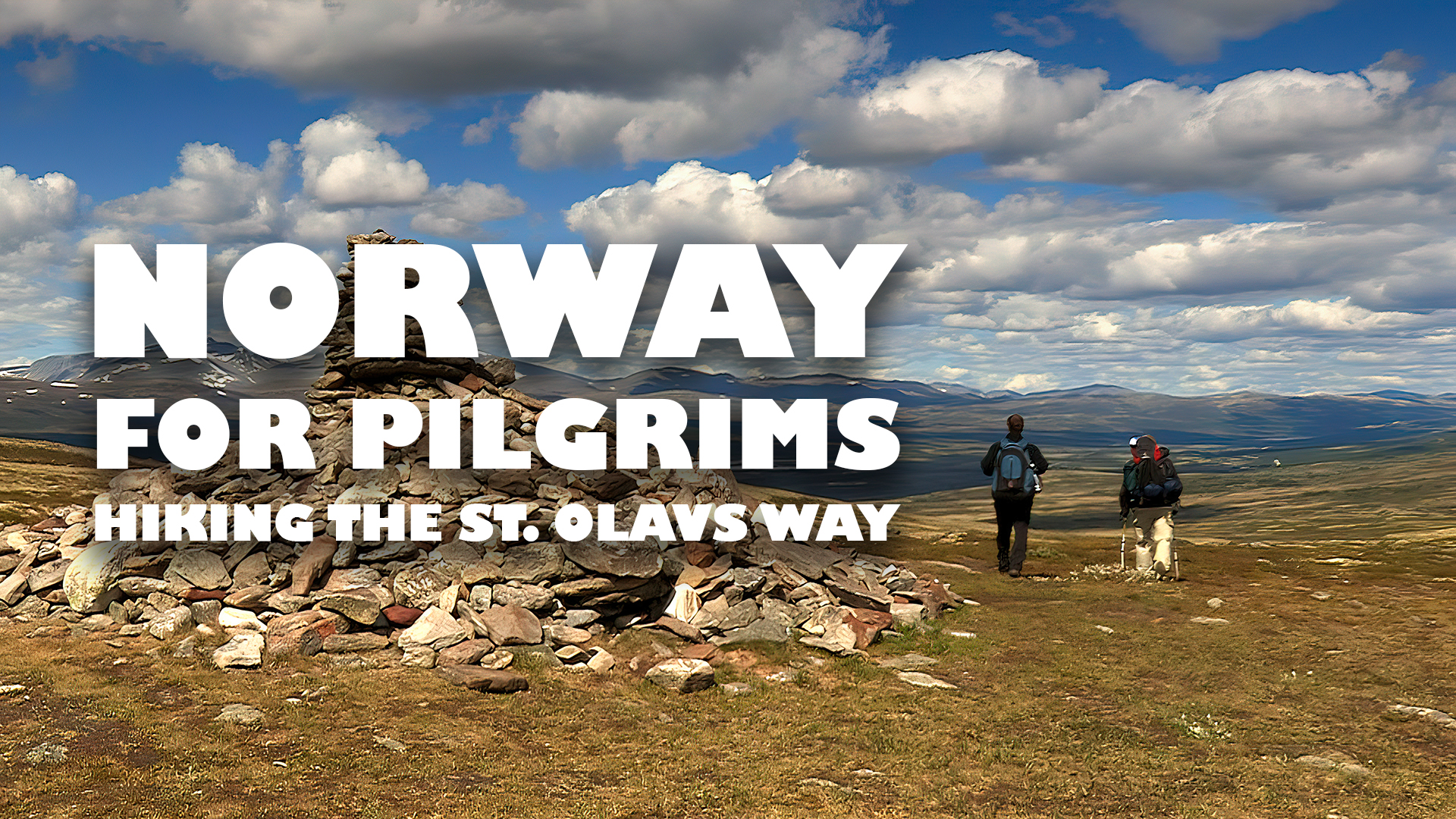
The route is 400 miles long, starts in Oslo and heads north to Trondheim.
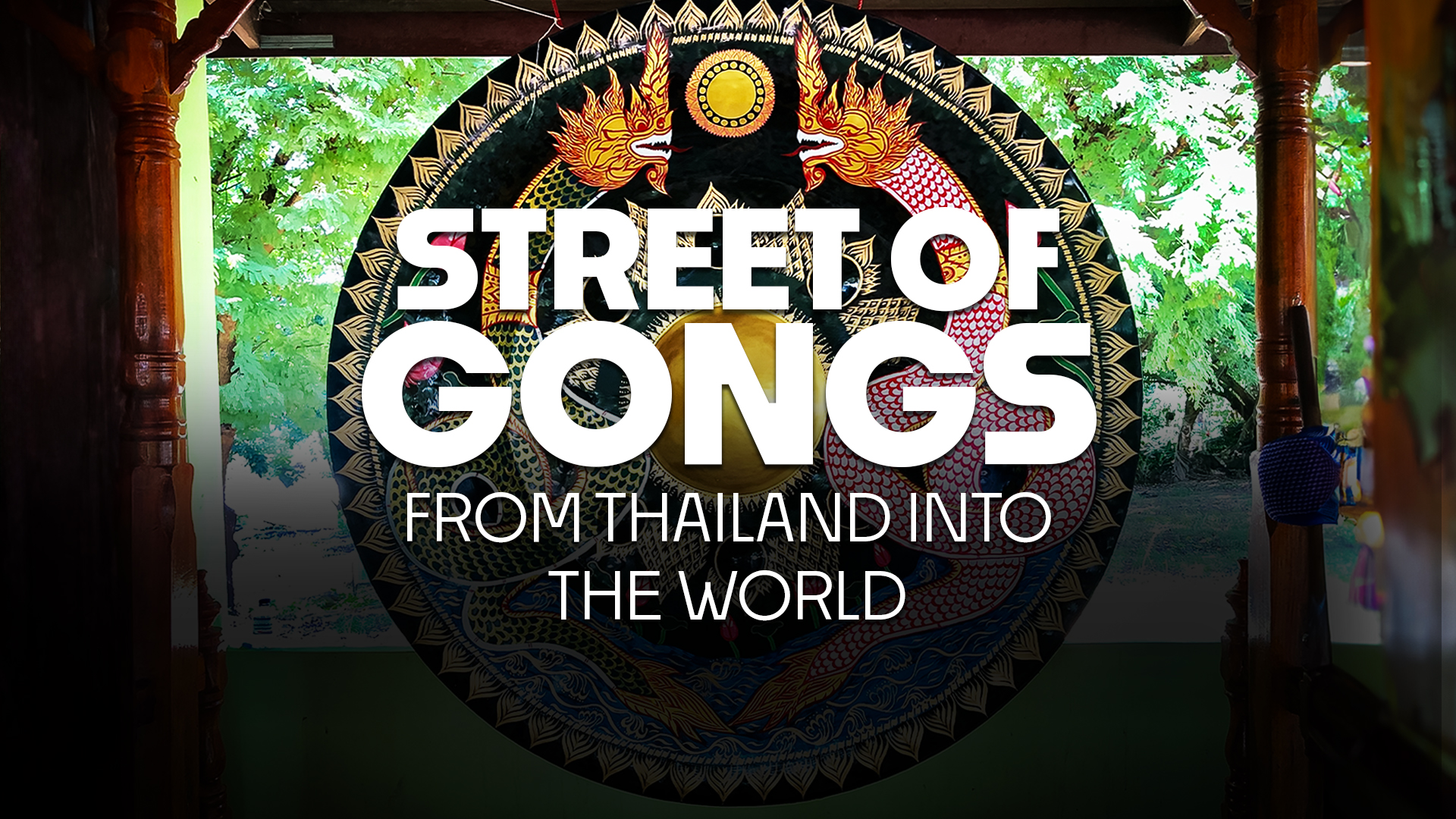
In Thailand's rural northeast you will find the street of Gongs. Outside the provincial capital of Ubon Ratchatani in Thailand's rural northeast, a country road nearly thirty kilometers long stretches to the banks of the Mekong River. Even from a distance, you can hear what is being made there: gongs of all sizes in nearly 50 manufactories. The gong is considered the ancient instrument and symbol of Asia. It occupies an important cultural significance, initiates rituals, expels demons, gives strength and courage. This film visits the creators of these unique instruments - a family business that has been laboriously handcrafting gongs for generations. They have a big mission: The abbot of the temple has ordered a new, large gong for the upcoming festival. Will they be able to finish it in time?
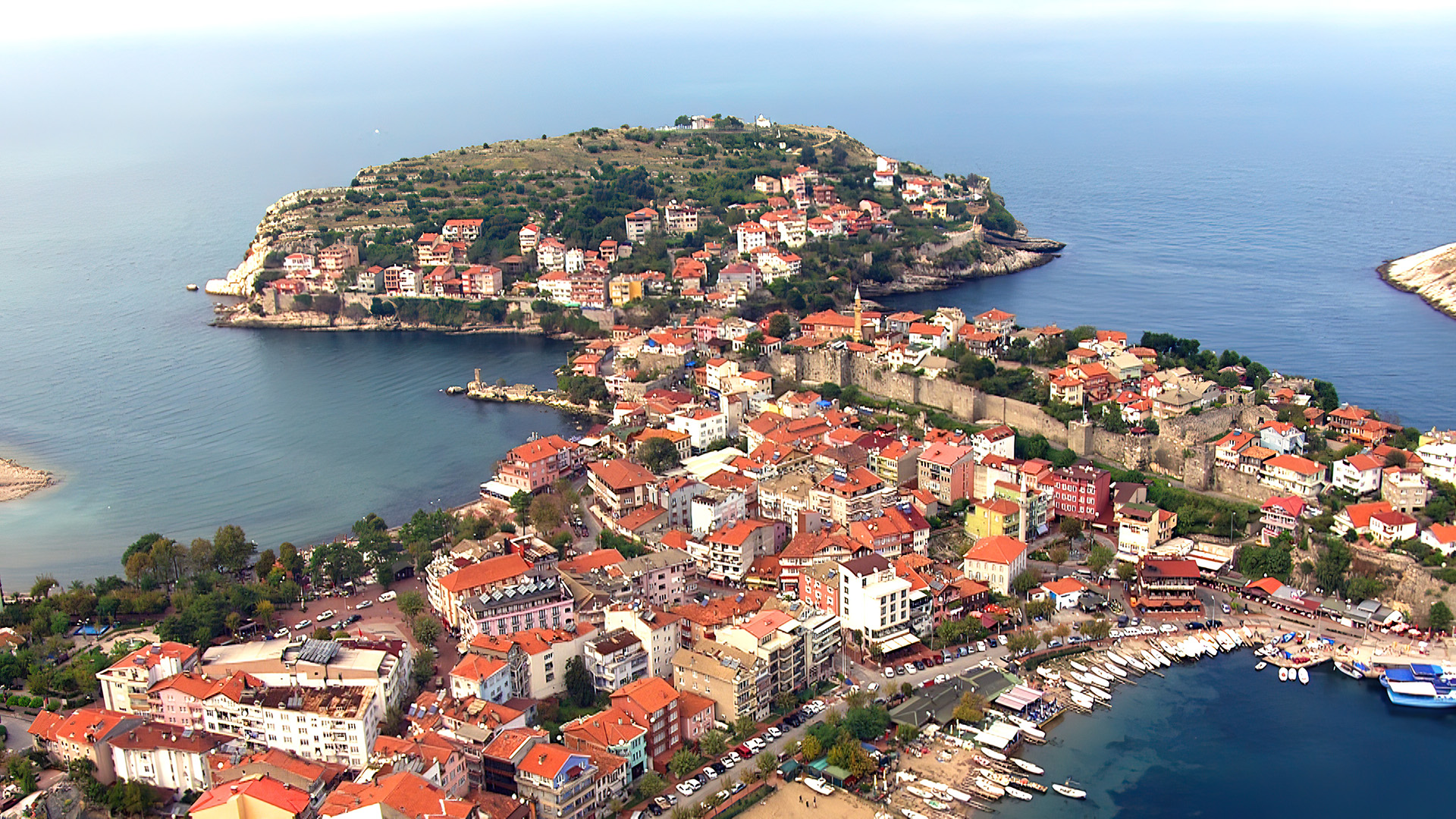
As wild and unpredictable as the Black Sea are the people who live on its coast - at least that is what they say in Turkey. In the fifth part of our journey, we meet young female footballers, passionate musicians in small fishing villages and up-and-coming cities and accompany a pilot through the difficult ship passage on the Bosporus to the Black Sea. In addition, the fertile coast lures with many discoveries: fishing is only one pillar of economic prosperity. In the mountainous hinterland you'll find tea, hazelnuts and tobacco.
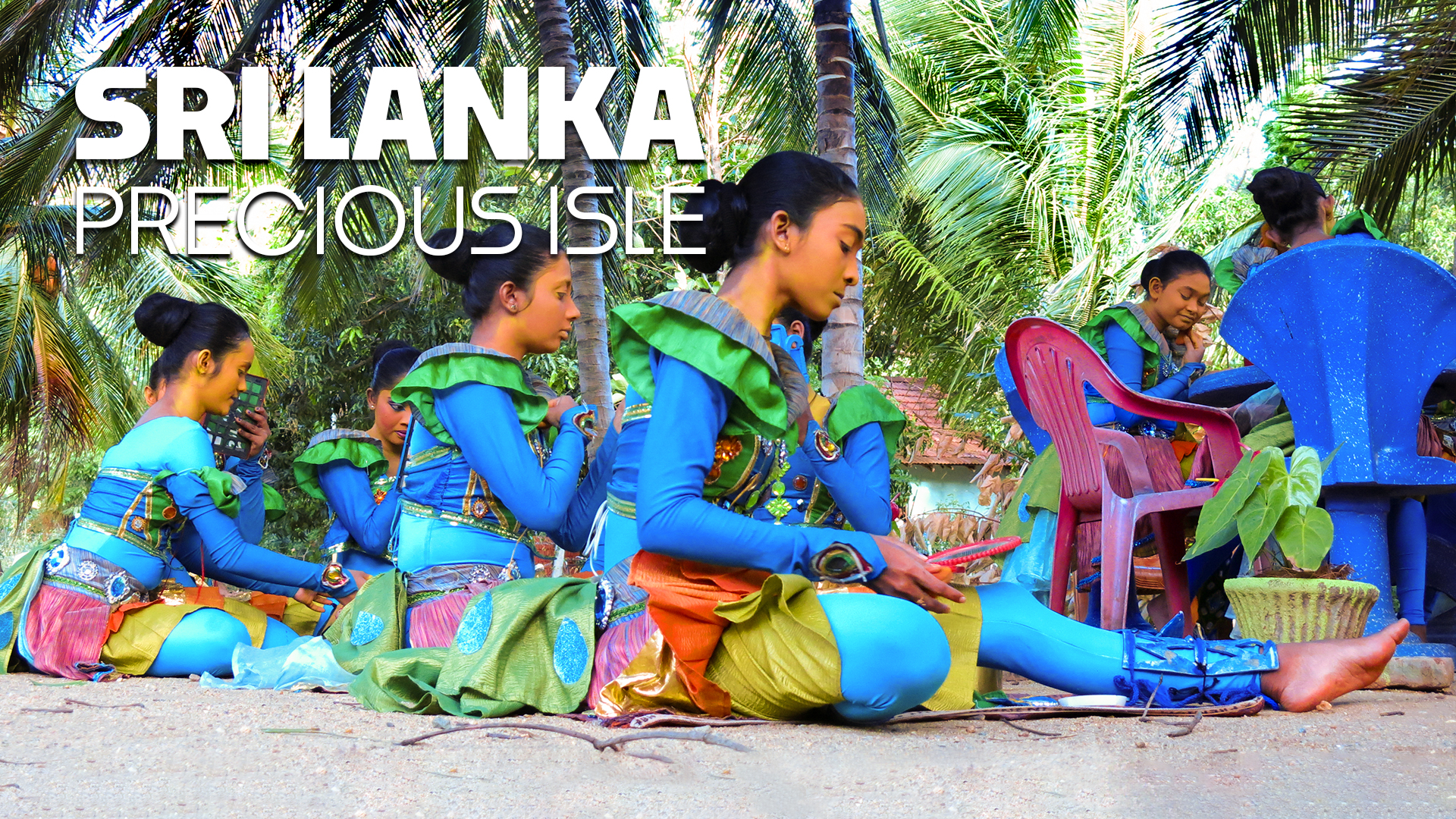
A journey to the most beautiful regions of Sri Lanka, in the company of a group who inhabit this land.
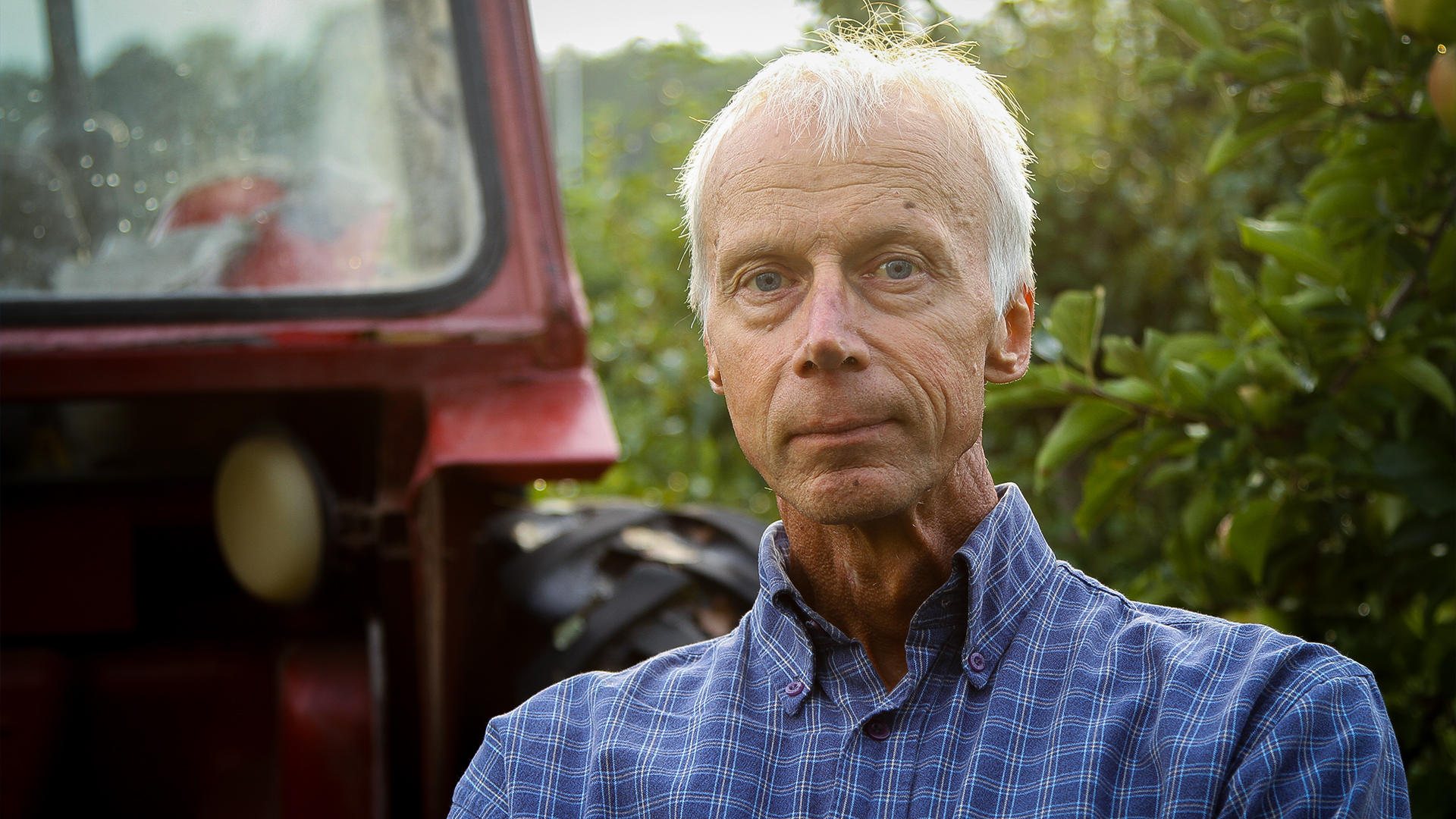
The garden of Sweden is located in the southernmost part of the country: Scania (S1 E05)
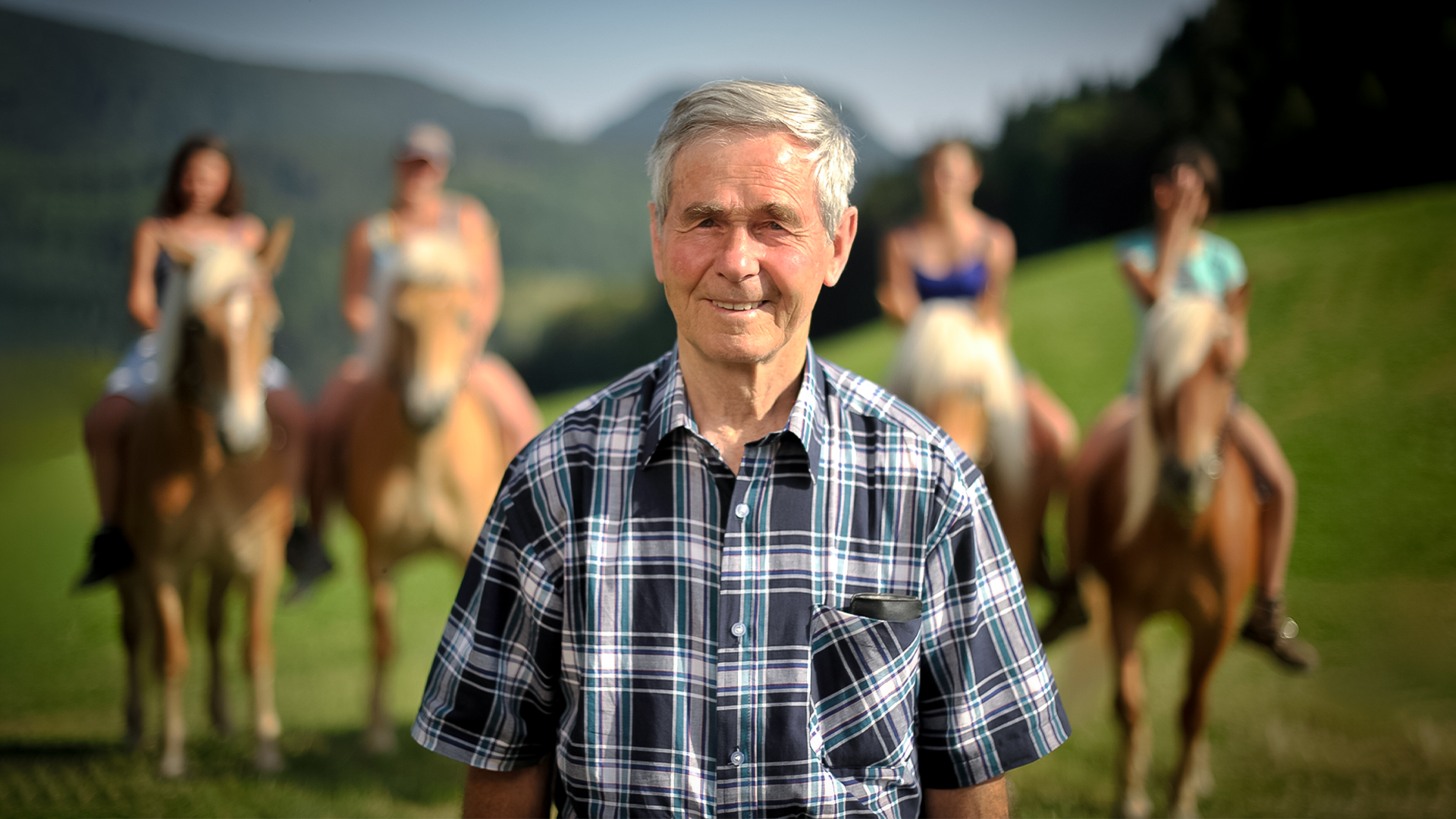
Generations of farmers have made South Tyrol what it is today because they embraced innovation. (S1 E04)

The Spreewald located in Berlin is accredited to a biosphere reserve by the UNESCO to protect the nature. (S1 E03)

The Cevennes are a low mountain range which is distinctive because of its bleak high plateaus and valleys. (S1 E02)

Nowadays, in the Mecklenburg-Western Pomerania of the 21st century, people fight for a new kind of agriculture (S1 E01)

The story of the last working narrow gauge steam railway in China.

Jamaica's colonial history, stunning nature, and rich culture unfold in a journey full of surprises.
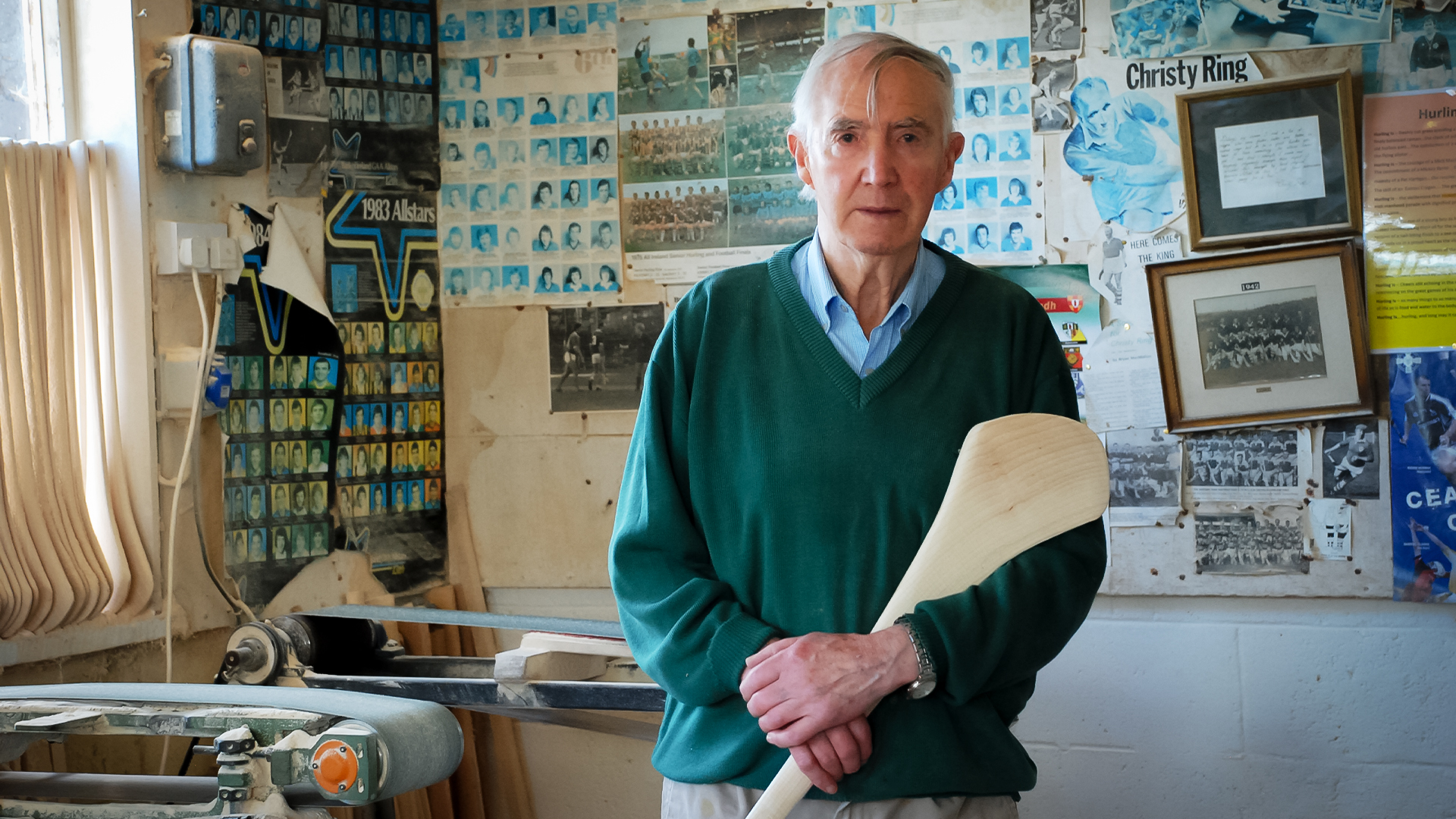
Ireland's Midland has its own distinctive charm – rivers, lakes, and gently rolling countryside.

Ireland was a place to experiment with exotic plants. Lots of sun and rain have made it a botanical paradise.
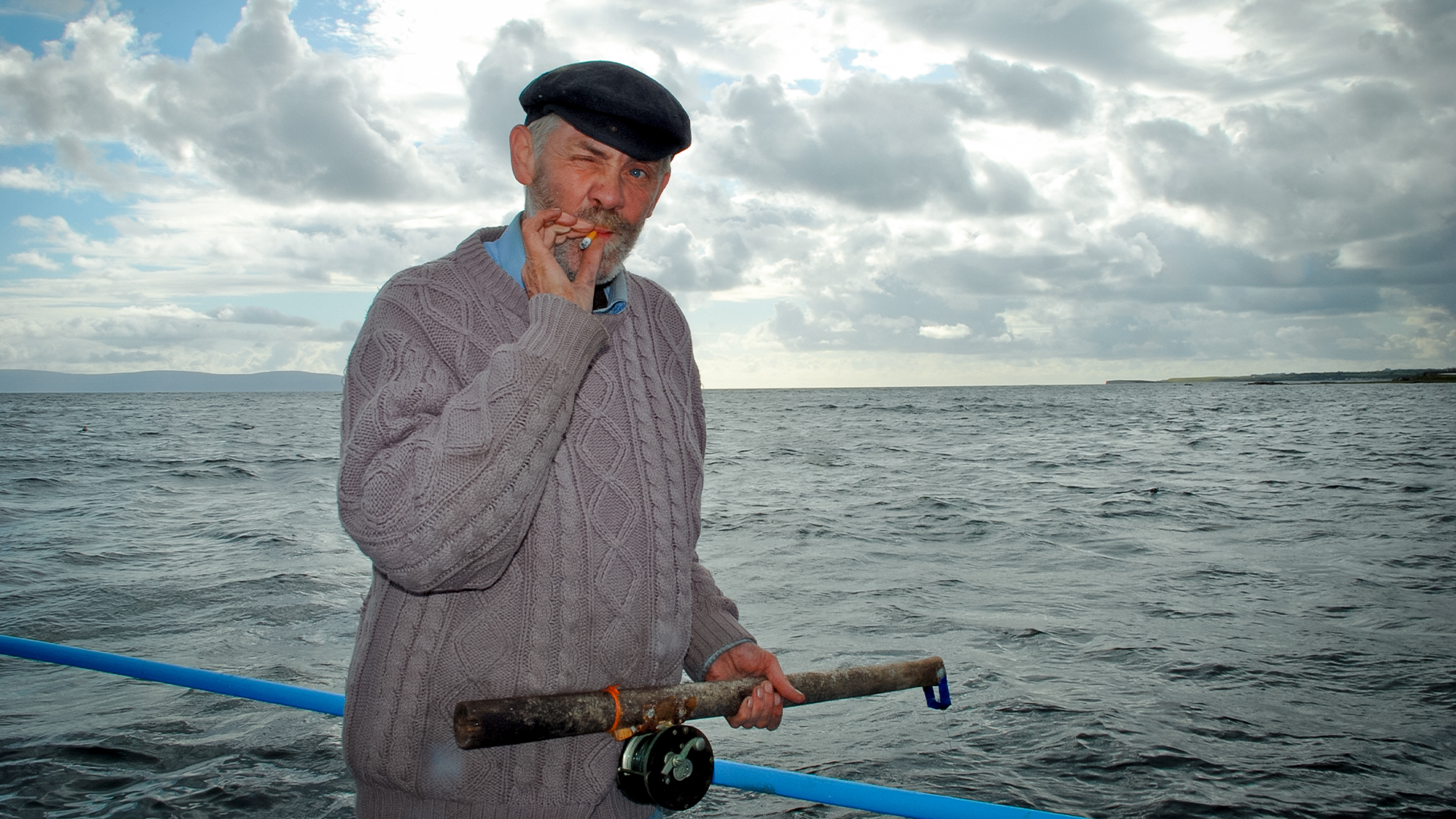
Ireland is known for its raw nature – pounding waves, cliffs, rain and storms.
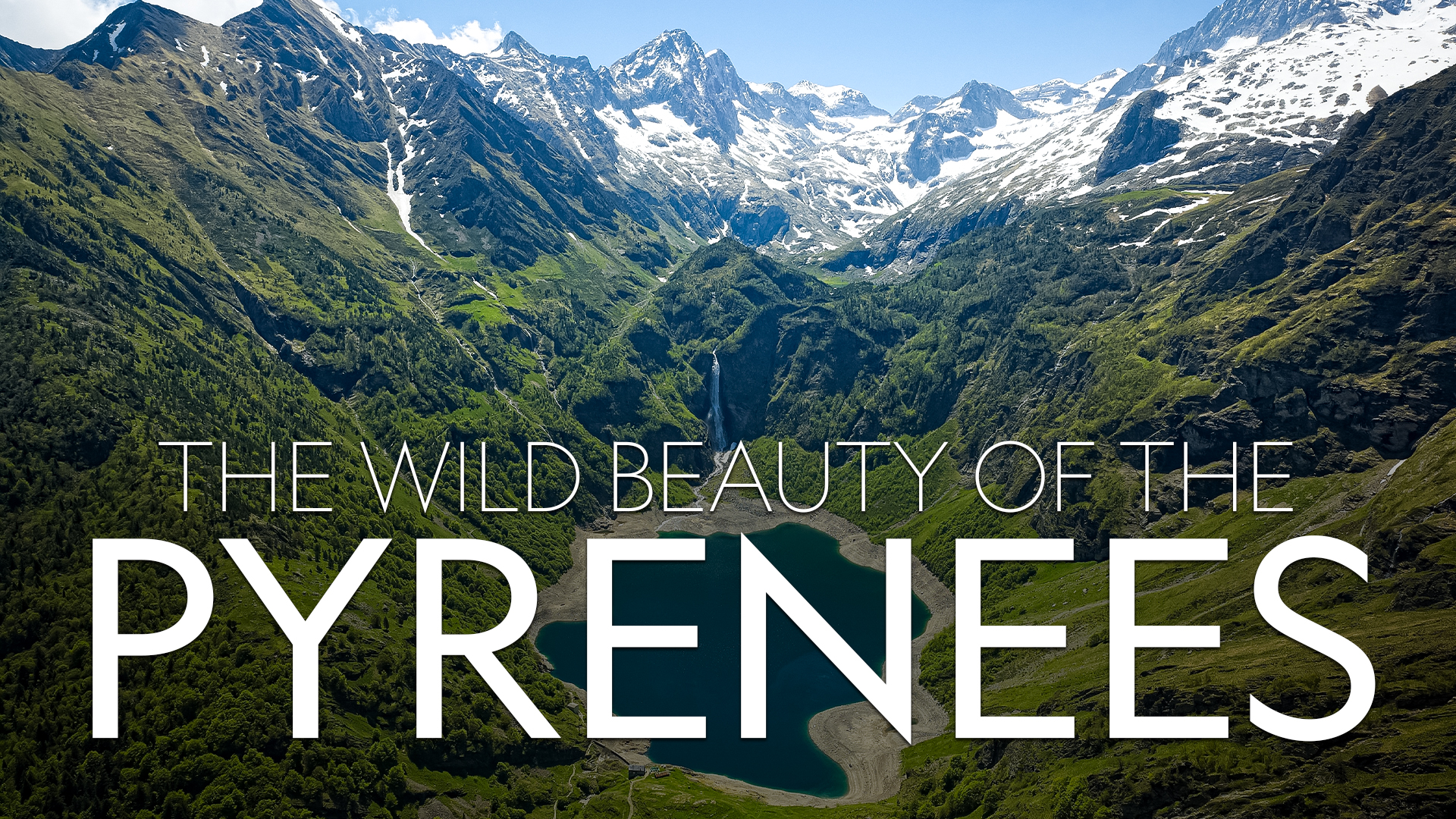
Spanning over 400 kilometers, the Pyrenees are the natural frontier between France and Spain.
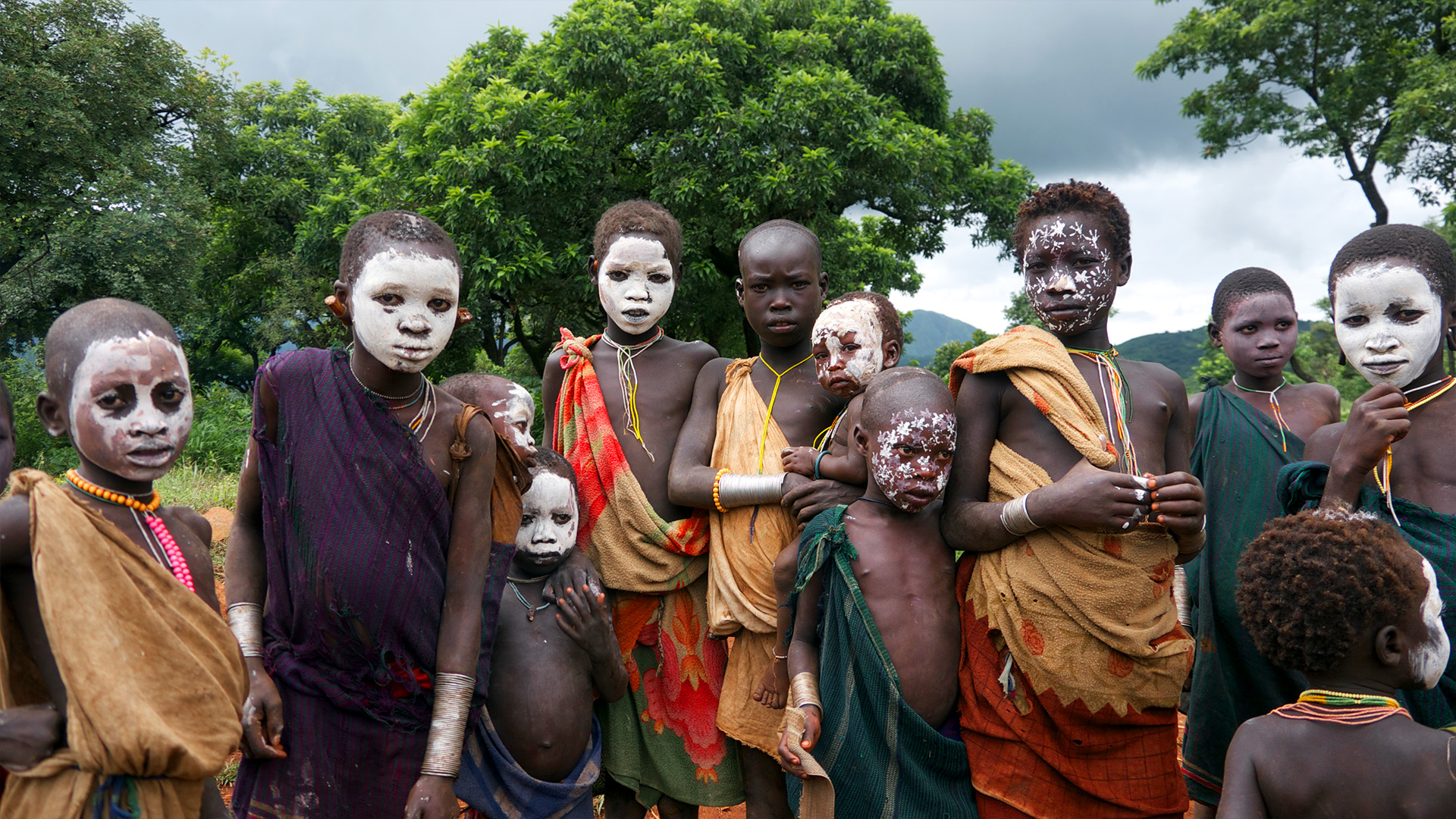
The era of untouched populations living unchanged for thousands of years is coming to an end.

In Greenland, the custom of hunting seals using dog sleds has almost been replaced by a modern lifestyle.