Live & Upcoming Programmes

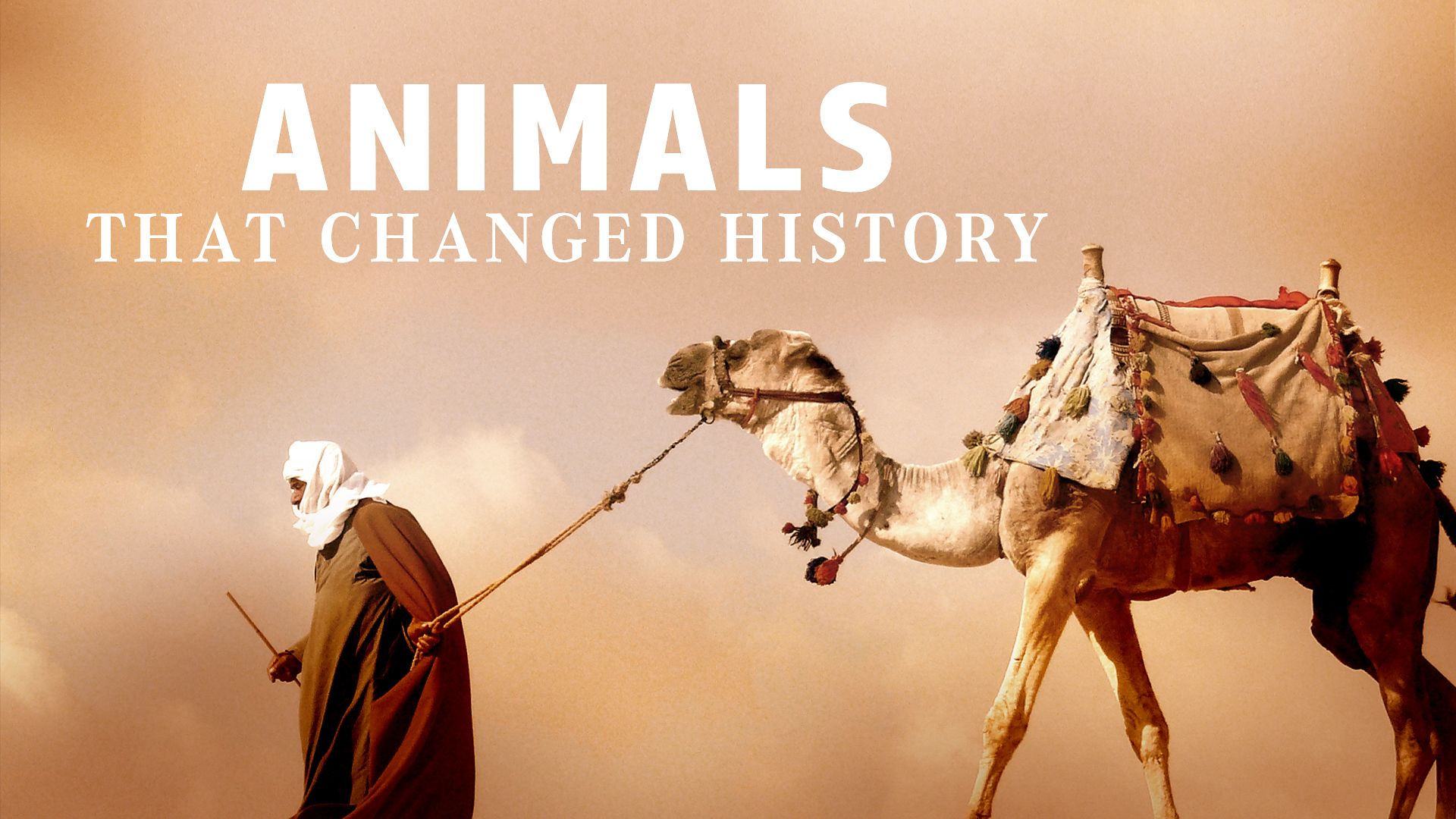
Animals That Changed History

Animals That Changed History

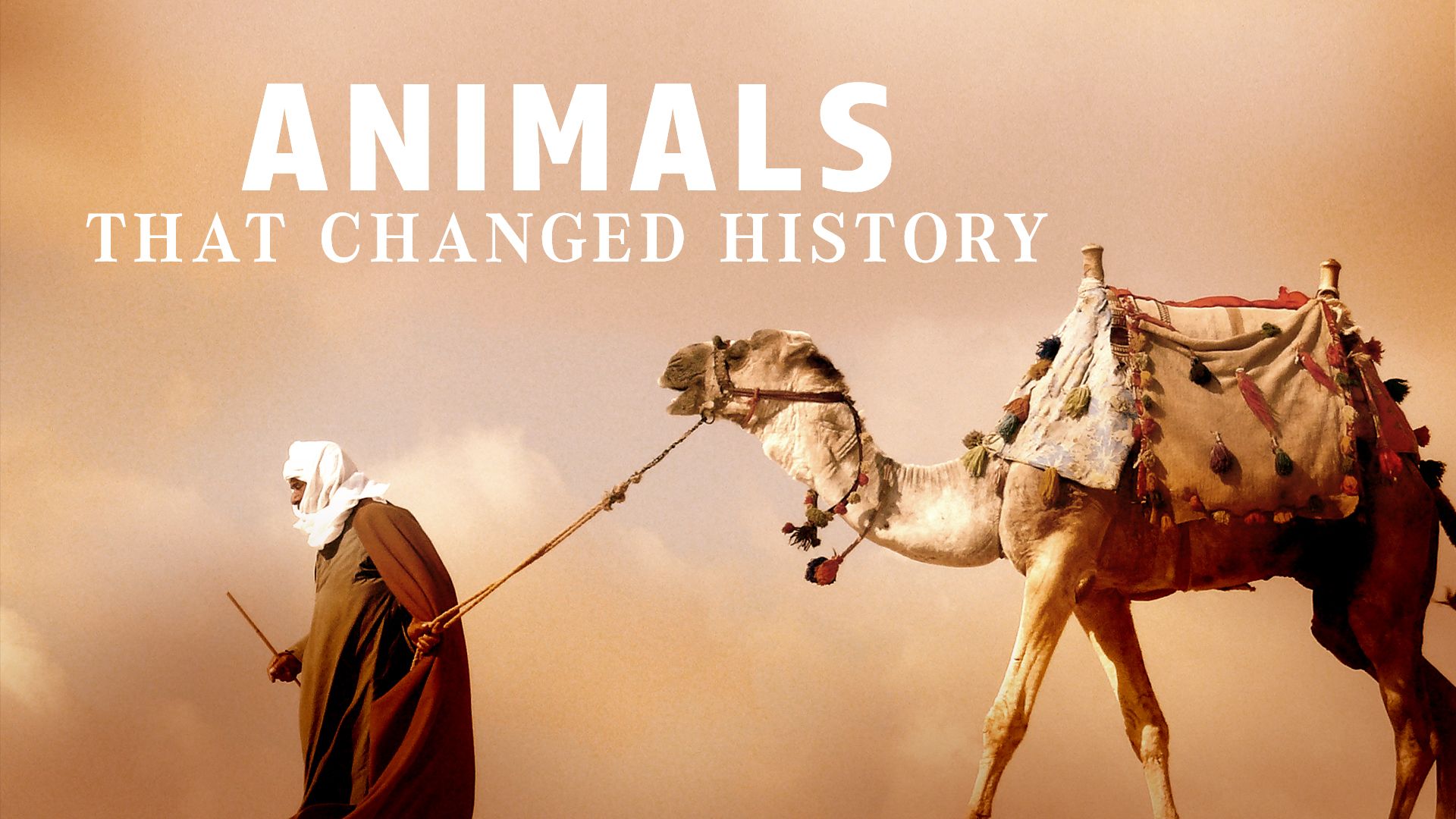
Animals That Changed History - Season 1 - Plagues: For most of our history, people have fallen victim to crippling disease, and not had a clue where it came from. Despite our best efforts, we are vulnerable - not, perhaps, to lions, tigers, and bears - but more to the killers we can't even see. In America during the early 1980s, a mysterious new disease claims the lives of 159 people, most of them gay men.

2025-12-12 17:00:00 +0000 UTC2025-12-12 18:00:00 +0000 UTC (1h)

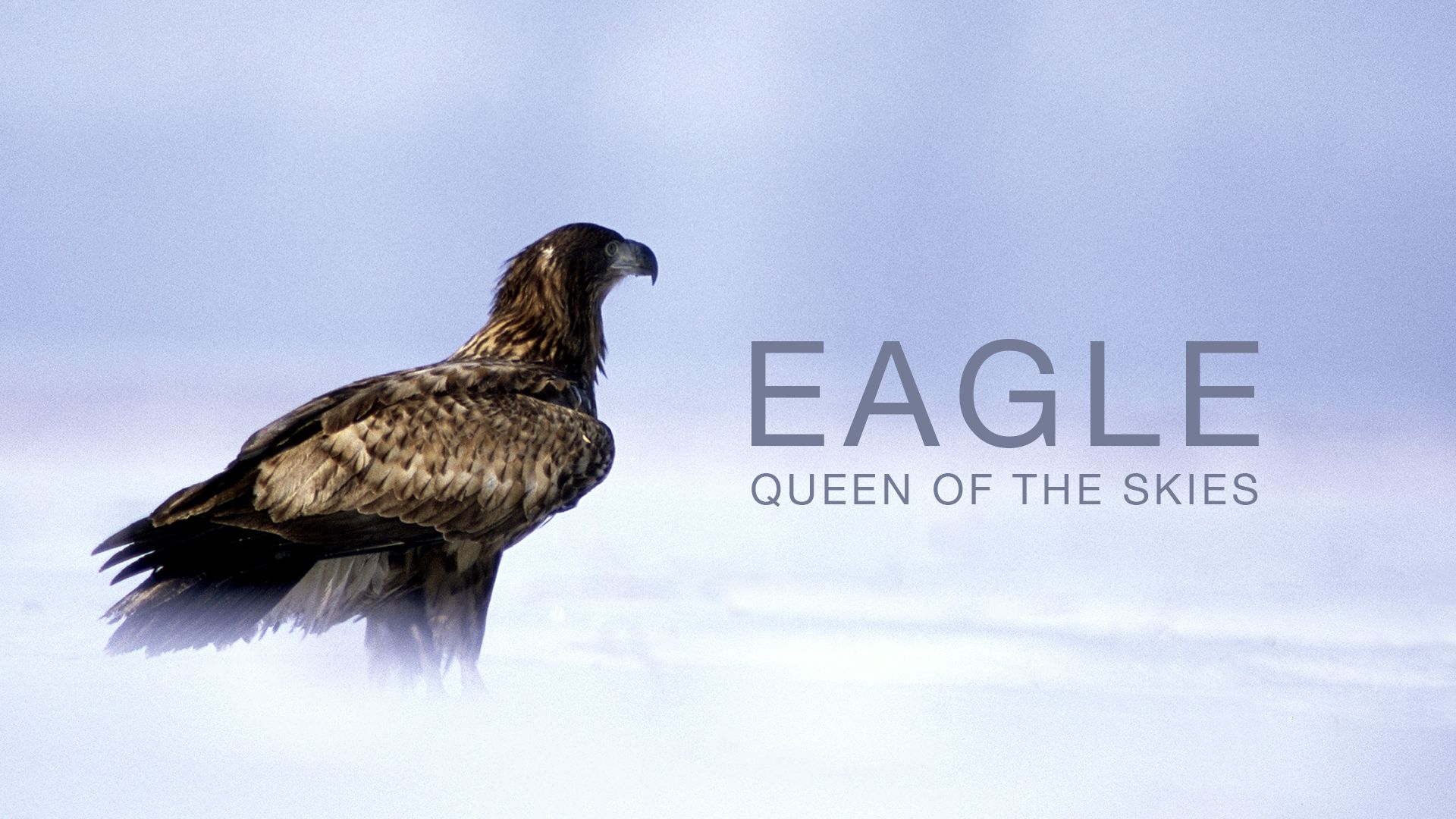
Eagle Queen of the Skies

Eagle Queen of the Skies

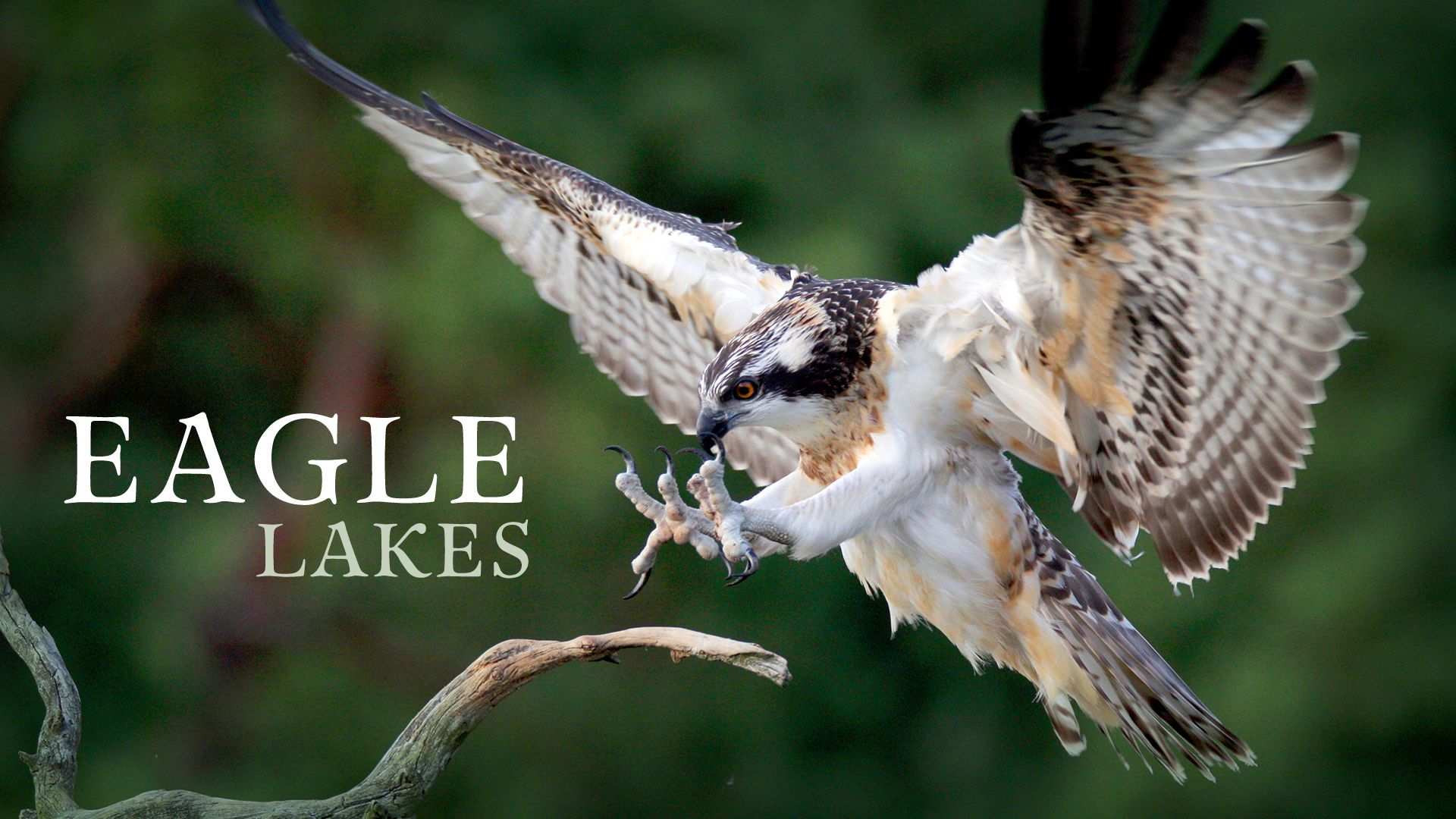
Eagles are top predators who battle fiercely for survival and work hard to raise their young. There are 60 members of the eagle clan, all united by their acute eyesight, powerful wings, sharp talons and hooked beaks. To explore the world of the eagle we follow one individual from hatching to leaving the nest and setting up a home. Her fight for survival reveals what it takes to become a queen of the sky.

2025-12-12 06:00:00 +0000 UTC2025-12-12 07:00:00 +0000 UTC (1h)
Wild Dolphins

Wild Dolphins

In the waters surrounding New Zealand live a number of dolphin species - each of which has evolved unique strategies in their family pods to survive and thrive in the different habitats around these islands in the Pacific Ocean. On the east coast of the south island off the iconic Kaikoura peninsula, an underwater canyon pushes water seething with nutrients to the surface which provides a year round banquet for huge pods of dusky dolphins. These athletic and highly social dolphins spend their nights feeding out in the canyon, and in early morning they return closer to shore where they rest socialize and play. One of their favourite activities is the “seaweed game” where individuals pass pieces of seaweed to each other practicing fancy maneuvers where they'll catch it on their tail, dorsal or pectoral fins. Down in the south west corner of New Zealand in the majestic landscape of Fiordland live the southern-most bottlenose dolphins. At almost 4 metres long these dolphins have adapted physically to the extreme winter conditions down here by growing bigger and fatter with extra insulating blubber and evolving stubbier beaks and shorter fins and tail flukes to reduce heat loss through their extremities. These fiords are different to the coastal environment in that freshwater sits on top of the denser seawater in a distinct layer, and is much colder than the saltwater and can prove lethal to the pods' calves in winter, so every year the bottlenose dolphins make a short migration to the outer fiords where there is less freshwater to enable their calves to survive. Off New Zealand's north island, in the middle of the Bay of Plenty, the country's most active volcano erupts from the sea, sending plumes of toxic gases rising skywards. In the water surrounding this volcano roam common dolphins - the nomads of the dolphin world. They are pelagic predators which mean they roam the open ocean searching for prey.

2025-12-12 05:00:00 +0000 UTC2025-12-12 06:00:00 +0000 UTC (1h)