Sri Lanka
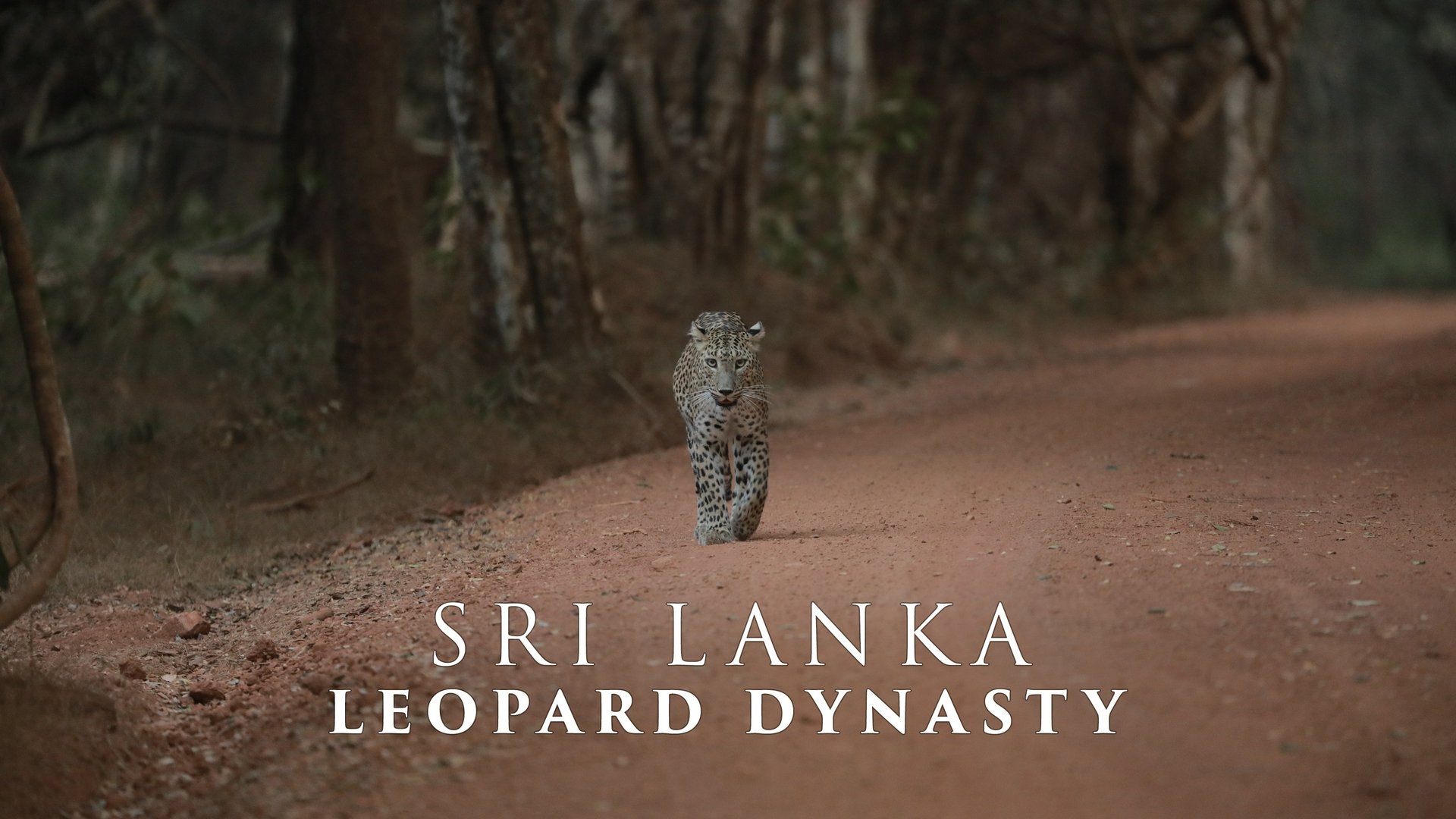
Sri Lanka's lowlands are home to one of the highest leopard populations on earth. It's in these lowland jungles the Sri Lankan Leopard, the apex predator of the country, resides.
Showing 1 to 20 of 331 results
Uncommon and hardly known, today the Dugong is the most threatened sea mammal on the planet. The species can only be found in certain parts of the Indian Ocean and in the western regions of the Pacific. Off the coast of Mozambique, in the Bazaruto archipelago, Karen is on a mission to monitor this species and implement policies to bring it back from the brink of extinction.
Visit 4 threatened biodiversity hotspots that are crucial to Earth's survival.
A natural paradise located off the coast of Guinea Bissau, the Bissagos archipelago is a strategic place for the conservation of the planet's biodiversity.
Sloths – famous around the world for their slow pace of life – are under threat. In Suriname, their numbers are falling at a staggering rate as their forest habitat is transformed into towns and roads. Since 2005, Monique Pool, nicknamed the Sloth Lady, has been working tirelessly to protect this unique species with a shelter for injured sloths and an area of forest protected from development to ensure that the local sloths have a safe place to live. Get up close with this amazing animal as she rescues sloths from urban areas, nurses injured sloths back to full health and releases them back into the forest.
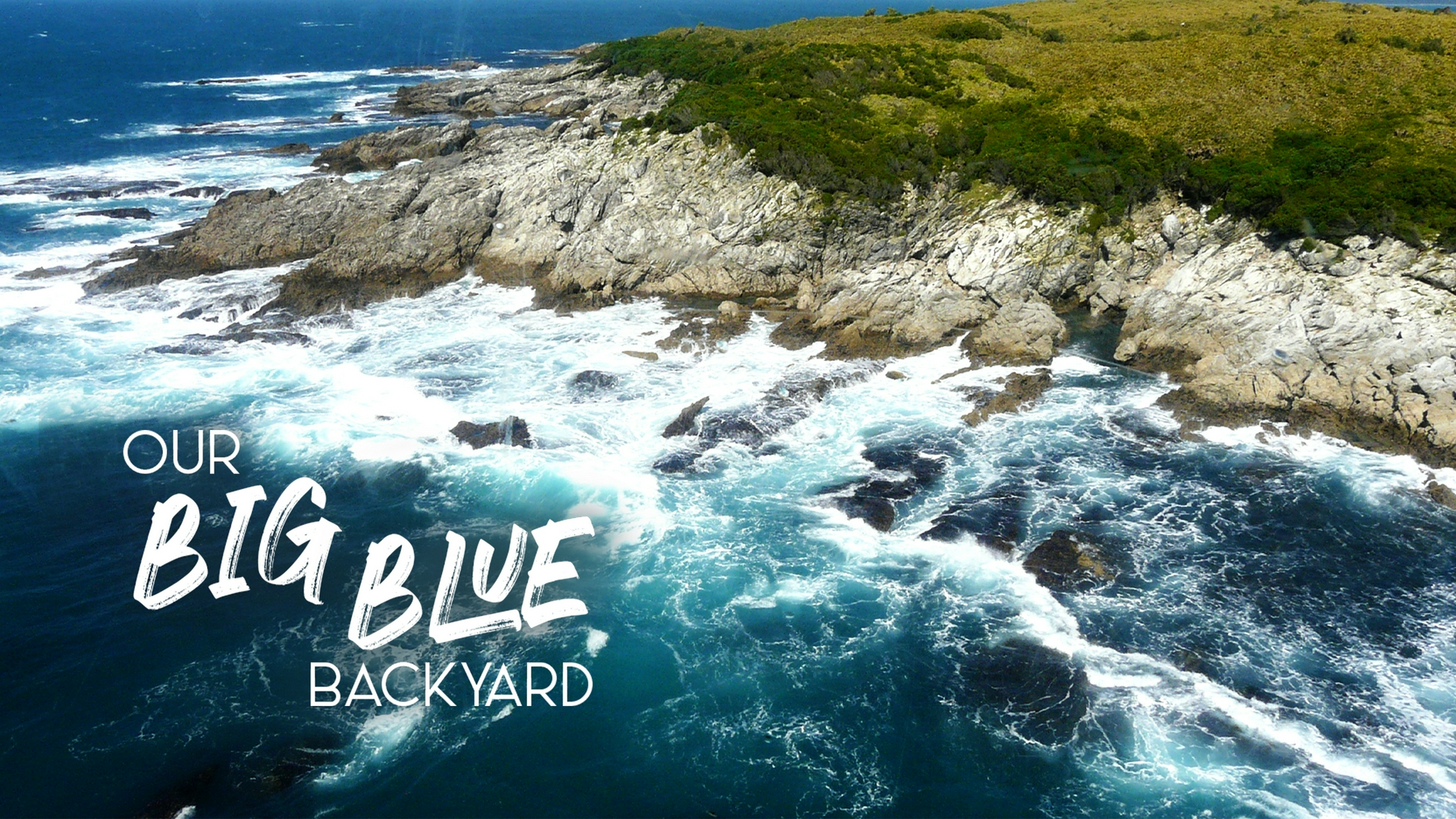
Forest in the Sea captures the unusual beauty of undersea kelp forests from Alaska to Southern California.
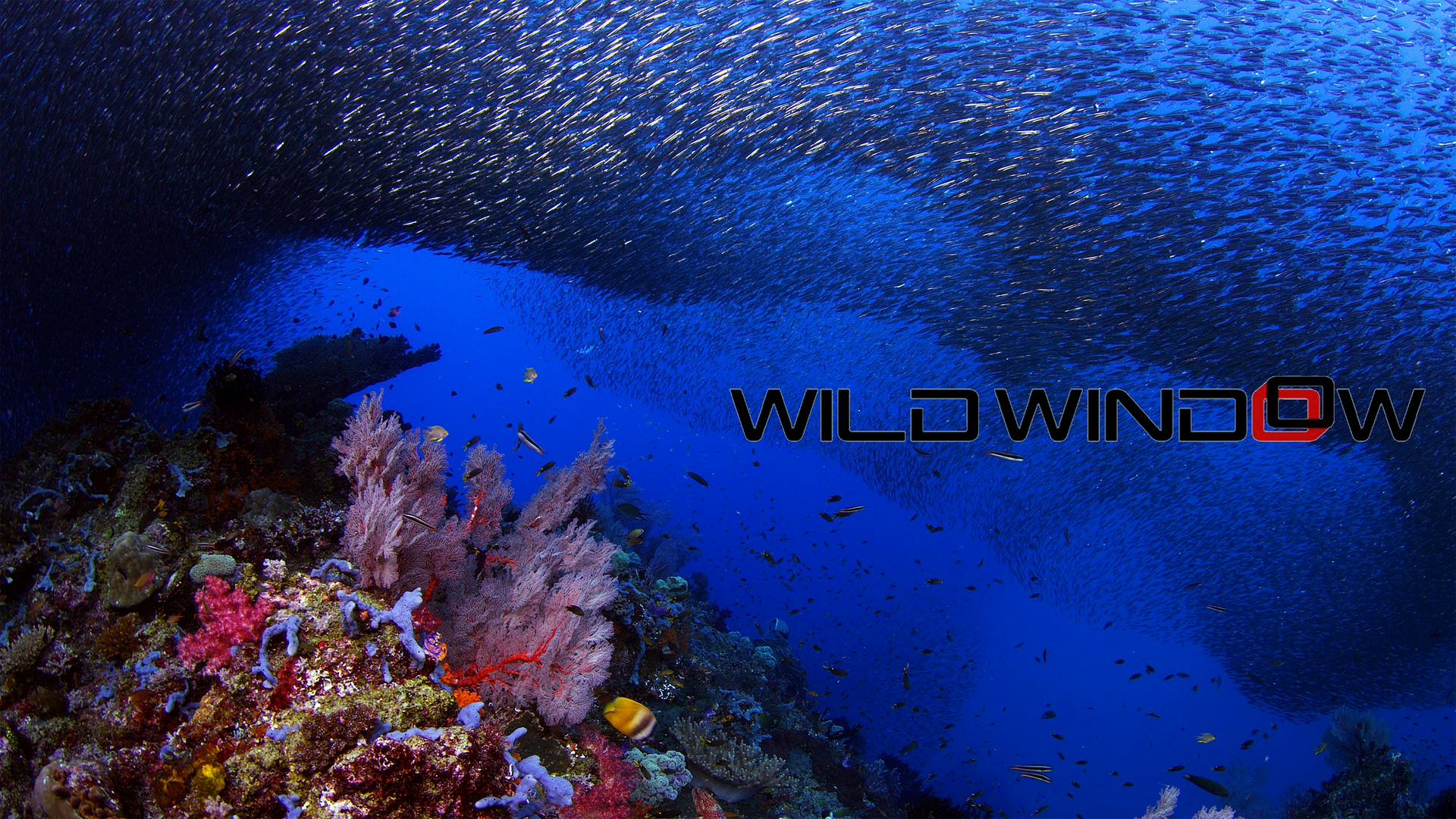
Coral Kingdoms was filmed on the kaleidoscopic reefs of Indonesia and the Maldives Islands.
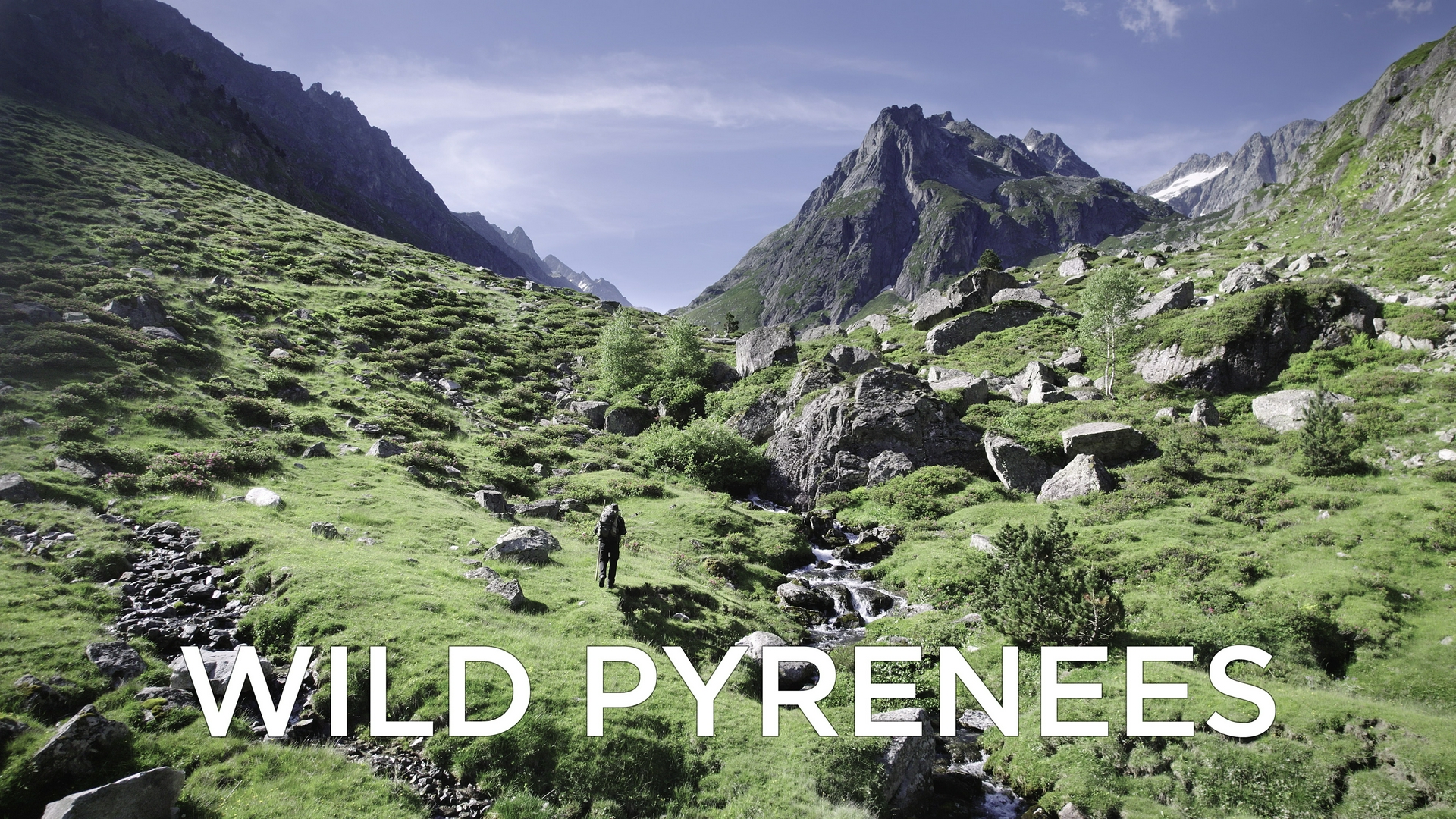
The bear's footsteps will guide us. It had disappeared, hunted by humans, from most of the valleys before being reintroduced into the central Pyrenees twenty years ago.
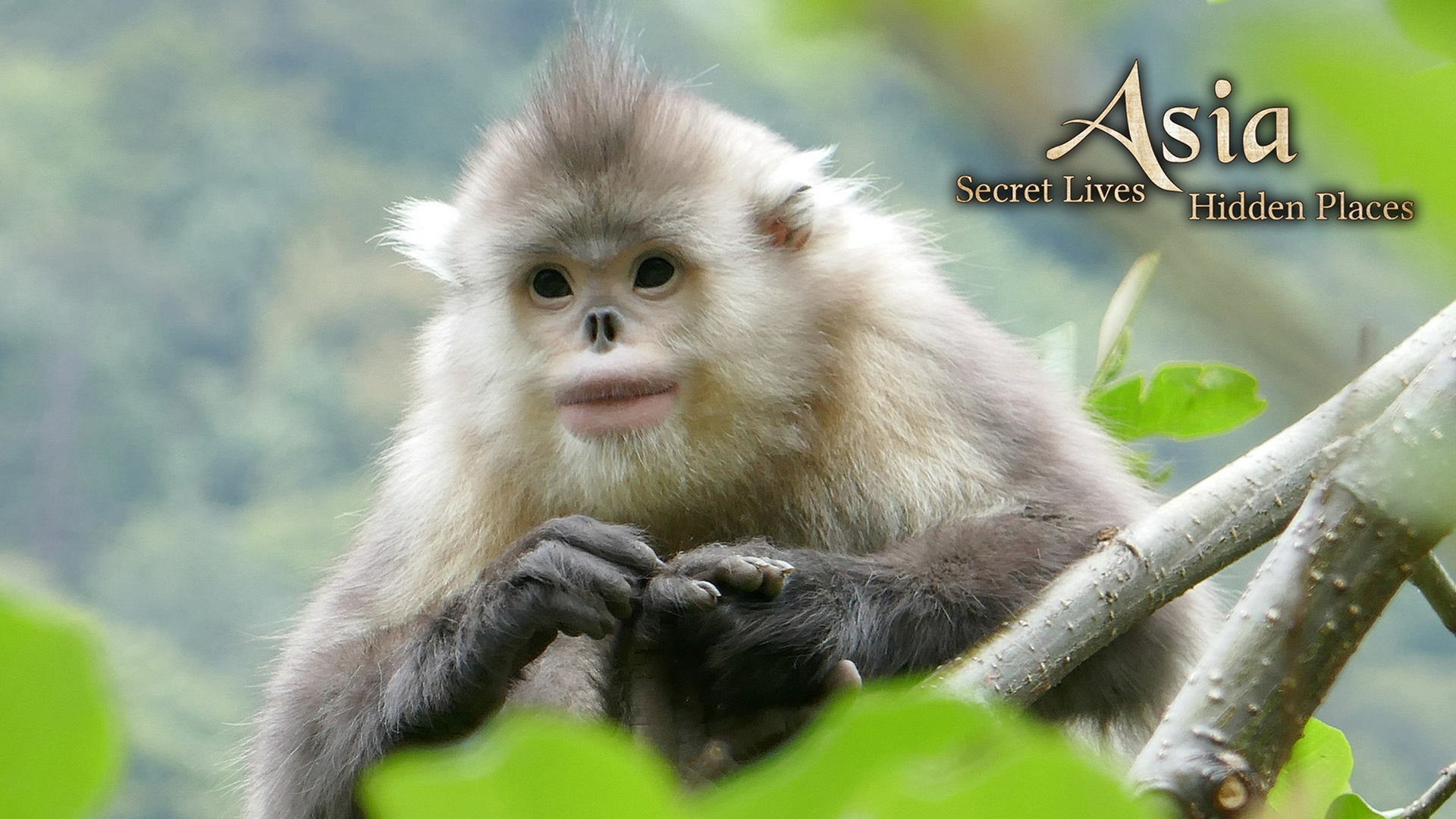
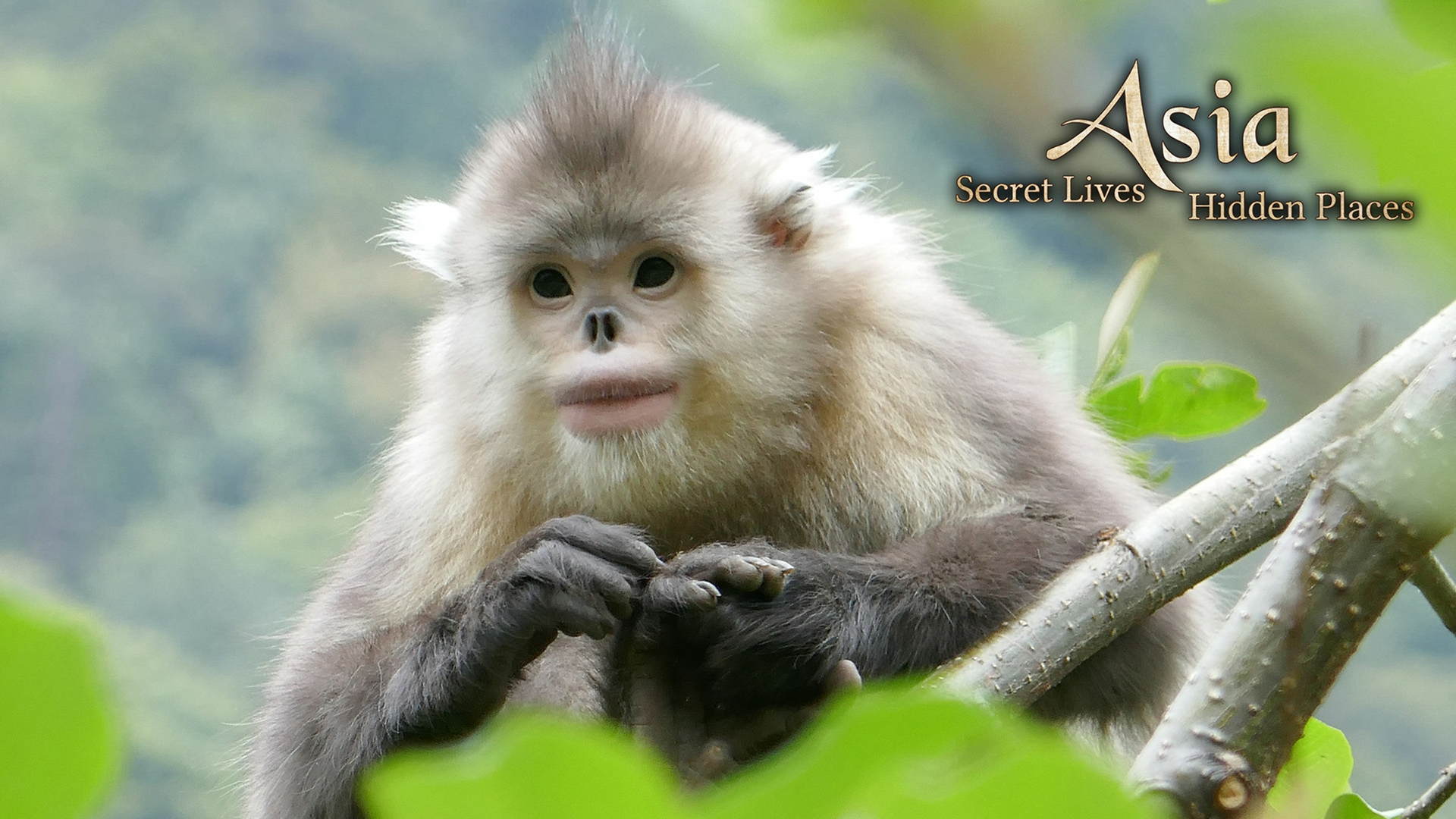
In western China, along the border to Tibet is the Baima Snow Mountain reserve. Both humans and animals have to be persistant, willpowered and strong to be able to survive in over 3000 metres height. The Baima snow mountain reserve is one of the most mysterious and impenetrable regions of the world, full of breathtaking beauty and contrasts.
Tour the world's driest desert and its oddly rich coast, both teeming with life.
The Great Gobi Nationalpark in the southwest of Mongolia is home oft he most fascinationg mammals alive: the wild camels. The arcaic desert, impenetrable and misterious, ist he home of approximately 800 wild camels which are nearly extinct. The Gobi is one of the most sparsely populated areas around the world. We experience humans which live in the rough and misanthropic desert: Jangaa who breeds camels and specialises in camel polo Surendjav who owns a salt mine Erdene who built an oasis in the middle of the dessert.
Travel to the extreme south to experience one of Earth's most diverse regions.
Forest in the Sea captures the unusual beauty of undersea kelp forests from Alaska to Southern California.
Coral Kingdoms was filmed on the kaleidoscopic reefs of Indonesia and the Maldives Islands.
Enter the danger zone with the Kakumbi pups as lions push into Manzi territory.
Today, the grizzly bear is a star in Yellowstone National Park (United States)! But the history of the bear is rooted in that of a large family of mammals: the carnivores, which appeared 60 million years ago.
Get a crash course in survival amidst the islands' unforgiving landscapes.
Observe tiny penguins cheating death, while seahorse dads pull double duty.
Experience the summertime trials and tribulations of a busy fur seal colony.
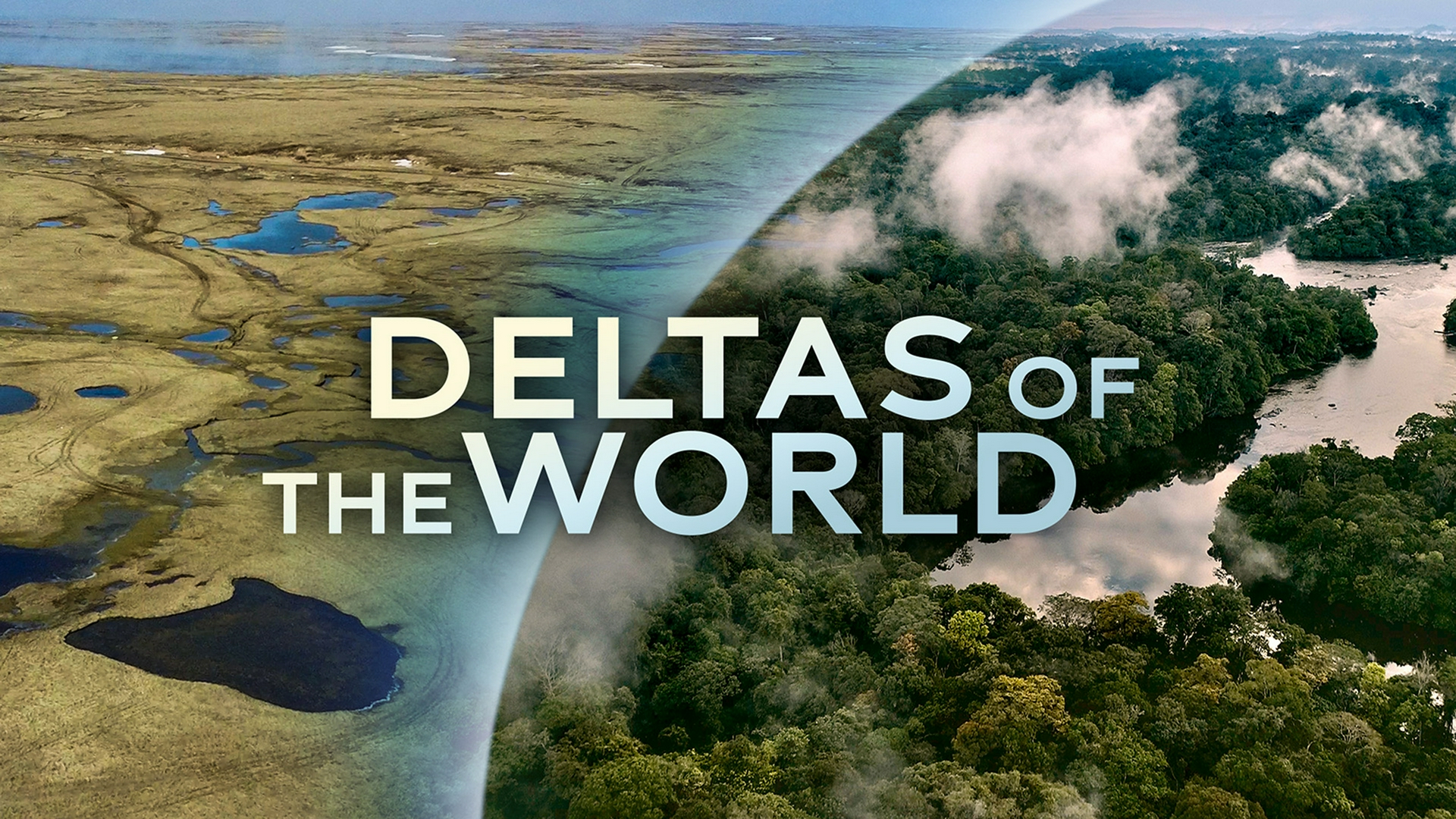
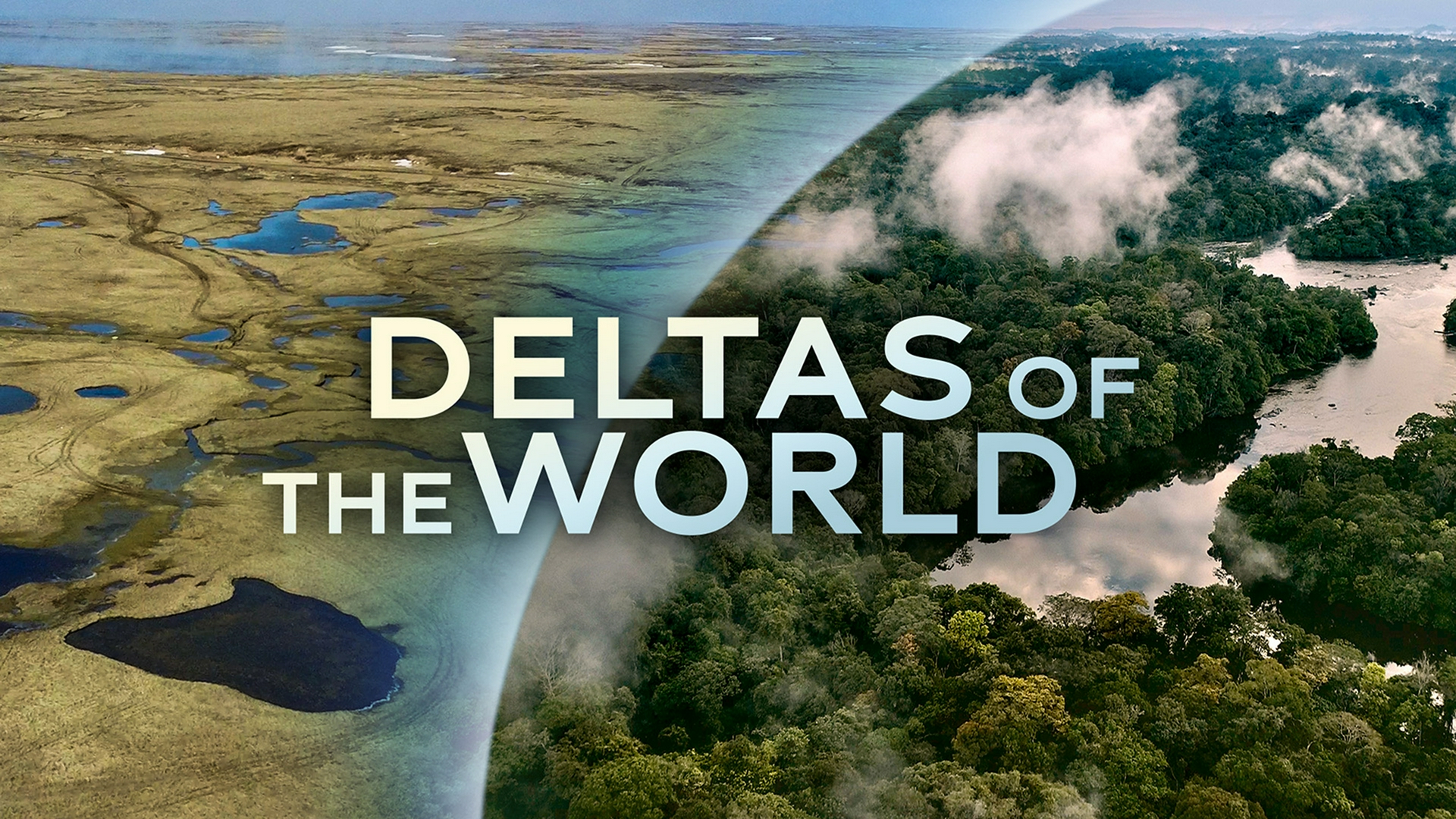
Hardly any other area is as unspoiled as the Yukon Delta in western Alaska. This fascinating network of swamps and river arms looks like a landscape at the beginning of mankind. Only 25,000 people live in this barren region, which is almost as big as Greece. Most of these inhabitants are indigenous and belong to the ethnic group of the Yupik. They make their living on the steep banks of the Yukon River. And in their villages, built on piles to protect them against flooding, you can see the effects of climate changes on nature - and on the community life of the indigenous population. On the trail of the national fish of Alaska, the salmon, the film follows the Yukon River and follows moose hunters, migratory birds and scientists who do research in the delta.
The Irrawaddy Delta in southern Myanmar is home to the most diverse mangrove forests in the world. The forests serve as natural protection against cyclones that regularly strike the region. The Irrawaddy's widely branching tributaries not only provide schools of fish and rich nutrients, but also function as the most important transport route for the people living in the delta. The greengrocer couple U Tin Hlaing and Daw Khin Lay supply the villages downstream with their fresh produce. But they do not go any further than the Meinmahla Kyun Wildlife Sanctuary. From that point on, the river becomes increasingly turbulent, too dangerous for their small, flat boat. The sanctuary is home to a variety of animal species including the rare Irrawaddy dolphins, saltwater crocodiles, birds of prey such as black kites and brahminy kites, migratory birds such as spoon-billed sandpipers, woodcocks, great cormorants and various anatids. Ranger Lha Soe Win and his colleagues regularly patrol the nature reserve to monitor the animal population and make sure the mangroves are no longer illegally logged for firewood. Since the 1970s, the mangrove population has declined by more than 60 percent, with dramatic consequences for the inhabitants of the delta. Cyclone Nargis, the most devastating cyclone to date, claimed the lives of around 130,000 Burmese in 2008. Together with scientists from the conservation charity Flora and Fauna International, the rangers are working on reforesting the mangroves to restore their function as a natural barrier in the future.
Showing 1 to 20 of 331 results