Deltas of the World
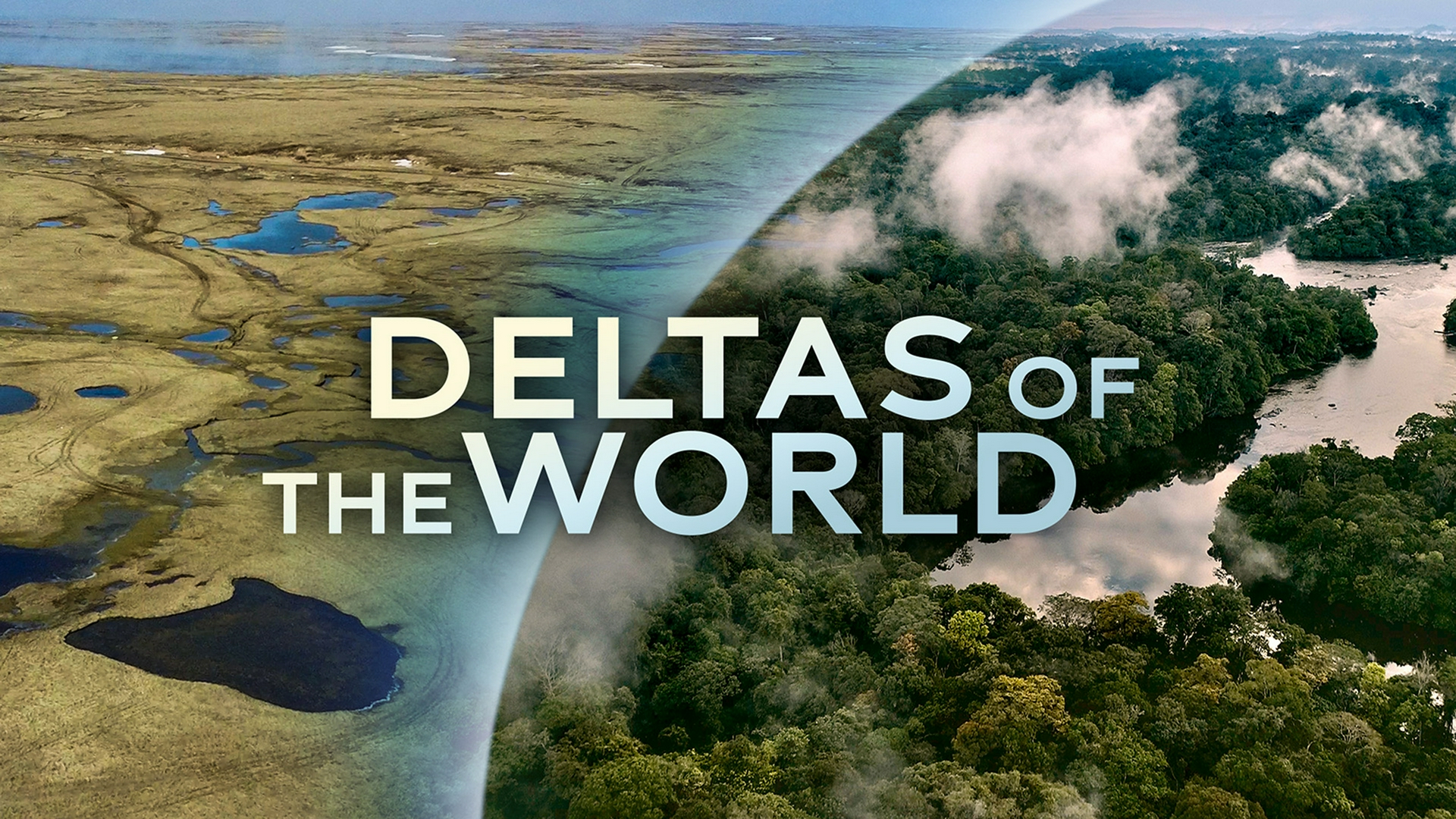
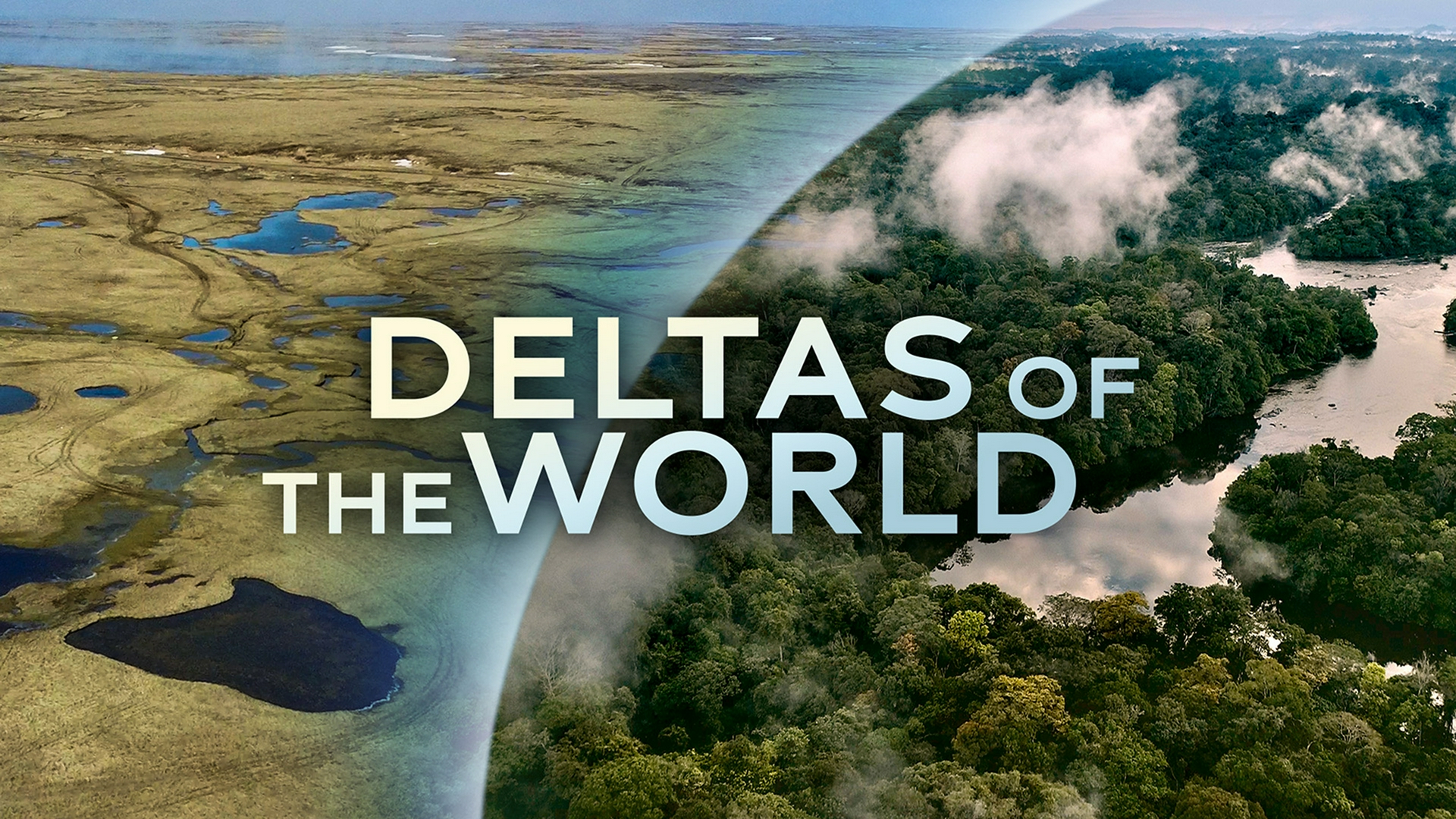
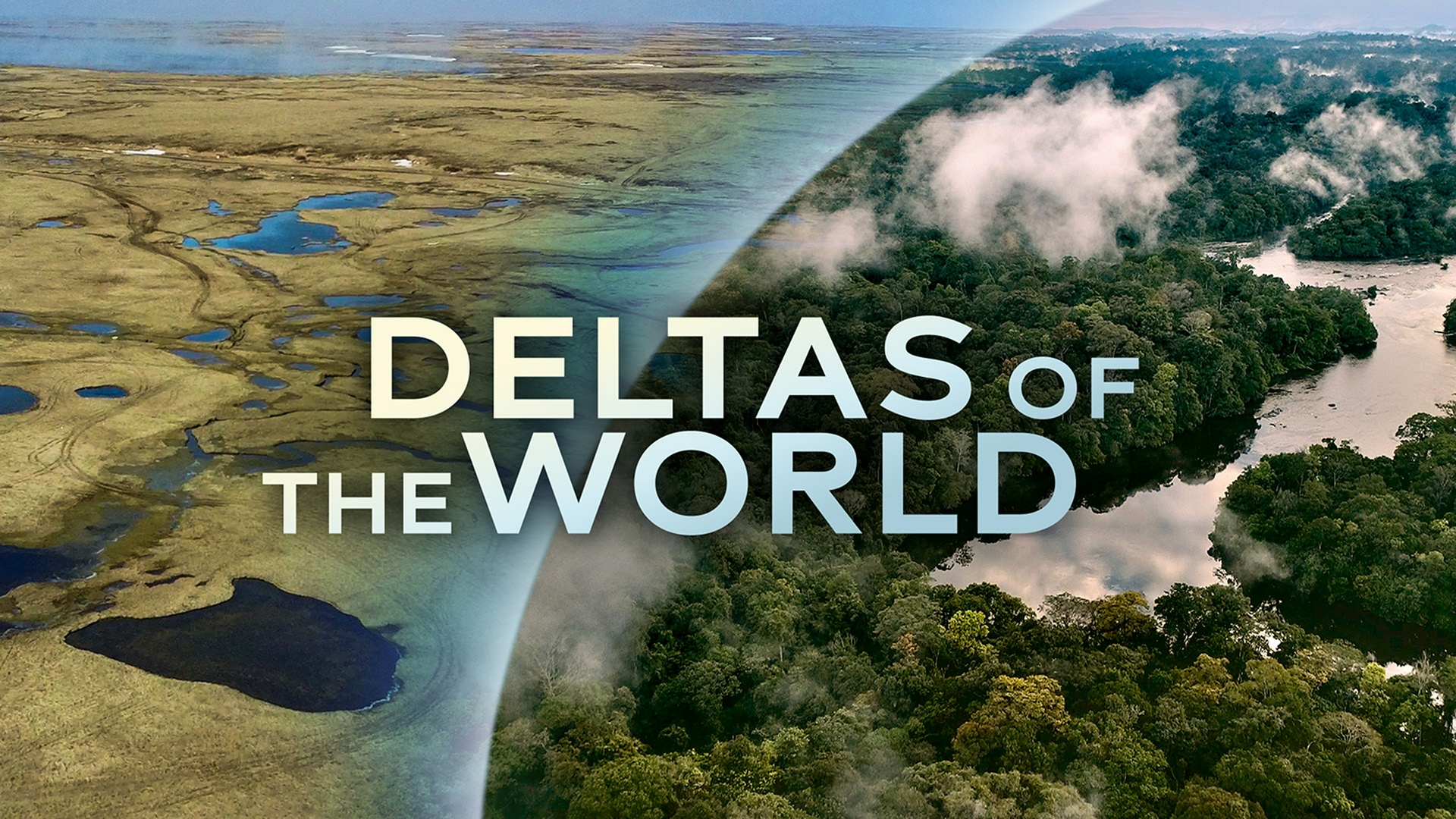
The Irrawaddy Delta in southern Myanmar is home to the most diverse mangrove forests in the world. The forests serve as natural protection against cyclones that regularly strike the region. The Irrawaddy's widely branching tributaries not only provide schools of fish and rich nutrients, but also function as the most important transport route for the people living in the delta. The greengrocer couple U Tin Hlaing and Daw Khin Lay supply the villages downstream with their fresh produce. But they do not go any further than the Meinmahla Kyun Wildlife Sanctuary. From that point on, the river becomes increasingly turbulent, too dangerous for their small, flat boat. The sanctuary is home to a variety of animal species including the rare Irrawaddy dolphins, saltwater crocodiles, birds of prey such as black kites and brahminy kites, migratory birds such as spoon-billed sandpipers, woodcocks, great cormorants and various anatids. Ranger Lha Soe Win and his colleagues regularly patrol the nature reserve to monitor the animal population and make sure the mangroves are no longer illegally logged for firewood. Since the 1970s, the mangrove population has declined by more than 60 percent, with dramatic consequences for the inhabitants of the delta. Cyclone Nargis, the most devastating cyclone to date, claimed the lives of around 130,000 Burmese in 2008. Together with scientists from the conservation charity Flora and Fauna International, the rangers are working on reforesting the mangroves to restore their function as a natural barrier in the future.