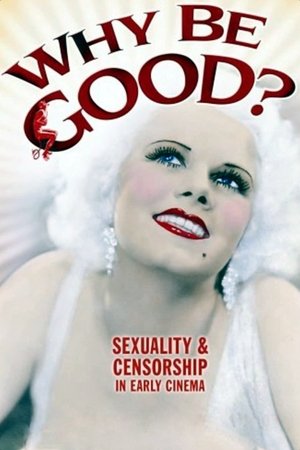
Why Be Good?: Sexuality & Censorship in Early Cinema
Why Be Good?: Sexuality & Censorship in Early Cinema
2007-05-23
4.3 / 10 ( 5)
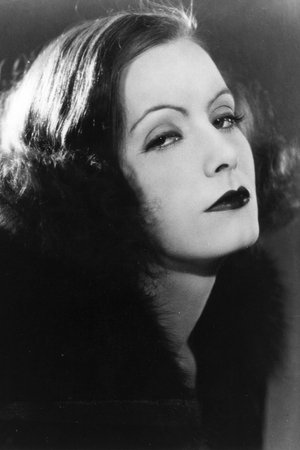
Greta Garbo (born Greta Lovisa Gustafsson; September 18, 1905 – April 15, 1990) was a Swedish-American actress, widely regarded as one of the greatest stars of classic Hollywood cinema. Known for her melancholic and enigmatic screen presence, she starred in iconic films such as Anna Karenina, Queen Christina, Camille, and Ninotchka. Throughout her career, she was celebrated for her subtle and understated performances, earning three Academy Award nominations and an honorary Oscar in 1954. Garbo was famously private, avoiding the Hollywood social scene and retiring from acting at the age of 35. Her personal life has long been the subject of speculation, particularly regarding her sexuality. She was romantically linked to several women, including writer Mercedes de Acosta and actress Marlene Dietrich, fueling rumors that she may have been lesbian or bisexual. However, Garbo never publicly addressed these rumors, maintaining an air of mystery that only added to her legendary status. Her legacy continues to captivate audiences, with her influence extending beyond film into discussions of gender, sexuality, and Hollywood’s golden age.
Born: 1905-09-18 in Stockholm, Stockholms län, Sweden
Why Be Good?: Sexuality & Censorship in Early Cinema
Checking Out: Grand Hotel

The Mystery of Marilyn Monroe: The Unheard Tapes

A New Romance of Celluloid: The Miracle of Sound

Final Cut: Hölgyeim és uraim
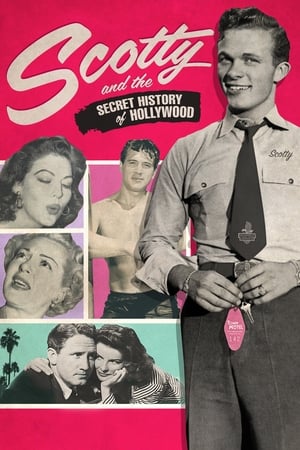
Scotty and the Secret History of Hollywood

Complicated Women

Garbo, by Joan Crawford

En lyckoriddare

Camille

The Temptress

The Kiss

Fördom & stolthet – en queer filmhistoria

That's Entertainment, Part II

The Romance of Celluloid

The Mysterious Lady
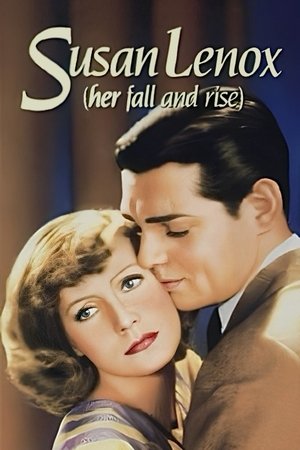
Susan Lenox (Her Fall and Rise)

The Marriage of Greta Garbo and Sergei Eiseinstein

A Woman of Affairs

Grand Hotel