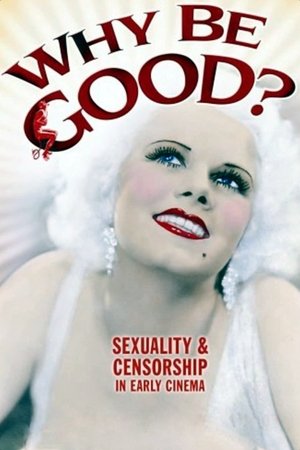
Why Be Good?: Sexuality & Censorship in Early Cinema
Why Be Good?: Sexuality & Censorship in Early Cinema
2007-05-23
4.3 / 10 ( 5)
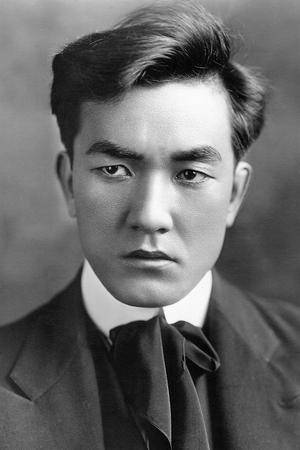
Sessue Hayakawa (June 10, 1889 – November 23, 1973) was a Japanese and American Issei (Japanese immigrant) actor who starred in American, Japanese, French, German, and British films. Hayakawa was the first and one of the few Asian actors to find stardom in the United States as well as Europe. Between the mid-1910s and the late 1920s, he was as well known as actors Charlie Chaplin and Douglas Fairbanks. He was one of the highest paid stars of his time; making $5,000 a week in 1915, and $2 million a year via his own production company during the 1920s. He starred in over 80 movies and has two films in the U.S. National Film Registry. His international stardom transitioned both silent films and talkies. Of his English-language films, Hayakawa is probably best known for his role as Colonel Saito in the film The Bridge on the River Kwai, for which he received a nomination for Academy Award Best Supporting Actor in 1957. He also appeared as the pirate leader in Disney's Swiss Family Robinson in 1960. In addition to his film acting career, Hayakawa was a theatre actor, film and theatre producer, film director, screenwriter, novelist, martial artist, and an ordained Zen master. Description above from the Wikipedia article Sessue Hayakawa, licensed under CC-BY-SA, full list of contributors on Wikipedia.
Born: 1889-06-10 in Nanaura, Chiba, Japan
Why Be Good?: Sexuality & Censorship in Early Cinema
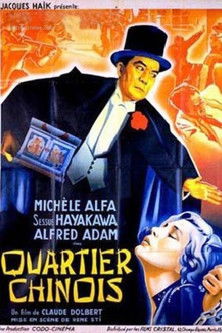
Quartier chinois

Yellowface: Asian Whitewashing and Racism in Hollywood

Swiss Family Robinson: Adventure in the Making
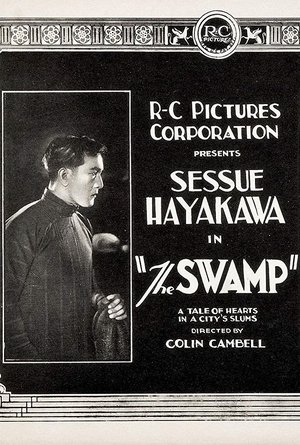
The Swamp

The Clue
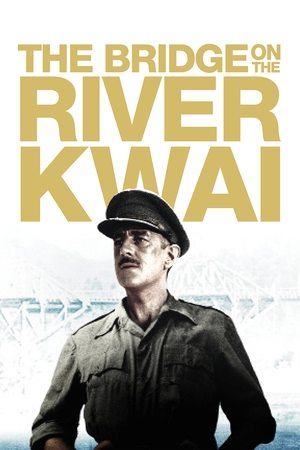
The Bridge on the River Kwai

Swiss Family Robinson

The Vermilion Pencil

The Call of the East

Tokyo Joe

The Wrath of the Gods

Around the World in 80 Minutes with Douglas Fairbanks

Green Mansions
太陽は東より

Hidden Pearls

John Gunther's High Road

Temptation

Daughter of the Dragon

Where Lights Are Low