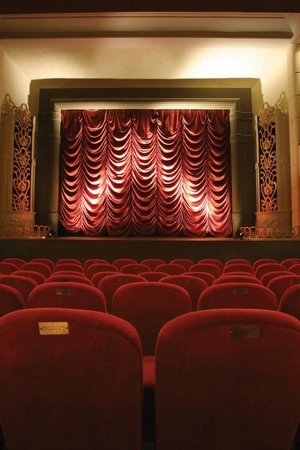
The Dream Palace: A People's History of Tyneside Cinema
The Dream Palace: A People's History of Tyneside Cinema
2018-03-02
0 / 10 ( 0)
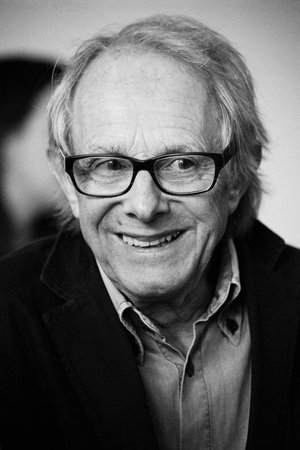
Kenneth Charles Loach (born 17 June 1936; Nuneaton) is a British film director, screenwriter and producer. His socially critical directing style is evident in his film treatment of social issues such as poverty (Poor Cow, 1967), homelessness (Cathy Come Home, 1966), and labour rights (Riff-Raff, 1991, and The Navigators, 2001). Kenneth Charles Loach was born on 17 June 1936 in Nuneaton, Warwickshire, the son of Vivien (née Hamlin) and John Loach. He attended King Edward VI Grammar School and at the age of 19 went to serve in the Royal Air Force. He read law at St Peter's College, Oxford and graduated with a third-class degree. As a member of the Oxford University Experimental Theatre Club he directed an open-air production of Bartholomew Fair for the Shakespeare Memorial Theatre, Stratford, in 1959 (when he also took the role of the shady horse-dealer Dan Jordan Knockem). After Oxford, he began a career in the dramatic arts. Loach's film Kes (1969) was voted the seventh greatest British film of the 20th century in a poll by the British Film Institute. Two of his films, The Wind That Shakes the Barley (2006) and I, Daniel Blake (2016), received the Palme d'Or at the Cannes Film Festival, making him one of only nine filmmakers to win the award twice.
Born: 1936-06-17 in Nuneaton, Warwickshire, England, UK
The Dream Palace: A People's History of Tyneside Cinema
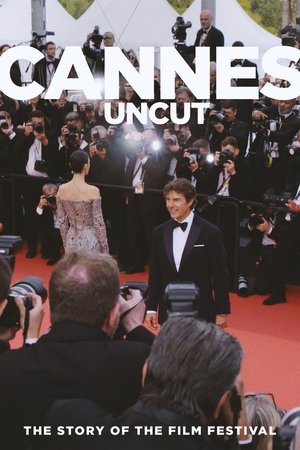
Cannes Uncut
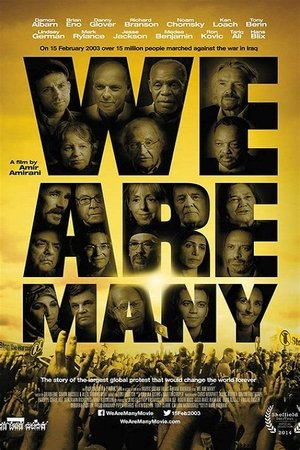
We Are Many
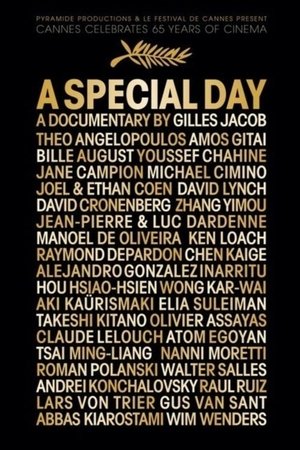
Une Journée particulière

Carry On Ken

Versus: The Life and Films of Ken Loach
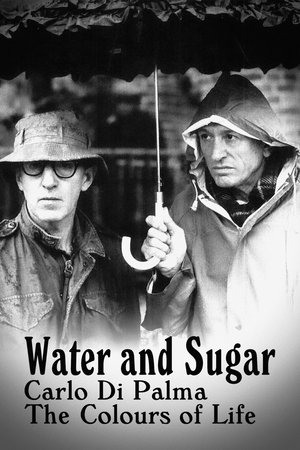
Acqua e zucchero – Carlo Di Palma: i colori della vita

40 x 15: The Forty Years of the Directors' Fortnight

Di me cosa ne sai - Inchiesta su un grande mistero italiano

Film: The Living Record of Our Memory
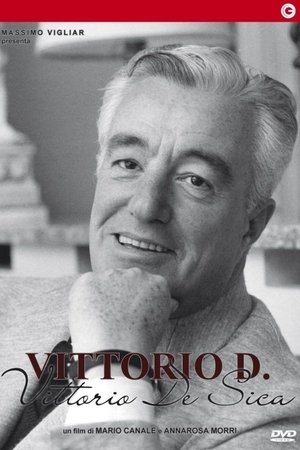
Vittorio D.

CzechMate: In Search of Jiří Menzel

Great Directors

La légende de la Palme d'Or... continue

Ken and Rosa
A Turnip Head's Guide To The British Cinema

Um Filme de Cinema

To Make a Comedy Is No Fun

Who Killed British Cinema?

The Making of 'Hidden Agenda'