
Before the Flood
Before the Flood
2016-10-21
7.692 / 10 ( 815)
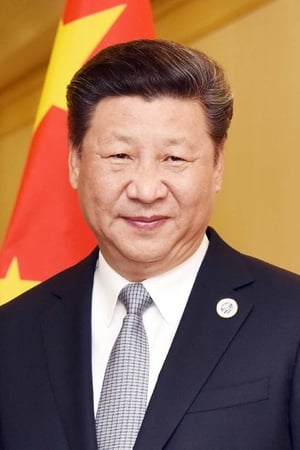
Xi Jinping (born 15 June 1953) is a Chinese politician and statesman who has been the paramount leader of China since 2012. He serves as general secretary of the Chinese Communist Party (CCP) and chairman of the Party’s Central Military Commission, positions he assumed in 2012, and became president of the People’s Republic of China and chairman of the state military commission in 2013. He is widely regarded as the leading figure of China’s fifth generation of leadership. Xi was born in Beijing as the son of Xi Zhongxun, a veteran revolutionary figure, and Qi Xin. During the Cultural Revolution, his father was purged, and Xi was sent to the rural village of Liangjiahe in Shaanxi province as part of the “sent-down youth” movement. There, he lived in a cave dwelling known as a yaodong, performed manual labor, and later became a local party secretary. After several unsuccessful attempts, he joined the CCP. He later studied chemical engineering at Tsinghua University as a worker-peasant-soldier student. Xi’s political career advanced through regional leadership roles, particularly in China’s coastal provinces. He served as governor of Fujian from 1999 to 2002, then moved to Zhejiang, where he was governor and later party secretary from 2002 to 2007. In 2007, he was briefly appointed party secretary of Shanghai following a political scandal. That same year, he entered the Politburo Standing Committee, the highest decision-making body in China, and became a leading figure in the party’s central leadership. In 2008, he was named vice president, and in 2010 he became vice chairman of the Central Military Commission, positioning him as successor to Hu Jintao. After assuming top leadership roles, Xi introduced extensive measures to strengthen party discipline and consolidate authority. His anti-corruption campaign targeted both high-ranking and lower-level officials, significantly reshaping the political landscape. He promoted the concept of “common prosperity,” aiming to reduce inequality, and implemented policies addressing poverty alleviation, economic restructuring, and technological development. His administration also increased the role of state-owned enterprises and emphasized national security and self-reliance. In foreign policy, Xi has taken a more assertive approach, particularly in relations with the United States, territorial disputes, and efforts to expand China’s global influence through initiatives like the Belt and Road Initiative. His leadership has also seen tighter control over Hong Kong following the introduction of a national security law in 2020, as well as heightened tensions with Taiwan. Domestically, Xi’s tenure has been marked by increased censorship, expanded surveillance systems, and controversial human rights policies, including actions in Xinjiang. He has overseen major reforms of the military and strengthened the CCP’s role across all areas of governance. In 2018, presidential term limits were removed, allowing him to extend his time in power, and in 2023 he secured a third term as president. His political ideology, known as Xi Jinping Thought, has been formally incorporated into both party and state constitutions, reflecting his central role in contemporary Chinese politics.
Born: 1953-06-15 in Beijing, China
Showing21to37of37results
Before the Flood
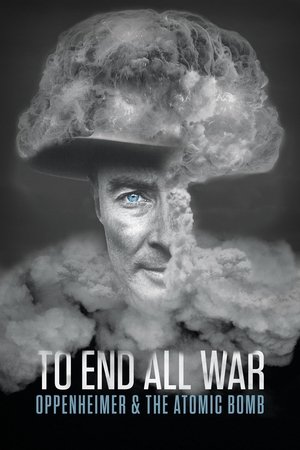
To End All War: Oppenheimer & the Atomic Bomb

An Inconvenient Sequel: Truth to Power
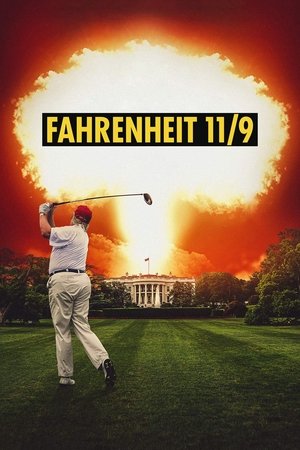
Fahrenheit 11/9

나의 촛불

And the King Said, What a Fantastic Machine

Russie, Chine, Iran : La revanche des empires

Shadow World

George Orwell, Aldous Huxley : « 1984 » ou « Le Meilleur des mondes » ?

Tous surveillés : 7 milliards de suspects

Groenland, L'Eldorado des glaces
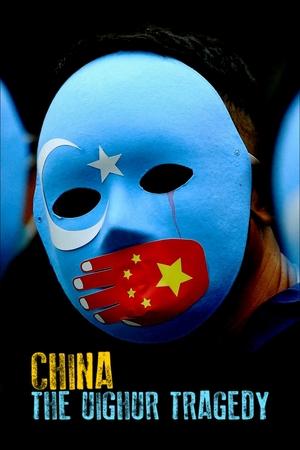
Chine : le drame ouïghour

Lune : le huitième continent

La diplomatie du vaccin

Сочи: Церемония открытия Олимпийских игр 2014 года: мечты о России
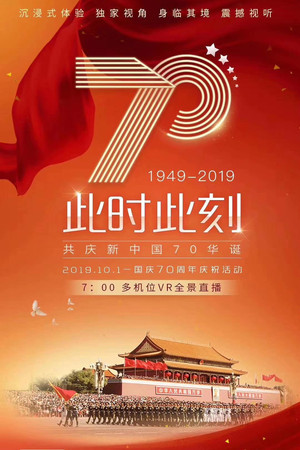
庆祝中华人民共和国成立70周年阅兵
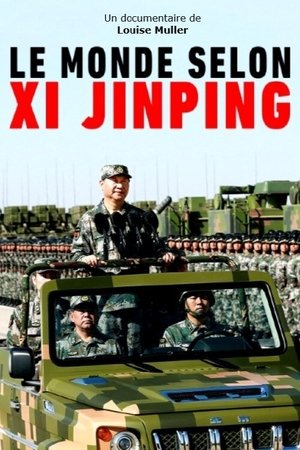
Le Monde selon Xi Jinping

庆祝中华人民共和国成立60周年大会

North Korea: Inside The Mind of a Dictator

The Lockdown: One Month in Wuhan
Showing21to37of37results