
Okoto and Sasuke
お琴と佐助
1961-10-14
0 / 10 ( 0)
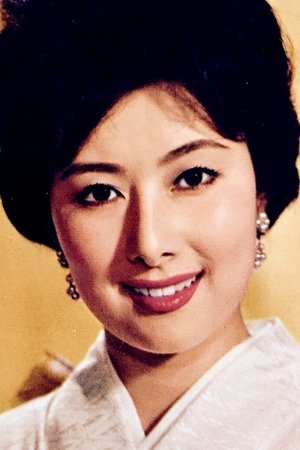
Fujiko Yamamoto (山本富士子, Yamamoto Fujiko) (born 11 December 1931) is a Japanese stage, film and television actress. She was the winner of the first Miss Nippon Grand Prix in 1950, and appeared in over 100 films between 1953 and 1963, including works by directors Yasujirō Ozu, Kon Ichikawa, Shirō Toyoda and Kōzaburō Yoshimura. Yamamoto was born on 11 December 1931 in Nishi ward, Osaka. In 1953, she made her film debut at Daiei Film, and became one of the studio's top actresses. Yamamoto was considered one of Japan's most beautiful women, with, in the words of film historian Catherine Russell, "noble" features that represented the classic ideal of Japanese beauty. As such, she was well-suited for costumed parts in the era's popular period dramas, with her less-frequent modern roles (in films like Ozu's Equinox Flower and Ichikawa's Being Two Isn't Easy) often shot in "movie star" closeups that placed her apart from the films' contemporary storytelling. In 1963, when her contract came up for renewal, she insisted on changes. The head of Daiei, Masaichi Nagata, refused, dismissed her, and prevented her from finding work at other film studios via the Five-Company Agreement. After the Daiei dismissal, Yamamoto acted in the TV series Toshiba Sunday Theatre and on Fuji TV. Even though she has appeared frequently on stage and on television, she has not appeared in a film since then.
Born: 1931-12-11 in Itachibori, Nishi, Osaka, Osaka, Japan
お琴と佐助

スタジオはてんやわんや

猟銃
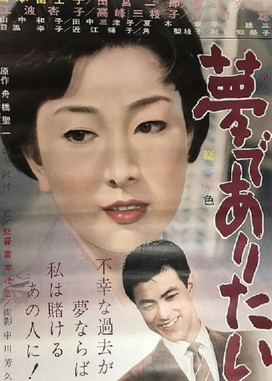
夢でありたい
PiCNiC

女妖

大江山酒天童子

大菩薩峠 竜神の巻
女房学校

白鷺

みだれ髪
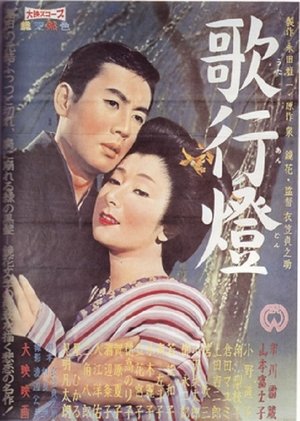
歌行燈

見合い旅行
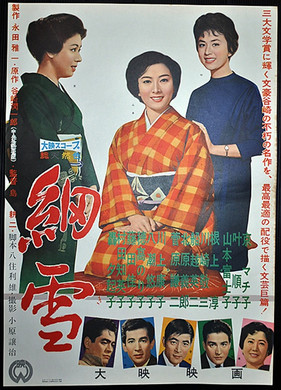
細雪
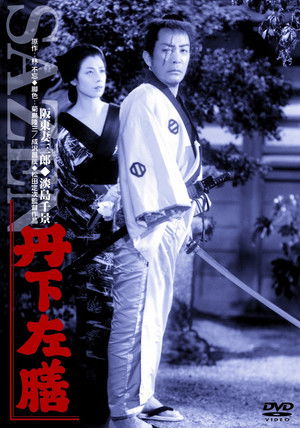
丹下左膳
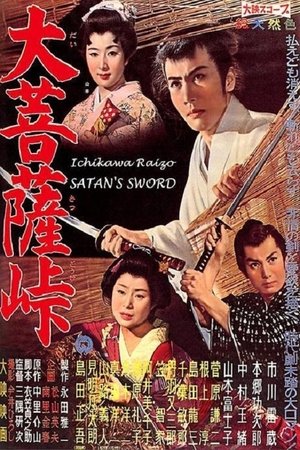
大菩薩峠

女と三悪人

雪之丞変化

東京の瞳

夜の河