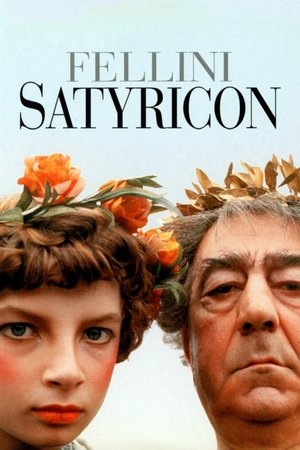
Satyricon
Fellini – satyricon
1969-09-18
6.693 / 10 ( 361)

She was born in Milan, Italy, the daughter of Francesca Bosè and Domenico Borloni. After a number of years working in a bakery, in 1947 she won the second edition of the Miss Italia beauty contest. Later, she acted in Dino Risi's short The Five Days of Milan. Then, in 1950, she made her big screen debut in Giuseppe De Santis' “Non c'è pace tra gli ulivi” (No Peace Under the Olive Tree). Her career flourished until 1955, when she fell in love with Spanish bullfighter Luis Miguel Dominguín, and gave up acting to marry and raise a family. She and her husband were married until 1968, but their differences were accentuated over time, especially her lack of interest in bullfighting. In 1960, she took a small uncredited role in Jean Cocteau's film “Le Testament d'Orphée.” Then, after divorcing Dominguín, she returned full-time to the screen.
Born: 1931-01-28 in Milan, Italy
Showing1to20of59results
Fellini – satyricon

Cronaca di una morte annunciata

Muerte de un ciclista

Cronaca di un amore

Arcana

I Vicerè

Harem Suare

Ceremonia sangrienta

Le Testament d'Orphée

El niño de la luna

La casa de las palomas

Roma, ore 11
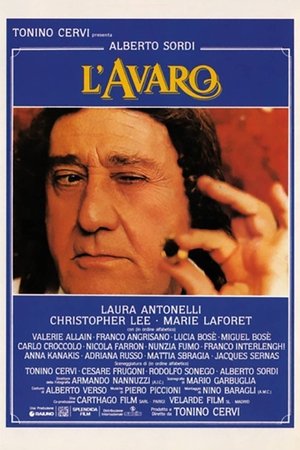
L'avaro

Cela s'appelle l'aurore
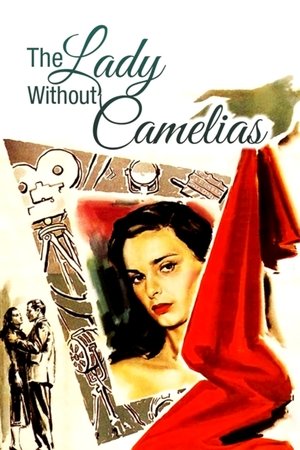
La signora senza camelie

La colonna infame

La Messe dorée

Lumière

Nathalie Granger

A propósito de Buñuel
Showing1to20of59results