Der Fremdenlegionär

Acting
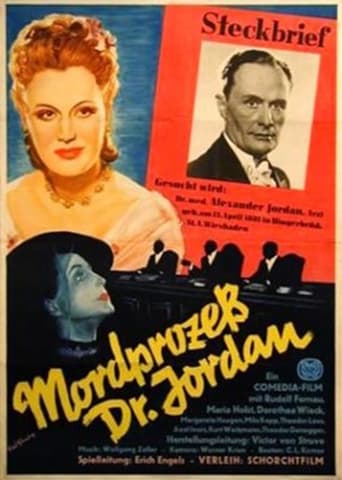
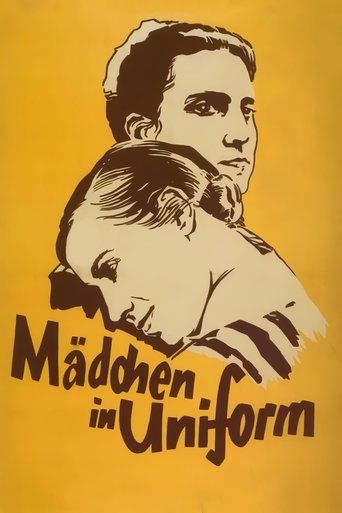
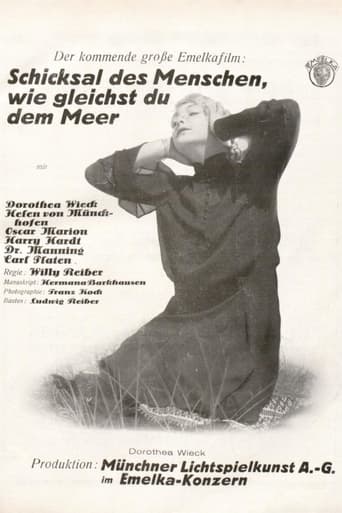
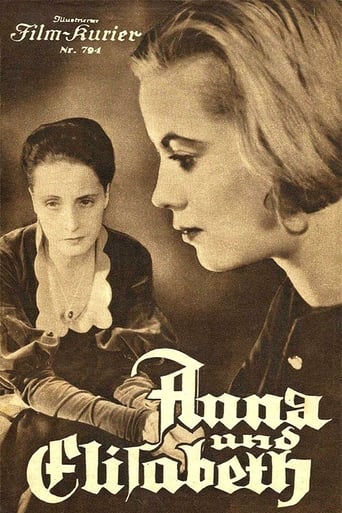
Dorothea Wieck, born Dora Bertha Olavia Wieck (3 January 1908 in Davos, Switzerland – 20 February 1986 in Berlin, West Germany), was a German theatre and film actress. Wieck launched her acting career on stage in 1924 and made her screen debut in German films in 1926, appearing in several silent films. She became widely known through her leading role in the 1931 film Mädchen in Uniform (Girls in Uniform). Her American film debut came in Cradle Song (1933). Wieck appeared in around 50 films and played on the stages of many large theatres, notably at the Deutsches Theater and the Schillertheater, Berlin. She also worked as a theatre director. After World War II, she appeared in films only in supporting roles, and she withdrew from films almost entirely in the early 1960s. In 1973, Wieck received the Film Ribbon in Gold of the Deutscher Filmpreis for long and outstanding achievements in German film.