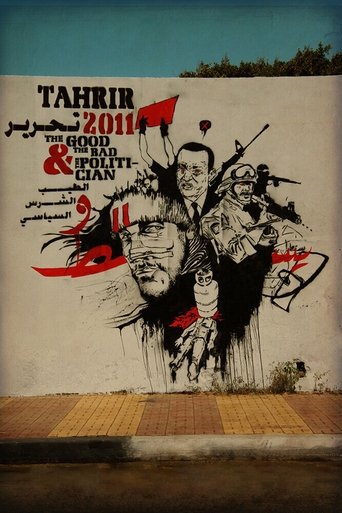
Tahrir 2011 : The Good and The bad and The Politician
Acting
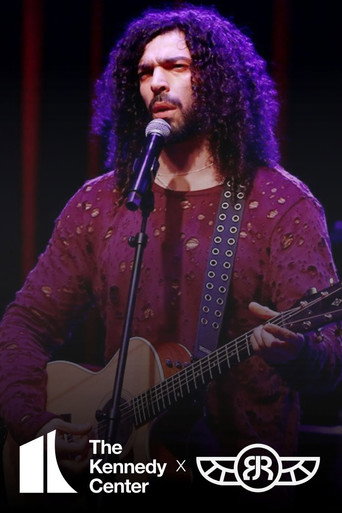
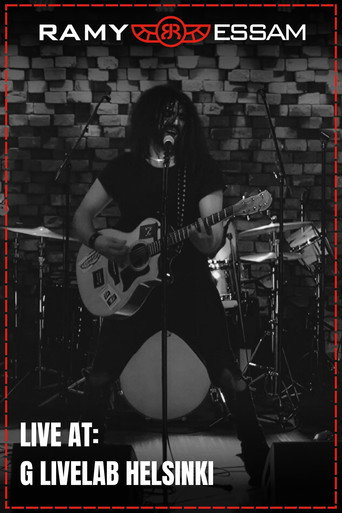
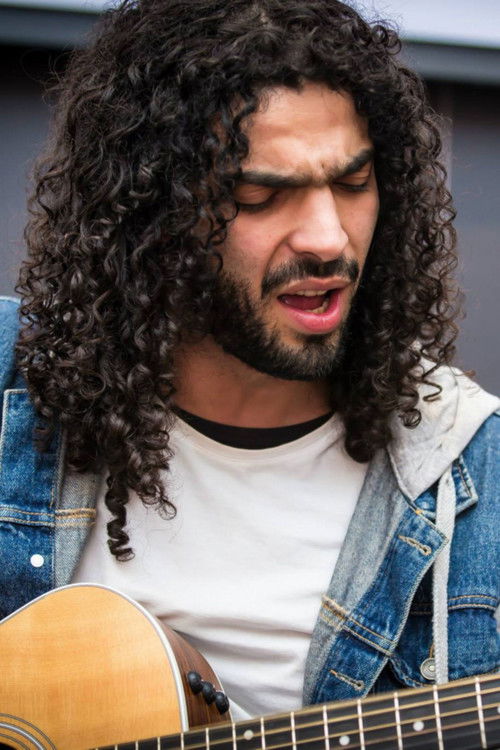
Ramy Essam (born 1987, Mansoura, Egypt) is an Egyptian hard-rock musician who became a symbol of resistance during the 2011 Egyptian Revolution. Performing in Cairo’s Tahrir Square, he used music to amplify calls for freedom and dignity across the Arab Spring and later on international stages. His protest song “Irhal” (“Leave”), demanding President Hosni Mubarak’s resignation, spread widely via YouTube and became known as the revolution’s anthem. In 2011, Time Out ranked it the third most world-changing song of all time. That same year, Essam was arrested and tortured when the army cleared Tahrir Square. Essam’s debut album, Manshourat (2011–2012), captured chants, emotions, and daily realities of the uprising, becoming a landmark in modern Egyptian protest music. In 2014, facing repression at home, he received a two-year safe-city residency in Malmö, Sweden—the first musician granted the program—where he began formal music study and continued his activism abroad. That year he also appeared on Songs from a Stolen Spring, collaborating across cultures on protest music. His later albums expanded his sound and themes: Mamnou‘ (2015) blended rock with poetry from prominent Egyptian writers; Resala Ela Magles El Amn (2017), released under Universal Music MENA, delivered a politically charged rock message; and Metgharabin (2023) fused rock with Egyptian folk and experimental elements to explore exile, identity, and censorship. On January 25, 2025, Essam released “Ra7 Nelte2i,” with lyrics by imprisoned poet Galal El-Beheiry. Throughout his career, Essam has remained a prominent musical voice for resistance, memory, and human rights.