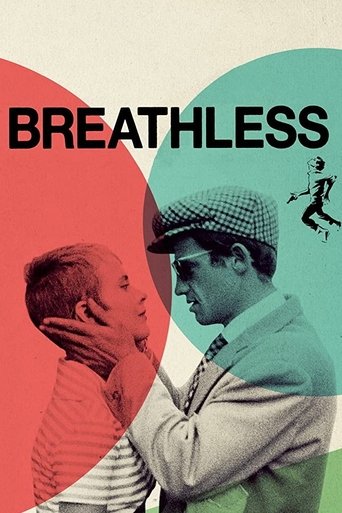
Breathless
Directing
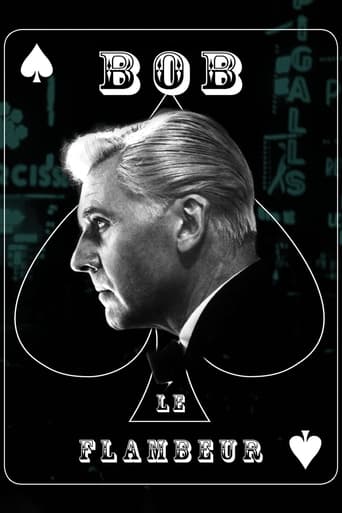
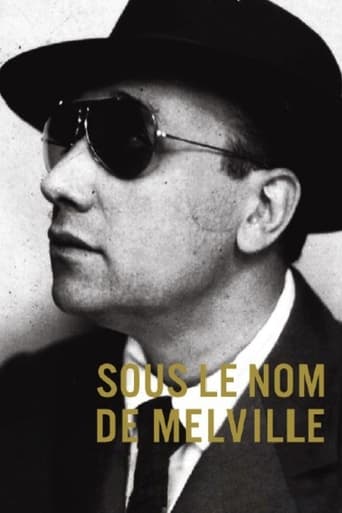
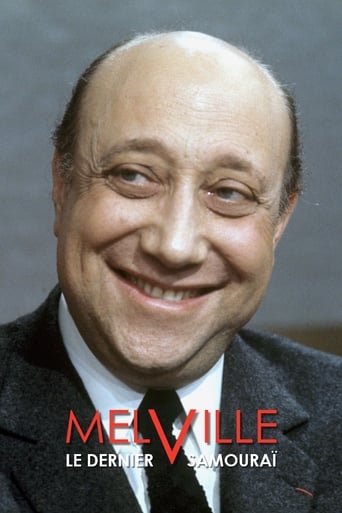
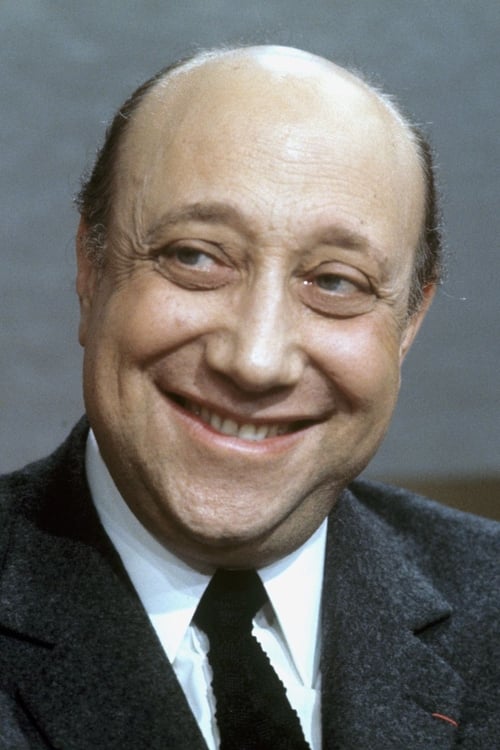
Jean-Pierre Grumbach (20 October 1917 – 2 August 1973), known professionally as Jean-Pierre Melville (French: [mɛlvil]), was a French filmmaker. Considered a spiritual father of the French New Wave, he was one of the first fully-independent French filmmakers to achieve commercial and critical success. His works include the crime dramas Bob le flambeur (1956), Le Doulos (1962), Le Samouraï (1967), and Le Cercle Rouge (1970), and the war films Le Silence de la mer (1949) and Army of Shadows (1969). Melville's subject matter and approach to filmmaking was heavily influenced by his service in the French Resistance during World War II, during which he adopted the pseudonym 'Melville' as a tribute to his favorite American author Herman Melville. He kept it as his stage name once the war was over. His sparse, existentialist but stylish approach to film noir and later neo-noir films, many of them in the crime dramas, have been highly influential to future generations of filmmakers. Roger Ebert appraised him as "one of the greatest directors." Description above from the Wikipedia article Jean-Pierre Melville, licensed under CC-BY-SA, full list of contributors on Wikipedia.