
Date with Dizzy
Date with Dizzy
1958-01-01
4 / 10 ( 4)
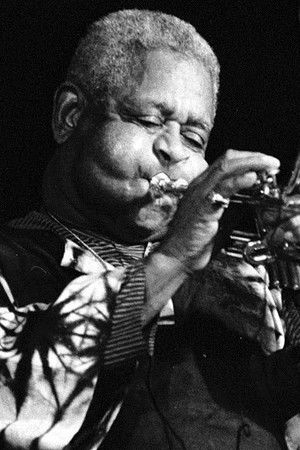
John Birks "Dizzy" Gillespie (/ɡɪˈlɛspi/; October 21, 1917 – January 6, 1993) was an American jazz trumpeter, bandleader, composer, and singer. Gillespie was a trumpet virtuoso and improviser, building on the virtuoso style of Roy Eldridge[2] but adding layers of harmonic and rhythmic complexity previously unheard in jazz. His combination of musicianship, showmanship, and wit made him a leading popularizer of the new music called bebop. His beret and horn-rimmed spectacles, his scat singing, his bent horn, pouched cheeks and his light-hearted personality provided some of bebop's most prominent symbols. In the 1940s Gillespie, with Charlie Parker, became a major figure in the development of bebop and modern jazz. He taught and influenced many other musicians, including trumpeters Miles Davis, Jon Faddis, Fats Navarro, Clifford Brown, Arturo Sandoval, Lee Morgan, Chuck Mangione, and balladeer Johnny Hartman. AllMusic's Scott Yanow wrote: "Dizzy Gillespie's contributions to jazz were huge. One of the greatest jazz trumpeters of all time, Gillespie was such a complex player that his contemporaries ended up being similar to those of Miles Davis and Fats Navarro instead, and it was not until Jon Faddis's emergence in the 1970s that Dizzy's style was successfully recreated [....] Arguably Gillespie is remembered, by both critics and fans alike, as one of the greatest jazz trumpeters of all time". From Wikipedia, the free encyclopedia
Born: 1917-10-21 in Cheraw, South Carolina, USA
Date with Dizzy
Música para Sempre

The Hole

Amazonia

Maurice Baquet, l'Accordé

Improvisation
The Hat

Charlie Parker - Bird Songs

Michel Legrand, sans demi-mesure
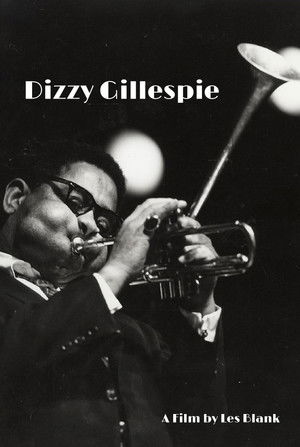
Dizzy Gillespie

Miles Davis: Birth of the Cool

Soundtrack to a Coup d'Etat

Street Gang: How We Got to Sesame Street
Duke Ellington: Love You Madly
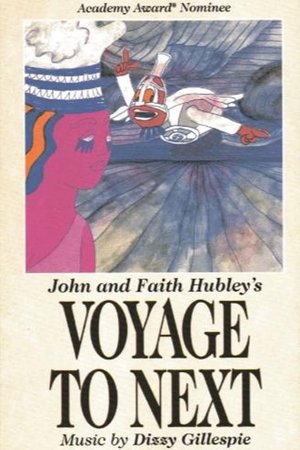
Voyage to Next
Miles Ahead: The Music of Miles Davis

The Cosmic Eye

A Great Day in Harlem
Jimmy Carter: Rock & Roll President
Hugh Hefner: Once Upon a Time