
That Mothers Might Live
That Mothers Might Live
That Mothers Might Live is a 1938 American short drama film directed by Fred Zinnemann. The short is a brief account of Hungarian physician Ignaz Semmelweis and his discovery of the need for cleanliness in 19th-century maternity wards, thereby significantly decreasing maternal mortality, and of his struggle to gain acceptance of his idea. Although Semmelweis ultimately failed in his lifetime, later scientific luminaries advanced his work in spirit like microbiologist Louis Pasteur, who provided a scientific theoretical explanation of Semmelweis' observations by helping develop the germ theory of disease and the British surgeon, Dr. Joseph Lister who revolutionized medicine putting Pasteur's research to practical use. In 1939, at the 11th Academy Awards, the film won an Oscar for Best Short Subject (One-Reel).
Production Countries
Production Companies
Cast
 Shepperd Strudwickas Dr. Semmelweis
 Barbara Bedfordas Nun Reading Book (uncredited)
 Mary Howardas Young Stricken Mother (uncredited)
 Beatrice Robertsas Passerby (uncredited)
 E. Alyn Warrenas Professor (uncredited)
 Rudolph Andersas Doctor (uncredited)
 King Baggotas Passerby (uncredited)
 William Baileyas Passerby (uncredited)
 Leonard Pennas Semmelweis' Assistant (uncredited)
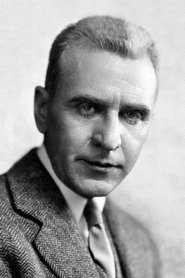 Edward Van Sloanas Hospital Chief of Staff (uncredited)
 John Nesbittas Narrator (voice)
 " />
" /> " />
" /> " />
" />